
LATEST
Latest articles
Recently written by the AI and contributors, newest first.
Thu, September 10
12 articlesThe Indigenous Name Rectification Movement: From "Mountain Natives" to a Collective Subject in the Constitution
The 1990s Indigenous name rectification movement was ostensibly about changing a label, but in reality, it demanded state recognition of who has the right to name, who can serve as a political subject, and whose land and autonomy must be institutionalized. From the founding of the Taiwan Indigenous Rights Promotion Association in 1984 to the constitutional amendment struggles of 1991 and 1992, and finally to the inscription of "Indigenous" (1994) and "Indigenous Peoples" (1997) in the Constitution, this history was driven by tribal organizations, churches, delegates to the National Convention, legislators, and extra-institutional protests, with institutional traces preserving the process of mutual tension.
Resolution on Taiwan's Future: The Two Words “Currently” Sustained for Twenty‑Seven Years
In 1999, Lin Cho-shui added the two characters “currently” before the “Republic of China” state name, displeasing the Chen Shui‑bian faction. Those two words simultaneously appeased pro‑independence supporters and centrist voters, opening the door to the first party‑rotation in 2000. Twenty‑seven years later, Taiwan’s youth consider “Taiwan has always been independent” common sense, yet they do not know that this common sense stems from a deliberately ambiguous document.
Taiwan Enterprises: Sanchang—Sixty Years within Three Cups of Coffee, a Pair of Shoes, and an Insurance Policy
In 1964, three NTU business students founded Sanchanghang with 500,000 TWD, starting with handicraft exports. Sixty years later, it has evolved into Simple Mart (Meilianshe), Sanchang Qiaofu, Chuan Chia Fu (Quanjiafu), and Sanchang Life—a group whose daily operations are woven into the lives of almost every Taiwanese person.
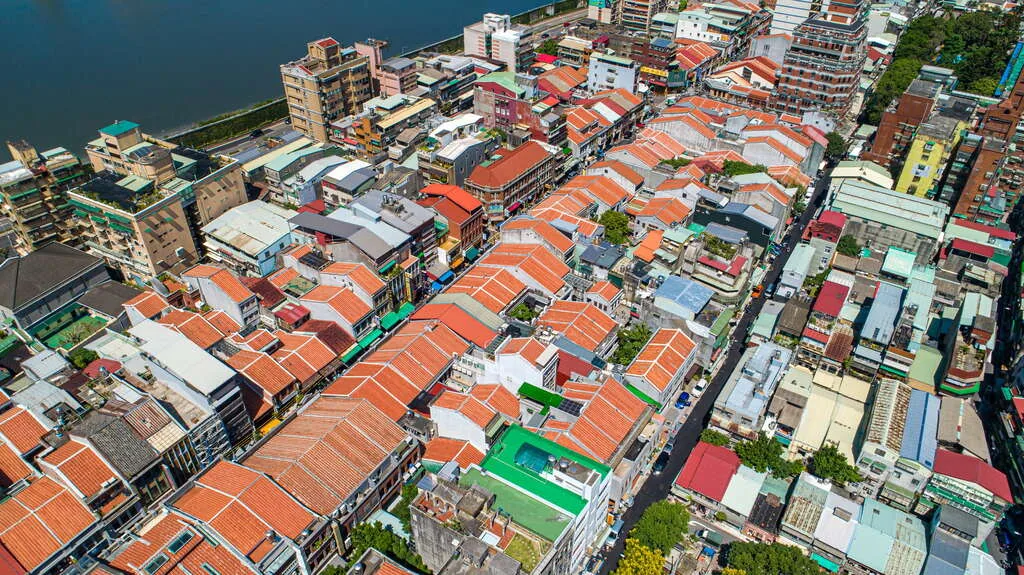
Dadaocheng: 800 Meters, Three Centuries, from Formosa Tea to the First Shot of February 28
Dihua Street is quiet at 5:30 in the morning. The Western-style building of Chen Tian-lai's Jinji Tea Company, opened on Guide Street in 1891, still stands in its original place, and the incense burner at Xia-Hai City God Temple has burned for 167 years. In 1851, several households opened shops here; in 1853, Tong'an people fled here for refuge; in 1869, the first 120,000 catties of Formosa Tea were shipped from Tamsui to New York; in 1885, Liu Mingchuan established Taiwan's first Western-style school here; in 1921, Chiang Wei-shui opened Da'an Hospital in Taipingcho, making it the political starting point of the Taiwan Cultural Association; and at dusk on February 27, 1947, a packet of contraband cigarettes outside Tianma Tea House ignited the February 28 Incident. A place that traded in tea, hosted a Western-style school, and became the site of postwar Taiwan's deepest wound: 800 meters hold three centuries.
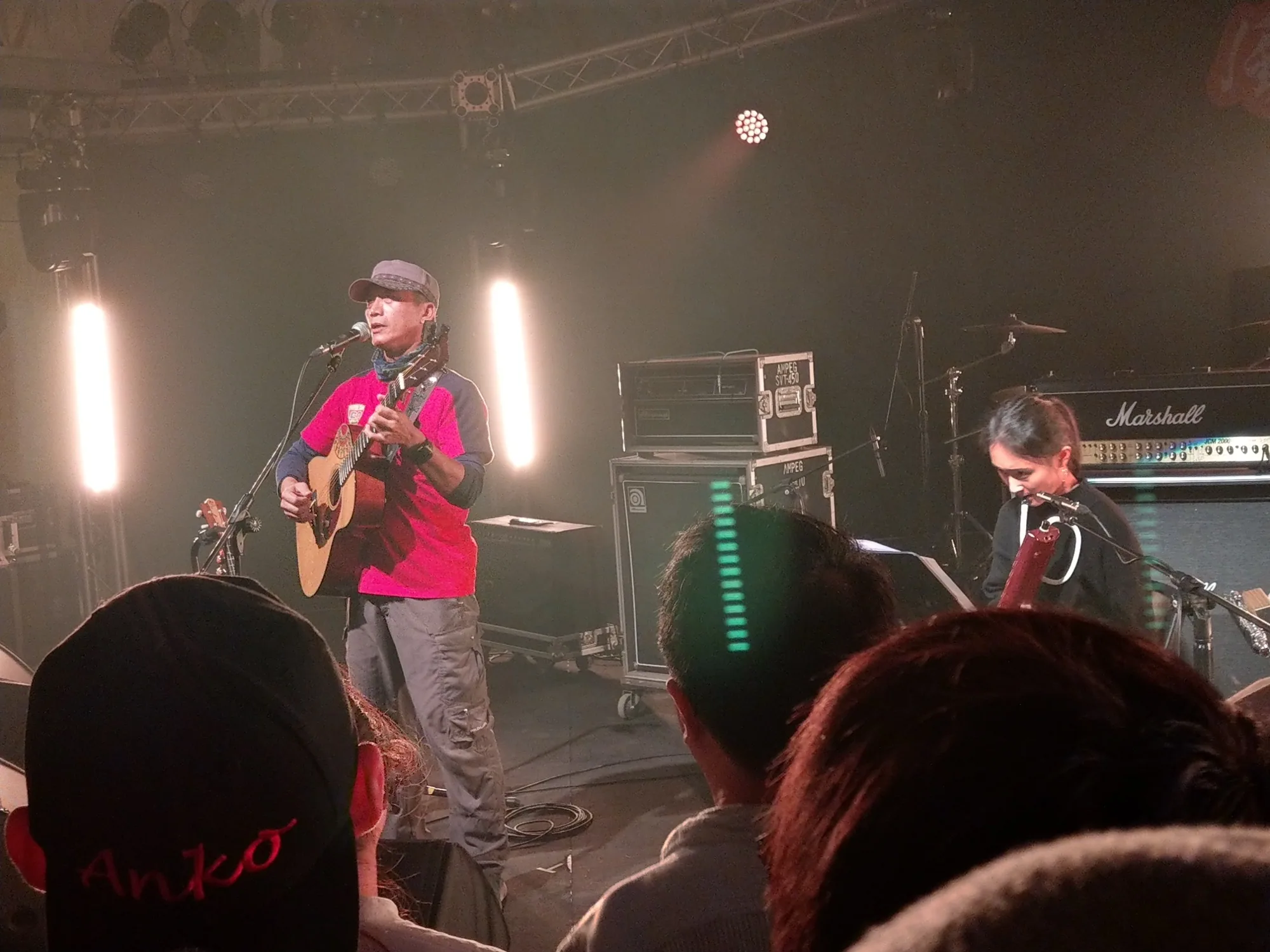
Chen Chien-nien: The Golden Melody King in the Police Station, the Grandfather’s Songs the Grandson Turned into Ocean
Born on August 1, 1967, in the Nanwang community of the Puyuma people in Taitung. After graduating from the police academy in 1986, he was assigned to Guanshan, Taitung, and served in the police force for 30 years and 10 months. In 1999, at age 33, he released his first album of original songs, Ocean. At the 11th Golden Melody Awards in 2000, he defeated Jacky Cheung, Wang Leehom, David Tao, and Harlem Yu to win Best Mandarin Male Vocalist; at the same ceremony, “Myth” also won Best Composer. On the awards stage, he was still a police officer. In September that year, he requested a transfer to Lanyu to avoid the turmoil, and stayed there for 17 years until retirement. His maternal grandfather, Baliwakes Lu Sen-bao, wrote “Beautiful Rice Ears”; it took the grandson thirty years to take hold of that musical line.
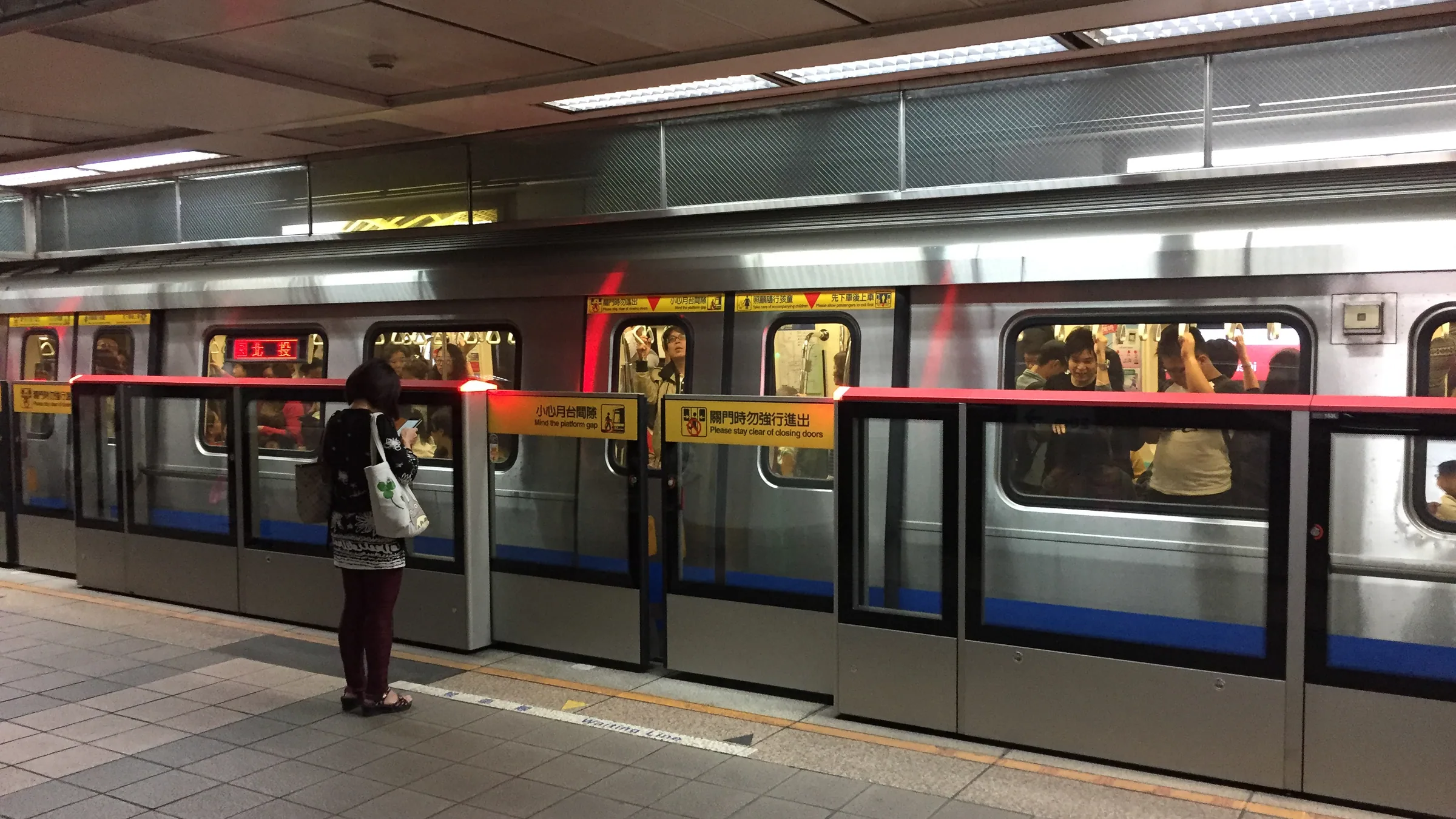
Cai Heipi: The Boy Who Grew Up Memorizing MRT Station Names, Packing Taiwan into 260,000 Subscribers
Born in 2002, Cai Jian-an started with "MRT Trivia" in high school; twelve years later, he stood on the stage of the Golden Road Awards, known as the "Oscars of the Transportation Industry." He changed his name, paused, and started again, handling research, maps, and editing himself—a model of long-termism for Taiwan's knowledge creators.
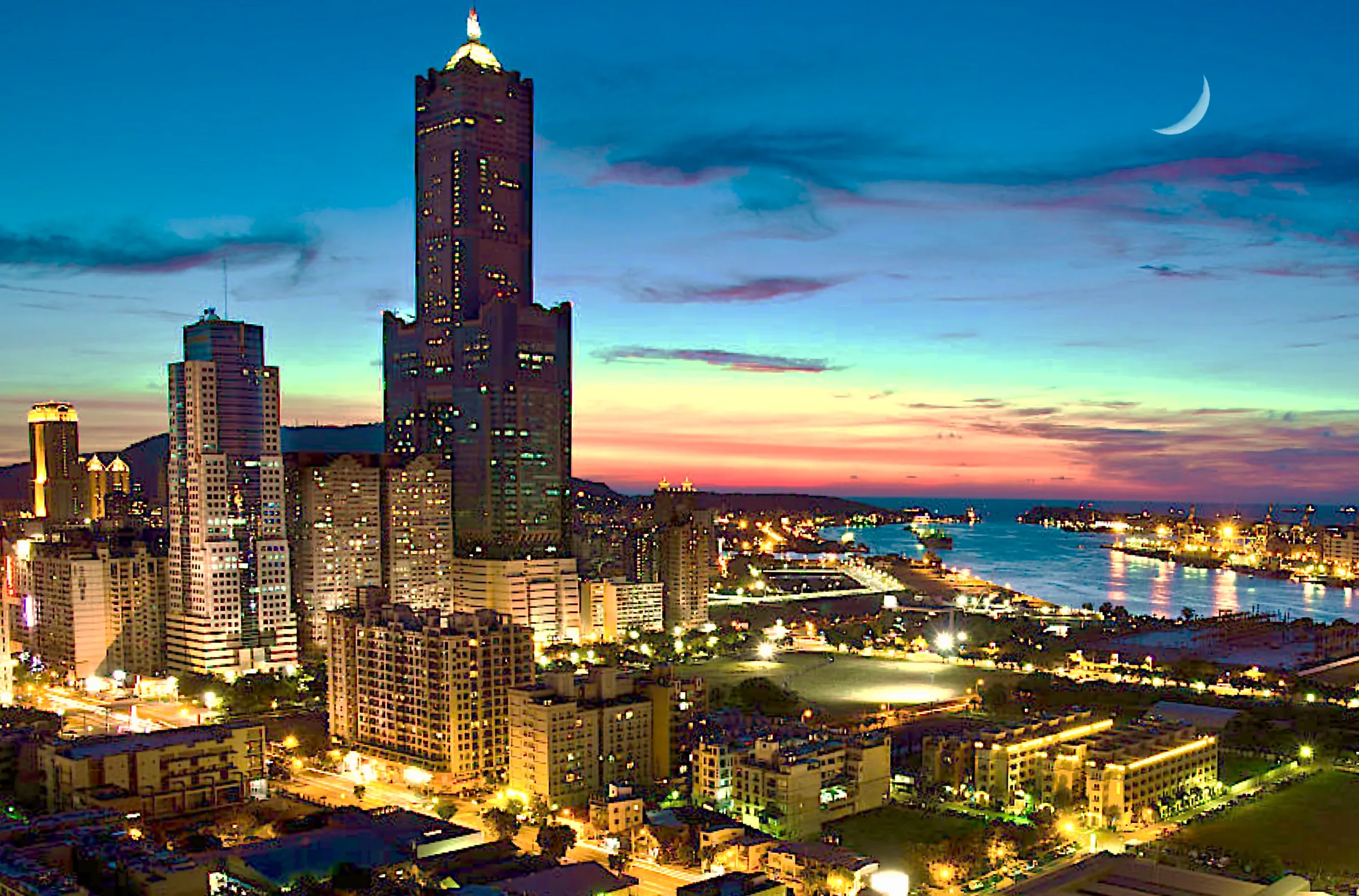
Dan Dan Burger: A Bowl of Mian Xian Geng and a Fast-Food Brand That Never Went North
Founded in 1984 in the Qianjin District of Kaohsiung, Dan Dan Burger places burgers, fried chicken, fries, mian xian geng, and lean pork porridge on the same menu. The brand’s long-term concentration in Kaohsiung, Tainan, and Pingtung means that its “southern-only” status has become the primary lens through which readers understand it. Public records explain its origins and menu, but no single official answer exists for why it never expanded north.
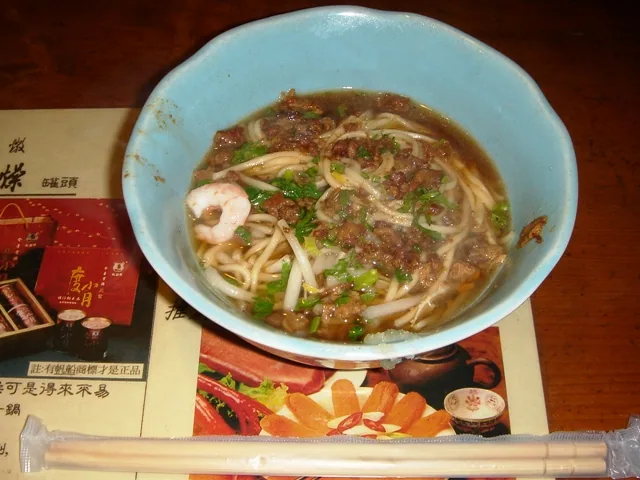
Bánh Mì Dan Zai: How a Noodle Dish Created to Survive the Off-Season Became a Tainan Daily Staple
In 1895, Hong Yutou balanced the livelihood of the fishing off-season on a shoulder pole; over a century later, Dan Zai noodles still preserve the rhythm of Tainan’s port, immigrant, and street food stall life through a small bowl of alkaline noodles, shrimp broth, and minced pork.
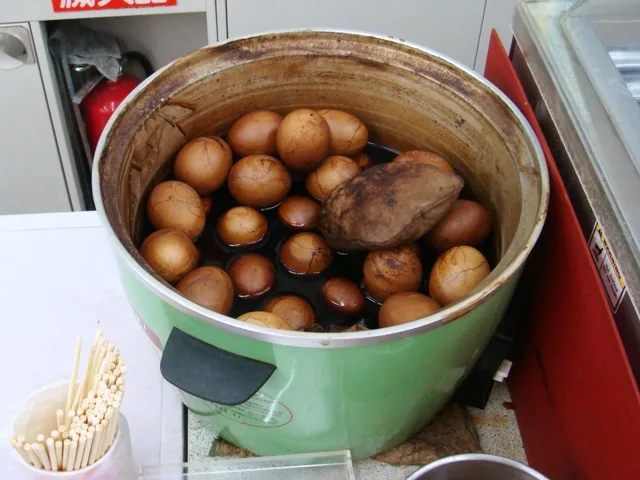
Tea Eggs: How a Cracked Egg Became the Scent of Taiwan’s Convenience Stores
In 1987, Hsu Chung-jen introduced cracked tea eggs to Taiwan’s 7-ELEVEN. While coffee failed to catch on, the tea egg endured. From braising liquid and shell cracks to food safety, this unassuming egg records how Taiwan domesticated foreign retail formats into daily life, bringing the cost and care of affordable food back into view.
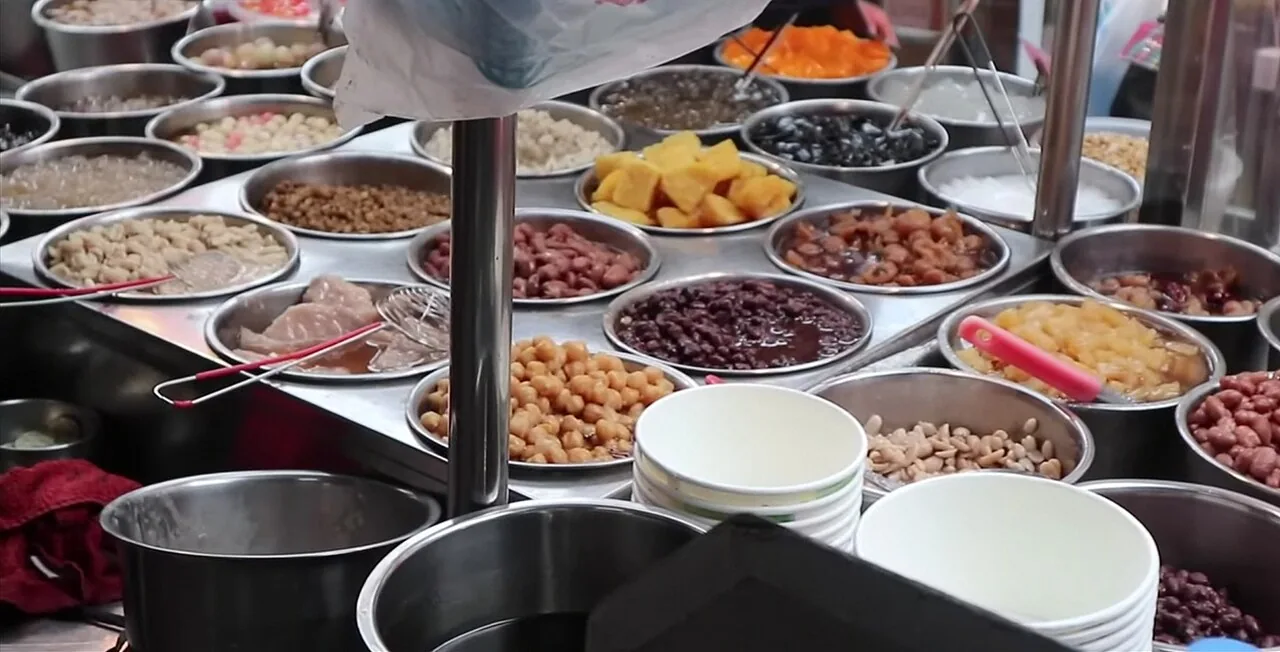
Tofu Pudding: From Tricycle Hawking to a Bowl of Local Soybean Choices
Founded in 1965, Douhua Zhuang began as a street-side pushcart vendor in Xinzhuang before establishing a fixed storefront in Ningxia Night Market. While tofu pudding appears to rely solely on soybeans, water, and coagulants, it condenses the choices of Chaoshan immigrants, local terroir, domestic soybeans, campus food-agriculture education, and the evolution of street commerce into a dessert where every Taiwanese person has their own answer. This article traces the journey from vendor carts and coagulation technology to local shops, asking how a soft food bears the weight of choices regarding origin, price, and heritage.
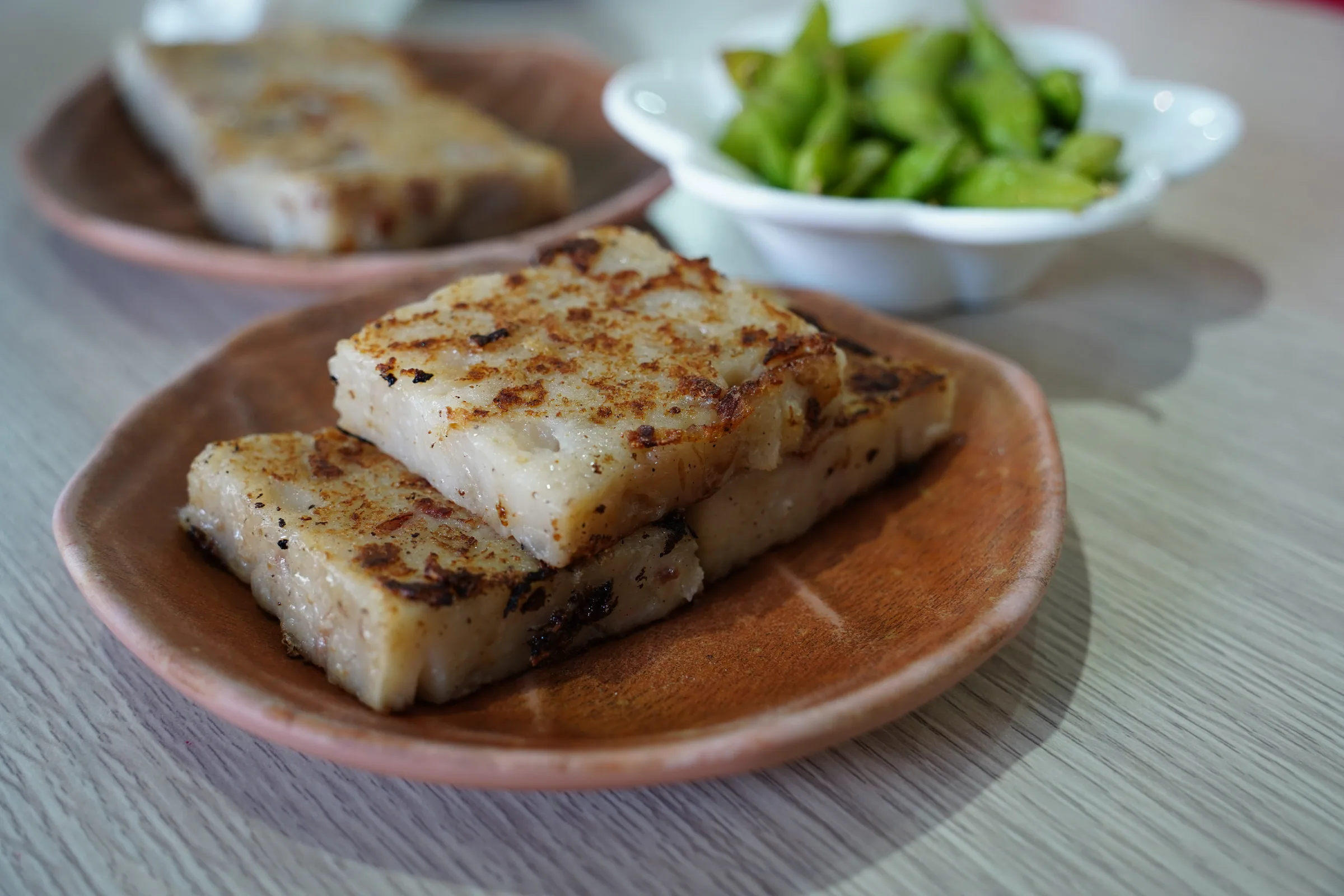
Radish Cake: From Ming Zheng Rituals to Breakfast Memories Under the Big Tree
How a radish cake evolved from a New Year offering to a daily breakfast: the taste of Taiwan where paddy rice, local cake shops, and three centuries of heritage intersect.
Zhongli: Another City Within Taoyuan City — Why Some Say Zhongli Is Not Taoyuan
Administratively a district of Taoyuan City, Zhongli is often treated in daily life as the core of a separate southern Taoyuan city. From Jianzaili and the former Zhongli City of Taoyuan County to the current Zhongli District of a special municipality, fully understanding its history, transportation, campuses, industries, ethnic groups, Laojie Creek, cuisine, and local identity reveals that "Zhongli is different from Taoyuan" is not merely banter, but the result of long-term intersections between administrative names, urban living circles, and the north-south regionalization of Taoyuan.
Wed, September 9
6 articlesTaiwan's Women's Movement: From a Magazine Published During Martial Law to Laws That Reshaped Families and Schools
In 1971, Hsiu-lien Lü proposed "New Feminism"; in 1982, Yuan-chen Lee and others founded *Women's New Knowledge*; and after the 1996 murder of Wan-jui Peng, a night march was launched. All these milestones culminated in the Gender Equality Education Act, the Domestic Violence Prevention Act, and the Employment Equality Act. The history of Taiwan's women's movement is not merely about securing quotas for women, but about transforming harms, caregiving, and labor—originally dismissed as mere "household chores"—into public issues, thereby equipping women with institutional language for recourse in the workplace, family, and schools.

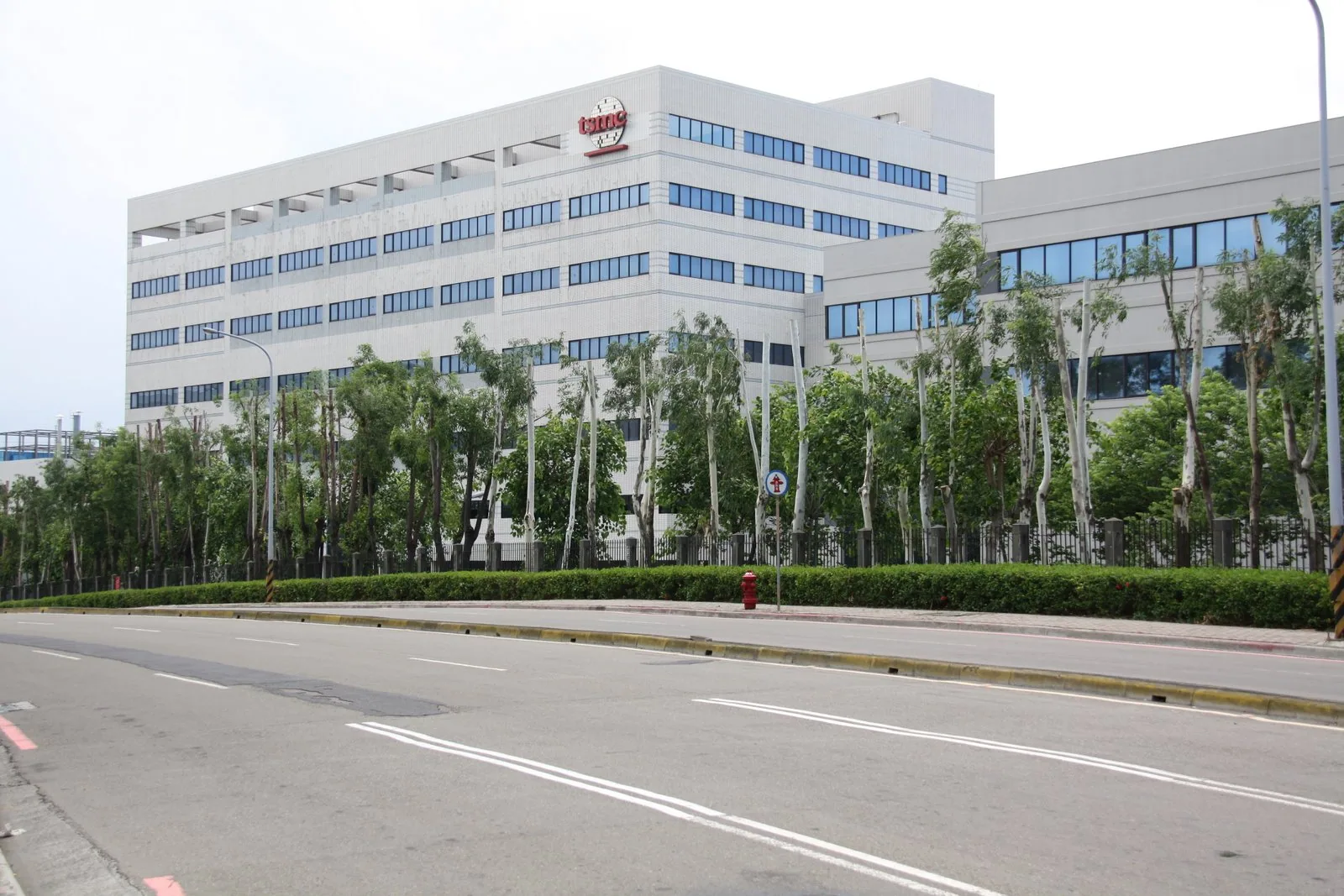
Hsinchu City: The Bamboo Fortress Planted in 1733, the Cradle That Grew TSMC in 1980
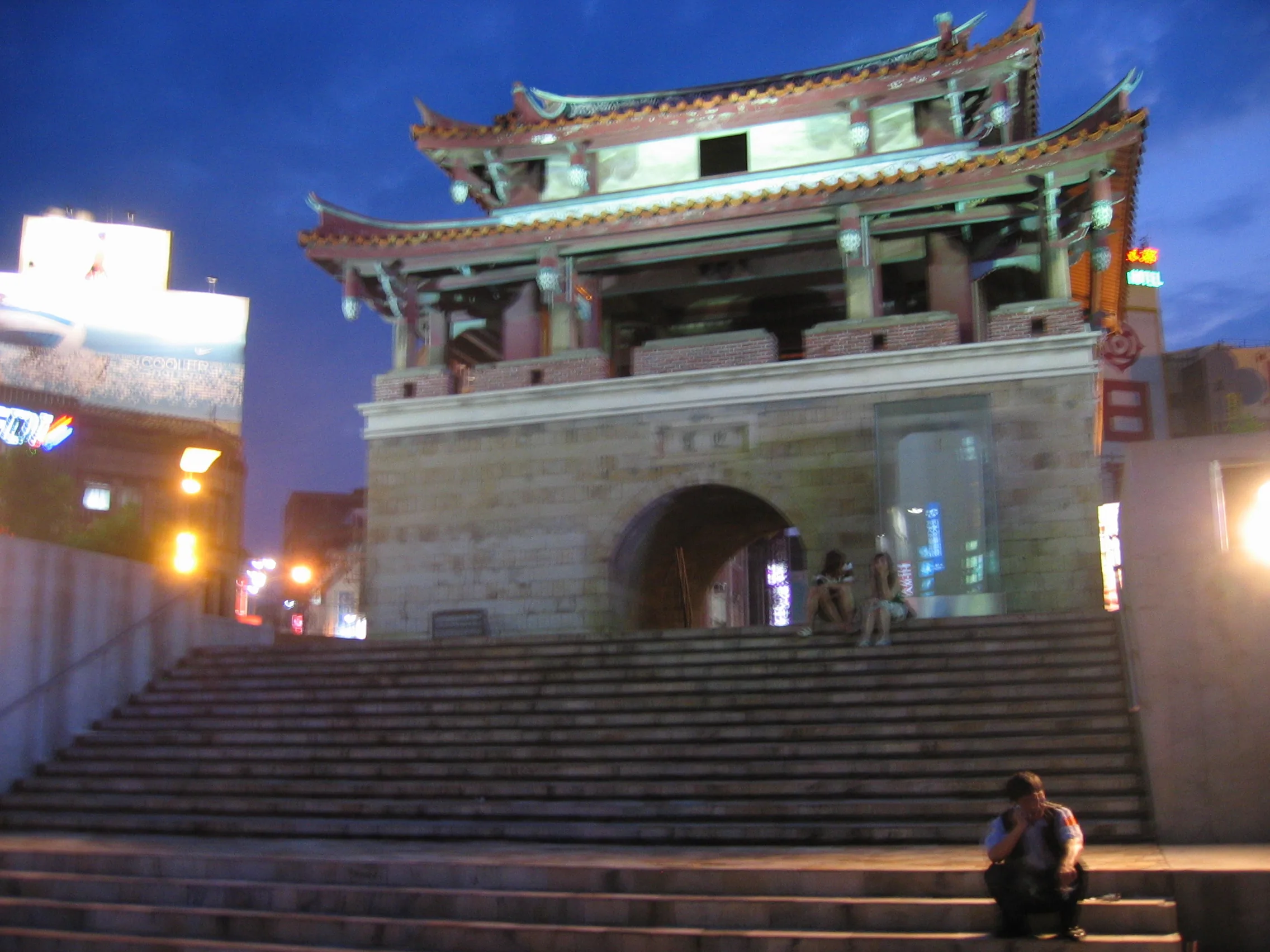
In 1733, the 11th year of the Yongzheng reign, Magistrate Xu Zhimin of the Tamsui Subprefecture planted thorny bamboo all around the settlement, enclosing a circular earthen wall 1,408 meters in circumference. In 1829, the brick-and-stone city was completed; the East Gate, Yingximen (Gate of Greeting the Dawn), still stands beside its moat today. 247 years later, on December 15, 1980, Chiang Ching-kuo cut the red ribbon for Taiwan's first science park, just 5 kilometers from Yingximen. Between 1953 and 1974, 148 members of the Black Bat Squadron took off from this Wind City to conduct reconnaissance over mainland China and never came back. A provincial city of 450,000 people that held the Cold War front line, the earliest Han-built city in northern Taiwan, two top universities, and the starting point of 90% of the world's advanced semiconductor chips. The nickname 'Wind City' sounds literary, but every industry in this city is connected to the wind.
Jade Mountain Meteorological Station: The Solitary Sentinel at 3,858 Meters
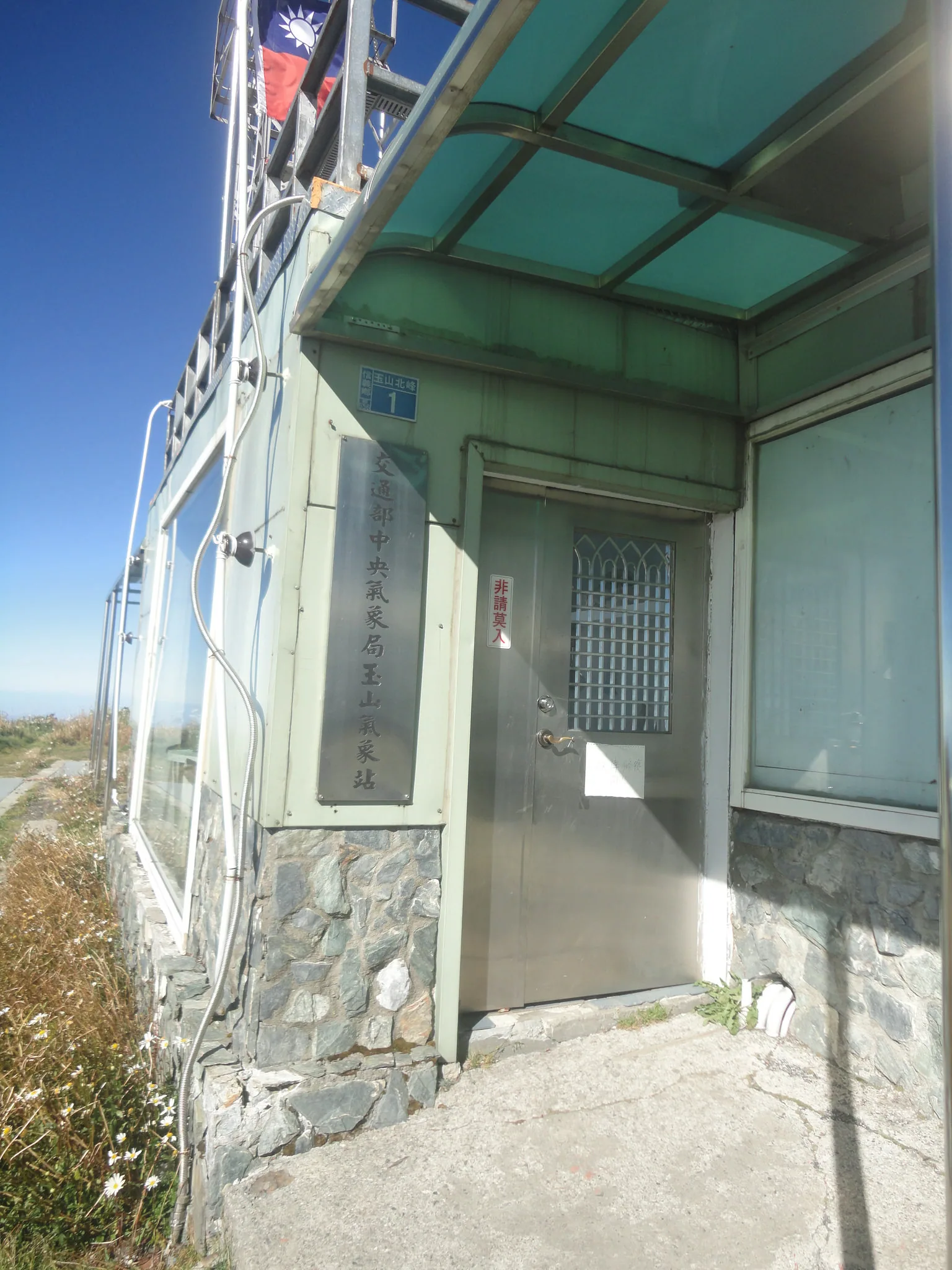
Perched at 3,858 meters on Jade Mountain's North Peak, this meteorological station is the highest-altitude weather and administrative agency in Northeast Asia. Amidst extreme weather and lightning threats, generations of observers have guarded Taiwan's first-hand meteorological pulse through solitude and unwavering dedication.
Threads in Taiwan: From 'I Eat a Little' to an Egyptian Student ID, How a Feed Became a Digital Night Market
At the end of 2025, a National Taiwan University student ID found near the Sphinx in Egypt was turned into a cross-border search on Threads; in the same feed, food photos from Japanese and Korean travelers attracted the 'Hello, I eat a little' cat. Taiwan's 'crispy' nature squeezes spam, mutual aid, memes, and public discussion together, allowing strangers to briefly sit at the same table and relay stories further.
Wei Te-sheng: Yongkang 1969, the Taiwanese Epic Filmmaker from Cape No. 7's Record-Breaking Box Office to the Venice Main Competition
Born August 16, 1969, in Yongkang Township, Tainan County (now Yongkang District, Tainan City). Graduated from the Department of Electrical Engineering at Far East Junior College (now Far East University of Science and Technology). In 2008, Cape No. 7 grossed approximately NT$530 million (a Taiwanese box office record). In 2011, Seediq Bala was selected for the main competition of the 68th Venice International Film Festival, competing for the Golden Lion, and won Best Feature Film at the 48th Golden Horse Awards. Currently preparing the Taiwan Trilogy epic project.
Xiao Qing-Yang
Grammy Award winner for Best Recording Package, nominated seven times before finally winning with a father-daughter collaboration, a representative figure of Taiwan design on the world stage
Mon, September 7
6 articlesHandmade Taiwanese Cuisine
From Neimen's total-pu-shi density to the human warmth of caiwei tang — Taiwan's roadside banquet culture at its heart
Taiwan Regional Street Food Map: Flavor Codes in Migrant Blood
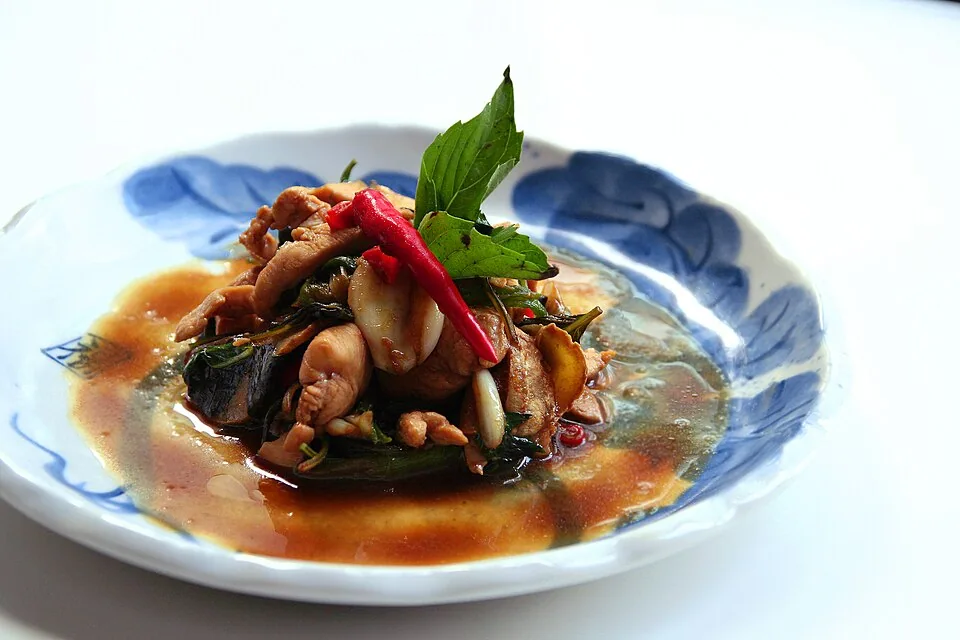
A bowl of Keelung ding-bian-cu chronicles the wandering of Fujian fishermen; a Changhua ba-wan witnesses Qing Dynasty settlers innovation. 22 counties, 22 survival wisdoms—Taiwan regional food is not just cuisine, its a migration history carved into the land.
The Golden Horse Hotel Contemporary Art Museum: From Farewell Station to Artistic Paradise
A Cold War military station that witnessed farewells and reunions, awakened after twenty years of slumber by a father and daughter, and is now a top recommendation from Lonely Planet in Kaohsiung.
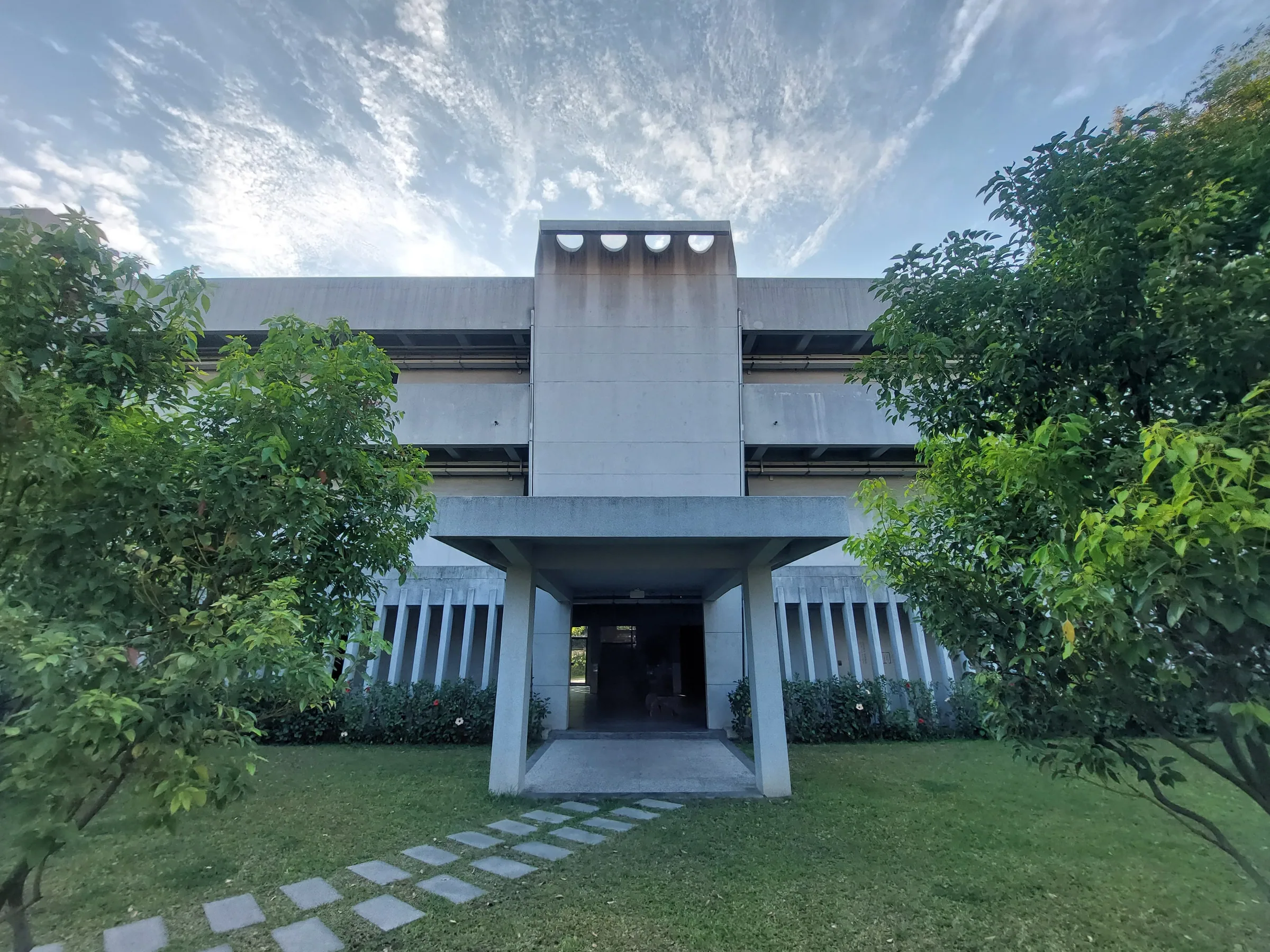
Taiwan Folk Music and Songs: From Cultural Theft to Global Recognition
In 1996, the Atlanta Olympics opening ceremony carried the ancient chant of an Amis elder from Taiwan — but Kuo Ying-nan only learned he had been heard by 65 million people two years later, through a lawsuit. This absurd story mirrors the fate of Taiwan's folk music: silenced repeatedly under colonialism, yet always finding its way back to the world's ears.
Taiwan Hot Springs and Geothermal Energy
From a failed geothermal plant to the world's only Hokutolite mineral: How one island turned underground fire into healing and green electricity
Taiwan's Energy Transition and Green Energy Industries
From reliance on nuclear power to a diversified renewable mix, how Taiwan is reshaping its energy structure on the road to net zero by 2050
Sat, September 5
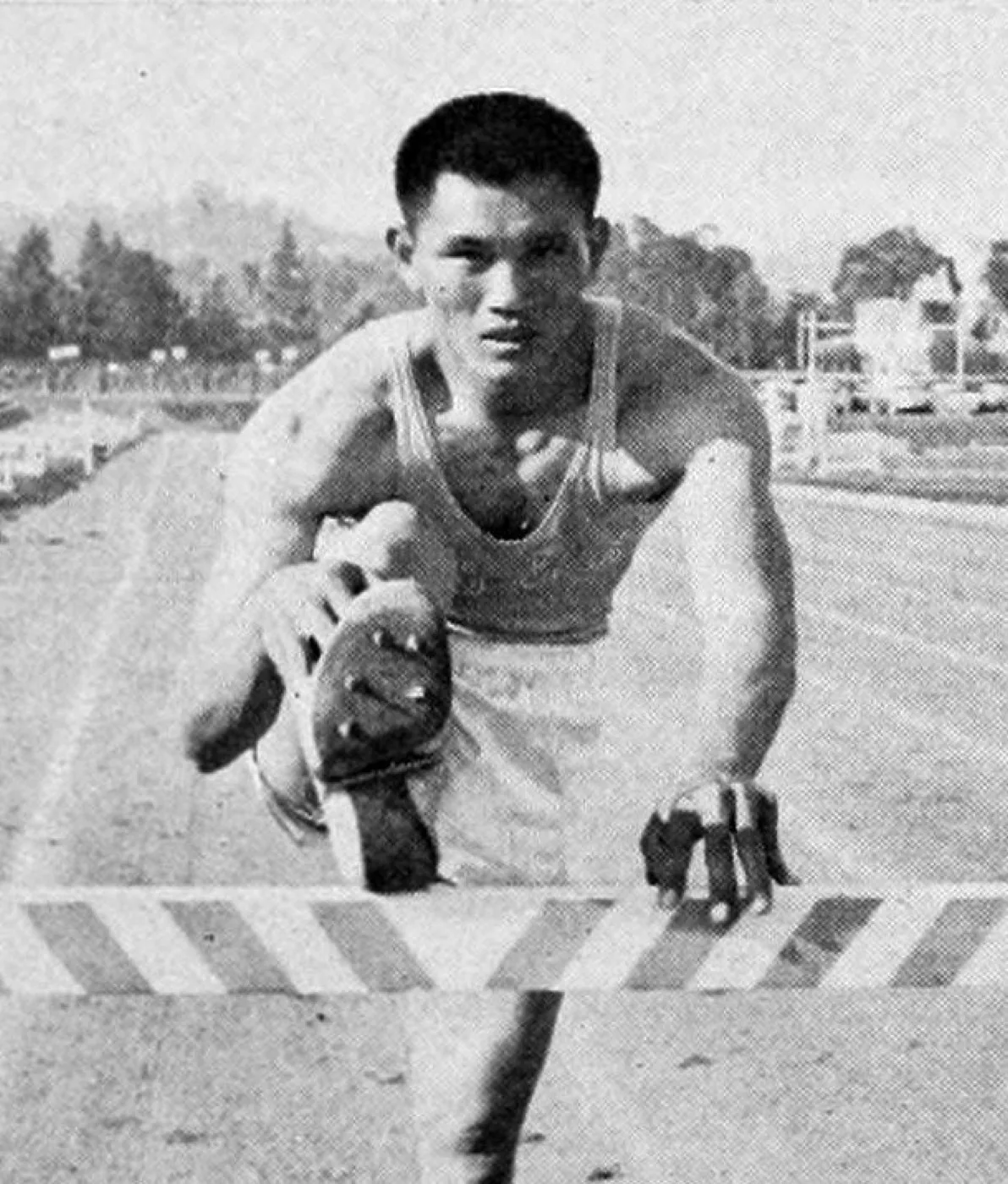
5 articlesYang Chuan-kwang: Taitung Tribal Community, Rome Silver Medal, and the Asian Iron Man Who Forced the IAAF to Rewrite Its Rules
Born July 10, 1933, in the Malan Amis tribal community of Taitung, Yang Chuan-kwang was Taiwan's first Olympic medalist. He won silver in the decathlon at the 1960 Rome Olympics with 8,334 points. In 1963 he broke the world record with 9,121 points, and his pole vault of 4.83 meters forced the International Amateur Athletic Federation (IAAF) to revise its scoring standards. He died of a stroke in California, United States, on January 27, 2007, at age 73. In April 2025, he was designated a national treasure by the Ministry of Culture.
Taiwan Baseball Culture
From the Legend of the Red Leaf Little League to the Tears and Sweat of the CPBL — How Baseball Became Taiwan's "National Sport"
Chou Tien-chen: Taiwan’s Badminton Pioneer and World No. 2 Veteran
Overcoming a 10-match losing streak, appendicitis, and cancer, Chou Tien-chen reached world No. 2, elevating Taiwanese badminton through unmatched rally discipline.
Wang Chi-lin and Lee Yang (The Lin-Yang Duo)
From middle school classmates to Olympic gold: The Lin-Yang Duo defeated China in straight sets within 34 minutes, winning Taiwan's first-ever Olympic gold medal in badminton
Bowling: From US Military Clubs to Six Gold Medals at the Bangkok Asian Games—The Rise, Fall, and Afterglow of Taiwan's UFO Ball
In the 1990s, bowling was Taiwan's most craze-inducing national sport. Using the self-invented "UFO Ball" technique, Taiwan swept six gold medals at the 1998 Bangkok Asian Games, with bowling alleys across Taiwan once exceeding 600 locations and daily revenues reaching 300,000 TWD.
Mon, August 31
3 articlesAudrey Tang: Every Famous Decision She Made Was a Refusal of the “Genius” Label
Kicked unconscious by classmates at eight, turning down a guaranteed place at Taipei Municipal Jianguo High School at fourteen, coming out as transgender at twenty-four while refusing to become its spokesperson, and making “no office” the first condition of joining the cabinet at thirty-five. On December 2, 2025, she accepted the Right Livelihood Award in Stockholm — and the word she stressed on stage was not “I,” but “we.”
Charles Le Gendre: The Treaty-Maker and the Traitor Were the Same Man
In 1867, the American merchant ship Rover wrecked off the Hengchun Peninsula, and 14 crew members were killed by the Paiwan people. U.S. Consul Le Gendre made eight trips to Taiwan, signing an agreement with indigenous chief Tauketok without the participation of the Qing government. He then took his encyclopedic knowledge of Formosa and defected to the Japanese government. Five years later, Japan used his intelligence to launch a military expedition against Taiwan.
Bi-khim Hsiao
Born in Japan, schooled in Tainan, raised in New Jersey, and educated at Oberlin — how did this “Cat Warrior” become the most successful Representative to the United States in the history of Taiwan, and then take the vice president’s seat?
Tue, August 25
5 articlesTaiwan’s Drone Industry: Thunder Tiger and the Pentagon Blue UAS List
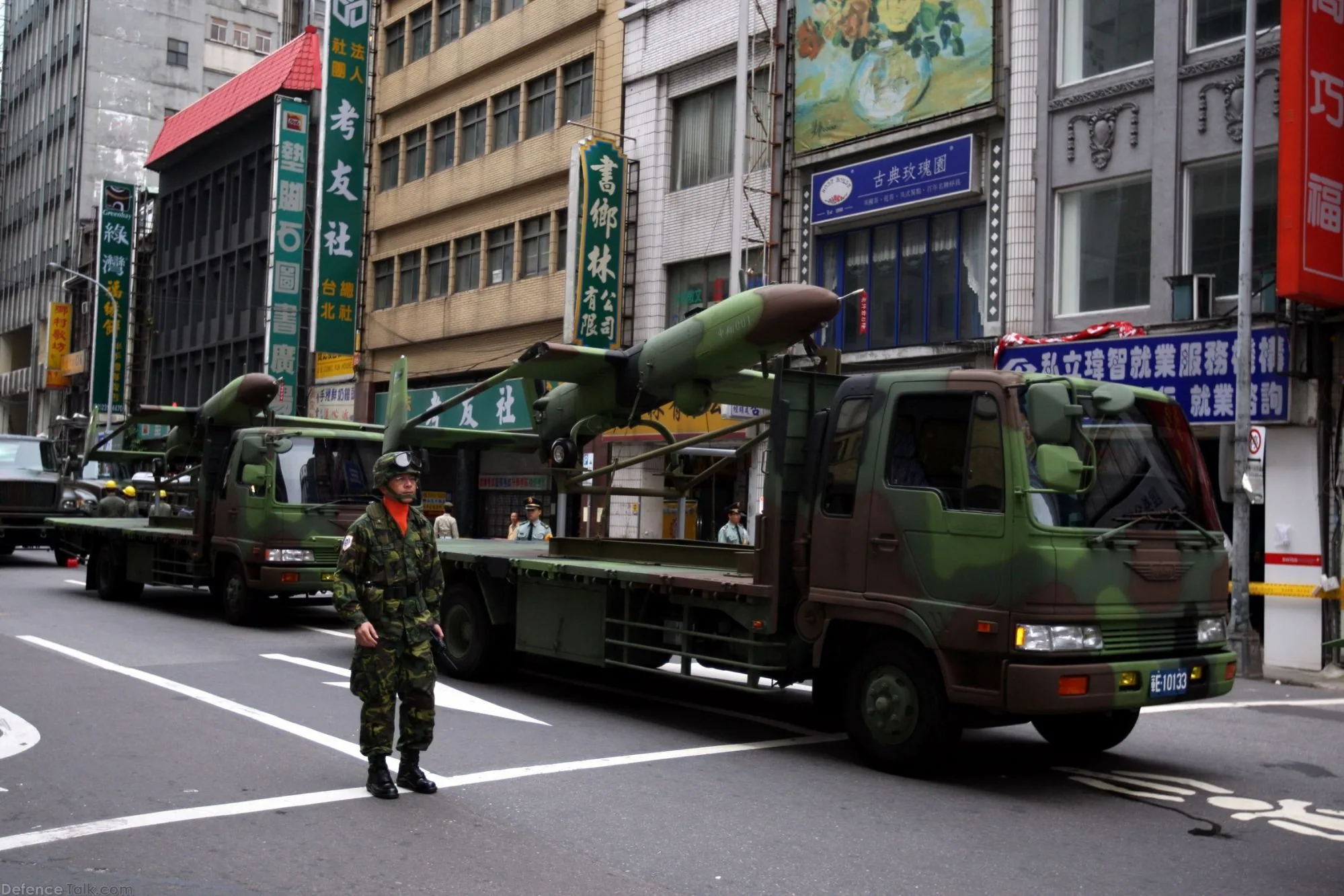
How a 46-year-old Taichung model plane maker became Taiwan’s sole supplier on the Pentagon Blue UAS list, anchoring Taiwan in the non-red defense supply chain.
C. C. Wei: From Texas Instruments Engineer to TSMC Chairman and CEO
From Texas Instruments engineer to Morris Chang’s successor, C. C. Wei steered TSMC into 2nm and global expansion, becoming Taiwan’s foremost semiconductor leader.
Chen Chih-chung: Political Rise, Legal Battles, and Digital Reinvention
From first family heir to top Kaohsiung councilor, Chen Chih-chung weathered decade-long scandals and election bans before finding a second voice on social media.
Takeshi Kaneshiro: The Pan-Asian Screen Icon Who Mastered the Art of Disappearing
From a Taipei commercial actor at seventeen to Wong Kar-wai’s muse and Asia’s heartthrob, Takeshi Kaneshiro spent his career perfecting the art of disappearing.
ASUS (ASUSTeK): How a Taiwanese Motherboard Pioneer Built a Global PC Giant
Founded in Taipei in 1989 by four engineers, ASUS evolved from a local motherboard maker into Taiwan’s premier global PC and gaming brand with NT$600B revenue.
Fri, July 31
2 articlesShopping Design: A Magazine That Teaches You to Curate Design, Ultimately Asking You to Judge Itself
Launched in 2006 with a white-themed first issue, Shopping Design has spent two decades turning 'design' from an exhibition-bound noun into a daily verb for browsing and selecting goods. What it truly taught Taiwan is that 'discernment' can be cultivated as a skill—and it expanded this skill into an annual Top 100 list, a quarterly magazine, a carnival, and even onto its parent company's single 'magazine publishing + advertising services' license. Thus, this magazine that teaches you to discern ultimately asks you to discern itself.

The Delivery-Specific Law: The Legal Floor Is Laid, But Above It Still Rules the Algorithm
At 12:00 AM on July 21, 2026, Taiwan's first delivery-specific law took effect: a minimum of NT$45 per order. On that day, one rider received two orders—one 4.4 km and another 8.6 km—both paying only NT$90. From the deaths of two riders during the National Day holiday in 2019 to these 28 articles took six years. The law deliberately avoids answering whether they are employees and does not touch the dispatch algorithm that truly determines income; even a week after implementation, there was no answer on how many local inspectors were deployed or if fines would be issued.
Thu, July 30
15 articlesNational Human Rights Museum: The Names Not Written on the Tearful Monument
On International Human Rights Day in 1999, Lee Teng-hui personally unveiled the Tearful Monument on Green Island. Bo Yang wrote 28 characters that captured all mothers' long nights of weeping, yet did not write a single perpetrator's name. Six years of preparation, an unveiling in 2018, and a frozen budget in 2025. A museum built by the state itself to commemorate what the state itself had done. In the 39 years since martial law was lifted, not one perpetrator has faced judicial trial.
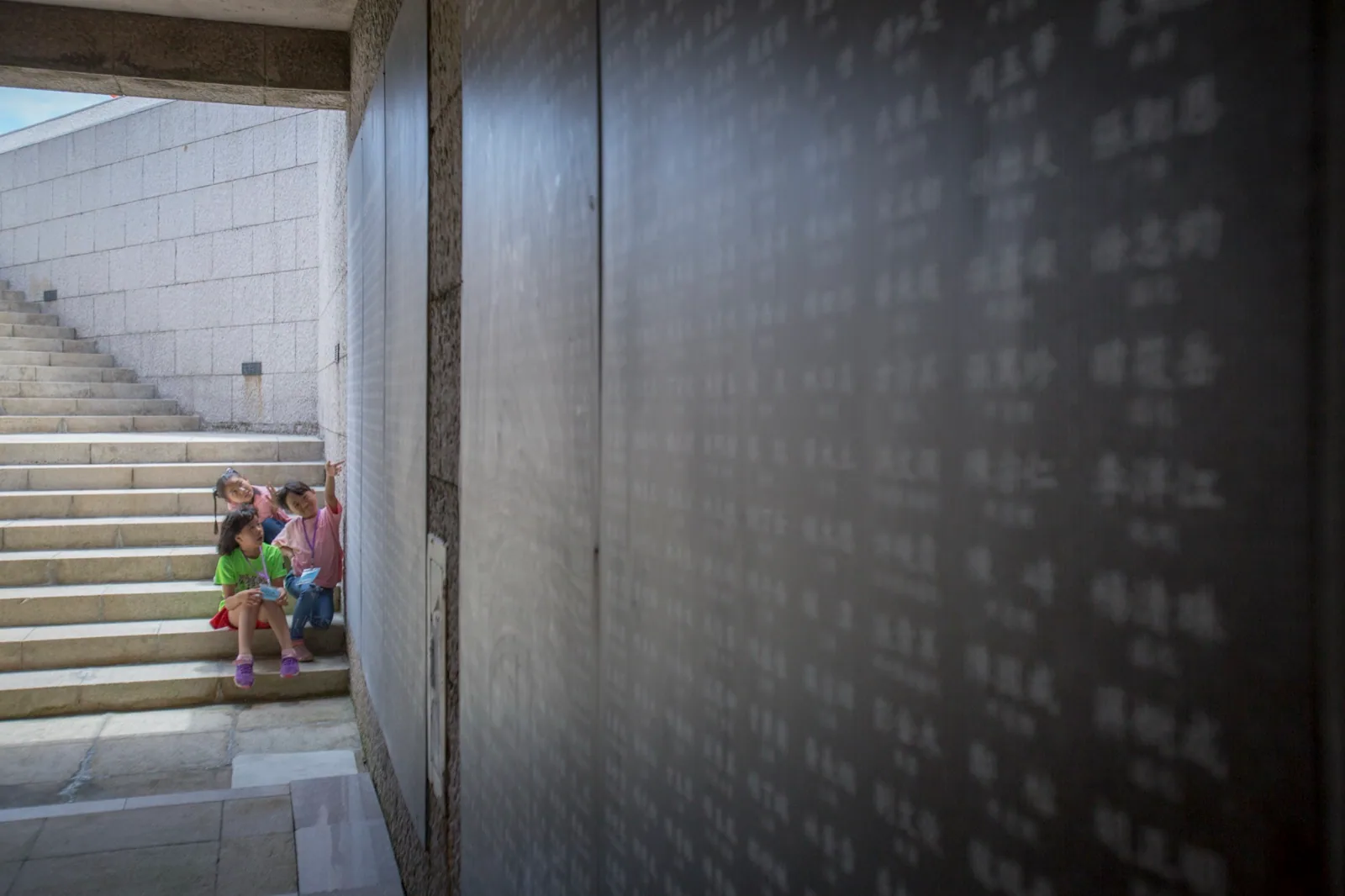
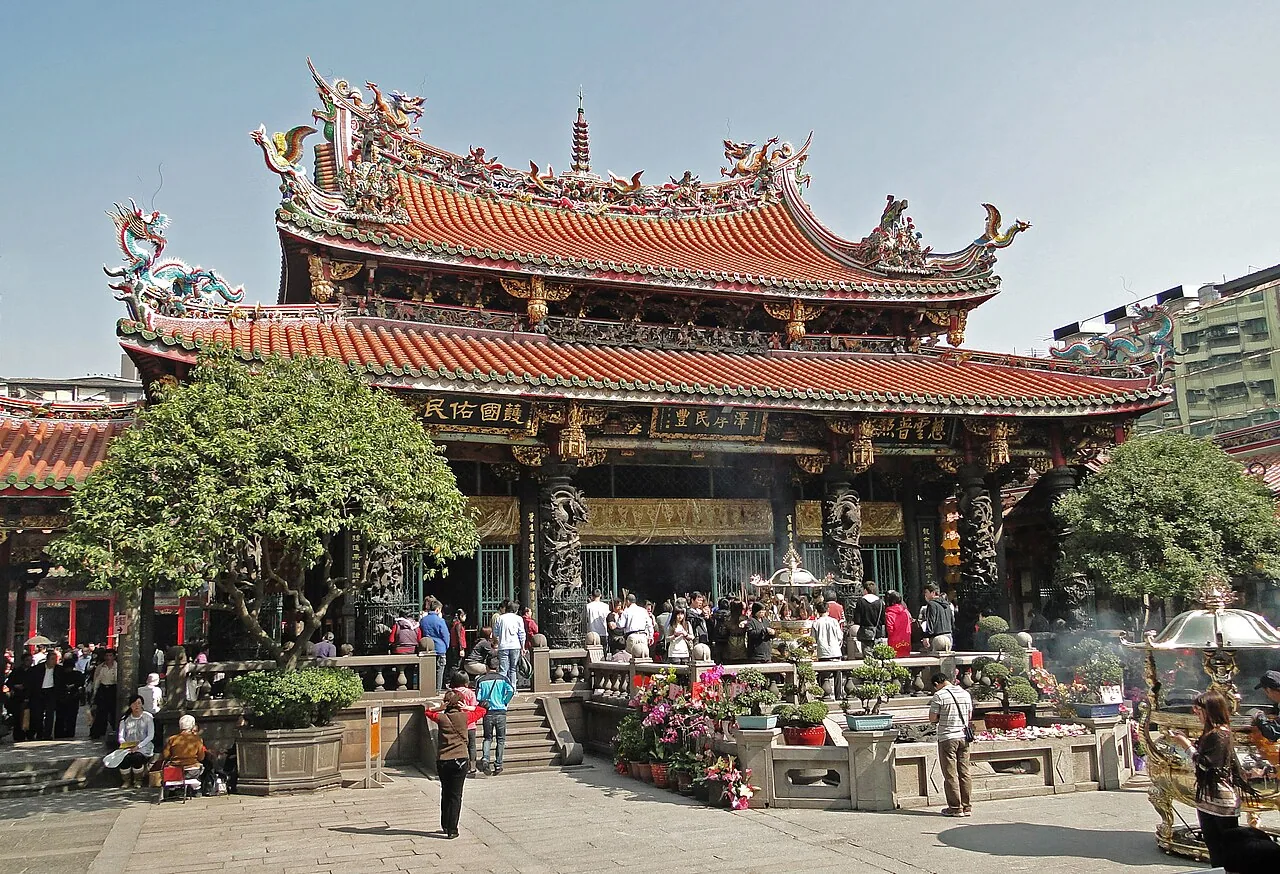
Bangka: Qing-Era Taipei’s Busiest Place, Now the District with Taipei’s Oldest Average Age
Bangka Longshan Temple was jointly built in 1738 by migrants from the three Quanzhou counties; by 2026 it is 288 years old, 137 years older than the Qing court’s Taipei Prefecture. The 1853 Ding-Xia Jiao Conflict pushed the Tong’an people into Dadaocheng, planting the divergence that would shape northern Taiwan for two centuries. Renamed Wanhua under Japanese rule, made a district in 1990, and turned into the setting of Doze Niu’s 2010 film Monga, it now has an aging index of 320.78%, the highest in the city. On Taipei’s earliest street, the first incense stick in the temple forecourt is still burning at six in the morning.
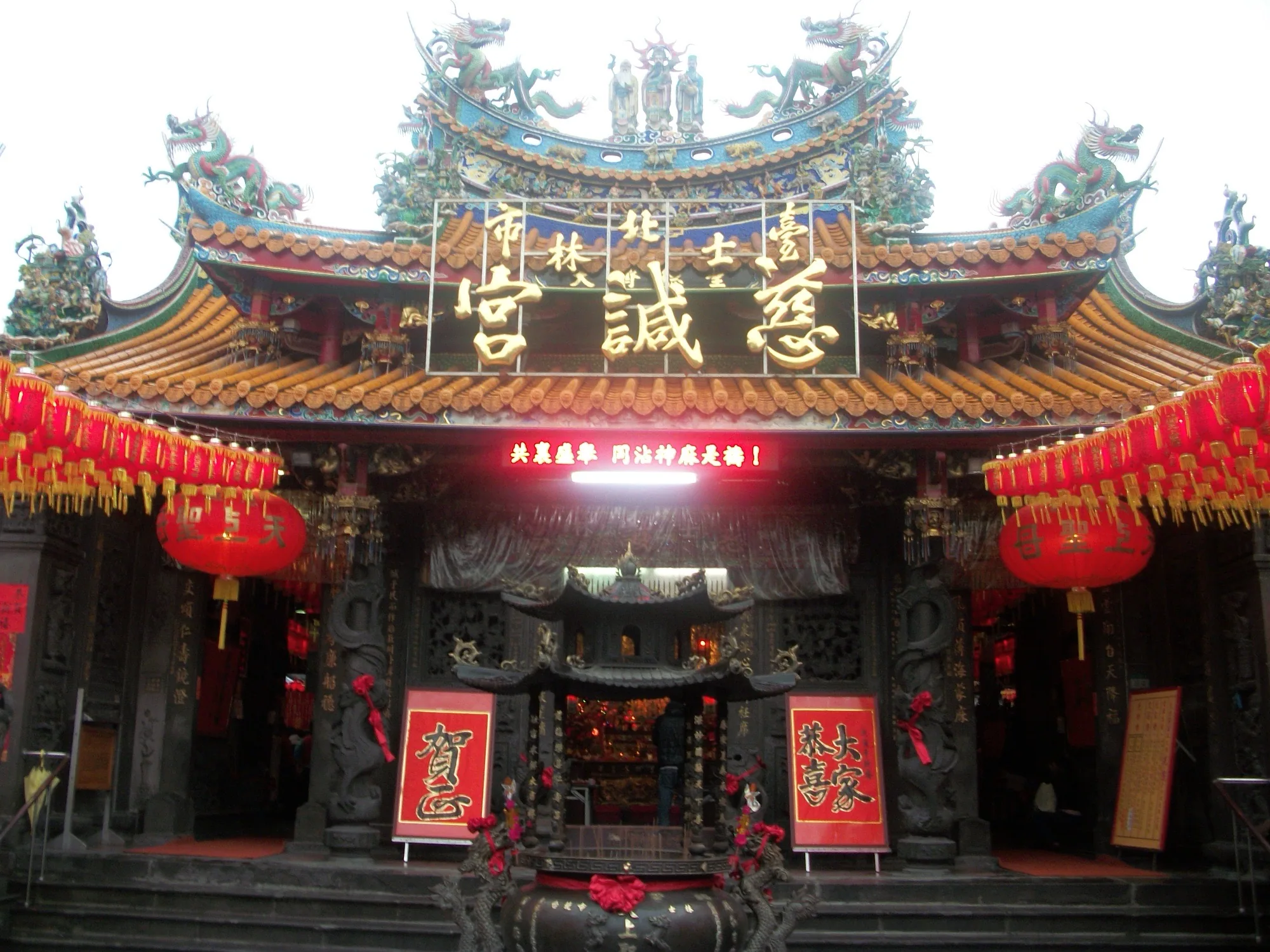
Shilin: Ketagalan Land, a Temple from the Zhangzhou-Quanzhou Feuds, and Now Taipei's Most Crowded Night Market Every Night
At 7:30 p.m., Korean tourists at the entrance to Shilin Night Market hold up giant fried chicken cutlets for selfies, while beside them Cixian Temple at No. 84 Danan Road has stood from 1796, the first year of the Jiaqing reign, to 2026, when it turns 230. In 1859, the ninth year of the Xianfeng reign, Zhangzhou people were burned out of this street by Quanzhou people. In 1860, the gengshen year, Pan Yongqing laid out four squared-off streets in Xiashulin: Dadong Road, Danan Road, Daxi Road, and Dabei Road, placing the temple at the exact center. In 1909, the Japanese built a market opposite the temple; in 1955, Yangming Theater was completed on Wenlin Road; in 1992, Hot-Star Large Fried Chicken was invented in Taichung and entered Shilin in 1999. The postwar-added sheds were demolished in 2002; the new market opened in 2011; the underground food court has two shifts of people from morning to night. The temple is still in its original place, but at its feet two cities take turns every day.
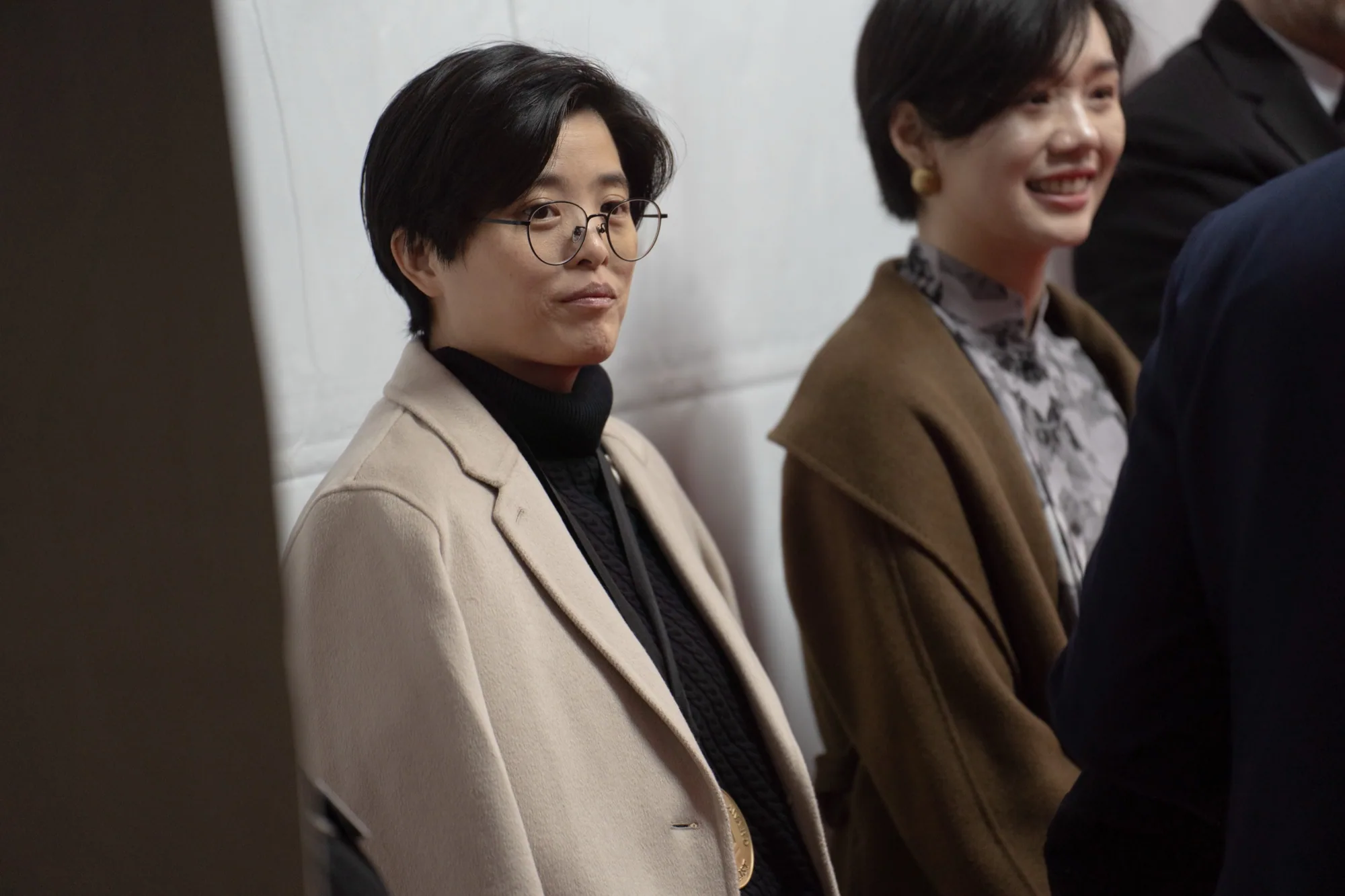
Taiwan Travelogue: A Book 'Translated by Her Younger Sister,' from SpringHill to the London Prize Stage
On the day her younger sister Yang Jo-hui died in June 2015, Yang Jo-tzu opened the account books she had left behind and began keeping records, taking three days to decipher the code of check marks and circles. Five years later, SpringHill Publishing released Taiwan Travelogue under the byline 'written by Chizuko Aoyama, translated by Yang Shuang-zi' - the translator's name was that of her deceased sister. From the 2024 National Book Awards in New York to the 2026 Booker Prize in London, she translated a nonexistent book in her sister's name.
The Daan River Heaven Sword: East Asia's Tallest Tree Hid for Seven Hundred Years in a Place We Could Not Reach
During the 2023 Lunar New Year, the Tree Finder team spent seven days tracing the Daan River upstream. In a deep valley near its headwaters, a place almost no one can reach, they lowered a tape measure from the crown of a Taiwania tree: 84.1 meters, the tallest tree in East Asia. It was 4.6 meters taller than LiDAR had predicted. On a country swept by typhoons every year, where slopes collapse and floods surge, life of this height should not, in theory, still exist. Yet precisely because it grew in a valley humans could not reach, it escaped the era of large-scale logging and survived for seven hundred years. The same inaccessibility that kept it alive also meant that only after scanning all of Taiwan with lasers did we see it for the first time that year.
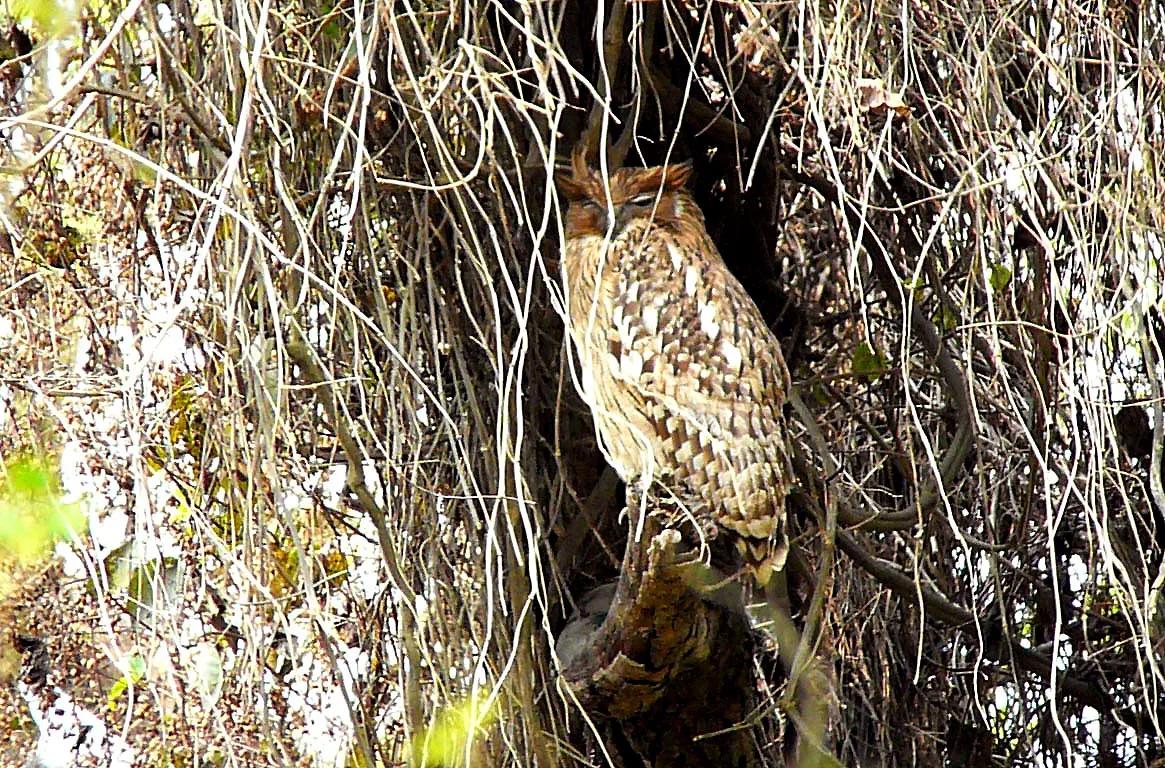
Tawny Fish Owl: One Pair per Six Kilometers of Stream, a Nocturnal Raptor in a 1,800-Meter Michelia Tree
In April 2026, National Pingtung University of Science and Technology assistant professor Hung Hsiao-yu located Taiwan's highest known Tawny Fish Owl nest in a tree hollow of a Michelia compressa with a diameter at breast height of about 1.5 meters beside Qijiawan Creek, at roughly 1,800 meters above sea level. Taiwan's largest owl was first recorded only in 1916 by the Japanese scholar Nagamichi Kuroda. Sun Yuan-hsun's laboratory at National Pingtung University of Science and Technology has followed it for thirty years; across 91 territories, each pair needs an average of 6.2 kilometers of stream. A stretch of stream not yet poured in concrete, a giant tree not yet fallen: the Tawny Fish Owl lives in the narrow space where two things in Taiwan's mountain forests have not yet disappeared.
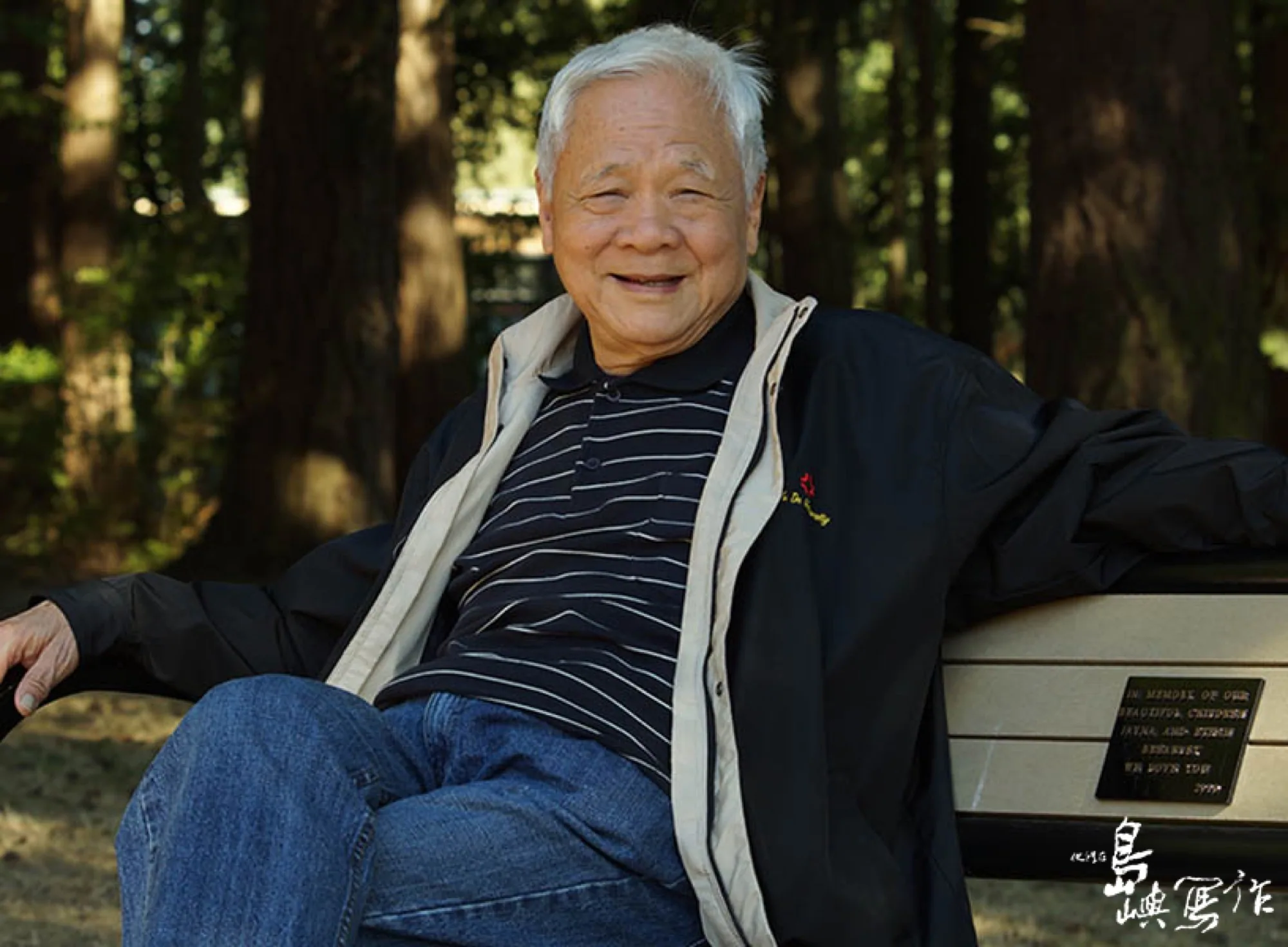
Ya Hsien: Ceasing Poetry After "The Abyss," Spending His Latter Life as a Pillar of Literary History in the United Daily News Supplement
In 1968, at age 36, Ya Hsien stopped writing after compiling ninety poems into his collection *The Abyss*. From 1977 to 1998, he served as editor-in-chief of the *United Daily News* (UDN) Supplement for 21 years, transforming the editorial desk into Taiwan's most important post-war literary public space. He passed away in Vancouver, Canada, on October 11, 2024, at age 92—his 56-year silence after ceasing publication proved longer than a thousand volumes of poetry; his refrain "Hallelujah, I am still alive" became an obscure, poetic symbol that evaded censorship during the Martial Law era.
National Housing and Housing Justice: The Cheap Homes Built by the Government, and Whose Asset Escalator They Ultimately Created
In 1985, Chenggong National Housing cost NT$67,000 per ping and still had no buyers; an old borough chief scraped together a NT$400,000 down payment and bought a unit. Forty years later, the same address is nearing NT$1 million per ping. National Housing was supposed to be a tool to help people afford homes, but it was never fitted with a gate to recapture appreciation. Public subsidy ultimately became private assets for early buyers. In 2026, Taoyuan put that gate back in, effectively admitting National Housing’s mistake.
Taiwan's Sports Development and the Olympics: A Team Called “Chinese Taipei”
In Montreal in 1976, Canada demanded a name change to “Taiwan,” and Chiang Ching-kuo treated it as a national humiliation and withdrew the team. In Paris in 2024, on the night the “Lee-Yang” pair defended their men’s doubles title, the whole arena sang the National Flag Anthem lyrics beneath the plum blossom flag. From the “Taiwan” that could not enter to a world beginning to call the team Taiwan, every generation of gold medalists has carried the weight of this cap called “Chinese Taipei.”
The Reporter: Ten Years of Turning Investigative Journalism from a Line of Business into a Public Good
From 4 recurring donors to 8,000 each month, from the Blood-Stained Fishing Grounds trilogy to the 2026 united-front special report, the costs The Reporter has burned through over a decade--eight months undercover, reporting across three countries, comparing years of violation records--are exactly the things people least want to pay to read in the algorithmic age. Taiwan's civil society, through monthly deductions from strangers' accounts, has rescued investigative journalism from a line of business in commercial media and turned it into a public good that is constantly being sustained, even as it burns through resources ever faster.

Taiwan's Top 50 Companies: The Sacred Mountain That Holds Up One Table, and Also Holds Up a Single-Point-of-Failure State
On May 19, 2026, TSMC alone accounted for 31.51% of the Taiwan Capitalization Weighted Stock Index and roughly 40% of the total market capitalization of Taiwan stocks; the top 50 companies together sustain an economy the size of one GDP, but one company among them has hijacked that GDP's fate. Electronics account for 36%, finance 25%, and traditional industries 10%; the so-called tripartite balance of electronics, finance, and traditional industries is in fact half a body held up by one electronics leg. From the night Jensen Huang and Morris Chang took a photo together at Ningxia Night Market, to the 32 lives lost on Kaixuan 3rd Road before dawn, this ranking is both Taiwan's irreplaceable spine and its most fragile single point of failure.
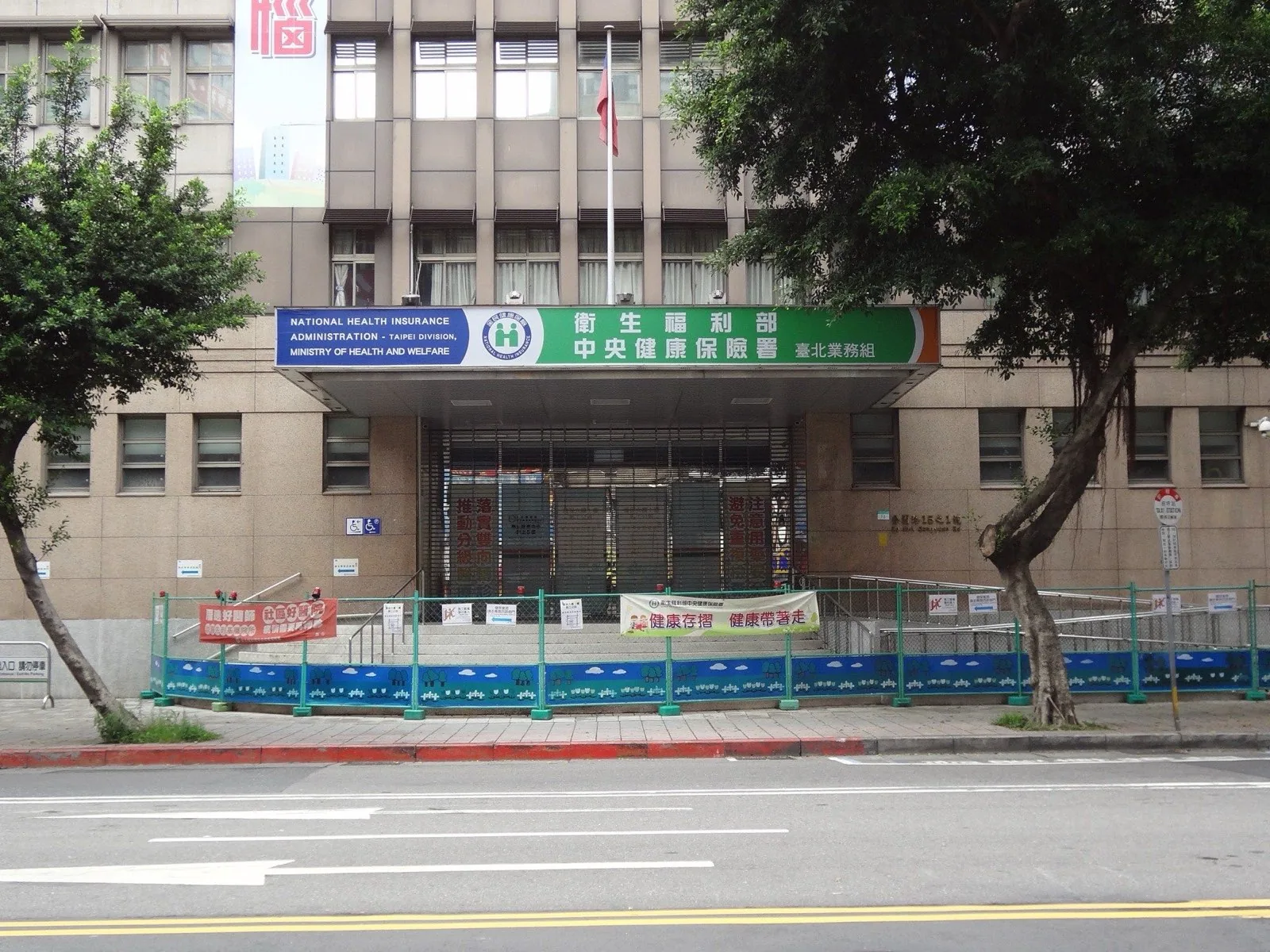
Taiwan Healthcare and National Health Insurance: A World Number One Where 99.6% Rests on 12.61%
The National Health Insurance card used on March 1, 1995, was rushed out under extreme pressure: six days earlier, the cards had not even been printed. Thirty years later, the right to medical care for 23 million people rests on a 5.17% premium rate, a nursing turnover rate at a 10-year high of 12.61%, and a political taboo no one has dared touch for 30 years.
Miaoli County: A Hakka Stubborn-Spirited County That Elected a Magistrate Who More Than Doubled Its Debt in Eight Years
During the Japanese period, Miaoli accounted for 95% of Taiwan's camphor output, and Sanyi built its woodcarving industry from the roots left after camphor refining. In 2002, Beihe Village in Gongguan held the first Tung Blossom Festival. In 2008, Liu Cheng-hung took over a county with NT$20.2 billion in debt; by the time he left office in 2014, the books showed NT$67.6 billion. In between came Zhu Feng-min drinking pesticide, the forced demolition of Chang Pharmacy, and the NT$120 million Hakka Round House becoming a mosquito hall. Today, 530,000 people live in this county, whose 62.5% Hakka population share is Taiwan's second highest.
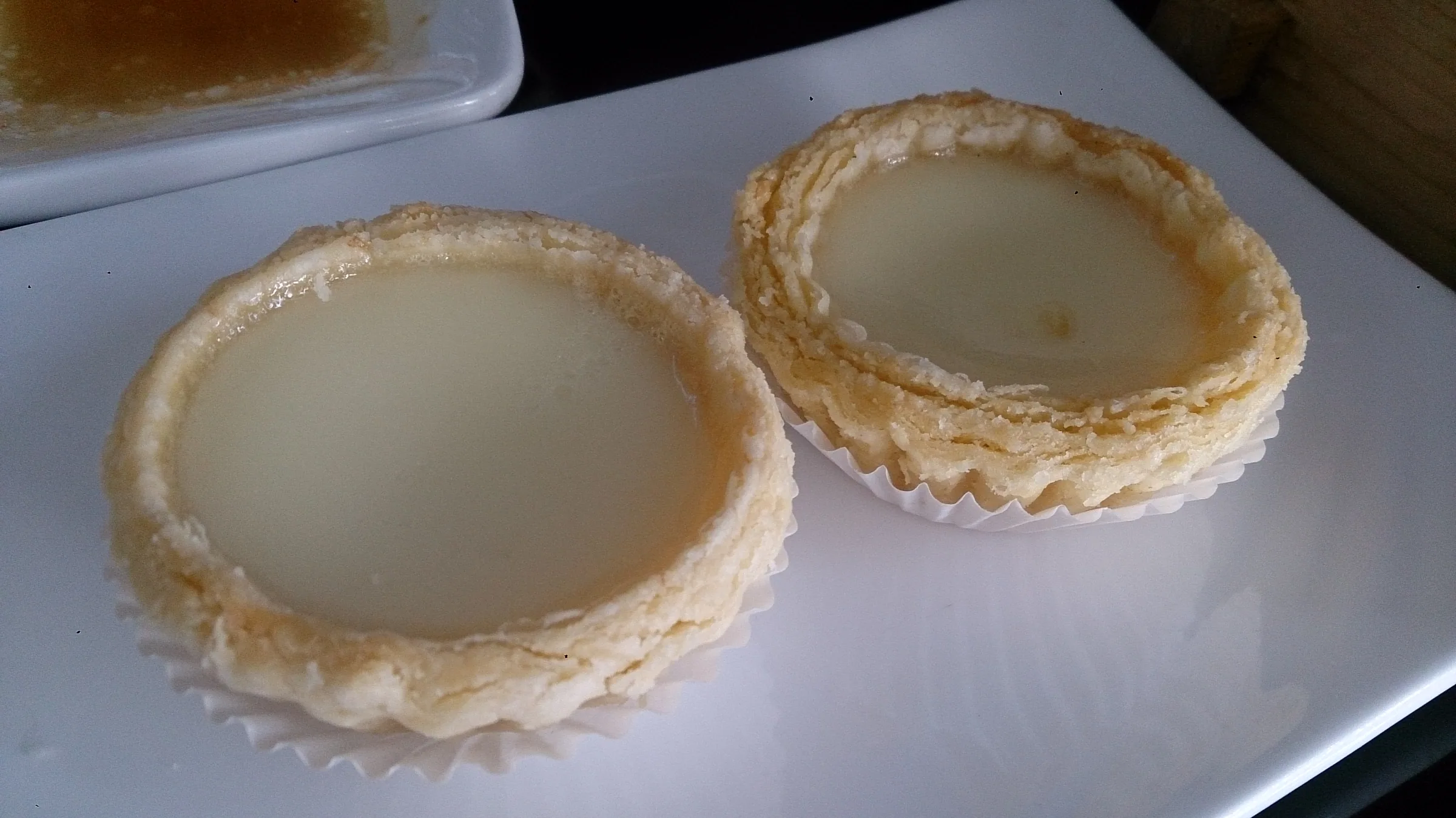
Egg Tarts: From Macao Monasteries to Taiwan’s Collective Memory of “Swarming”
The explosive rise and collapse of Taiwan’s 1998 “egg tart frenzy” not only defined the island’s “swarming” consumer behavior, but also forced KFC in Taiwan to become “an egg tart shop delayed by fried chicken.”
Taiwan’s Artificial Intelligence Development and Future Strategy: The Hardware Ticket Is in Hand. Where Is the Next Battle?
On October 8, 2024, the Nobel Prize in Physics went to Hopfield and Hinton; the next day, the Chemistry prize went to the three AlphaFold researchers. On May 29 of the same year, Jensen Huang ate oyster omelets with Morris Chang at Taipei’s Ningxia Night Market. Taiwan manufactures 90% of the world’s AI servers and 72% of advanced wafers, yet it was absent from the answers to the 42-year history of neural networks and the 50-year protein-folding problem. From PTT founder Ethan Tu’s Taiwan AI Labs to TAIDE, the traditional Chinese LLM model backed by the National Science and Technology Council, is it still enough for this island to be only a contract manufacturer?
Wed, July 29
2 articlesThe Li Poetry Society: A Group Forced to Forget Japanese Sustained Taiwan’s Longest-Running Chinese Poetry Journal
In 1958, a 36-year-old Taiwanese former Japanese soldier published his first post-war Chinese poem under the pen name 'Huan Fu,' eleven years after he stopped writing in Japanese. Six years later, he and eleven others met in a living room in central Taiwan to transform this generation's experience of linguistic loss into a poetry society called 'Li'—a journal that has never ceased publication for 60 years, bringing local poetics from the margins into junior high school textbooks.
I Am a Person from [City]: The 'Local' Fan Pages with an AI Prompt Left in the Back-end
In February 2026, a local fan page claiming to be 'a person from Taipei' left behind an unedited AI prompt: 'Remove sensitive terms, enhance Taiwan local dialect.' Following this trail leads to a corporate entity in Neihu, Taipei, which uses AI to rewrite news from CTi News and CTWANT into the vernacular of locals, distributing them across fan pages disguised as residents of various cities. It doesn't fabricate news; it reposts real news. The problem lies in the untraceable origin and funding—while those best at identifying cognitive warfare in Taiwan are urging: 'Don't rush to label things.'

Mon, July 27
141 articlesTaiwan Railway History: The "Lung Disease" Railway, the "Black-Headed Ones," and the Line That Lost Its Foreign Names
A road the Japanese called "lung disease" that became a high-speed artery carrying 200,000 people daily over a century. Engineer Becker was scrapped by the Japanese; Hasegawa’s trunk line was renamed post-war; every generation pushed the previous records to footnotes. Foreign names faded, leaving Taiwanese slang like "black-headed ones" and political slogans like "Juguang" and "Ziqiang," until the Puyuma and Taroko era finally laid indigenous place names back onto the tracks.
The KMT Government's Relocation to Taiwan and Postwar Reconstruction
Yen Chia-kan came from Fujian and witnessed the history of the KMT government's 1949 relocation to Taiwan. 1.2 million soldiers and civilians, 38 years of martial law, land reform: how did this history reshape Taiwan?
Taiwan's Rural Education: What Children Lack Is Not Inspirational Stories, But an Unbroken Support System
Rural education is not simply 'schools in the mountains are farther away.' From teacher turnover and multi-age teaching to transportation, housing, family support, community connections, and society's singular imagination of success, the real difficulty is that the entire support system often unravels layer by layer once a child leaves the classroom.
Four Measures Beyond Blue and Green: From a Plot of Land to a National Health Insurance Card, the Taiwan Policies That Outlived Their Own Politics
A reader, tired of blue-green bickering at the dinner table, wanted to remember the things that truly helped Taiwan. So we found eleven policies from the past seventy years, from land reform that coercively expropriated farmland under authoritarian rule, the lifting of martial law, and National Health Insurance, to same-sex marriage and the Forward-looking Infrastructure Development Program, both still contested. We deliberately set aside the blue-green yardstick and used four measures instead: livelihood, democracy, civil rights, and sovereignty. The conclusion is a little counterintuitive: policies that outlive their own partisan origins are often the ones that were most fiercely contested on the day they were born.
Green Island Prison: Layered Memories from Political Black Jail to the Homeland of Big Brothers
Green Island, a solitary island in the Pacific, was once a purgatory for political prisoners during the White Terror era and the final resting place for underworld 'big brothers.' From the New Life Training Center to Chongde New Village, how does the history of Green Island Prison reflect the contradictions and memories of Taiwanese society?
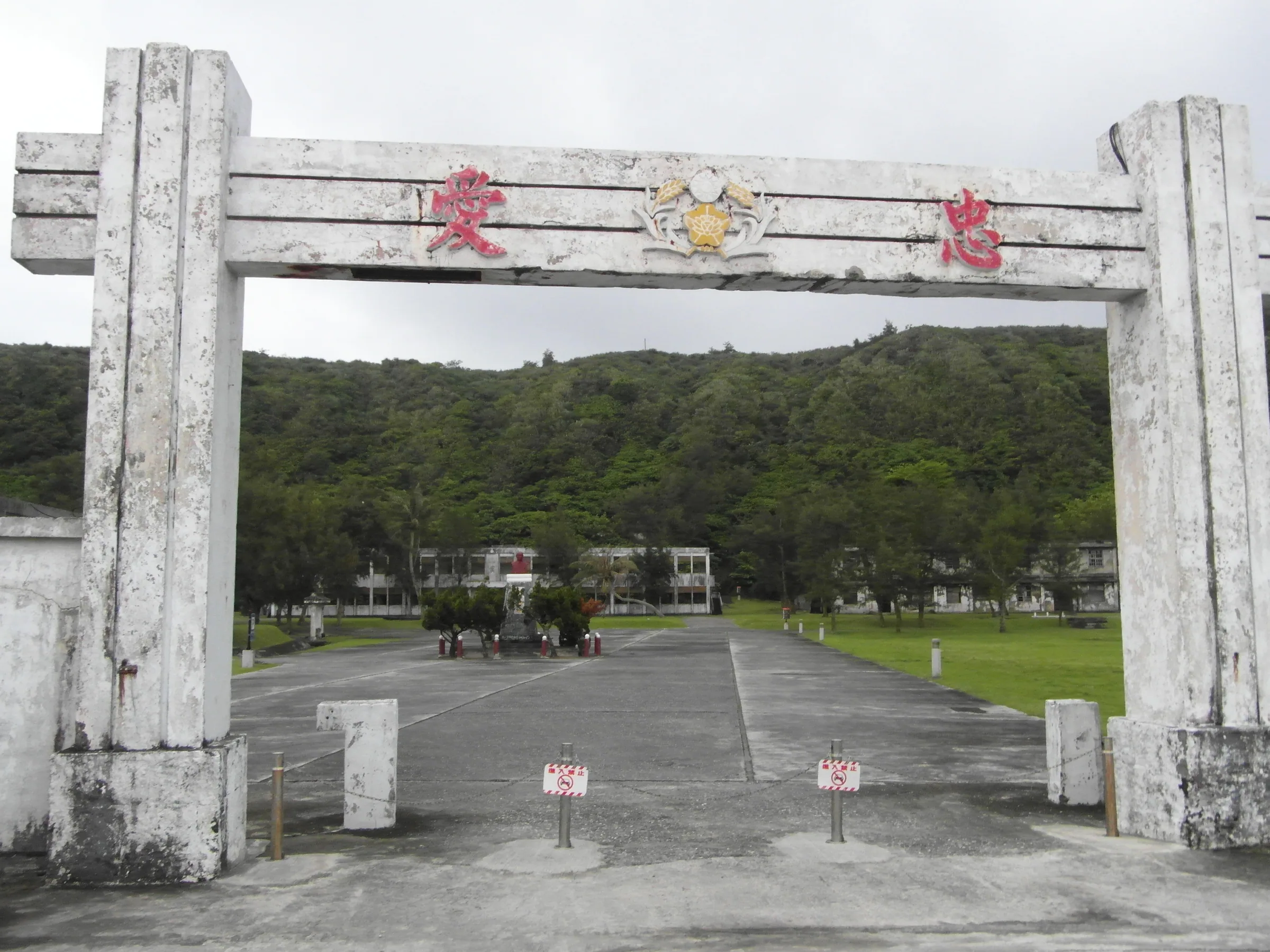
Sanxia Old Street: Power Struggles Beneath Red Brick Arcades and an Unfinished Heritage Experiment
Recognized by FIABCI with the Global Excellence in Construction Award in 2007, Sanxia Old Street served as Taiwan's first large-scale "restoration project" pilot. From the Qing Dynasty's "Sanjiaoyong" indigo dyeing trade to the 2016 tragedy of the flagstone road's removal, this red-brick street records Taiwan's intense struggle between heritage preservation and tourism development.
The Ten Major Construction Projects: A NT$200 Billion Gamble Backed by US$1 Billion in Foreign Reserves
In 1973, Taiwan held just US$1 billion in foreign exchange reserves, yet Chiang Ching-kuo announced an investment of approximately NT$300 billion in the Ten Major Construction Projects. This was not merely an economic pivot in response to the oil crisis and diplomatic isolation, but also a political narrative that repackaged blueprints inherited from Japanese colonial rule and transformed them into a source of national identity.
44 South Village: An Arsenal Dependents’ Village, Now a Cultural and Creative Park Beside Taipei 101
In late November 1948, machinery from the Combined Logistics 44th Arsenal in Qingdao was loaded in six batches onto the Taikang and shipped to Keelung. In December, factory workers and their families arrived and moved into the former Japanese Army Xingya warehouses at Sanzhangli on Taipei’s eastern edge; Shandong dialect echoed through warehouse rooms with no walls. The following year, they built their own dependents’ housing south of the factory compound — Taiwan’s first military dependents’ village established by the Republic of China government. Field- and general-grade officers lived in West Village, company-grade officers in East Village, and Shandong technicians without military status in South Village. In 1980, the arsenal moved to Sanxia and was renamed Factory 206; West Village was demolished and became Zhongtuo public housing, while East Village residents were relocated to Zhongzhen public housing near Youth Park. Only South Village remained, because its residents were technicians and were not covered by the Ministry of National Defense dependents’ housing redevelopment regulations. In 1998, all residents moved into World Trade New Village; in 1999, a fire destroyed part of the housing; in 2001, a cultural-heritage dispute was settled with a decision to preserve four buildings; and on October 25, 2003, the Xinyi Public Assembly Hall and Military Dependents’ Village Cultural Park opened — facing the Taipei 101 then under construction.
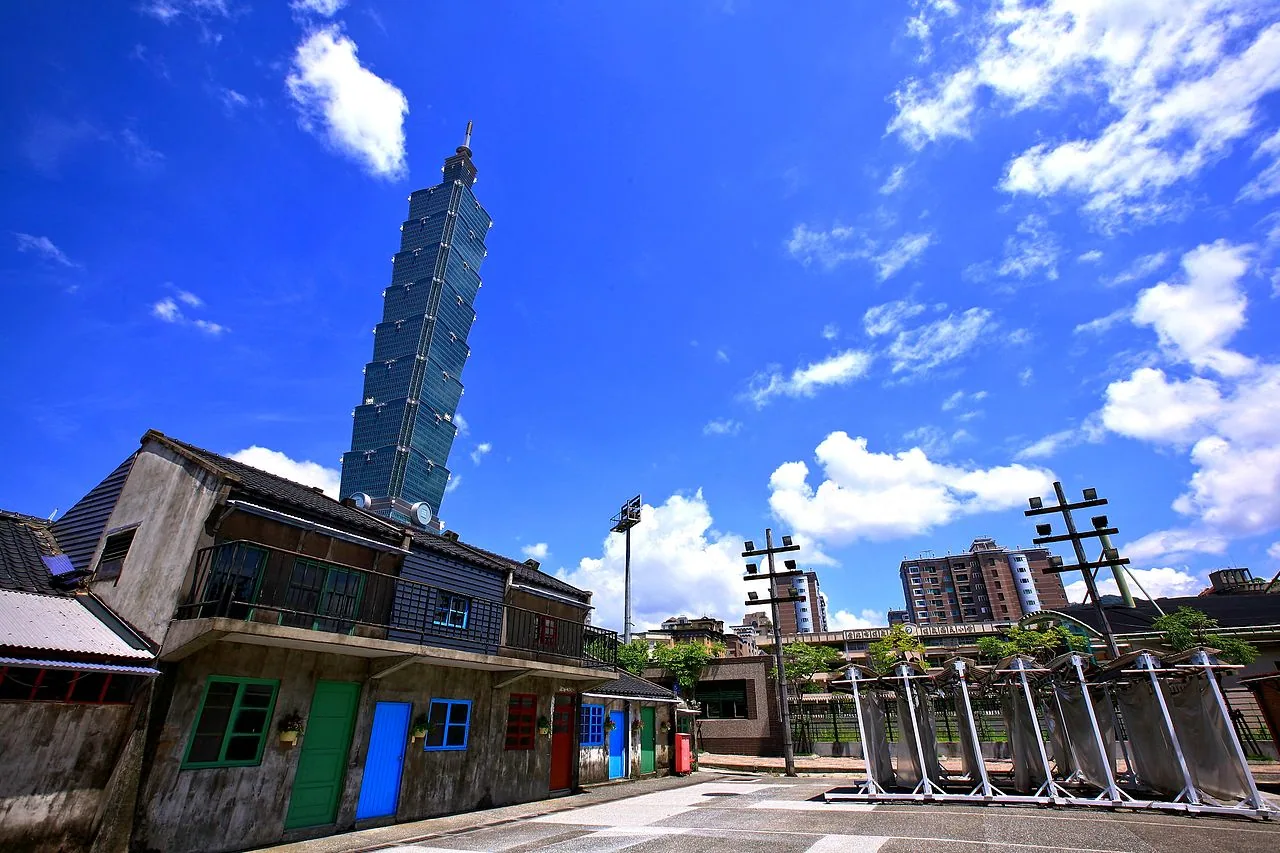
Beida Special District: Three Decades of Urban Planning and the University Town Living Experiment
From the 1895 Longenpu Battlefield to the 2026 MRT University Town, this is an in-depth encyclopedia about land, aesthetics, and selective identity.
Beitou Hot Spring Street: From Sulfur Mining in 1697 to the Hot Spring Museum in 2026, the Same Mountain Spring Through Four Generations of Residents
In 1697, Yu Yonghe came to these mountains to mine sulfur and traded cloth with the Ketagalan people for sulfurous soil; in 1896, Osaka native Hirata Gengo built Taiwan's first hot spring inn, Tenguan, at what is now No. 234, Guangming Road; in 1913, the red-brick public bathhouse designed by Moriyama Matsunosuke opened; in 1923, Crown Prince Hirohito came for a bath; in 1967, a photograph in Time magazine enraged Chiang Kai-shek; after Mayor Lee Teng-hui abolished the licensed hostess system in 1979, the wine houses went dark; in 1998, the abandoned red-brick bathhouse became a museum. The same steaming mountain spring was discovered by outsiders three times and adapted to by four generations of residents.
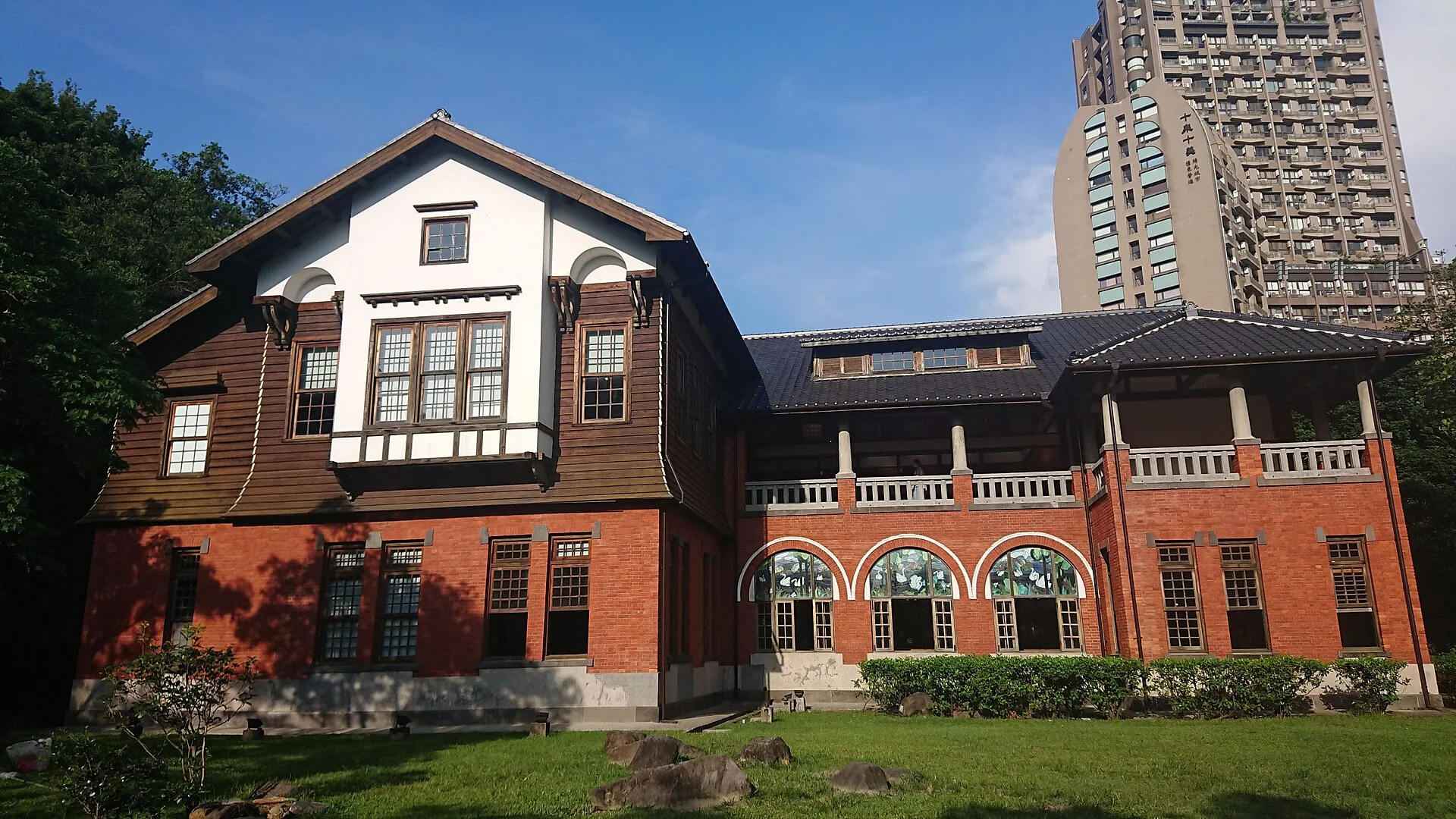
Changhua County: The Agricultural Giant That Beat Dupont but Can't Keep Its Young People
In 1709, Shi Shibang channeled water from the Zhuoshui River to create Taiwan's first large-scale irrigation system — 211 years before Hatta Yoichi's Chianan Canal. In 1723, the first year of the Yongzheng era, the county was carved out from Zhuluo County, bounded by the Huwei River to the north and the Dajia River to the south — this was the origin of Changhua's establishment. In 1786, Lin Shuangwen's forces besieged Changhua city, but Lukang held. In 1788, the Qianlong Emperor ordered the construction of an official-funded Mazu temple (Xinzu Gong) in Lukang. In 1922, the Changhua Roundhouse opened. In 1986, Lukang residents drove out American firm Dupont — Taiwan's first environmental movement. In April 2026, Changhua County's population stood at 1,206,458, falling below the threshold for special municipality upgrade.

Chiayi City: Named by an Emperor, Yet the Provincial City Most Easily Overlooked
In the 52nd year of the Qing Qianlong reign, an imperial edict renamed “Zhuluo” as “Chiayi,” making it the only city in Taiwan personally named by an emperor. In 1908, in rice paddies 3.3 kilometers southwest of the city, the Japanese erected the world’s first Tropic of Cancer monument. In 1931, Chiayi Agriculture and Forestry’s mixed squad of three ethnic groups reached the Koshien runner-up position. On March 25, 1947, the painter Chen Cheng-po was bound and executed by firing squad in front of the train station; his body was left in the street for three days. Today Chiayi City has 260,000 people and 60 square kilometers, no high-speed rail station, and is entirely surrounded by Chiayi County. It is a specimen of Taiwan’s mid-sized cities.
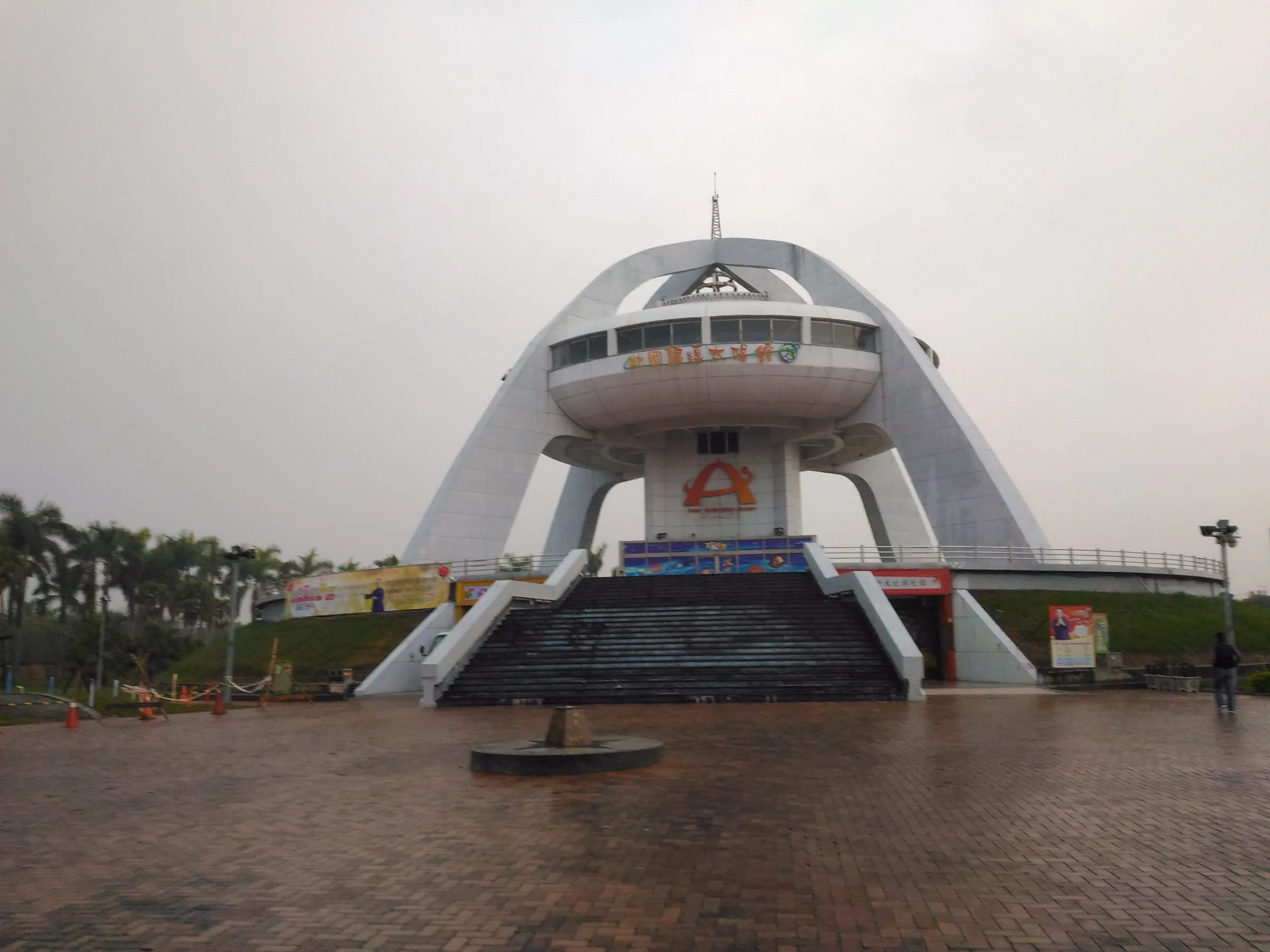
Chiayi County: 490,000 People Lend Their Face to Alishan, and No One Remembers the County Seat Is in Taibao
At five in the morning, the oyster racks off Dongshi are still in the water; half of the nation's oysters come from this stretch of sea. A hundred kilometers away on Alishan, the forest railway that opened to Erwanping in 1912 runs 66.6 kilometers. In between, beside Taibao's high-speed rail station, the Southern Branch of the National Palace Museum took 15 years to open, drawing 760,000 visitors in 2018. When the Chiayi County seat moved from Chiayi City to Taibao in 1991, the whole country thought Chiayi meant Chiayi City. Thirty-five years later, this county of 490,000 people surrounds a city of 270,000 that was carved out of it, with an aging index of 174%, the highest in Taiwan.
Dalongdong: The Incense of Baoan Temple, the Bell of the Confucius Temple, and the Blue Sky with a White Sun at Yuanshan, Three Eras of Taipei Faith
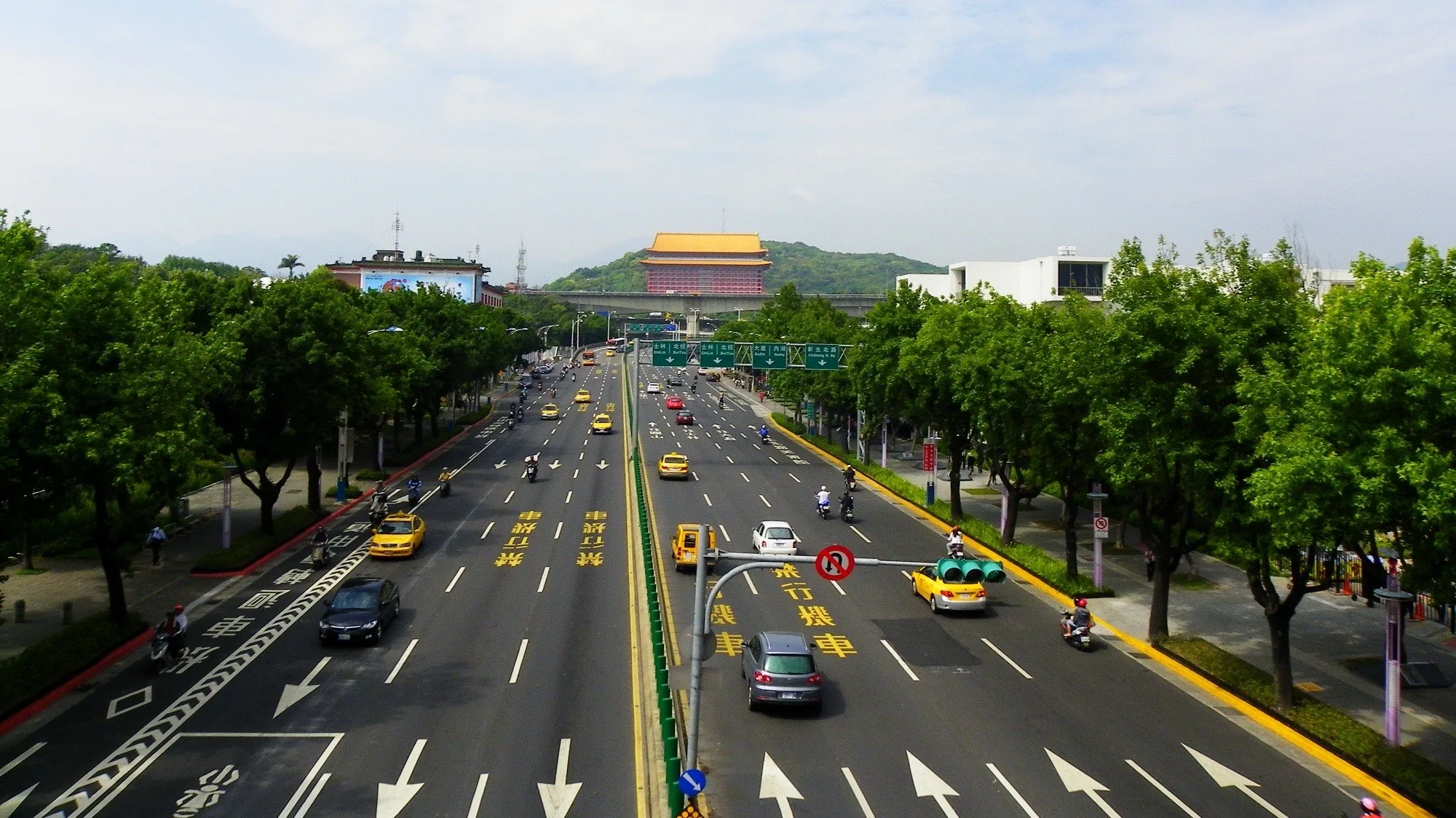
From the 5,300-year-old Yuanshan shell midden to the rudimentary Baoan Temple built by Tong'an migrants in 1742; from Chen Wei-ying's 1859 provincial degree and the saying 'a xiucai every five steps, a juren every ten' to the 1925 fundraising campaign by local gentry to rebuild the Confucius Temple demolished by the Japanese; from the 1944 crash that destroyed the shrine to the 14-story Chinese palace-style Grand Hotel that Yang Cho-cheng built on the original site in 1973. Three spaces of faith stand side by side along the 1.5-kilometer axis from Dalongdong to Yuanshan, but none matches the tourist-brochure version: Baoan Temple is Taiwan's first UNESCO Asia-Pacific Heritage Award site, restored after Liao Wu-chih refused government subsidies in 1995 and spent NT$260 million of temple funds; the Confucius Temple stands on more than 3,000 ping of land donated by the Chen Yueji family and Koo Hsien-jung so that Confucius would not be left homeless; the Grand Hotel is the red-tiled, yellow-eaved building that has received 111 heads of state. The uncles and aunties practicing tai chi on Dalong Street are standing on Taipei's most compressed slice of time.
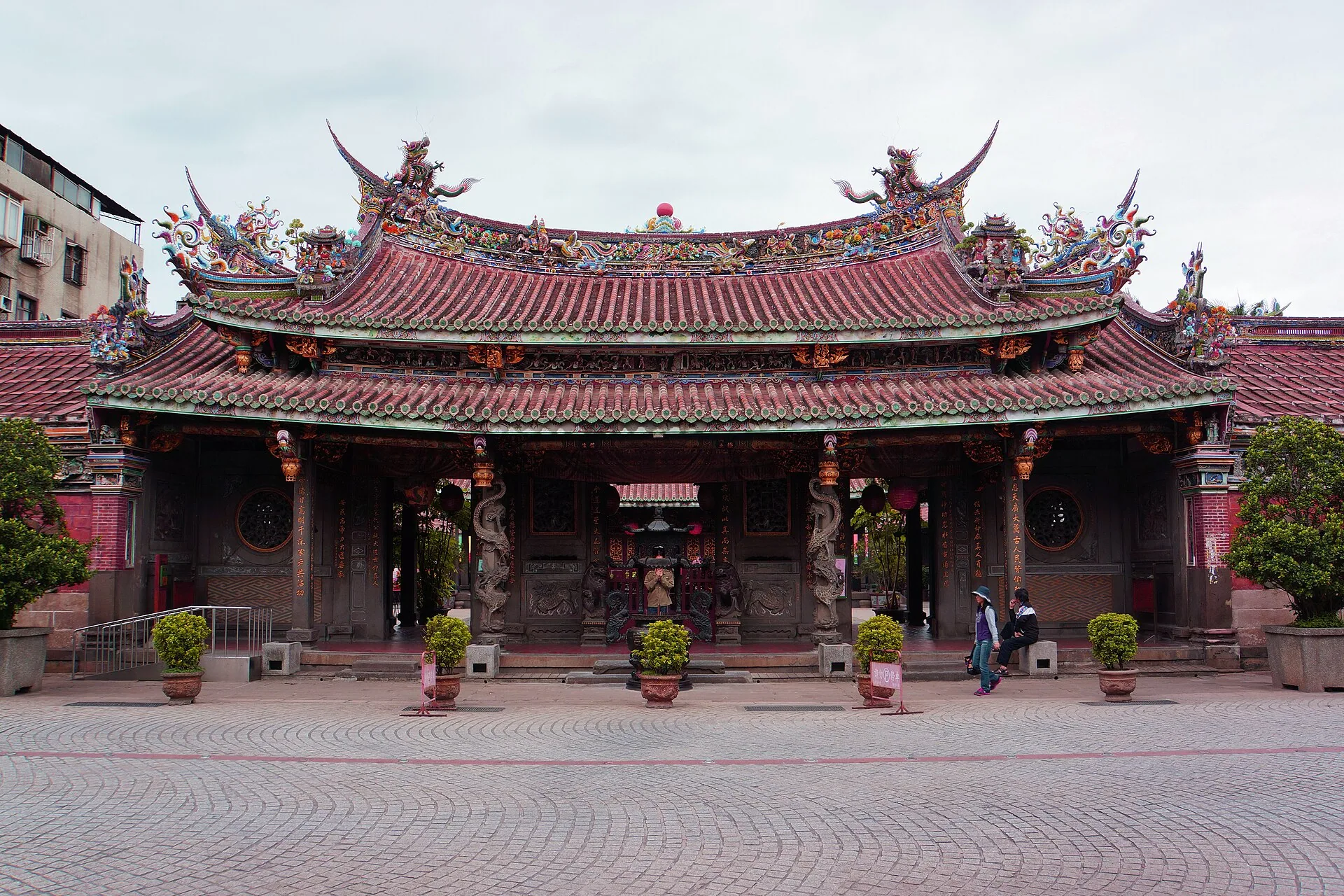
Reading Taiwan's 22 Counties and Cities Through Data: the Most Crowded and the Most Empty Differ by 151 Times, the Oldest and Youngest by a Generation
On the same Taiwan, Taipei City, with the highest population density, has 8,975 people per square kilometer, while Taitung County, with the lowest, has only 59, a 151-fold difference. New Taipei City, the most populous, has 4.04 million people; Lienchiang County, the least populous, has 13,600, a 297-fold difference. The youngest, Hsinchu County, has an aging rate of 15.08%; the oldest, Chiayi County, has 24.11%, a gap of nearly one generation. Using official data from the Department of Household Registration at the end of 2025, this article draws a scaled, verifiable portrait of the whole country: 70% of the people are packed onto 30% of the land; the leading edge of aging is not in the cities but in eastern Taiwan, outlying islands, and agricultural counties; and without exception, in all 22 counties and cities across Taiwan, deaths already outnumber births.
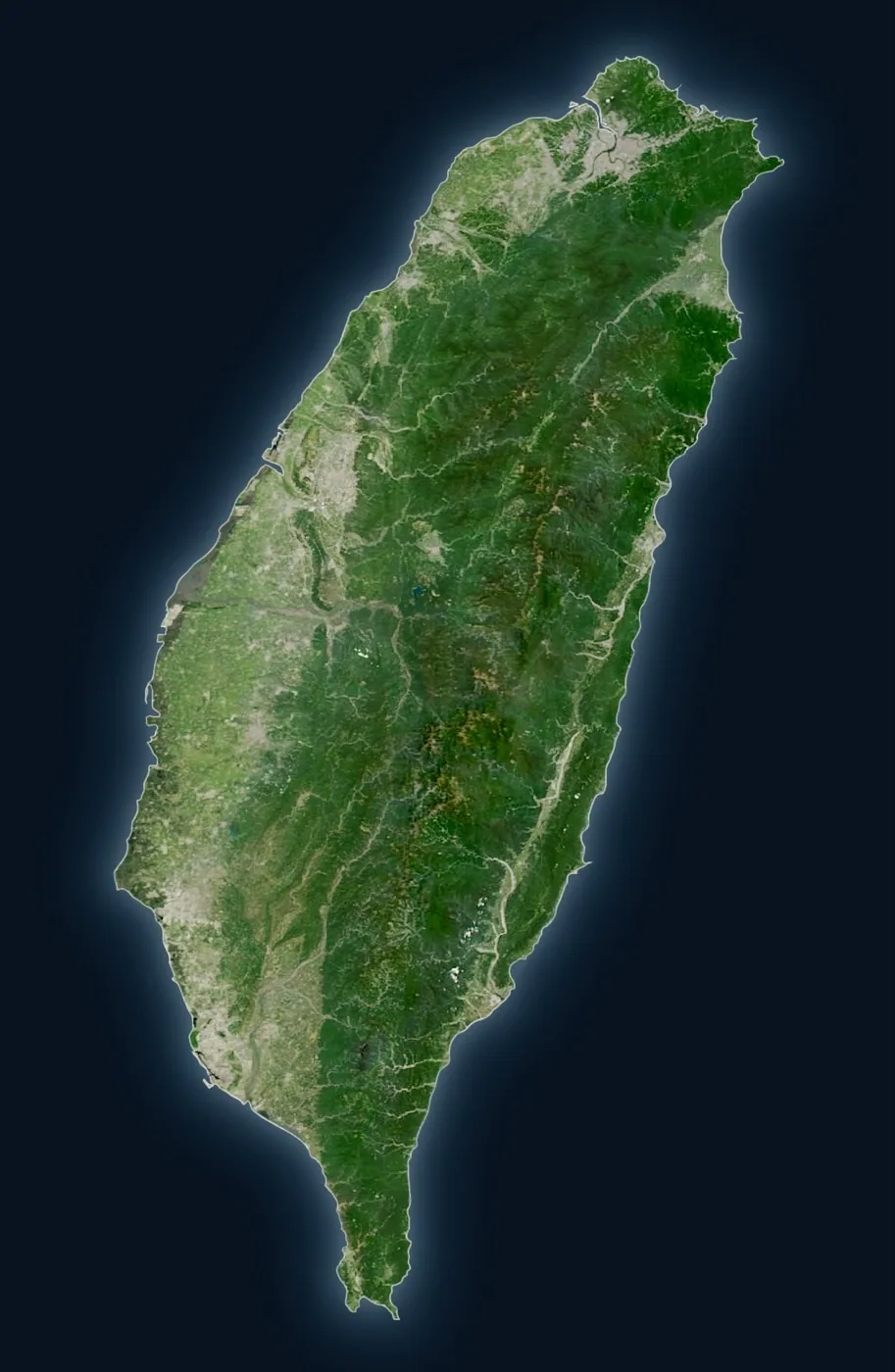
Gongguan: The Japanese Empire's Laboratory, Martial-Law-Era Underground Salons, and NTU Students' Fried Chicken Cutlets: Three Centuries in 500 Meters
In 1928, the Japanese built the empire's sixth university, Taihoku Imperial University, on Taipei's southern outskirts; outside its gate, the area around Wenzhou Street, Qingtian Street, and Yongkang Street became a faculty housing district. After the war, in 1949, the dormitories were taken over for postwar Chinese migrant scholars; the small house at 1-1, Alley 16, Lane 18, Wenzhou Street became the living room of Yin Hai-kuang under house arrest; Wistaria Tea House in Lane 16, Section 3, Xinsheng South Road went from a Customs Administration official residence to a dangwai youth-culture salon; 25 Wenzhou Street was Tai Jingnong's study, where he wrote until 1990; and the 1972-75 NTU Department of Philosophy Incident implicated 13 professors on campus. In 1999, the MRT Xindian line opened, and Gongguan Circle became the dinner ATM for NTU students. The Japanese Empire's laboratory, martial-law-era underground salons, and contemporary students' fried chicken cutlets: three centuries layered into 500 meters.
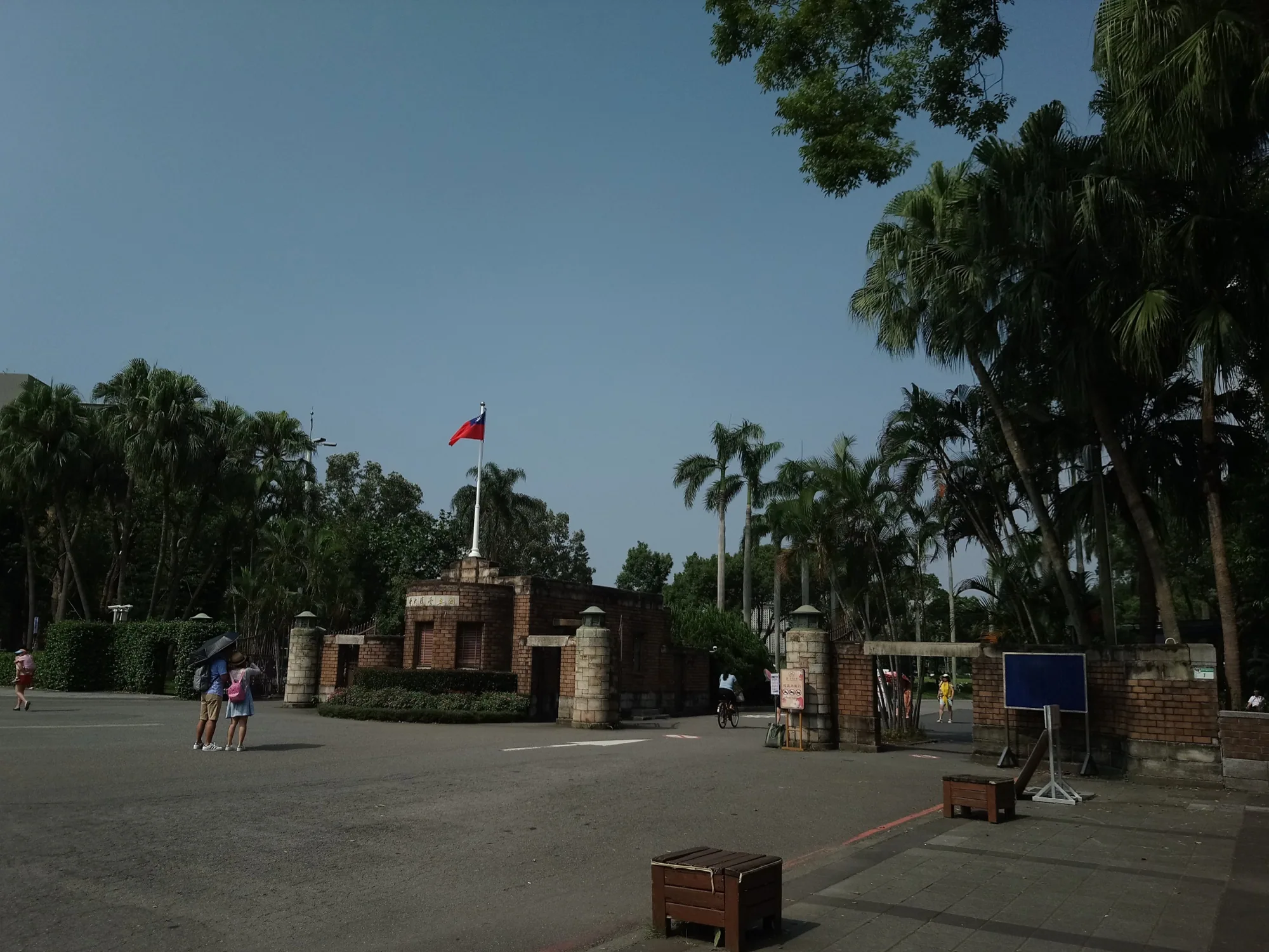
Gueishan Island: The Direction of Home That Yilan People See Every Day, and the Home Island Residents Cannot Return To
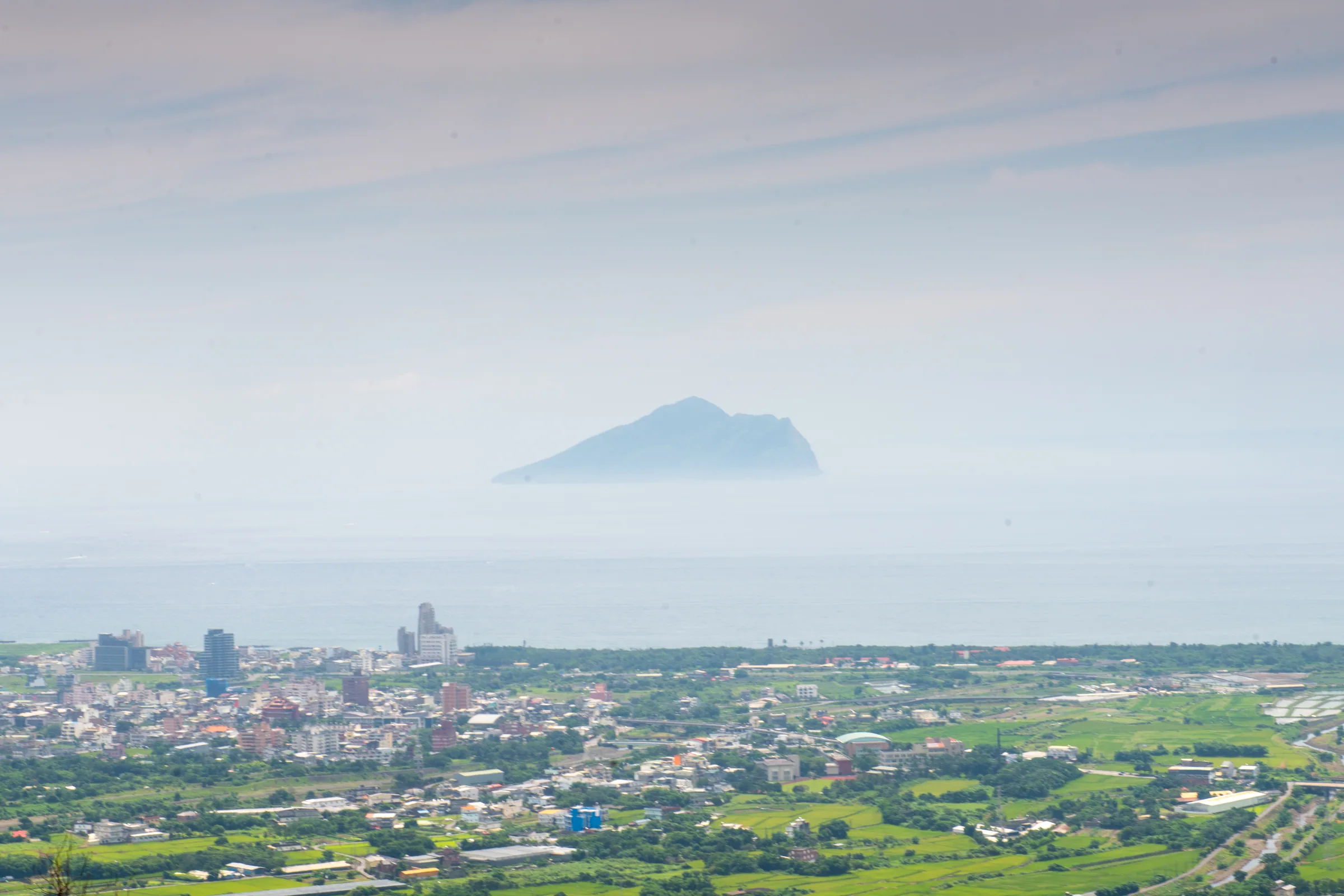
Grandmother Huang Chen-yu moved from Gueishan Island to Toucheng more than thirty years ago, yet every night she still dreams of life on the island. For Yilan people on shore, Gueishan Island is the foremost of the Eight Views of Lanyang and the landmark at the Snow Mountain Tunnel exit that says, "almost home." For the Gueishan Islanders who actually lived there, it is an ancestral home exchanged in the 1970s through a relocation without compensation. Visible but unreachable; reachable but unlivable. In 1975, writer Wu Min-hsien called it "an island soon to be forgotten." Half a century later, it has not been forgotten; what is remembered is the scenery and legend, while those who lived there have been forgotten.

Guling Street: The Book Street the Japanese Left Behind, Edward Yang's Adolescents, and the Nationalist Government's Palaces
On a Saturday afternoon, students line up in front of the red-brick theater at the end of Lane 5, Guling Street. Next to it are the National Museum of History, built in 1955, and the lotus pond of the Taipei Botanical Garden, reorganized in 1921. This 1.2-kilometer street was called Sakuma-cho in 1922 and renamed Guling Street in 1947 after Lushan in Jiangxi. After 1945, the books left behind when the Japanese withdrew were laid out along the roadside and became Taiwan's first used-book street. At its 1960s peak there were more than 200 vendors. After Guanghua Bridge opened in April 1973, the vendors were cleared out and moved beneath the Guanghua overpass. On June 15, 1961, on this street, 16-year-old Mao Wu killed 15-year-old Liu Min with a scout knife. In 1991, Edward Yang made the incident into a 237-minute film. The book street was dismantled, the stalls moved, and students began buying books elsewhere. What remains are the Japanese-era red-brick former police precinct, the postwar Chinese palace-style museum, and the lotus pond that has been in the same place since 1921.
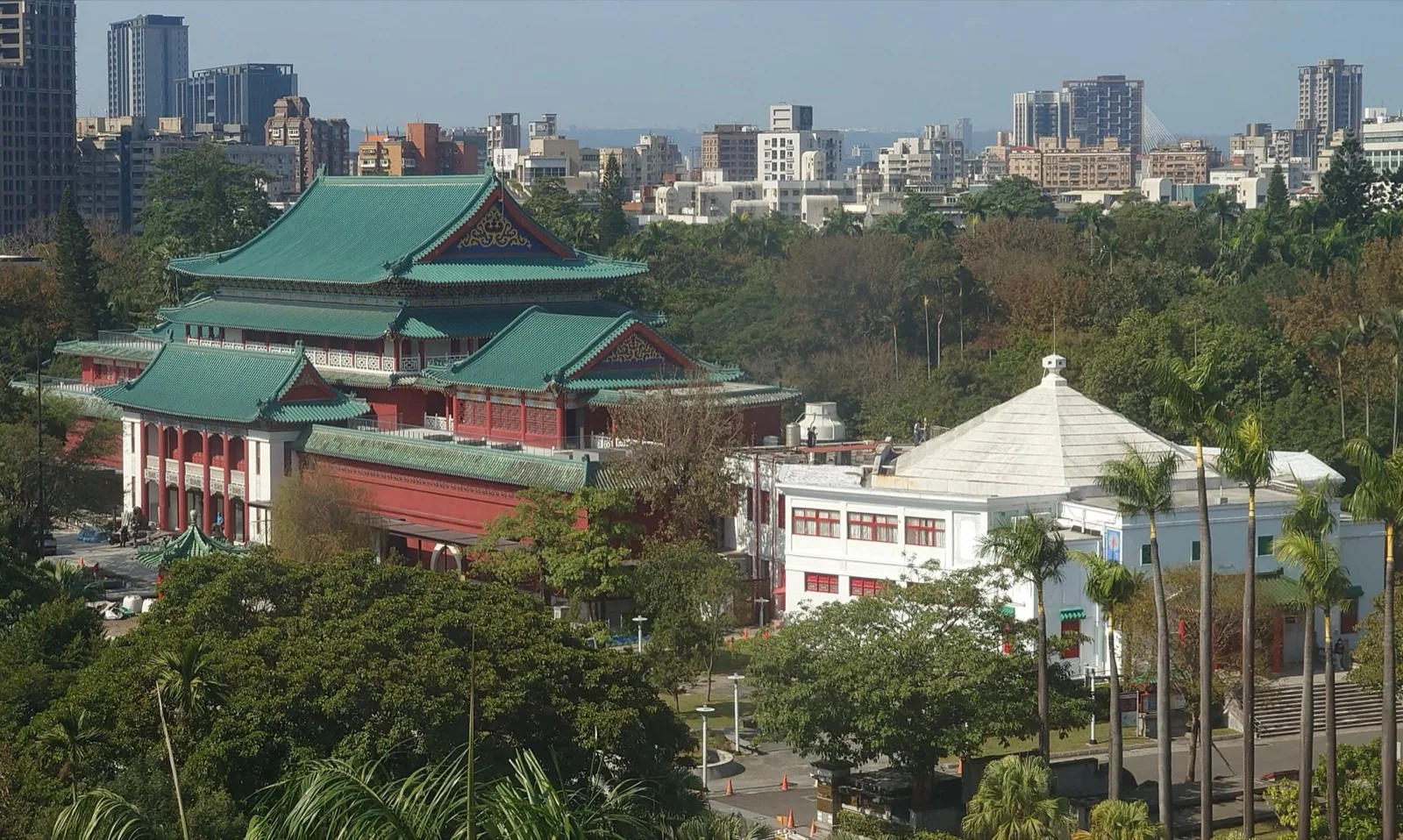
Houtong: The Camera That Saved a Mountain Town Also Fed Taiwan's Largest Cat Dumping Ground; TNVR Patches Up What Tourism's Good Intentions Couldn't Finish
In 2009, photographer Chien Pei-ling (Cat Lady) walked into a forgotten mountain town along the Pingxi Line that had been abandoned for 19 years after the Ruisan coal mine ceased operations in 1990. Her camera turned Houtong into one of CNN's six best cat-watching destinations in the world in 2013. But the 'Cat Paradise' label bred Taiwan's largest cat dumping ground — a 2012 feline distemper outbreak, at least 10 cat abuse cases in 2013, and a 2022 abandonment case fined NT$110,000. In 2014, Cat Lady quit, leaving behind the words: 'Endlessly exploiting the cats, exploiting me, exploiting Houtong.' In January 2026, TNVR brought the cat population from 200–300 down to 30-something, and Mirror Weekly reported it under a 'village extinction' frame. But what disappeared wasn't the cat village — it was the 'single influencer IP propping up local revitalization' model.
Hsinchu County: A 235-Year Yimin Faith and Taiwan’s Highest Per Capita Income Along the Same Touqian River
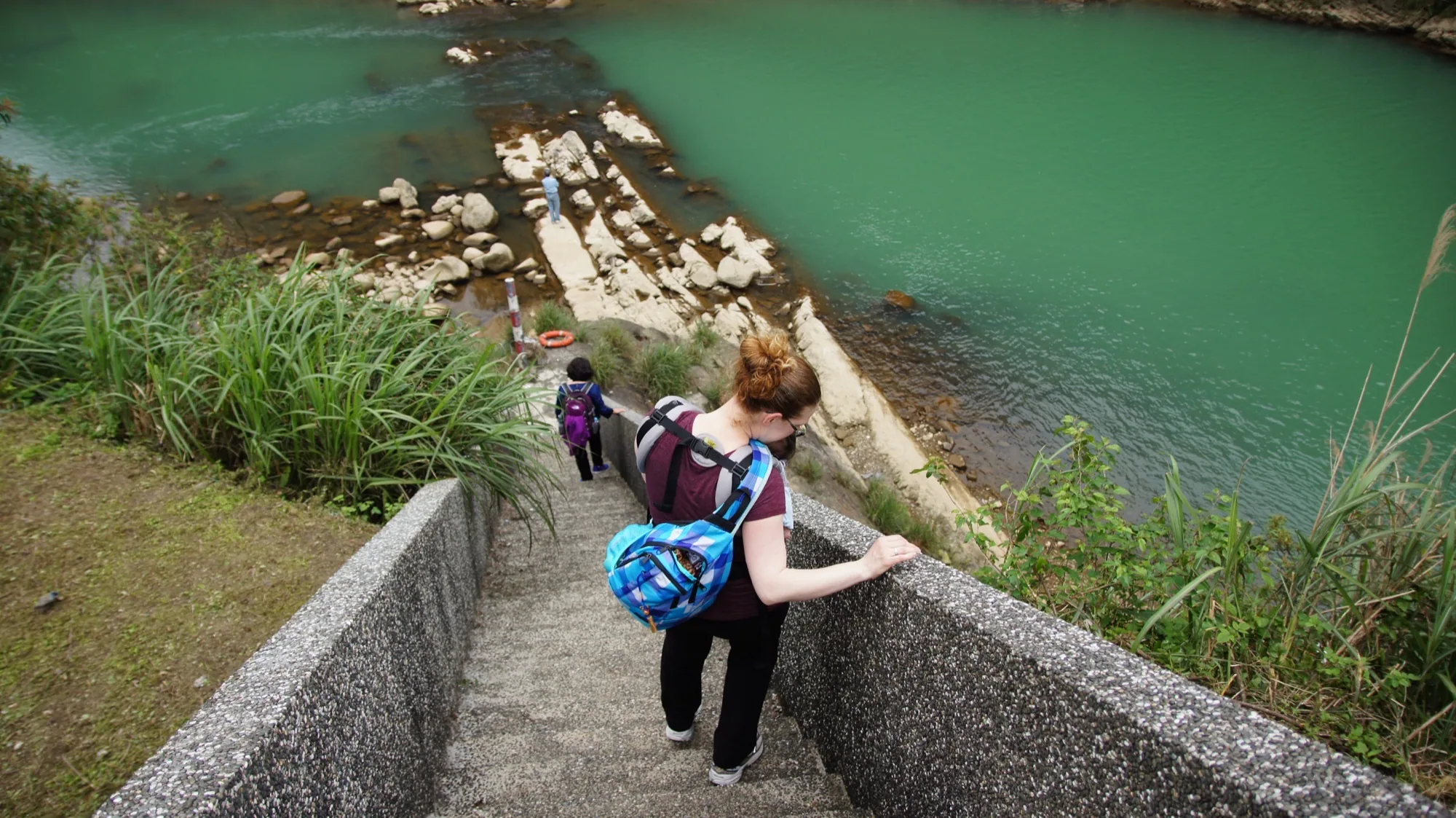
In the winter of 1788, Baozhong Pavilion was founded on a hillside in Xinpu to collectively bury more than 200 Hakka yimin who died in the Lin Shuangwen Rebellion. Two hundred thirty-five years later, the rotating ritual circuit of the Yimin Festival on the twentieth day of the seventh lunar month is still running among the Fifteen Lianzhuang. Five kilometers away, Zhubei City ranked first among Taiwan’s 368 townships, towns, cities, and districts in 2025 with per capita income of NT$1.442 million, magnetized by TSMC’s Baoshan Phase II 2-nanometer wafer fab. Hsinchu County is 67.8% Hakka, the highest share in Taiwan. But among the 220,000 people in the county seat of Zhubei, fewer young Hakka people can afford homes in their own hometown.
Hualien County: The Sakizaya Hidden for 129 Years, the Truku Reclaimed Through Name Rectification, and 0403 Pushed It Away Again
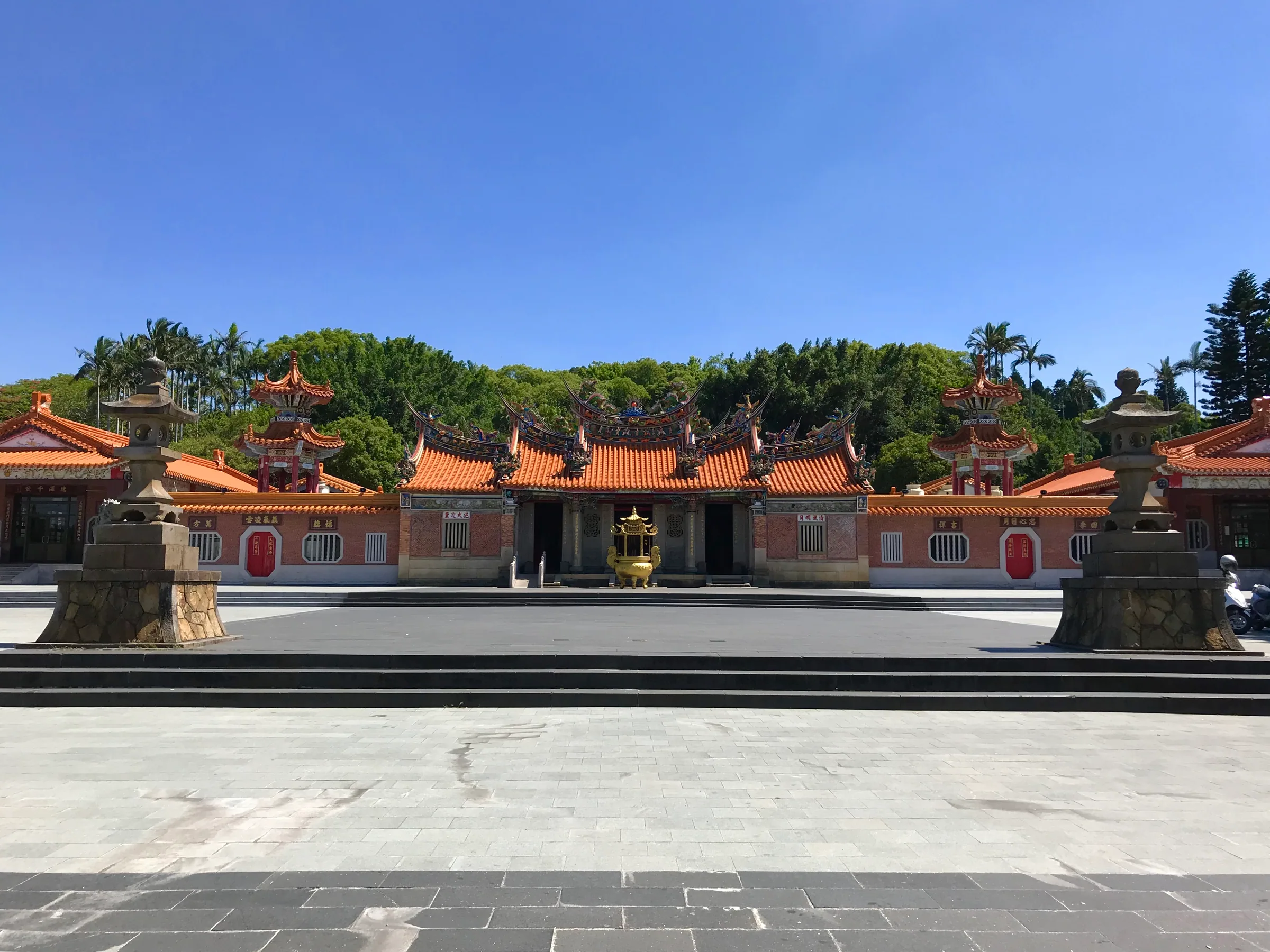
In 1878, Qing troops bound Komod Pazik, chief of the Takubuwan community, to a bishop wood tree and executed him by lingchi; the Sakizaya hid within the Amis for 129 years. In 2004, the Truku emerged from the Atayal classification to become the 12th recognized Indigenous people; in 2007, during the Chen Shui-bian administration's second term, the Sakizaya were recognized as the 13th. At 7:58 a.m. on April 3, 2024, those 98 seconds of the 0403 earthquake, magnitude 7.1, smashed Taroko National Park's Swallow Grotto, Tunnel of Nine Turns, and Shakadang Trail all at once. In 2024, tourists fell to just 210,000; in a normal year there are 6.6 million. On a strip of land between mountains and sea that narrows to just 5 kilometers, the fates of six Indigenous peoples have always shaken with the tectonic plates.
Hukou Old Street: When the Train Moved in 1929, the Red‑Brick Old Street Remained in Place for a Hundred Years
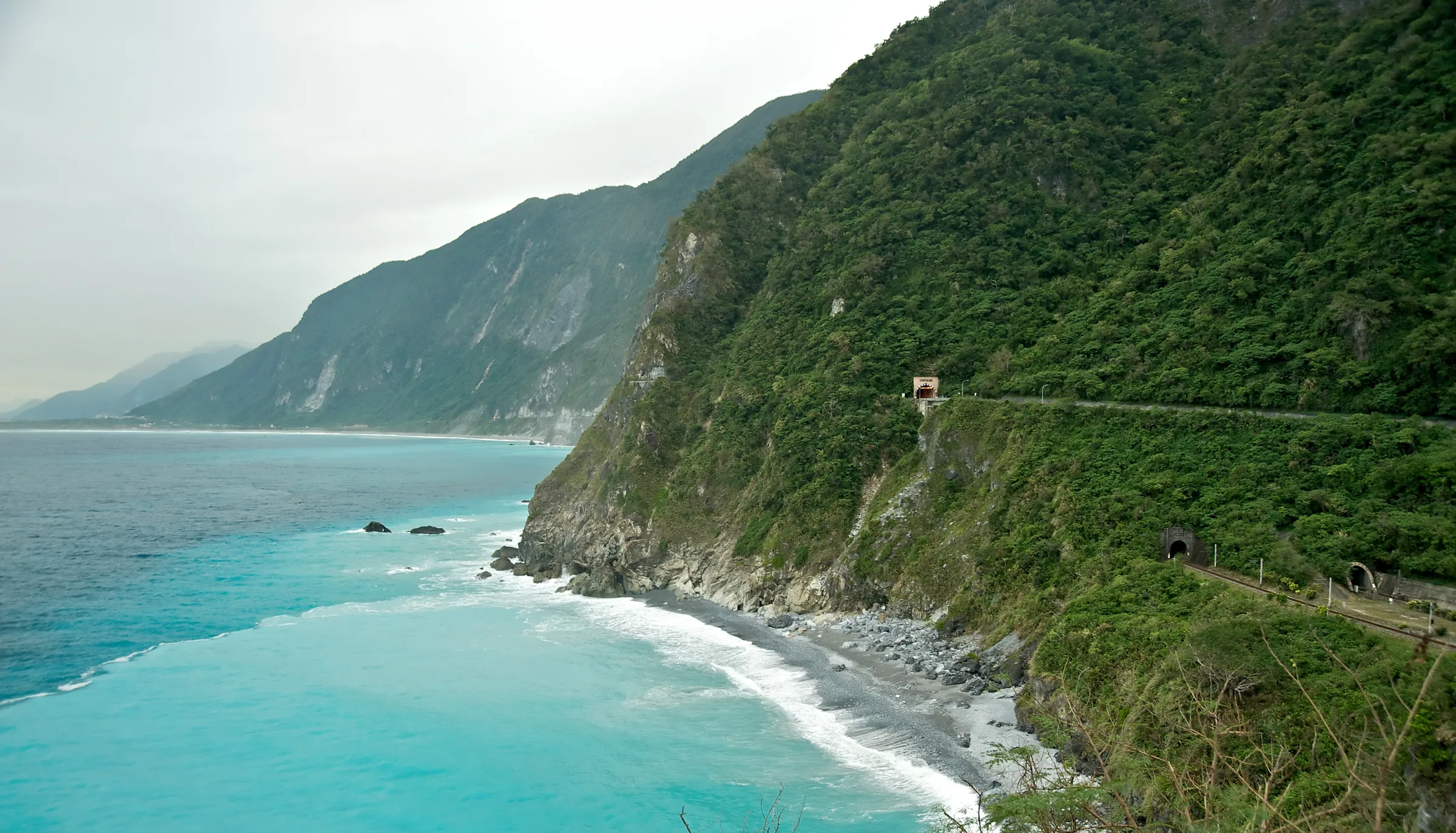
In 1893, Liu Ming-chuan's railway established a station here, turning a scattered Hakka village into a hub for Hsinchu‑Miaoli commodities; in 1917 the Sanyuan Temple began construction and was completed the following year, with red‑brick Western‑style buildings lining the new street. In 1929 the Japanese deemed the slope too steep and moved the station north to today's Hukou Station, abruptly ending sixteen years of prosperity, after which the area was called “Old Hukou.” A Catholic church was later built on the former station site, the Sanyuan Temple remains in its original location, and the railway‑abandoned old street escaped post‑war demolition and reconstruction.
Kaohsiung: The Year It Became a Direct-Administered City, When Eight People from Kaohsiung Were Locked in Taipei's Prisons
On July 1, 1979, Kaohsiung was upgraded to Taiwan's second direct-administered city. On December 10, World Human Rights Day, a speech at the Dagangpu Roundabout by the Formosa Magazine Publishing House turned into a conflict under tear gas. Eight people were sentenced. On February 28, 1980, a blood case erupted at Lin Yi-hsiung's home on Xinyi Road in Taipei. In that same year of 1979, Kaohsiung received administrative glory but swallowed the heaviest political repression in post-war Taiwan. With 2.71 million people scattered across 38 districts, the Qijin sandbar, the Namaxia Bunun tribe, the China Steel smokestacks, and the Weiwuying aluminum alloy roof all share one city. This city took 45 years to stitch its wounds into its own shape.

Keelung City: The Port Closest to Taipei, the One Taipei Sees Least
At 4 a.m., the Kanzaiteng fish market is still alive with the sound of auctions. Auctioneers chant prices in Hokkien, and within seconds a crate of fish moves from fishing boats in Hualien, Yilang, and Badouzi to a Japanese restaurant in Taipei's Eastern District. In 1626, the Spaniards planted a flag on Heping Island. In 1875, Shen Baozhen changed the name from 'Keelung' (Chicken Coop) to 'Keelung' (Base of Prosperity). In 1984, this was the world's seventh-largest container port. Then three things happened at once: Kaohsiung Port overtook it, Taoyuan Airport opened, and the mining economy collapsed. Today 360,000 people live here, and 39% commute to work in Taipei. What Taipei sees is decline. What the ocean sees is a port that has never left its position.
Nantou County: The Only Landlocked County, with the 921 Earthquake Epicenter at Its Center
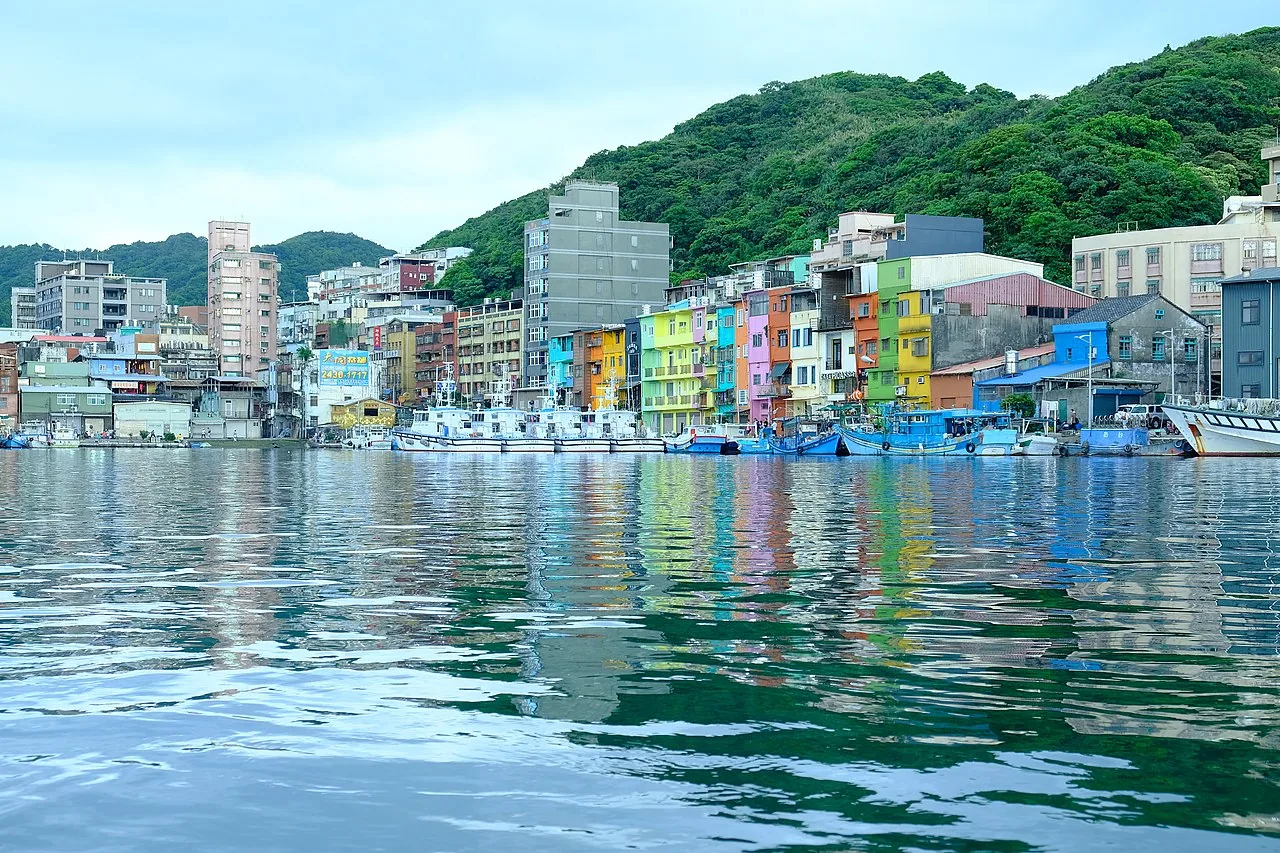
At 1:47 a.m. on September 21, 1999, the Chelungpu Fault beneath Jiji Township ruptured for 102 seconds. Across Taiwan, 2,415 people died; Nantou alone accounted for 886 deaths, and 90 percent of buildings in Zhongliao Township were damaged. On the day of the flag-raising ceremony at Wushe Public School in 1930, Mona Rudao led six Seediq communities in killing 134 Japanese civilians. In 1934, the Wujie Dam raised the water level by 18.18 meters, submerging the Thao people's Lalu Island. In 1957, Zhongxing New Village was completed as the Taiwan Provincial Government's temporary office site; after the 1998 downsizing of the province hollowed it out, only the coconut-palm boulevard remained. Some 470,000 people live in this inland county, rising from 100 meters to 3,952 meters above sea level, where Seediq, Bunun, Thao, Tsou, and Han people live together. Taiwan's deepest wounds are all here.
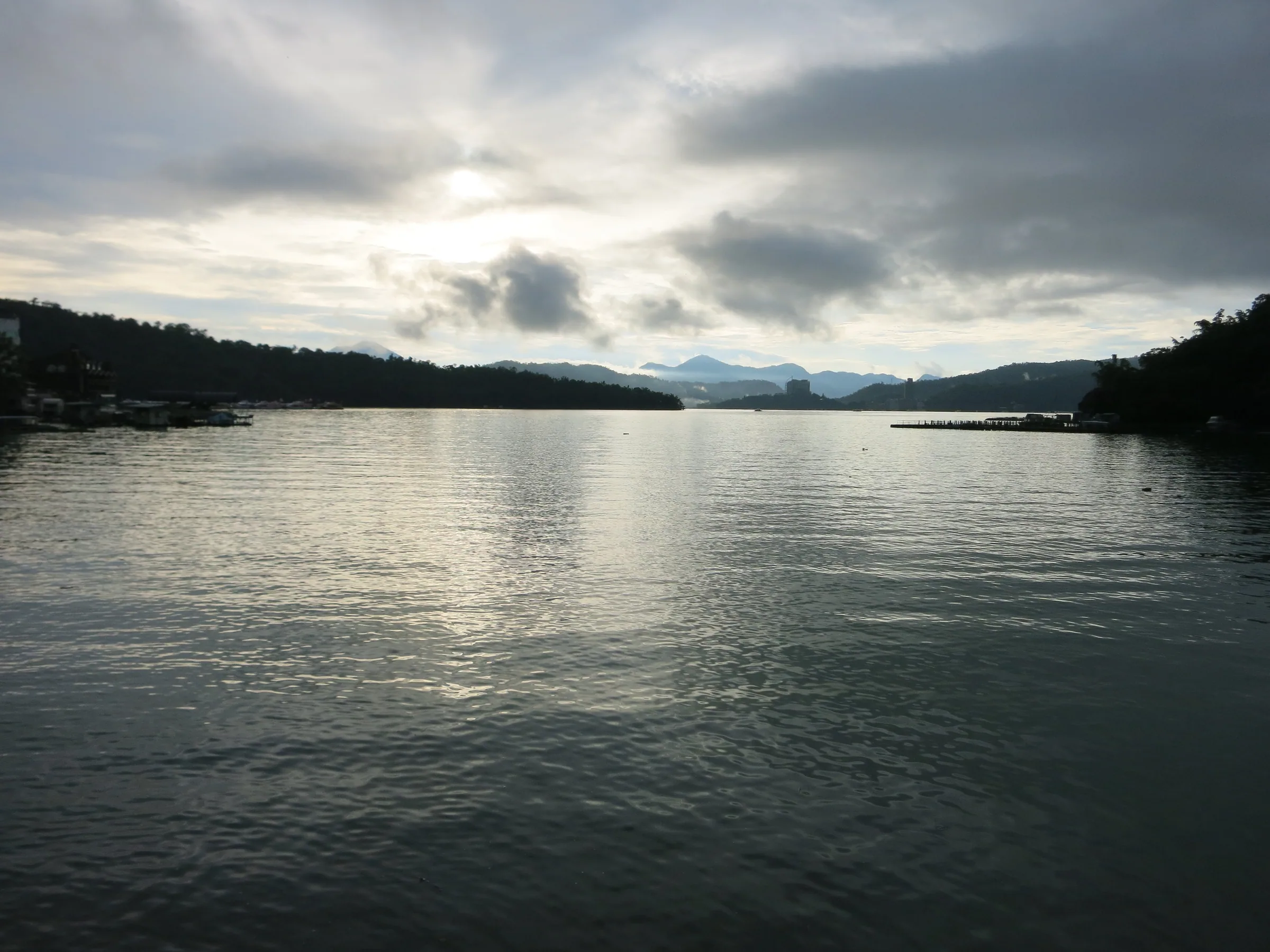
New Taipei City: The Ring-Shaped Metropolis Surrounding Taipei, Supporting the Capital's Commuting, Industry, and Memories with 4.01 Million People
Since the Spaniards laid the first brick at Tamsui's Fort San Salvador in 1628, 398 years have passed—247 years before Shen Baozhen established the Taipei Prefecture in 1875. Today, New Taipei City's 29 districts surround Taipei City's 12 districts, with 4.01 million people residing in this largest special municipality in Taiwan, and 390,000 people commuting across county lines to work in Taipei. However, this "ring-shaped metropolis" is not merely a dormitory city for Taipei—it holds the 1853 Banqiao Lin Family, the 1869 export of oolong tea from Tamsui to New York, the 1890s Jiufen and Jinguashi gold mines (Asia's first), the 1929 Pingxi Railway for coal transport, the 1947 carving of the Sanxia Ancestral Temple by Li Meishu, and the Wulai Atayal Dalannan Tribe. New Taipei City is a microcosm of Taiwan's 400-year history, situated just outside Taipei City.
Penghu County: Twice Rejecting Casinos, the Chrysanthemum Island Chose Not Poverty
On September 26, 2009, the public vote was cast: 17,359 against, 3,962 for the casino. Seven years later, in 2016, another vote was held, with 81.07% opposing. This offshore island, with an annual rainfall of only 1,000 mm and a registered population of 108,000 but only 80,000 residents, held the nation's first local gambling referendum, and then held it again. In the same waters, in 1604, Shen Yourong forced the Dutch to retreat; in 1622, the Dutch moved from Fengchwei to Tainan; in 1885, French Admiral Courbet died of illness in Magong Harbor. The 17.4-million-year-old basalt columns remain; 89 islands are made of black volcanic rock, and one is of older andesite. In the winter's vegetable stone walls, crops grow in the leeward areas.
Pingtung County: The Nation's Turning Points Happened Here, and Taipei Has Never Really Remembered
On May 22, 1874, Japanese lieutenant colonel Sakuma Samata led 150 men into the Shimen gorge, where Paiwan chief Aruqu and his son were killed in battle. This fight made the Qing court reverse its Taiwan policy: Shen Baozhen came to establish Hengchun County, and Eluanbi Lighthouse was built in 1883. Pingtung County's 780,000 people are spread across 33 townships, towns, and cities, with five Indigenous peoples living alongside six Hakka Liudui townships. At 4:30 a.m. in 2009, the Linbian floodgate could no longer hold. The history that changed Taiwan began from this peninsula twice, but all the capital remembers is Spring Scream in Kenting.
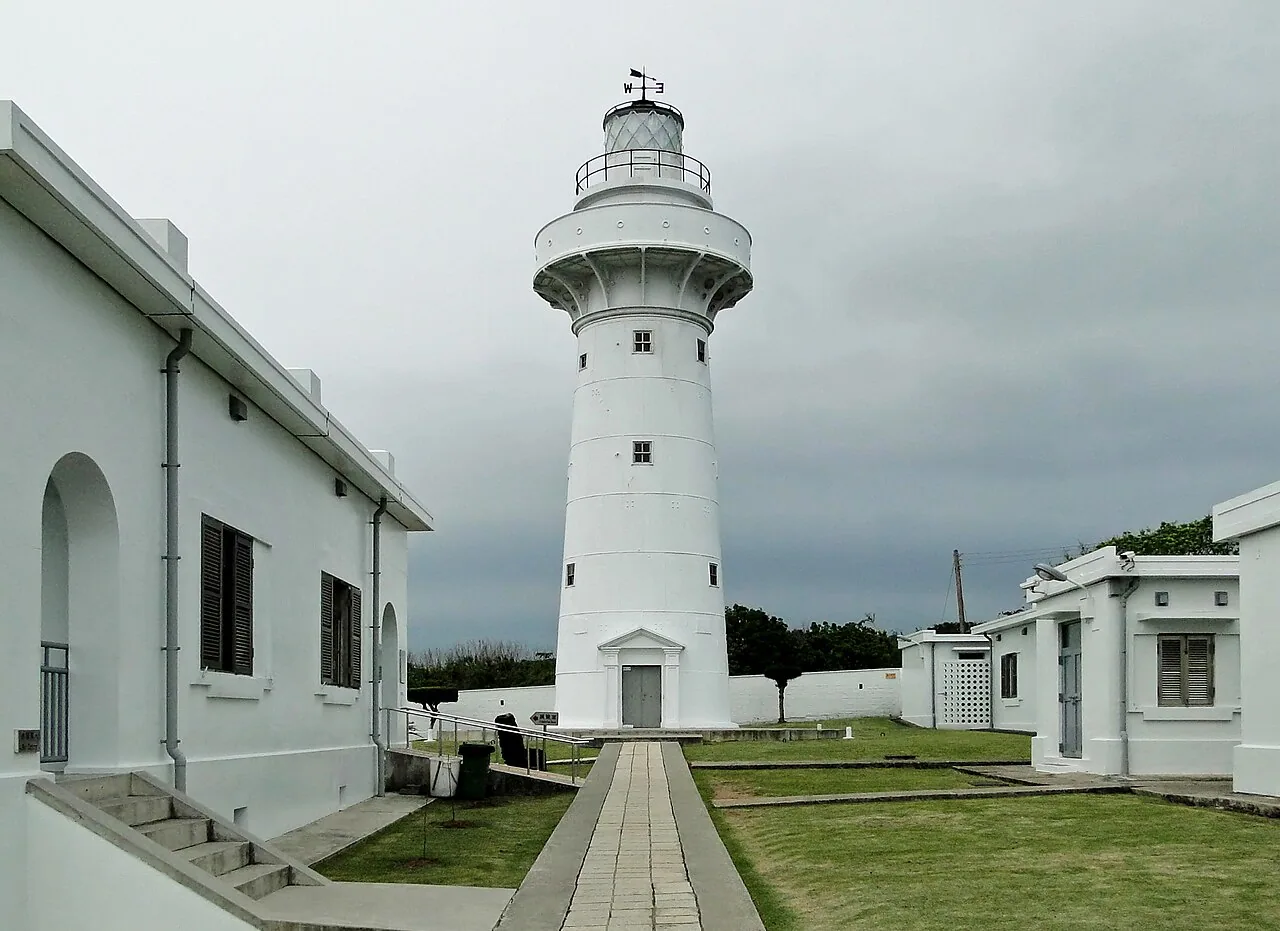
Taichung: A Capital That Almost Was, a Second Direct-Administered City That Took 123 Years
In 1887, Liu Ming-chuan petitioned for Taiwan Province, selecting Qiaozaitou (modern Taichung) as the provincial capital with a Bagua-shaped city plan. Construction began in 1889. In 1894, Shao Youlian moved the capital north to Taipei, halting the Taichung project. On October 1, 1920, the Japanese established Taichung Prefecture. In 1955, Providence University broke ground on Dadu Mountain; the Luce Memorial Chapel was completed in 1963. On the early morning of September 21, 1999, the Chelungpu Fault tore from Jiji in Nantou to Dongshi in Taichung; 358 people died in Dongshi. On December 25, 2010, the county and city merged to become a direct-administered city with 29 districts. In 2016, the National Taichung Theater designed by Toyo Ito opened in Xitun District. 2.86 million people live in this city that waited 123 years.

Tainan City: A Layering of 261 Years as Capital, 400 Years of Antiquity, and 21st Century Chips on One Land
From the Dutch establishment of Fort Zeelandia in 1624 to the rise of modern semiconductor industry; a history spanning colonialism, resistance, and technological leaps is layered across the Tainan plain.
Taipei City: Three Times in One City, Longshan Temple (1738) Gazing at Taipei 101 (2004)
Wanhua has the Longshan Temple from 1738. Three kilometers away, when Taipei 101 was completed on New Year's Eve in 2004—built on the former Japanese Matsuyama Warehouse and post-war 44th Ordnance Factory land—it was the world's tallest building. Walking further to Datongcheng, Li Chunsheng used Ulang tea from the 1860s to support Taiwan's external trade in Northern Taiwan. In the same basin, three moments—1738, 1885, and 2004—exist side-by-side.
Taitung County: Two Offshore Islands, One Held Political Prisoners for Thirty-Six Years, the Other Has Stored Nuclear Waste for Forty-Two Years
Taitung County's 210,000 people are scattered across 3,515 square kilometers, the lowest density in the country: only 60 people per square kilometer, one percent of Taipei's. Yet this county contains Taiwan's earliest human settlement (the Peinan Site, 5,300 years ago, with 1,600 stone coffins), is home to six Indigenous peoples (Amis, Puyuma, Paiwan, Rukai, Bunun, Tao), and has Taiwan's highest Indigenous population share at 37.5%. From 1951 to 1987, Green Island's Huoshao Island held political prisoners for thirty-six years. Beginning in May 1982, Longmen on Lanyu began receiving nuclear waste; forty-two years later, 97,672 barrels are still there. On August 25, 1968, seven Bunun children from Hongye Village defeated Japan's Kansai Little League all-star team seven to zero (not a world championship team), and Taiwan's myth of baseball as the national sport began with this deception. Two offshore islands have borne the cost of an entire island.
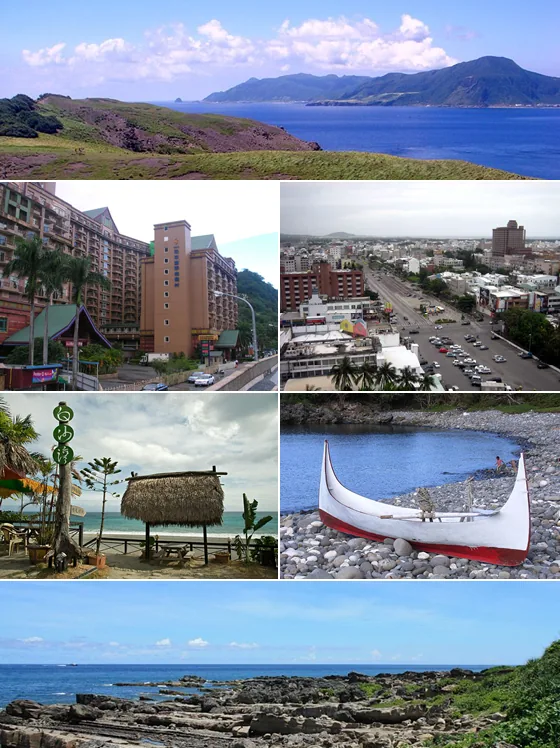
Taoyuan City: Taiwan's Gateway, Home to the Most Hakka, the Most Migrant Workers — All on This Patch of Tableland
On the evening of November 19, 1977, tens of thousands of people surrounded the Zhongli Substation, and police fired from an elevated position, killing Central University student Chiang Wen-hsiung and 19-year-old Chang Chih-ping. Hsu Hsin-liang won the election for Taoyuan County Magistrate with 230,000 votes against 140,000. Three months and three months later, on February 26, 1979, Taoyuan International Airport opened, and Taiwan's external door moved from Keelung Port to this tableland. On December 25, 2014, Taoyuan was upgraded to a direct-controlled city, becoming the last of the six cities. Today, 2.35 million people live on this 1,221 square kilometer tableland, with over 800,000 Hakka people — the most in the country — and 132,158 migrant workers — also the most in the country. Taoyuan is Taiwan's most diverse boundary.
Treasure Hill: The Informal Settlement Slated for Demolition for 30 Years That Became Taipei’s Coolest Artist Village
In July 1980, the Taipei City Government designated this hilltop as the planned site of Park No. 297, putting more than 200 illegal structures into a state of “waiting to be demolished.” Actual demolitions took place in 1993, 1994, and 2001, but after the 1997 Kangle Li incident, the city shifted toward “in-situ preservation,” and the international artist village opened on October 2, 2010. Thirty years of demolition rulings ultimately became an “art-residence symbiosis” settlement that has hosted more than 500 artists from over 40 countries: a Guanyin temple first renovated in 1791, a group of people who built their own homes in the 1960s, more than 20 original households that stayed, and a rotating cohort of international resident artists every three months, all living together on a small 46-meter-high hill.
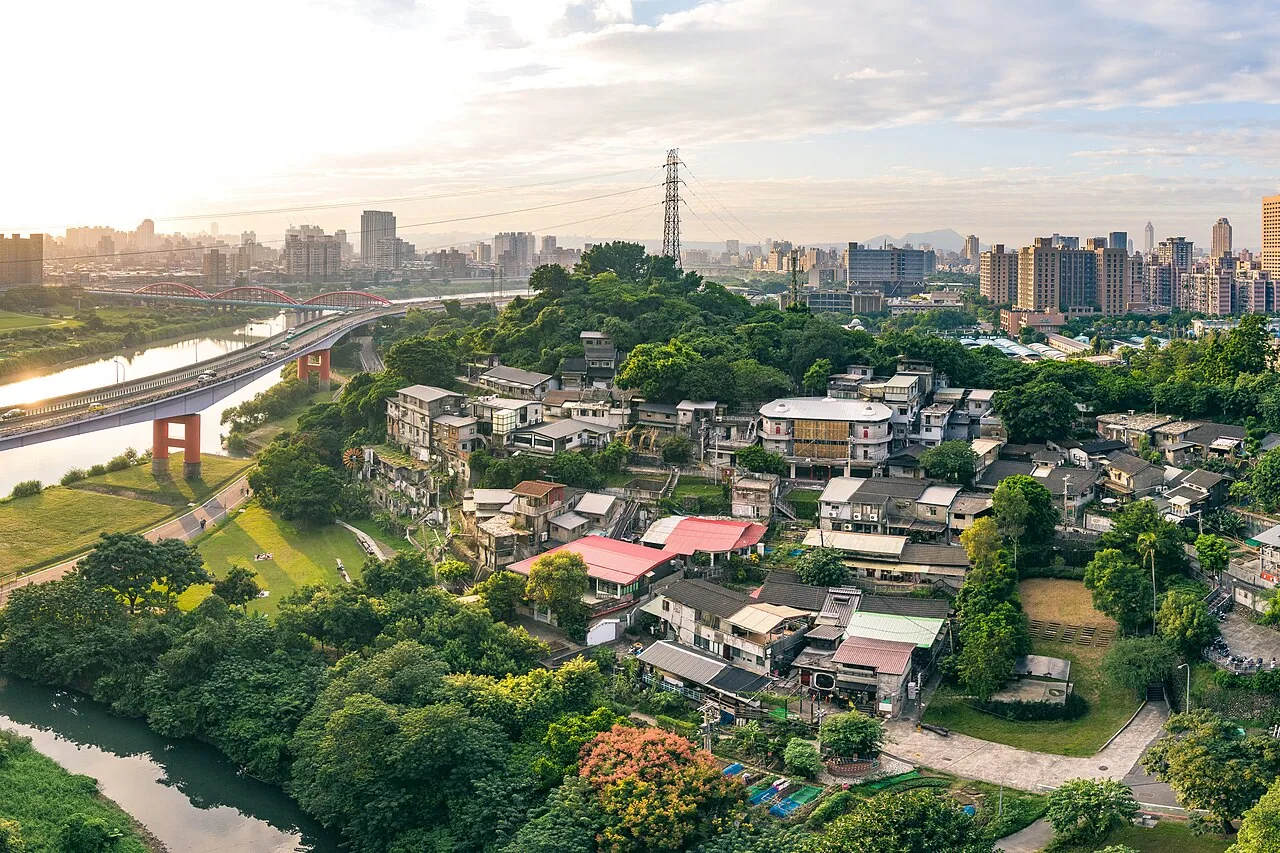
Ximending: The Entertainment Street the Japanese Built in 1896 Is Still Taipei’s Youngest Street 130 Years Later
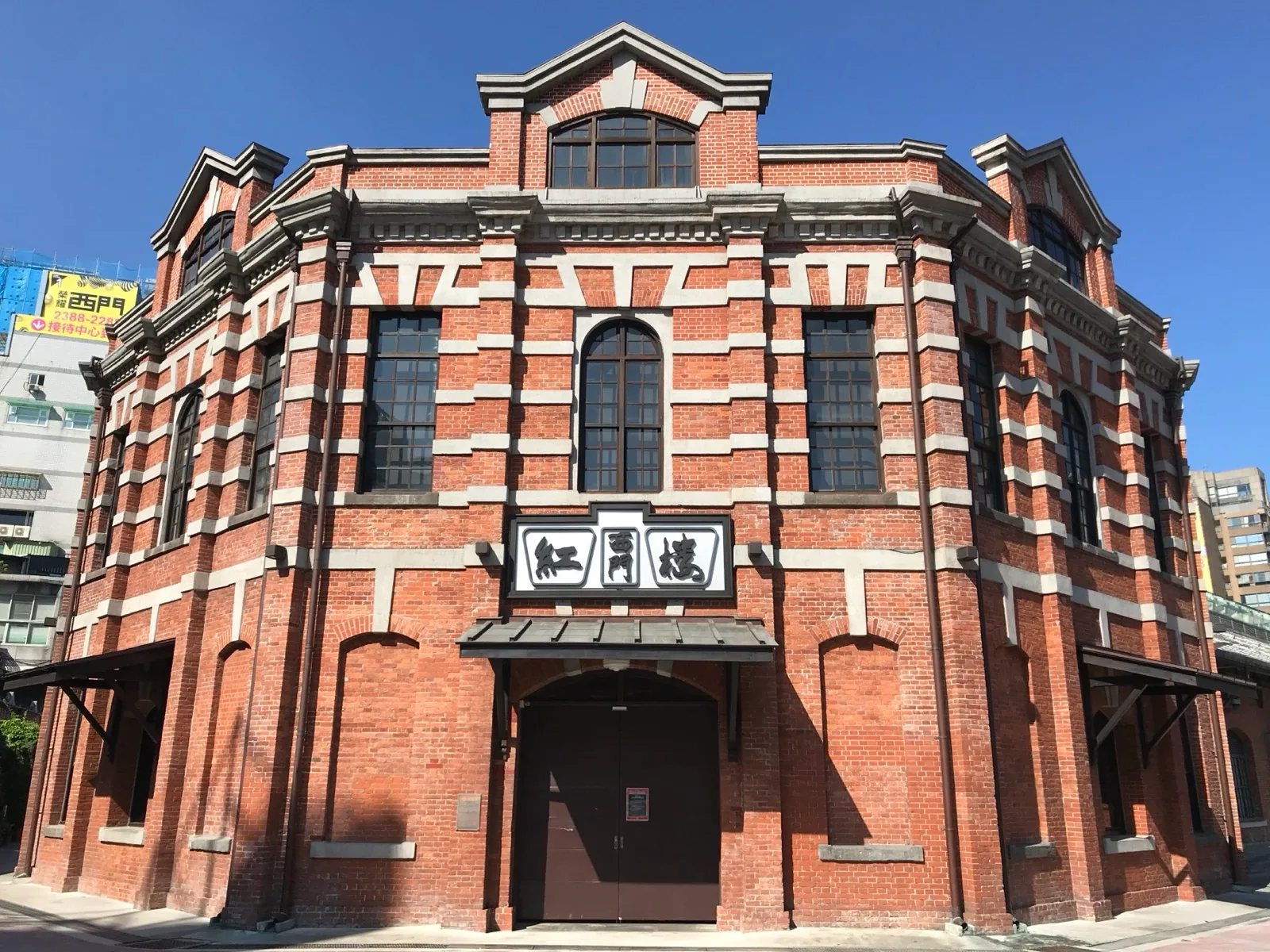
In December 1908, the Ximen Red House designed by Juro Kondo opened for business: two brick market buildings, an octagonal hall and a cruciform building, that the Japanese Empire gave Taipei as its own 'Asakusa.' Thirty years later the Japanese left. In 1961, the eight buildings of Chunghwa Market grew along the longitudinal railway, and in 1992 they were demolished together with the railway. In 1999, the pedestrian zone was designated and the Bannan Line opened, turning Ximending into Taipei youths’ open-air living room. From outside the Qing-era city walls, to a Japanese-era entertainment district, a postwar movie street, martial-law-era MTV lounges, post-martial-law hip-hop and skateboarding, and on to cosplay and gay bars in 2026 — beneath the same octagonal hall, five generations of young people have already passed through.
Yilan County: Twice Choosing Its Own Fate, the Lanyang Plain Never Looked Back
On the evening of December 13, 1987, Chen Ting-nan sat across from Wang Yung-ching in a CTS studio and kept the Sixth Naphtha Cracker off the Lanyang Plain. Nineteen years later, on June 16, 2006, the Hsuehshan Tunnel opened, cutting the trip from Taipei to Yilan from two hours to 40 minutes. Then, within ten years of its opening, 6,137 farmhouses rose across this rice granary, farmland prices jumped from NT$4,000 to NT$20,000 per ping, and in 2023 Yilan County alone issued 35% of all farmhouse building permits in Taiwan. Twice, at critical moments in history, one place made a choice; the Lanyang Plain accepted the costs together with the gifts.
Yongkang Street: Where Japanese Professors Once Lived, Mainlanders Fled to, and Japanese and Korean Tourists Now Find Their Taipei
At 7:30 in the morning, under the old trees beside Yongkang Park, an elderly mainlander grandfather sits on a stone bench holding the morning paper. In 1922, the Japanese planned Shōwachō here; Taipei Imperial University faculty lived in Japanese-style dormitories at No. 7 Qingtian Street. After 1947, mainlander officials and National Taiwan University professors took over the same dormitories: Ma Ting-ying moved into Qingtian 76, and Chou Te-wei moved into what is now Wistaria Tea House. In 1958, Yang Bing-yi opened Din Tai Fung as a cooking-oil shop on Section 2, Xinyi Road; in 1972 it switched to selling xiaolongbao. Today, in the queue stretching to the bend at Jinshan South Road, Japanese and Korean are heard more than Mandarin. Three generations of residents are layered onto the same 600-meter street.
Yunlin County: What Yilan Chose to Reject, Yunlin Paid for with Thirty Years of Its Lungs
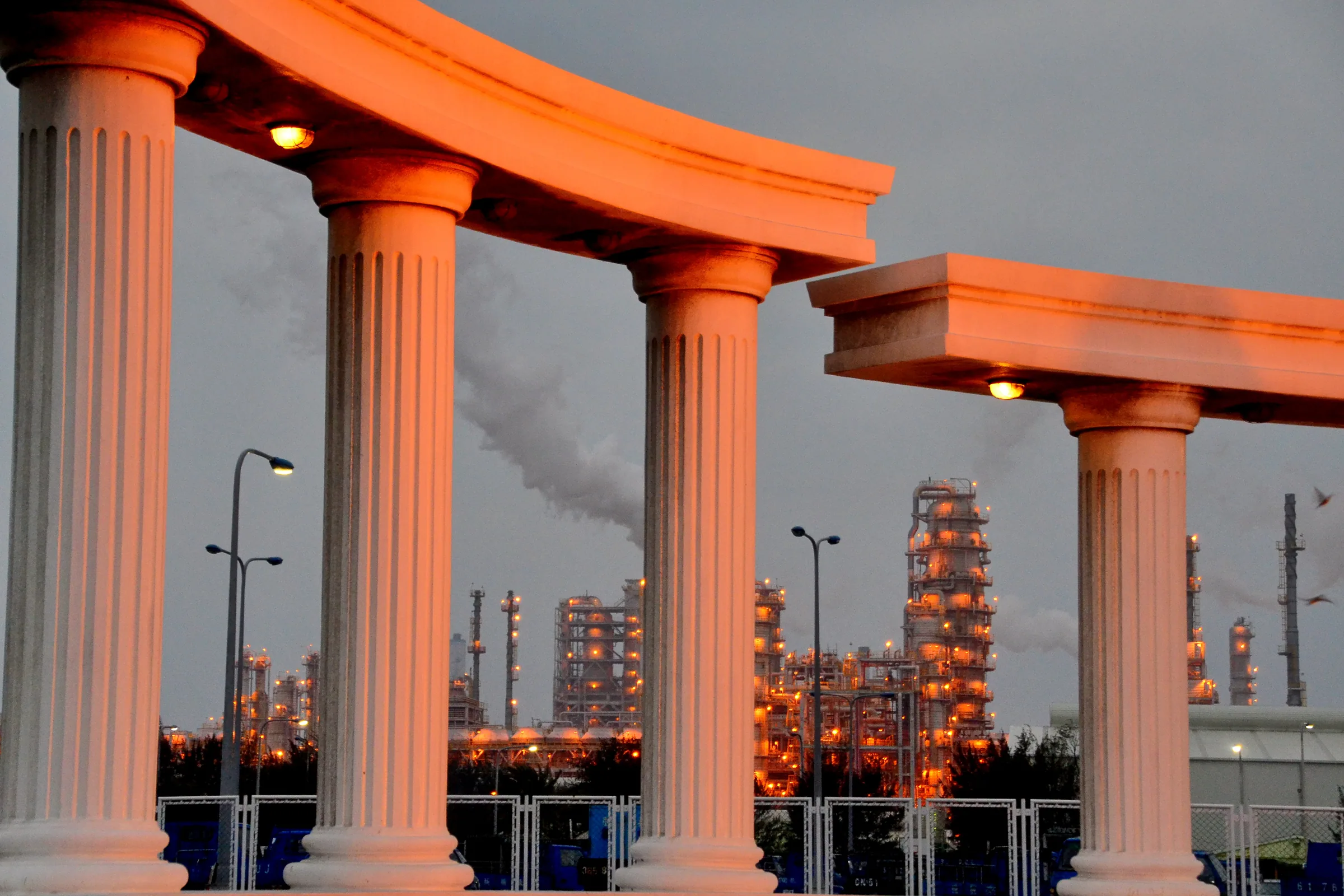
On December 13, 1987, Chen Ding-nan kept the Sixth Naphtha Cracker out of Yilan in a CTS studio. On June 26, 1991, the Executive Yuan approved moving the Sixth Naphtha Cracker to the waters off Mailiao, Yunlin. Construction formally began in July 1994, Phase I fired up in 1998, and 2,255 hectares have since been reclaimed from the sea. In 2011, a team led by Chan Chang-chuan at National Taiwan University's College of Public Health found that residents within 10 kilometers of the Sixth Naphtha Cracker had a cancer incidence 1.29 times Taiwan's average. Yet within the same county, Beigang Chaotian Temple has worshipped Mazu for 332 years since 1694, the 33rd year of the Qing Kangxi reign, and U.S. aid steel held up the 1,939-meter Xiluo Bridge on January 28, 1953. One county is at once home to one of Taiwan's oldest Mazu temples, its most important rice granary, and its largest petrochemical kingdom.
Zhongshan North Road Tiaotong: A Road the Japanese Built to Reach a Shrine, Ultimately Taken Back by Japanese Firms
On April 17, 1923, 19-year-old Japanese Crown Prince Hirohito rode by carriage from Taihoku Station along a 15-meter-wide road toward Taiwan Shrine at Yuanshan. The road was called Chokushi Kaido. In 1941, it was widened into a 40-meter, five-lane boulevard. In 1945 it was renamed Zhongshan North Road to commemorate Sun Yat-sen. In 1951, after the Korean War brought U.S. forces to Taiwan, Section 3 of Zhongshan North Road became an 'American concession.' In 1972, after Taiwan and Japan severed diplomatic relations, Japanese firms did not leave; in 1979, U.S. forces left; in the 1980s, Japanese firms took over Tiaotong. A road the Japanese built to reach a shrine was ultimately taken back by Japanese trading houses.
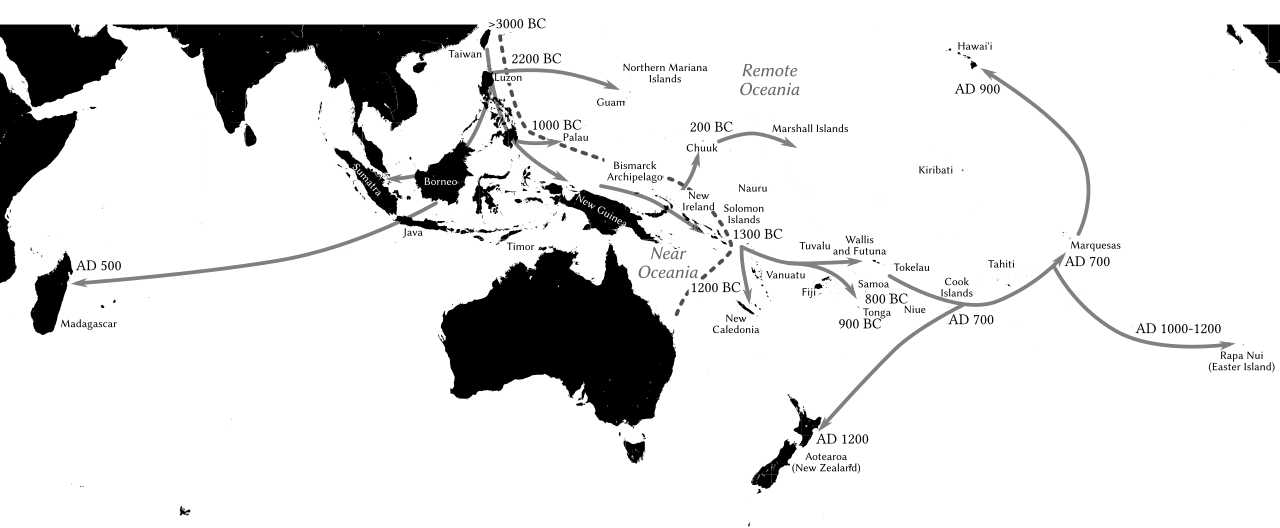
Archipelago Thinking: Placing Taiwan Back on the Map of the Malay World
Taiwan is not only an isolated island on the margins of China; it is also the northeastern edge of the Malay world, the homeland of Austronesian languages, and the starting point of Pacific dispersal. Rotate the map 30 degrees southward, and you will see another coordinate system that is entirely valid yet long overlooked.
The Bamboo Hat: A Couple Next to Longdu Junior High Weave Sixty Years of Curved Bamboo into One Hat
In 2017, Lin Rong-chun, in his eighties, was still splitting bamboo strips in Meinong, Kaohsiung; in 2014, Grandma Chen Lien-chin in Lung-chi, Tainan, made one hat an hour at age eighty-six; in 2016, Hsü Kuei-chu in Fuli, Hualian, sold one for only 150 NTD; in the 2022 Hakka TV documentary 'Chuan, Chuan', Wu Chin-yun and Hsu Pao-mei in Miaoli had been making them for fifty years. In its heyday, every household in Xianglin, Hsinchu, piled up curved bamboo; in Lung-chi, Taoyuan, thirty households produced a hundred hats a day—today, most masters who can make rough-work bamboo hats are over seventy, and after the 2024 increase in compensation for prohibiting logging on Indigenous reserved lands to 60,000 NTD per hectare, even the supply chain for harvesting curved bamboo is breaking. The bamboo hat hasn't disappeared from the fields; what has disappeared are the hands that could tuck bamboo leaves into the bamboo strip skeleton and secure them circle by circle with cotton thread.
Dragon Boat Festival: A Toolkit Ancient People Used to Fight Death, Which Taiwanese Turned into an Annual Reunion
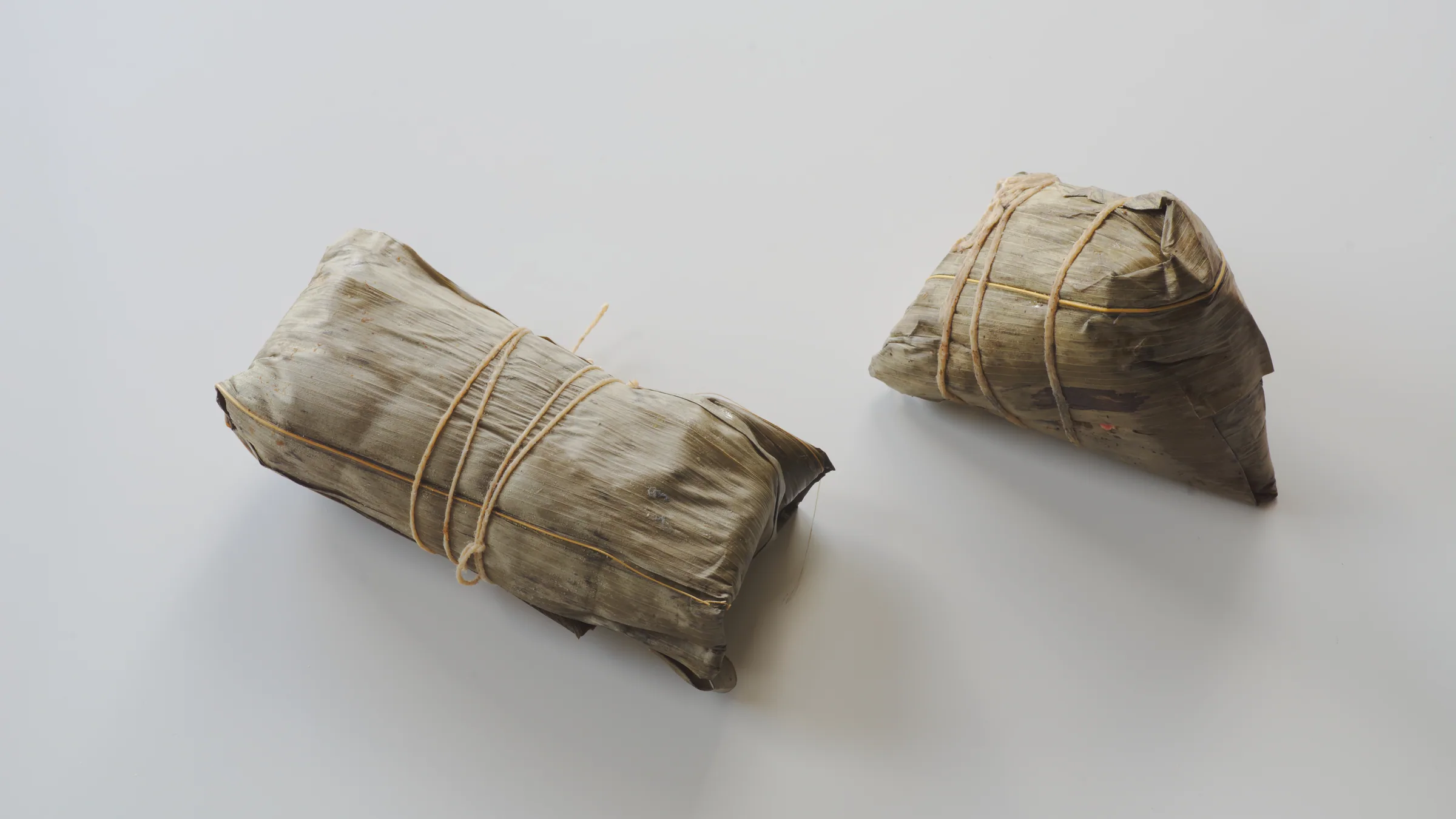
In the 2025 Comprehensive Assessment Program for Junior High School Students, one question asked fifteen-year-old students to design an experiment refuting the superstition of “balancing an egg at Dragon Boat Festival.” That scene condensed the secret of the entire holiday: mugwort, realgar wine, noon water, and the upright egg were all originally tools ancient people used to fight plague and death. Science has punctured their medicinal claims one by one, but Dragon Boat Festival in Taiwan is more alive than ever. The medicine has expired, yet Taiwanese still take it every year.
The Ghost Festival: From the Fear of Solitary Souls to a Collective Reconciliation on an Island
In Taiwan, the Ghost Festival is more than just reverence for spirits; it is a survival record of colonization, conflict, and ethnic integration. From the bloody reconciliation in Keelung to the extreme 'Ghost Seizing' (Qianggu) in Toudeng, this festival reveals how Taiwanese people transformed fear into a social treaty of peace.
National Theater and Concert Hall: From Authoritarian Symbol to People's Cultural Palace
When it opened in 1987, the National Theater and Concert Hall was a palace-style building memorializing Chiang Kai-shek, with iron gates keeping citizens out. In 2003 Ju Tzong-ching tore down those gates; in 2004 it became Taiwan's first administrative juridical person. The 4,172 pipes of the Dutch Flentrop organ are buried behind the wall. Artistic Director Liu Yi-ru says cultural venues must see the 'invisible barriers.'
Sky Lanterns: A Signal of Peace in 1820, 326 Kilograms of Mountain Waste in 2019 — The Same Pingxi People Carrying Two Identities
In the 1820s, the Hu family released the first sky lantern in Shifenliao as a signal of peace. Two hundred years later, on the Lantern Festival of 2019, American volunteers collected 326 kilograms of sky lantern debris along the Pingxi railway in just two hours. Earning, paying, cleaning — the chairman of the Sky Lantern Association is surnamed Hu, and the victim whose house burned down is also surnamed Hu. Eighty-eight-year-old Mama Cai, a vendor on the Old Street, and Chen Chien-chih of the Keelung River Guardian Alliance drink from the same river. In 2025, the autonomous ordinance was passed on its third reading. The people of Pingxi are now trying a fourth path of festival transformation.

Taiwan Advertising History: The Product Is Forgotten, But We Still Hum the Jingle
In 1968, the Tatung electric cooker's jingle sounded on television. Half a century later, people in Taiwan can still continue with 'Tatung, Tatung, domestic goods are good,' yet almost no one remembers that the melody was originally Sanyo's. From the print advertisements of the Japanese colonial-era Taiwan Nichinichi Shinpō, to the martial-law decades when only three television stations bound the whole country's attention to the same channels, and then to 2016, when digital advertising spending surpassed television, Taiwan's most remembered advertisements often leave the products they sold forgotten, while preserving the sound of an entire era.

Taiwan's Funeral Culture and Views on Death
From the wailing of professional mourners to the garden of Yongli Cemetery — Taiwan spent fifty years moving from burial to cremation, then another ten moving from columbaria to a spot beneath a tree.
Indigo Dyeing: Two Centuries Later, Cultivating the Same Strobilanthes cusia
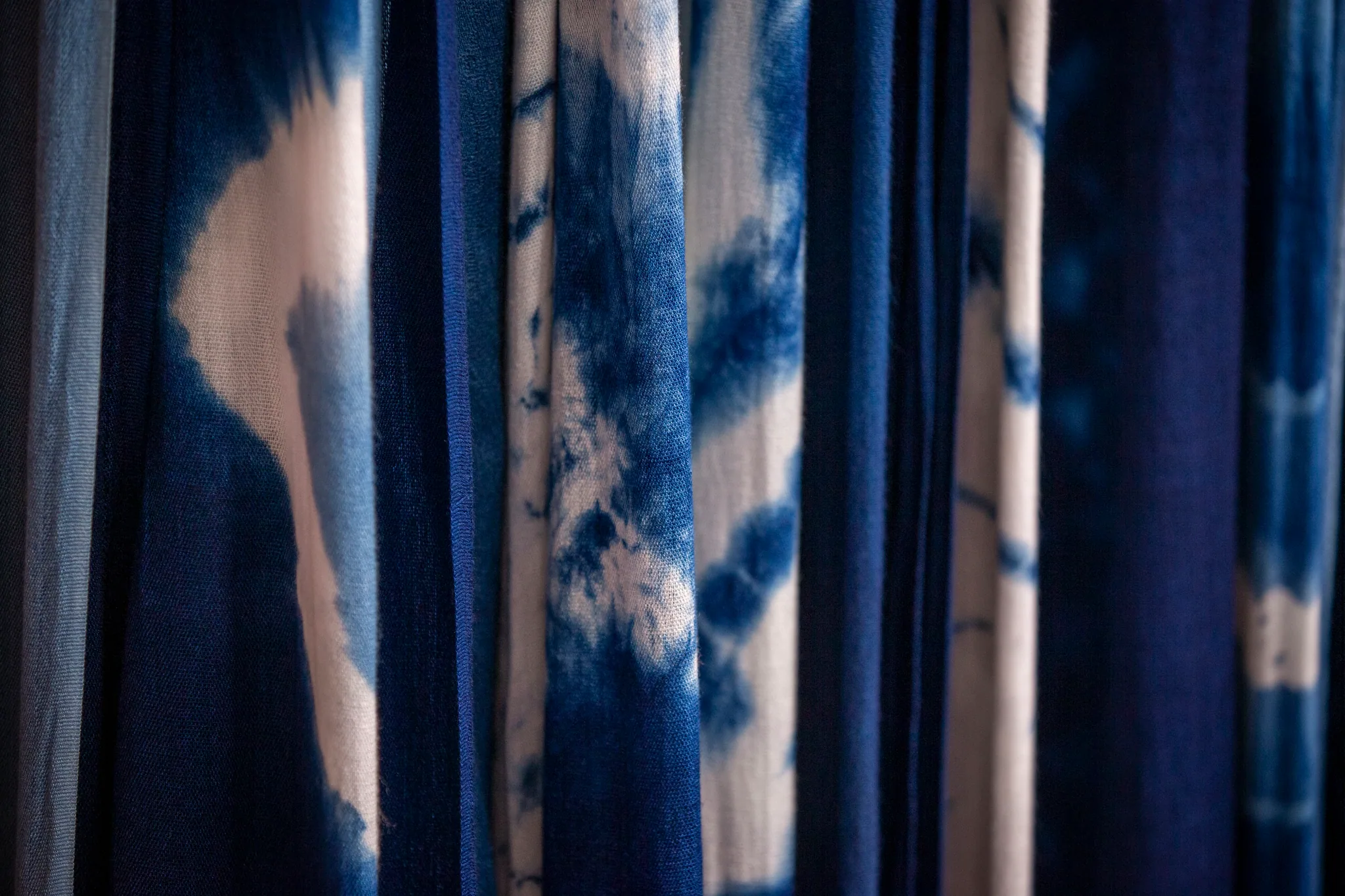
In August 1999, Chen Ching-lin guided the Sanxia Dye Workshop in producing the first blue scarf in over seventy years. From a major Qing-era export to just ten remaining households by 1940, this craft requiring patience for living bacteria now yields distinct answers in Sanxia, Miaoli, Taiping, and Chingliao: Is the goal of revival to restore a living vat of color, or to build a sellable brand?
Taiwan Soundscape: Garbage Trucks Playing Classical Music, MRT Birdsongs, and an Island Often Heard but Rarely Listened To
In the same year, Taipei Metro invited Summer Lei and CinCin Lee to turn arrival music into art, while removing the melody from its door-closing warning tone and changing it back to birdsong. Sound was aestheticized and functionalized at once. The sounds Taiwan seeks to eliminate through the Noise Control Act are, in fact, the landmarks by which we recognize that 'this is home.' A question from a master’s student in soundscape studies: understanding Taiwan can begin by asking, 'What sounds have we become accustomed to ignoring?'

Taiwanese Childhood English Names: Mary, Kevin, and the Naming Authority of Cram-School Teachers
From turning pages in a cram school to passport romanization to the Starbucks counter, that name was never one you chose. A history of naming that runs from Hess in 1983 and Sesame Street English's 1987 slogan, "NO CHINESE, ENGLISH PLEASE," through the Legislative Yuan's 2024 amendment allowing Indigenous names to appear alone, bringing the question back to that 30-second pause.
Taiwanese Glove Puppetry (Budaixi): From Temple-Square Bans to the Palm-Held Universe of Thunderbolt Fantasy
On March 2, 1970, Huang Jun-hsiung's Shih Yen-wen brought Taiwan's factories to a halt and emptied classrooms, scoring a 97% TV rating; four years later the government banned it on grounds of 'disrupting normal work schedules.' This palm-held art, having endured Kominka suppression, TV bans, and the videotape revolution, finally cracked open the global anime market with Thunderbolt Fantasy.
Taiwanese Shadow Puppetry: From Mituo, the 'Shadow Puppet Cradle,' to Kominka's Saru-Kani Gassen
The roots of Taiwanese shadow puppetry are in Mituo, Kaohsiung — legend says that Master A-wan, who came with Koxinga 300 years ago, left the craft in this small town. In 1937, the Kominka movement forced masters to perform Saru-Kani Gassen in Japanese, and the troupe was selected as the 'First Service Corps' and survived to this day. The Donghua Shadow Puppet Troupe, six generations strong, is the oldest family puppet theater still performing in Taiwan.
Apo's Hard Eggs: From an Accident at Fisherman's Wharf to Tamsui's Toughest Collective Memory
In 1983, a report in the *Min Sheng Bao* made "Haijiao Grand Hotel" hard-braised eggs famous overnight. This "accidental" delicacy—which became harder the more it was braised by sea winds—not only witnessed the rise and fall of Tamsui Fisherman's Wharf but also left behind a historical mystery involving the founder Apo (阿哖婆) and Yang Bi-yun.
Gua Bao: From Fuzhou’s Tiger Bites Pig to BAO London’s Michelin Symbol
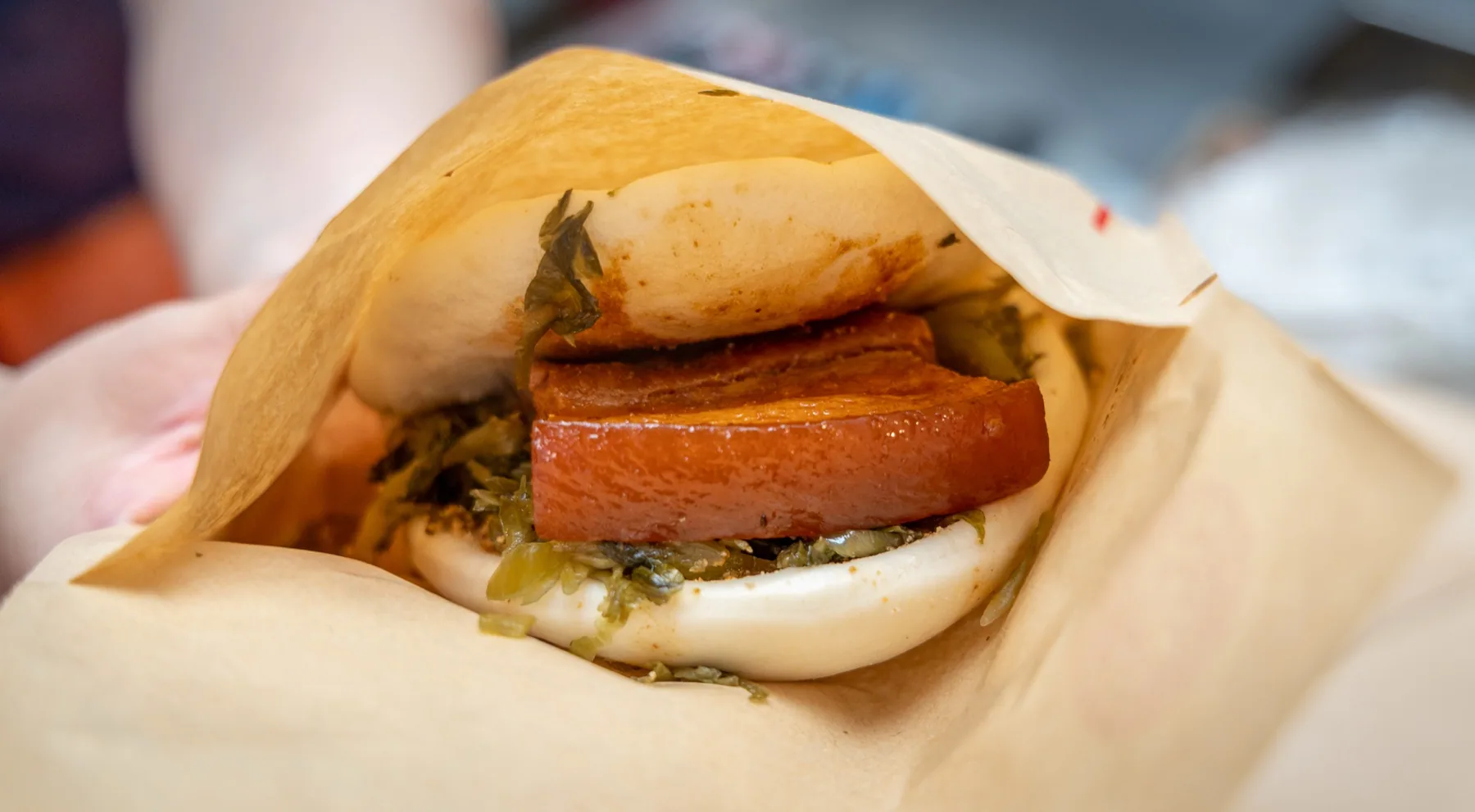
In the 1927 diary of Hsinchu gentleman Huang Wang-cheng, “tiger bites pig” was a snack served at the weiya year-end banquet to reward workers. A century later, the line on Lexington Street in London’s Soho waits for the same folded wheat bun, and the Michelin Guide has written it into its Bib Gourmand selections. This plump white folded snack carries within it Taiwan’s four centuries of Fuzhou migration history, the labor-management ritual of Tudigong weiya, and the story of how an artist from Taipei brought it onto the international table.
Puli Shaoxing Wine: A 'Taiwan National Liquor' Invented by an Exiled Regime in 1952
Built in 1917, but the first vat of shaoxing wine wasn't brewed until 1952 — the timing falls right after the Nationalist government's retreat. The Puli Distillery's story is an experiment in crystallizing political nostalgia into a commodity, using glutinous rice and well water. Today, when you pick up a Hua-Tiao Chicken instant noodle at 7-11, you're holding a flavor of Taiwan's postwar history.
Taiwan's Coffee Culture: The Island Where Convenience Stores Sell 600 Million Cups a Year
The first coffee trees planted in Gukeng, Yunlin during the Japanese colonial period grew, a century later, into a cityscape with a café every fifty meters. Louisa Coffee has opened more than 600 locations — surpassing Starbucks. Alishan coffee has made its way into international competitions. For Taiwanese people, coffee has never been just coffee.
Paul Chiang: After Forty-Five Years Away from Taiwan, Only After Coming Home Could He Paint the Best Work of His Life
In the winter of 1967, twenty-five-year-old Paul Chiang rushed to Paris to find Giacometti, only to discover that his idol had died the previous year. Over the next forty-five years, he sealed off the windows of his New York SoHo studio to search for the light within; in 1975, his Lamagna Gallery exhibition failed to sell a single painting. In the year his father fell in the 1990s, he returned to the incense smoke of Longshan Temple and painted the “Centennial Temple” series. He settled in Jinzun, Taitung in 2008 at the age of sixty-five; by the time the Paul Chiang Art Center opened in 2025, he was eighty-three.
Invisible Nation: An American Director Spent Seven Years Pressing the Shutter, Filming a Taiwan the World Decided Not to See
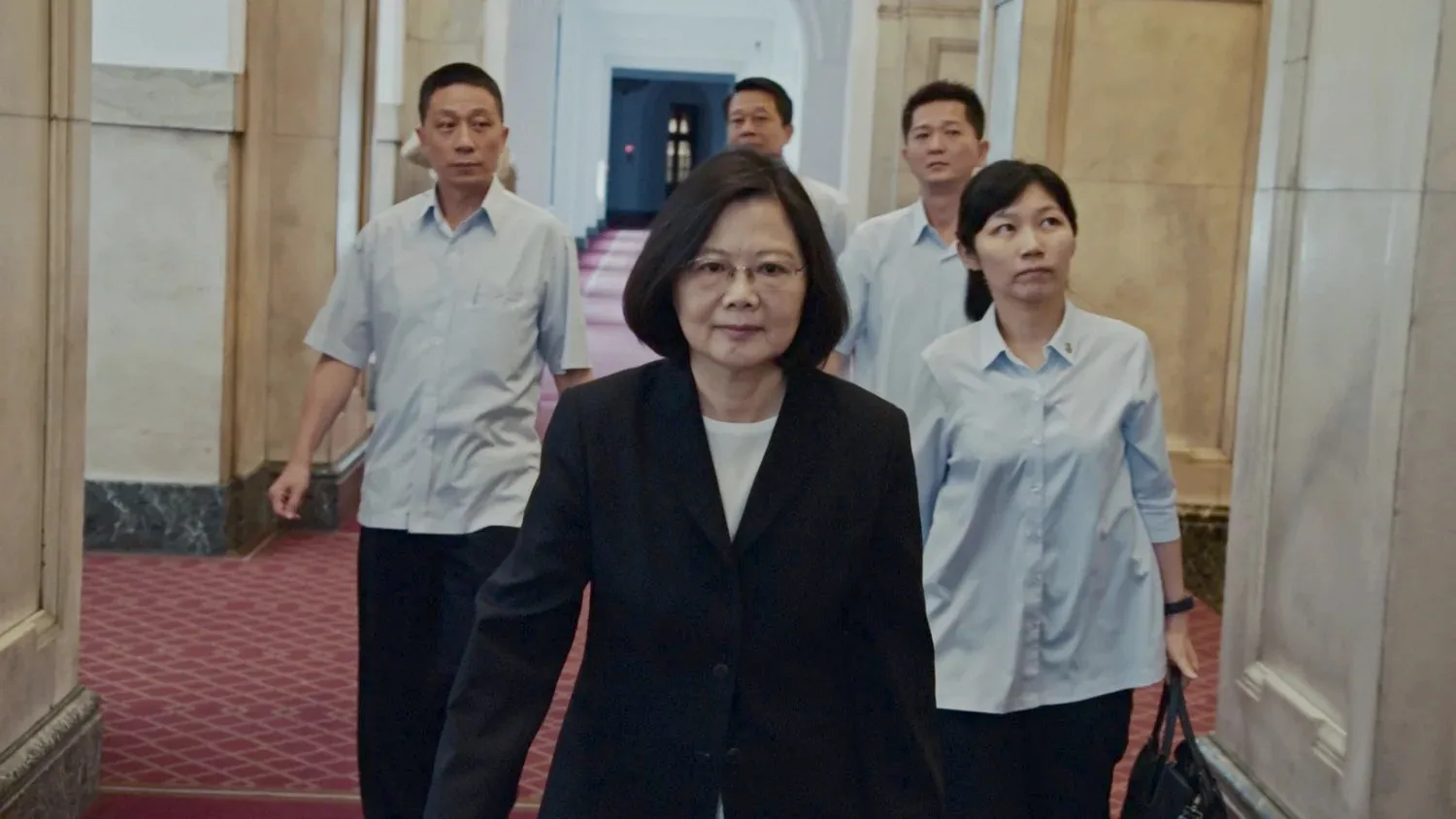
In Taiwan theaters in June 2025, a documentary made by an American grossed more than NT$37 million and became the third-highest-grossing documentary in Taiwan's film history. Vanessa Hope spent seven years and conducted five close-range interviews with Tsai Ing-wen, pushing before the camera a Taiwan removed from the United Nations, whose diplomatic allies fell from 22 to 12, and which can compete in the Olympics only as "Chinese Taipei." But the sharpest question about this film, made to let Taiwan "be seen," is whom it itself leaves outside the frame: seeing has never been a status, but an act.
New Ecological Art Environment: The Seven Years Before the Subsidy Structure, in a 400-Ping Old House on Yongfu Road in 1992
In June 1992, Du Zhao-xian opened the 'New Ecological Art Environment' in a 400-plus ping old building on Yongfu Road, Tainan. The National Cultural and Artistic Foundation had not yet been established, the National Taiwan University of Arts had not yet opened, and the MOCA's 'Reuse of Idle Spaces' policy was not yet online. It survived for seven years; when it closed its doors in 1999, the institutional nervous system of Taiwan's contemporary art was just beginning to grow. It ran ahead of all subsidy structures; by the time subsidies finally entered, such self-operated spaces instead began to exit.
Taiwan New Media Art
Sixteen key artists and forty years of digital art revolution — from 1980s video art pioneers to a Venice VR Grand Prize. How Taiwan wrote poetry in code and carved its name into the international art map.
Yeh Ting-Hao: The Audiovisual Artist Who Forced Accidents Out of 'Incorrect' Uses of Technology, Leaving Behind an Entire Ecosystem at 43
Born in Taoyuan in 1981, trained in computer animation at Fu Jen Catholic University's Department of Applied Arts and in technological art at Taipei National University of the Arts, Yeh Ting-Hao was known to friends as PUTA. From helping found Lacking Sound Festival in 2007, forming the audiovisual duo HH with Yao Chung-Han in 2013, co-running TouchDesignerTW in 2017, and taking over Fluid Noise in 2018, he was always doing one thing: taking tools apart so more people could use them. He died prematurely on November 12, 2024, at the age of 43. What he left behind was not a list of personal works, but the entire ecosystem of Taiwanese audiovisual art.
Fire EX — The Name They Found by the Pool, Twenty-Five Years of Singing
In the summer of 2000, three high school students from Kaohsiung's Sanmin MXHC spotted a red fire extinguisher and turned it into a band name. Twenty-five years later, their Taiwanese-language punk became the generational sound of the Sunflower Movement, they moved their label back south, and on the Takao Festival stage, they spent seven minutes telling ten thousand people: you can be disappointed, but don't become the kind of person you despise.
Labor Exchange Band (交工樂隊)
In the autumn of 1998, Lin Sheng-xiang closed his Tamsui bank account — balance: NT$57 — and returned home to Meinong. Together with poet Chung Yung-feng, he began writing songs for the anti-dam movement. From 1999 to 2003, Labor Exchange Band fused Hakka eight-instrument music with modern rock across two albums that documented rural communities struggling to survive in the era of globalization — the suona horn stood at the center of a Taiwanese rock stage for the first time.
Sodagreen: It Took Them Twenty Years to Realize They Had to Litigate for Their Own Name
Formed by four students on the stage of the 2001 National Chengchi University Golden Melody Awards; discovered by Lin Weizhe at the 2003 Keelung Sea Music Festival; after completing the Vivaldi Project's fourth installment and touring Beijing and Berlin, they were sued in 2019 and only reclaimed their name at the Taipei Arena in 2023—Sodagreen spent twenty years learning that the first step for a Taiwanese indie band to debut is to register their band name.

Sunset Rollercoaster: From a Photo Booth Background Shot to Coachella, 14 Years of Singing Taipei Sunsets in English
In 2010, a 19-year-old student casually chose the Mac Photo Booth preset 'Sunset Rollercoaster' as his MySpace profile picture. Fourteen years later, the band became the first Taiwanese band in more than two decades to be invited to Coachella. All-English lyrics, subtropical City Pop, and no reliance on the music industry system: from a casually selected silhouette of a roller coaster, they created one of the ways Taiwan has been heard most clearly by the world.

Beverage Sealing Machine: From the Inspiration of a Bowl of Radish Soup to the Technical Backbone of Global Hand-Shaken Drinks
In 1984, Yeh Yi-fang completed the prototype of the world's first tabletop cup-sealing machine, and in 1985 he founded Yifung. Developed in a living-room laboratory after burning out two hundred electric irons, this machine integrated four parameters: cup material, sealing film, temperature, and pressure. It ended the leakage problem in takeaway beverages and became part of the underlying supply chain that carried Taiwan's hand-shaken drinks to thirty-five countries worldwide: an unnamed invention supporting a beverage industry worth hundreds of billions of dollars.
COMPUTEX: Two of the Big Three International Computer Shows Have Closed; the Remaining One Grew in Taipei
In June 2026, Jensen Huang took the stage in Taipei, saying "It's great to be back home," with a backdrop featuring _lurou fan_ (braised pork rice) and braised pork knuckles. That same week, three CEOs delivered keynote speeches in succession; Taiwan’s HIWIN made its first crossover appearance, integrating reducers into humanoid robot joints. With Germany’s CeBIT and the US’s COMDEX both gone, this 45-year-old Taipei Computer Show has only grown larger because it is rooted on the island where nearly 90% of the world's AI servers are actually assembled.
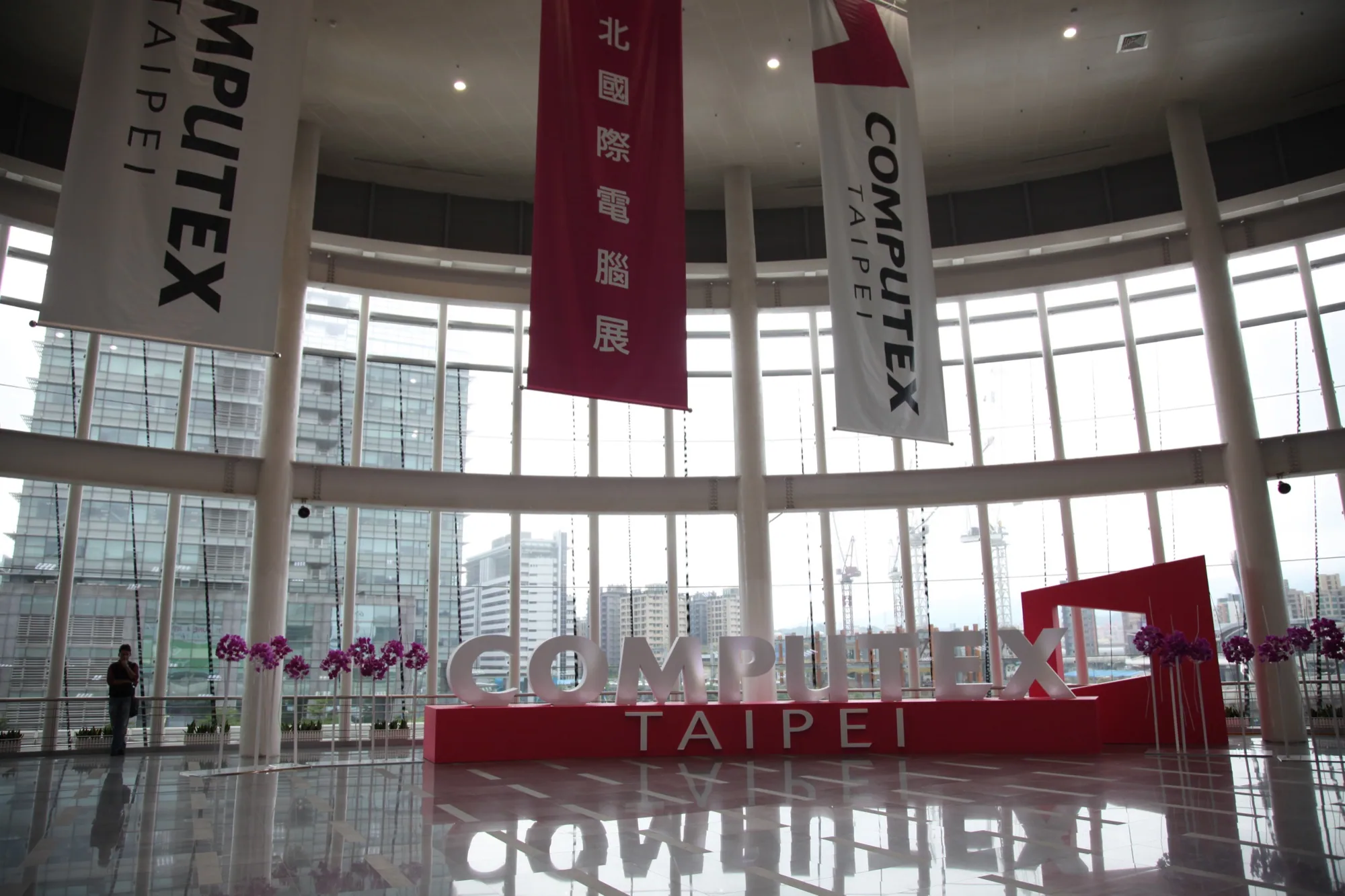
Facebook: From the 'Vegetable-Stealing' Craze to the Double-Edged Sword of Digital Democracy — The Blue Coordinate That Defined Two Decades of Social Life in Taiwan
In 2009, Happy Farm ignited a vegetable-stealing frenzy across Taiwan; in 2014, it became the mobilization nerve of the Sunflower Student Movement. Facebook in Taiwan has lived two identities — 'infrastructure' and 'cognitive battlefield' — and the 2025 censorship controversy gave it yet another title: the departure point of the FB refugees.
Hsuehshan Tunnel: From "Mission Impossible" to Taiwan's Engineering Miracle of Blood and Tears
On December 15, 1997, a catastrophic water inrush nearly claimed 300 lives and turned a billion-dollar tunnel boring machine into scrap metal. Listed in the Encyclopædia Britannica as one of the most difficult engineering projects in the world, this tunnel is more than a transportation artery — it is a miracle of blood and tears carved through quartzite harder than steel, built by 25 fallen workers and countless unsung heroes.
IG: From Photographers' Filters to Taiwan's 'Fragile' Anxiety
A filter from a beach in Mexico in 2010 has become the daily ritual for 11.3 million people in Taiwan fifteen years later. IG has evolved from a visual safe haven into an algorithmic battlefield in Taiwan, and the rise of 'fragile' Threads has forced the tension between refined aesthetics and real controversy to the surface for the first time.
NVIDIA in Taiwan: The World's Most Valuable Company Does Not Make a Single Chip Itself
At Computex in May 2025, Jensen Huang walked onstage in a leather jacket as the backdrop lit up with the logos of 55 Taiwanese companies: an American company publicly named an entire island's industries as its own physical body. From the 1996 letter to Morris Chang, to a market value breaking US$5 trillion, to the Taipei City Government spending NT$4.434 billion to clear a parcel of land for it, NVIDIA has lodged its entire body in Taiwan. Taiwan therefore holds the switch the world cannot turn off. Yet its gross margin is only 5%, its water and electricity are drained, and war risk is placed on the island: being indispensable to NVIDIA does not mean Taiwan calls the shots.

Open Culture Foundation: Doing the Most Boring Thing for Taiwan's Most Uncontrollable People
In 2020, the mask availability map went live in three days. All of Taiwan remembers the miracle. Nobody remembers who handled the project's receipts, contracts, and labor insurance filings. That back office was the Open Culture Foundation (OCF)—a decentralized movement built on the motto 'no one is omnipotent,' which, to keep hackers hacking, had to grow its own legal entity capable of issuing invoices and answering to a board of directors. A decade later, this back office that just wanted to help people file expenses became a name the international community thinks of when discussing digital rights in Taiwan.
Taiwan AI Academy: The Unfinished Phone Call and Ten Thousand AI Engineers
On March 27, 2020, Chen Sheng-wei solemnly called the editor-in-chief of CommonWealth Magazine: he wanted to create a free programming course for the public. Two days later, he fell while inline skating; 13 days after that, he died at age 44. When he passed away, Taiwan AI Academy (AIA), which he had founded in 2018, had already trained more than 6,000 people. At the same time, the National Development Council’s “AI Small Country, Big Strategy” called for NT$16 billion over five years; Chen built his own school with NT$180 million in private fundraising from six companies, including Formosa Plastics, Chimei, and Inventec. Eight years later, alumni exceeded 10,000. AIA is the most un-Taiwan-like piece of Taiwan’s industrial upgrading puzzle.
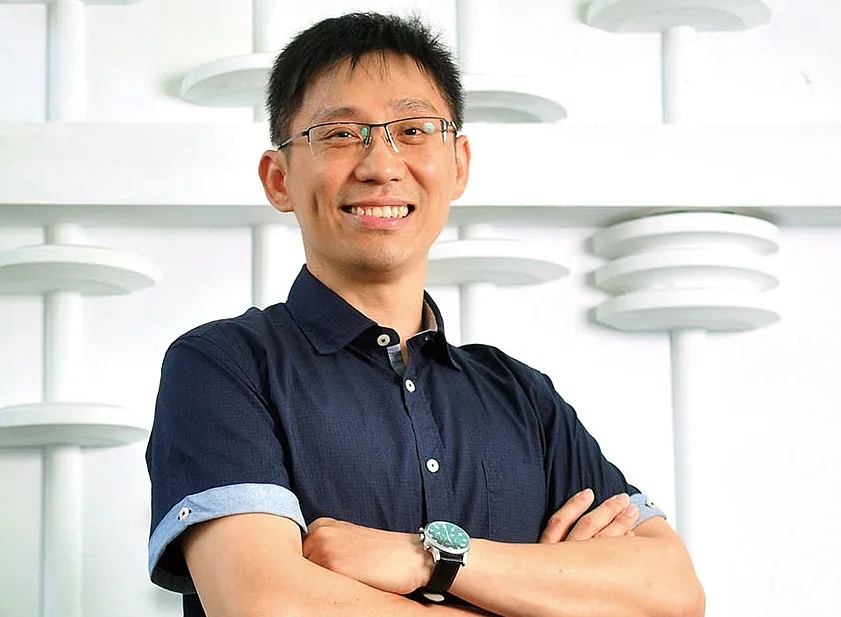
AI Enters the Classroom: 300 Agents to Catch Teachers Left Alone After Training
In 2026, Hsiao Bi-khim placed 300 AI agents designed by approximately 80 teachers into a shared marketplace. Two different surveys in Taiwan show that while 90% of teachers have been exposed to AI, 95.6% still have learning needs. From the three-hour workshop at Dajia Elementary School, the 'ouke' (picky customer) test at Neihu High School, to the Ministry of Education's Talent Ark Project, this article asks: The tools have entered the classroom; who will catch the teachers when they return? This is a more difficult educational project after the popularization of tools.
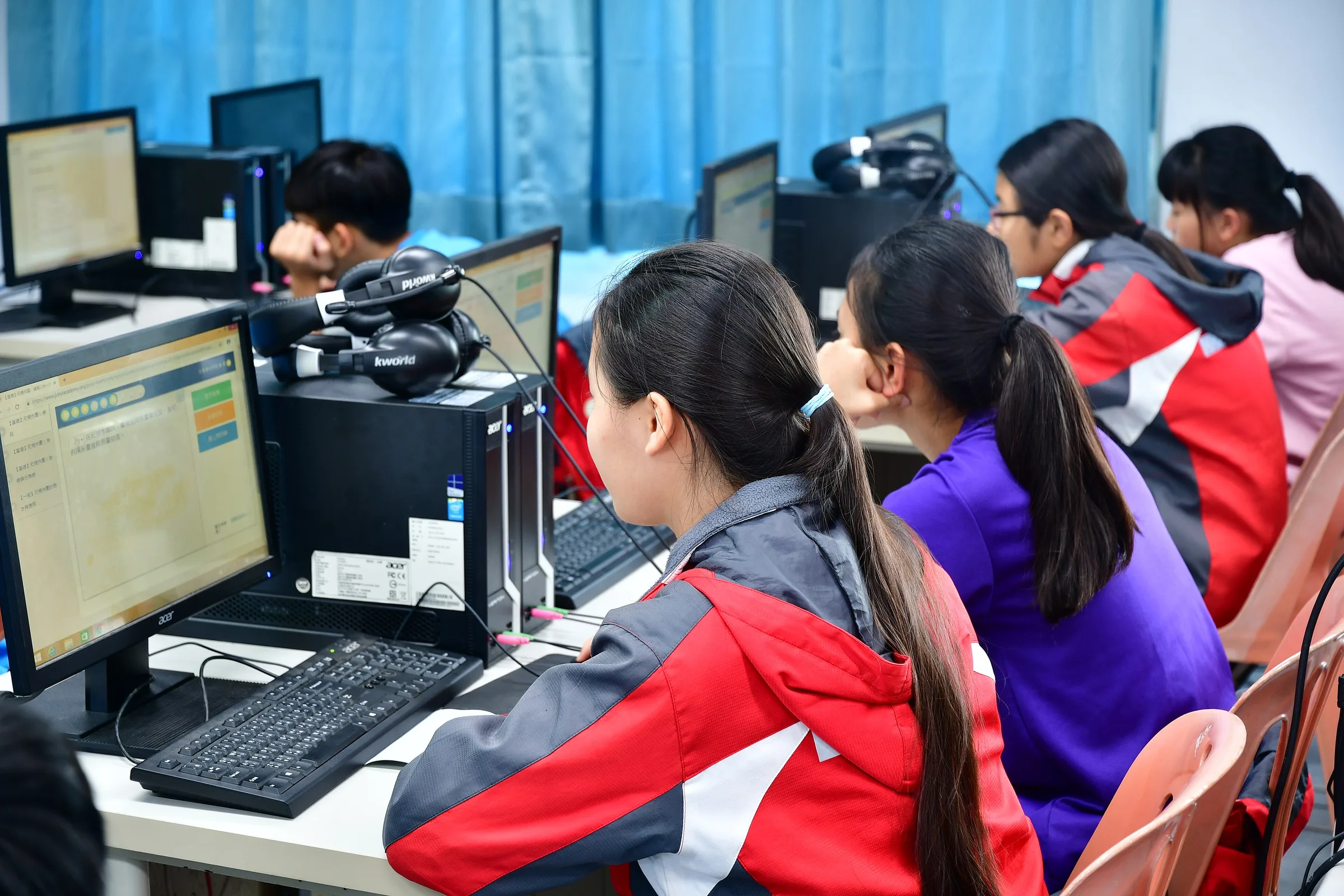
Tamsui River Bridge: A Colossal Landmark on the River-Mouth Horizon, Built for 'Transparency'
The Tamsui River Bridge is scheduled to open on May 12, 2026. Designed by the team of the late Dame Zaha Hadid, this single-pylon asymmetric cable-stayed bridge took thirty years of planning. Caught between the competing demands of preserving the famous Tamsui sunset and relieving traffic congestion, it redefines Taiwan's river-mouth landscape with fluid, sweeping lines.
Taiwan's Marine Ecology and Coral Reef Conservation
Surrounded by sea on all sides, Taiwan is home to rich marine ecosystems. From the coral bleaching crisis to cetacean conservation, this piece explores the protective outcomes of marine national parks and the challenges ahead.
Au Sow Yee: The Malaysian Curator Who Brought the "Archipelago" into Taiwan’s Art World
In 2003 she left Kuala Lumpur for Taipei to study at Taipei National University of the Arts, thinking she was only passing through; fourteen years later, in Taipei, she began replacing the Cold War name “Southeast Asia” with “Nusantara,” or “archipelago,” bringing the Malay world’s self-naming into Taiwan’s curatorial discourse. From the fictional-place trilogy The Mengkerang Project and The Kris Project entering the Singapore Art Museum collection, to her 2024 collaboration with Chen Yow-Ruu interviewing stateless children in Malaysia, she once said in an NML interview: “It is precisely because of my ‘absence’ that I could make this work.”

Brian Tseng: He Can Calculate a Punchline, but Not Society
Born in 1990, Brian Tseng went from headphones on a desk at Taipei Municipal Jianguo High School to double majors in foreign languages and psychology at National Taiwan University, master's degrees in Brain and Mind Sciences at University College London and Integrative Biology at Pierre and Marie Curie University, and finally, on the eve of applying to PhD programs, turned toward stand-up comedy. He and Hauer Hsieh co-founded STR Network, moving Taiwanese talk shows from open mics at Comedy Club to a 13,000-person Taipei Arena show, while using the same neuroscientist's precision to miscalculate the social-emotional weight of a Cheng Nan-jung joke, a delivery-worker video, and an entertainment-tax lawsuit.
Cheng Chou-yu: The Wanderer Who Wrote “Error” and Finally Registered His Household in Kinmen
In 1955, the 22-year-old Cheng Chou-yu wrote in On Dreamland, “My clattering horse’s hooves are a beautiful error,” and Taiwanese readers read it as a love poem for seventy years. In his later years, however, he clarified that it was an antiwar poem, depicting the scene of his mother in China’s interior during the War of Resistance, waiting in vain for his father to come home. In 2005, after retiring from Yale, he returned to Taiwan and moved his household registration into that of Cheng clan relatives in Kinmen County. At 4:44 a.m. on June 13, 2025, he died in the United States of heart failure at the age of 91.
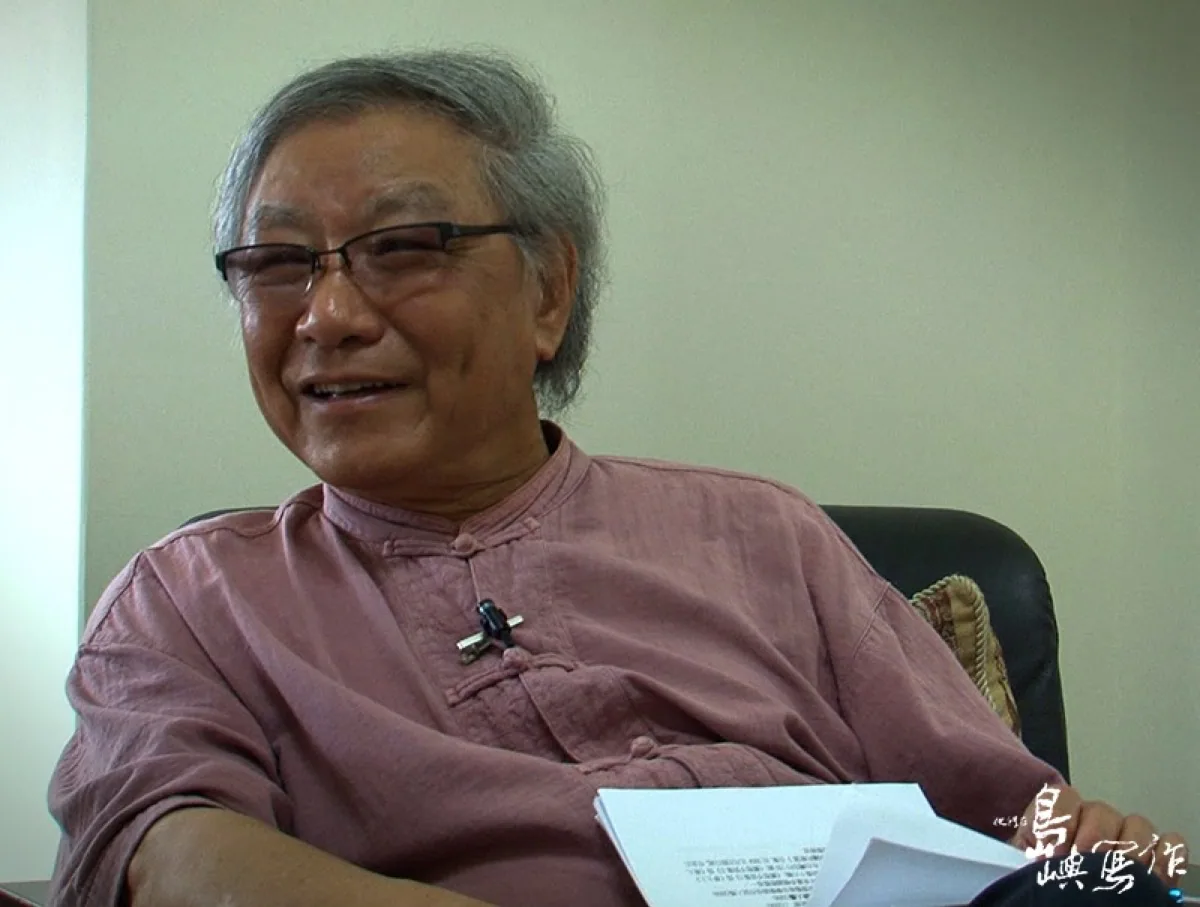
Ed Chi: The Taiwanese Who Taught AI to 'Think Step by Step' Brought Cognitive Psychology into Machines
Ed Chi is the Research Vice President at Google DeepMind and co-author of the Chain of Thought paper that taught AI to 'reason step by step.' This Taiwanese who grew up in Tamsui turned the cognitive psychology concept of 'how humans learn' (Piaget's schema theory) into a method for teaching machines to reason. And this breakthrough that changed AI cost only about $5,000, because it was never a problem that computing power could solve.
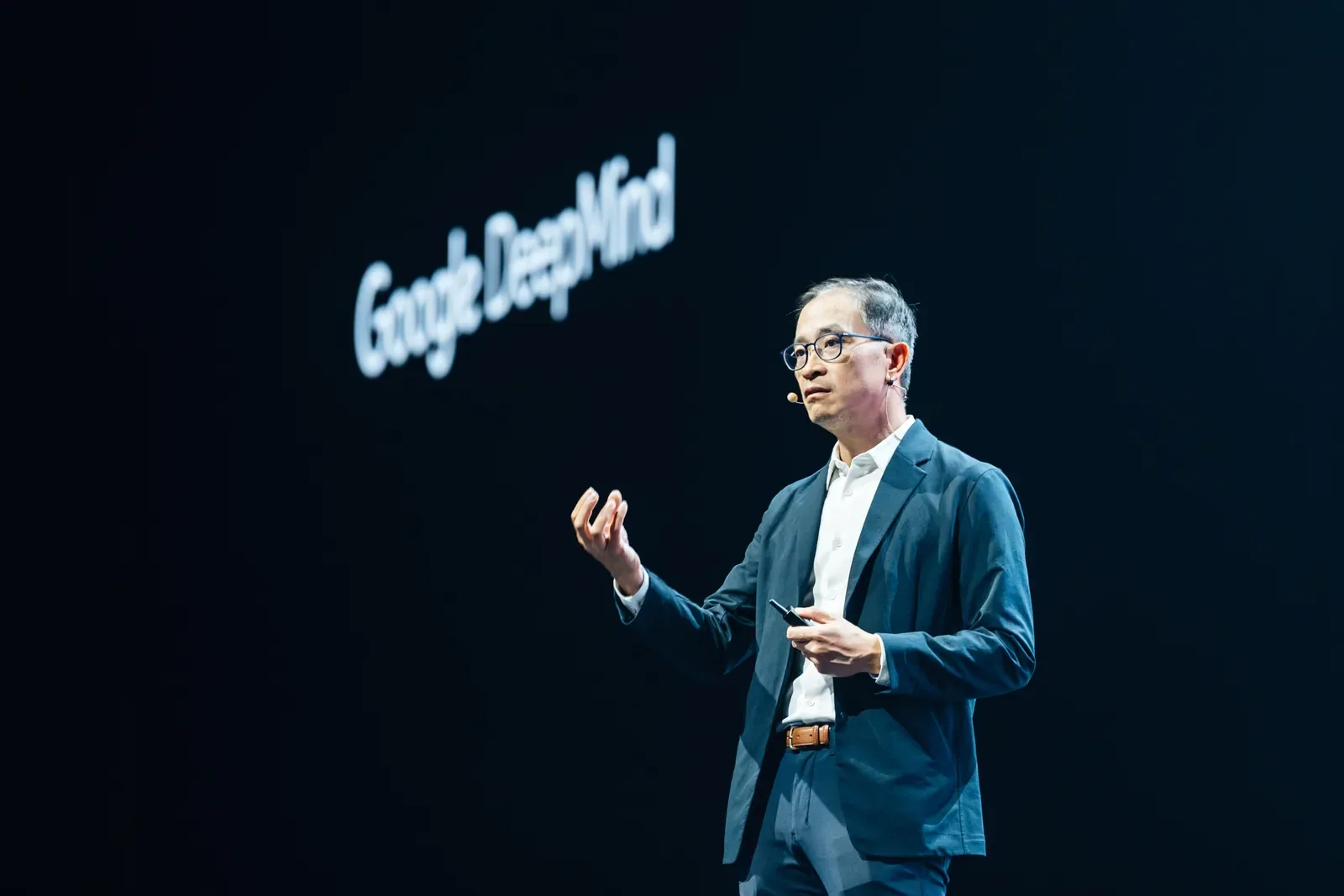
Chia Yung-chieh: The Taiwan Experiment of Converting Celebrity Social Capital into Public Mobilization Power, Again and Again
From her 2000 debut in a CTV prime-time drama, to raising NT$68.04 million in two days in 2021 to secure 252 HFNC units for frontline hospitals, to becoming the sixth chairperson of Taipei 101 in 2024, to the January 25, 2026 live global broadcast of Alex Honnold free-soloing the 508-meter Taipei 101—Chia Yung-chieh has walked a path with no precedent in Taiwan: a celebrity's social capital repeatedly converted across boundaries into public mobilization power, each step met with an equal measure of scrutiny, answered each time with an even larger mobilization.
Cho Jung-tai: From Hsieh Chang-ting's Legislative Aide to the Premier Who Refused to Co-sign the Fiscal Revenue and Expenditure Act
The 31st Premier of the Republic of China. Starting in 1987 as Hsieh Chang-ting's legislative aide, he spent 38 years serving as someone else's secretary-general and deputy. After taking office as Lai Ching-te's first premier in 2024, he faced a minority government, Trump's tariffs, NT$1.25 trillion in arms procurement, and the total defeat of the Great Recall. In December 2025, he became the first premier in constitutional history to refuse to co-sign the Fiscal Revenue and Expenditure Act.
Fujui Wang: Thirty Years from 200 Photocopied Zines to a 12-Channel Speaker
In 1993, 24-year-old Fujui Wang used his salary as a programmer to run off 200 copies of the experimental music zine *NOISE* on his own photocopier, selling each copy for NT$15 to NT$30. Thirty years later (2020), he hung a polyhedral 12-channel omnidirectional speaker at Project Fulfill Art Space, and the work was the faint frequencies of an artificial blood vessel inside his body after a serious illness. From a one-person DIY label to a museum gallery, he spent thirty years turning the word "noise" from a codeword in the marginal zine underground into a legitimate term in the vocabulary of sound art in Taiwan.

Howhow: The Person Who Laid Sponsored Content Out in the Sun, and the Increasingly Expensive Honesty He Sustains Alone
In 2015, a YouTuber with fewer than 100,000 followers was flown to New York by Samsung. He thought he was being hired as a photographer and saved the contact as "great benefactor." Chen Tzu-hao later turned the advertising that creators most want to hide into his signature with the line "straight into the sponsored-content topic!" Sustaining 1.54 million subscribers by writing, directing, acting, and editing alone, he nevertheless dislikes loneliness and has always wanted a team; the long-form videos he insists on making now sit precisely in the lane most heavily crushed by short-form video.
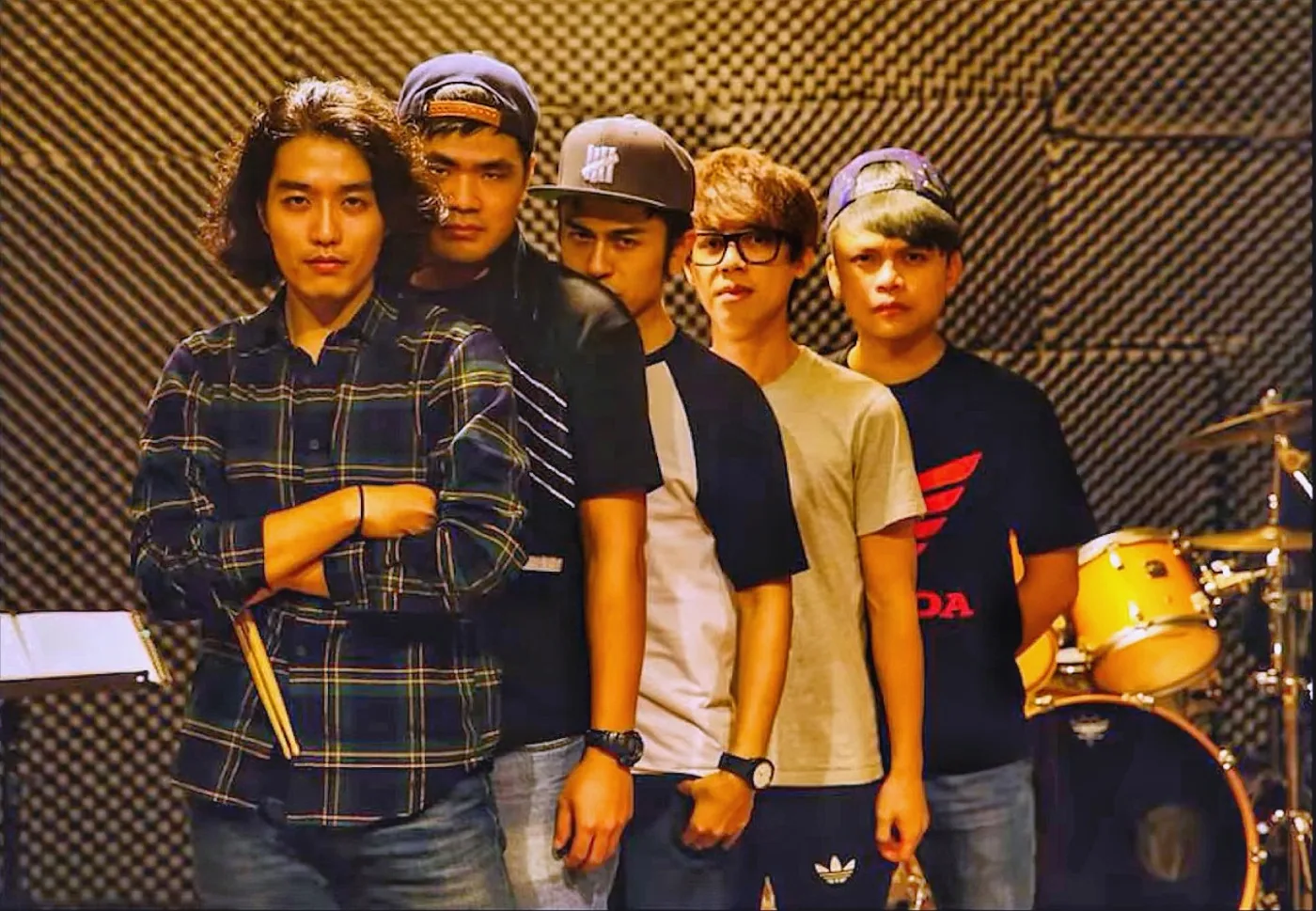
Huang Shan-liao: No One Looked at the World Champion’s Clothes, So He Started Selling 'One-Line Comfort'
In 2014, the son of a Kinmen snack shop owner walked the London Graduate Fashion Week runway in a military-inspired design called 'Kinmen 1969,' winning the international grand prize. Upon returning to Taiwan to seek employment, however, HR treated his resume as fake because 'there were no reports about it.' He angrily started his own media outlet, then pivoted to writing healing short sentences of no more than 28 characters, cumulatively selling over 300,000 copies. No one looked at the cabinet of clothes telling the history of the battlefields; he changed to selling 'one-line comfort.' Taiwan's attention economy buys sentences you can read in a glance, not things that are made.
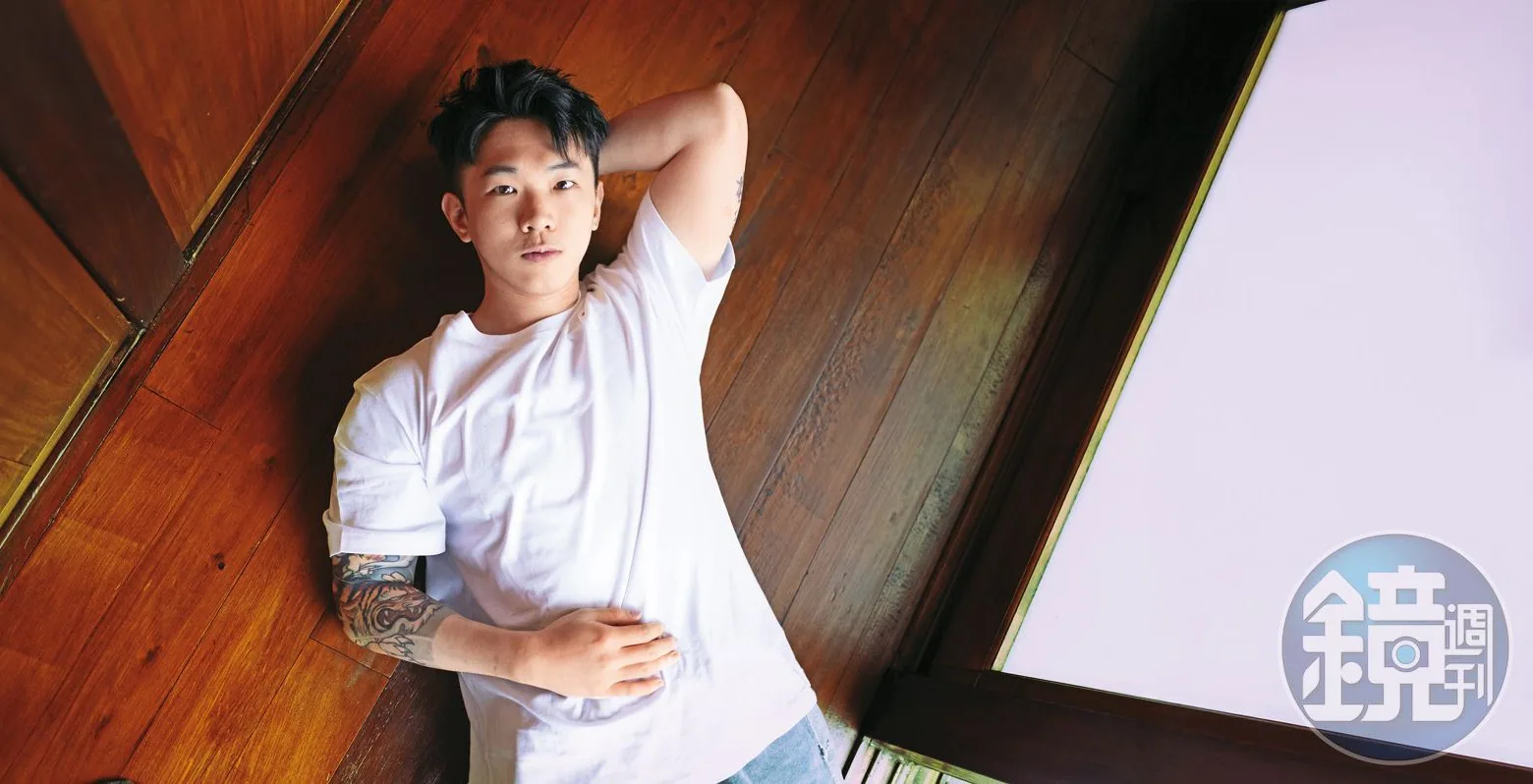
Huang Yu-chiao: Democracy Elder
At the critical moment of the 1977 Zhongli Incident, she stood at the police station door urging the crowd not to act rashly — this 58-year-old pharmacist who had studied in Japan, later a four-term Provincial Assemblywoman and DPP founding member, has long been overlooked in historical narratives.
Ji Lin-lian: From a Chen Shui-bian–Favored General to the Vice Chairman Who Wanted Han Kuo-yu Expelled from the KMT
On the afternoon of April 29, 2026, at a KMT Central Standing Committee meeting, 78-year-old Vice Chairman Ji Lin-lian said before the media cameras: 'You can kill me, but I will never believe that Brother Guo-yu would do anything to betray the party for personal gain. If he did, Huang Fuxing would surely step forward to put righteousness above family and recommend expelling Brother Guo-yu from the party.' This remark prompted Chen Shui-bian to lament publicly, 'I had no idea he had changed so much,' because it was Ah-Bian himself who promoted Ji to two-star general 20 years ago.
Lim Giong: From the Platform of 'Moving Forward' to Cannes for The Assassin — Three Decades of a Hokkien Rock Defector
On December 7, 1990, 26-year-old Changhua native Lin Chih-feng turned Hokkien song from melancholy into rock with 'Moving Forward'; three years later he had almost stopped singing. From Goodbye South, Goodbye to The Assassin, four Golden Horses, a Cannes Soundtrack Award, and the 2018 National Award for Arts — over thirty years he folded up his superstar identity to become the man behind the synthesizer for Hou Hsiao-hsien and Jia Zhangke.
Lin Chi-Wei: From an Internationally Awarded Physical Board Game Brand to a Software Platform for 200,000 Creators
Lin Chi-Wei (Chi-Wei Lin, commonly known online as CW) is a Taiwanese entrepreneur. In 2014, his educational board game defeated LEGO to win a silver medal at the U.S. Parents' Choice Awards; a decade later, his startup Portaly became Taiwan's largest creator commerce platform, with 200,000 users converting influence into income. Profitable since 2025 with zero paid marketing, it grew through organic PLG (product-led growth). From traditional industries to software, then to AI, he resets and relearns each time. He has always done the same thing: helping others transform one thing into another, and openly sharing the methodology.
Lu Hsiu-yan: From 10,000 Bottles of Guguan Air to the 'Arms Procurement as Insurance' Doctrine — The Undefeated Queen
On 2018-12-25, she spent her own money to commission 10,000 glass jars of 'Guguan Air' and distributed them to citizens attending her inauguration, putting her campaign slogan into the hands of her readers. After 8 consecutive undefeated elections, two terms as Taichung mayor, and 6 terms as a legislator, Eric Chu publicly asked her to take over as KMT party chair in August 2025. She replied, 'The more difficult the times, the more Mom stays home.' But an April 2026 poll showed that her presumed frontrunner status for 2028 had been overtaken by Chiang Wan-an, 25% to 19.7%.
Monaneng: Two Kinds of Blindness, One Poetry Collection
Monaneng, the first Indigenous poet to publish a modern poetry collection in Chinese, became blind only in 1979; in 1989, Morning Star published The Beautiful Rice Stalks. The line in 'Come, Have a Drink' — 'The slogan of self-determination for eighteen million people / cannot hear our sighs' — wrote the question of 'who counts as Taiwanese' into thirty poems. Read thirty-seven years later, that question still has no answer.
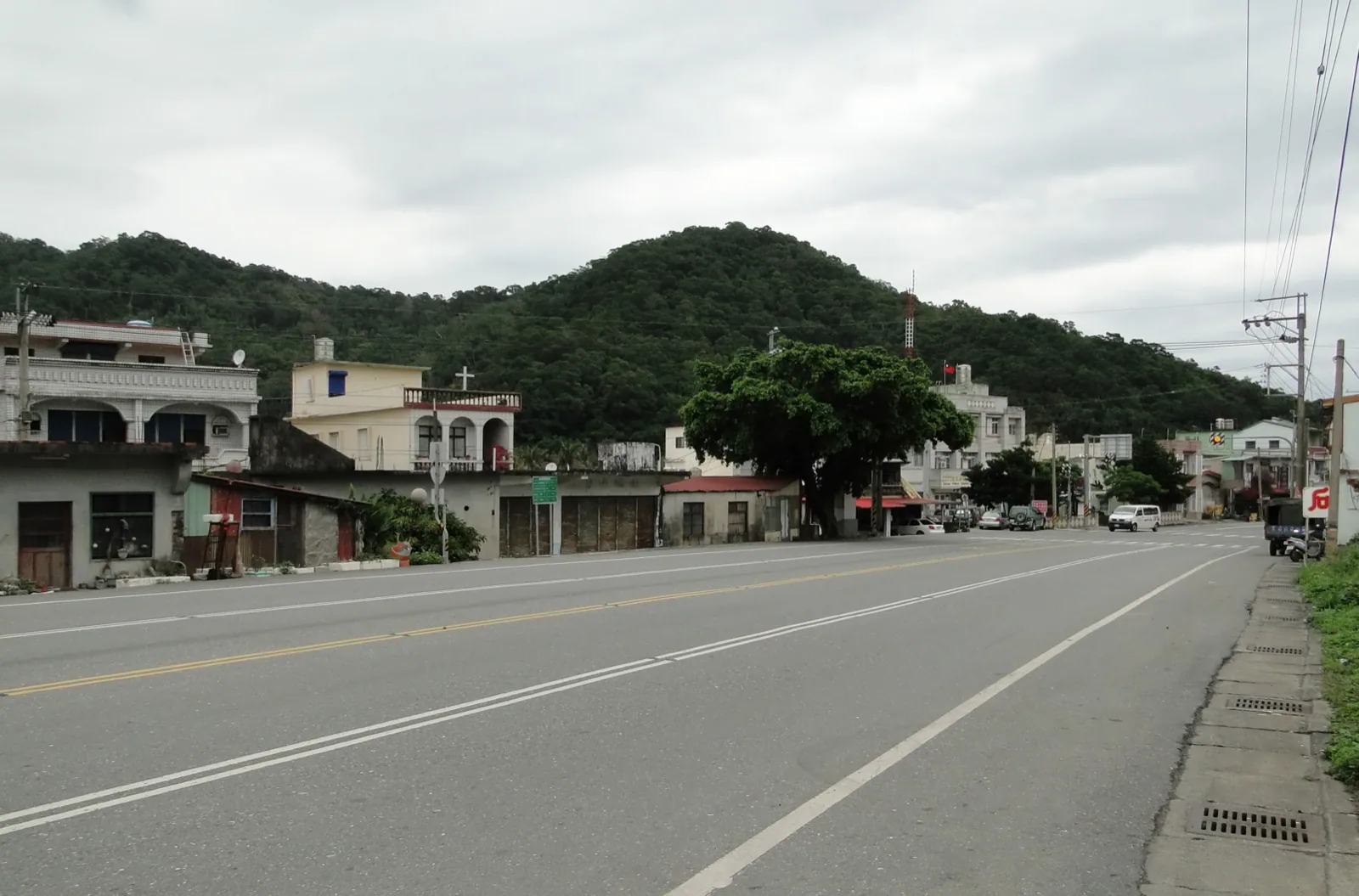
Rainie Yang: From Weather-Girl Avatar to Self-Produced Ambiguous 2025
On September 9, 2025, on the exact 20th anniversary of the original release of "Ambiguous," Rainie Yang released a self-produced remake. This singer who debuted in 2000 with BMG virtual girl group 4 in Love, broke through in 2005 with "Ambiguous," hung upside down three meters above the Hong Kong Coliseum in 2012 until blood vessels burst across her face — spent twenty-five years negotiating on every stage who got to define her. Then she put her own name in the producer credit.
Samuel Yin: The Science Prize He Built Is Worth More Than a Nobel
At 4:21 a.m. on May 26, 2026, Samuel Yin, chairman of the Ruentex Group, passed away at Taipei Veterans General Hospital at the age of 76. From a brawling teenager whose wounds were dressed by Wang Jin-pyng at Chin Teh Middle School, to the man who walked into a dust-covered Peking University in 1989 and funded the founding of the Guanghua School of Management, to the 2012 donation of a NT$3 billion trust fund to establish the Tang Prize — with each category carrying a prize of NT$50 million, exceeding the Nobel. A Taiwanese businessman who just left the world a prize more valuable than a Nobel.
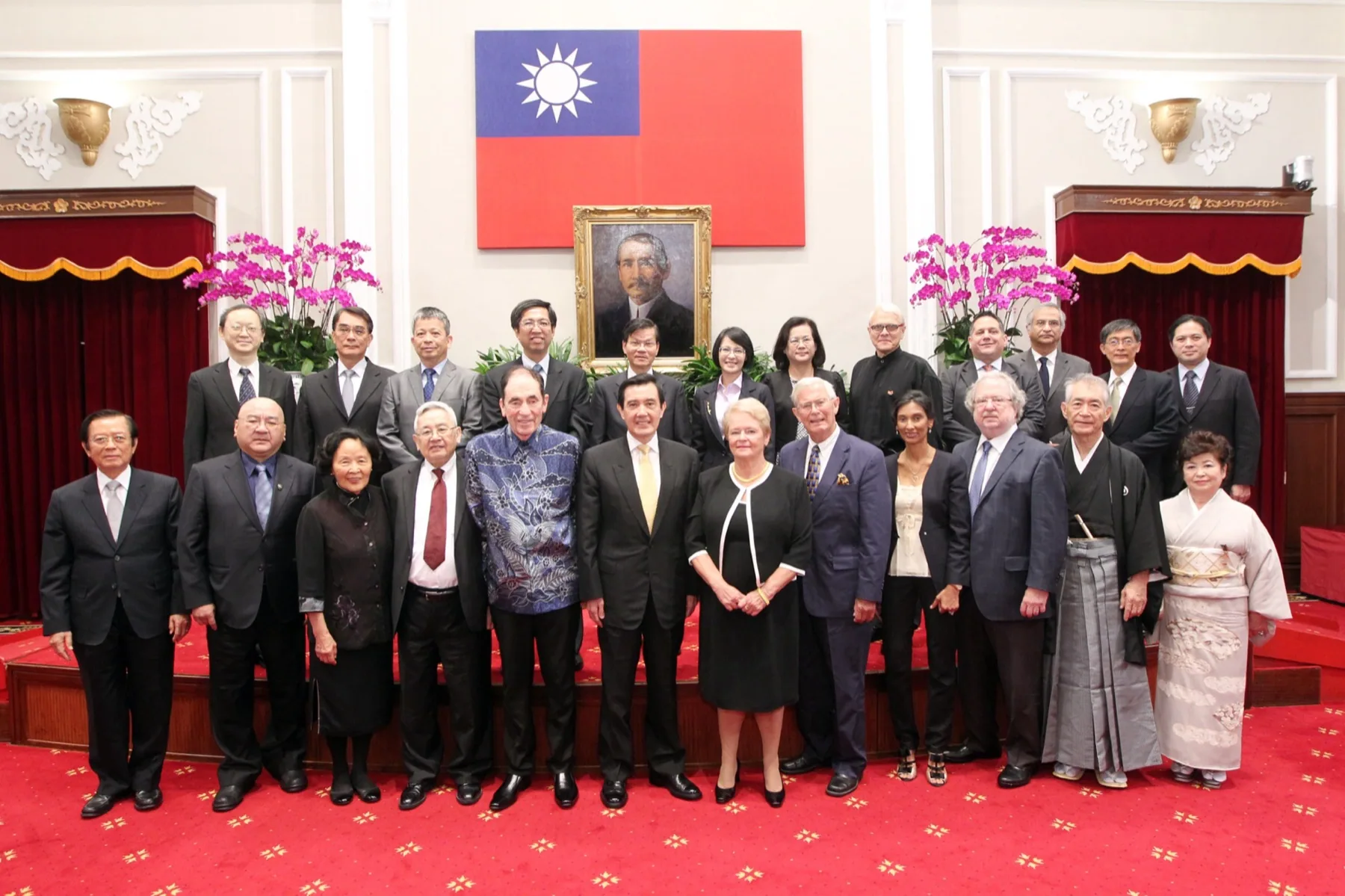
San Mao: The Person Who Wrote Escape as Freedom
Born Chen Ping in 1943 in Chongqing, she moved to Taiwan with her family in 1948. She dropped out of junior high after being publicly humiliated by a teacher, and resumed writing after seven years of self-imposed isolation. In 1973, she married José in Spanish Sahara; her essays became a hit, serving as a window for Taiwanese people in the Martial Law era to imagine the distant world. José died in a diving accident in 1979. In 1990, her screenplay for 'Red Dust' won eight Golden Horse Awards. On January 4, 1991, she hanged herself at Taipei Veterans General Hospital at the age of 47.
Stefanie Sun: Beat Jay Chou by One Vote, AI Cloned 1,000 Songs, She Said 'Being Yourself Is Enough'
On June 9, 2000, a Singaporean woman debuted in Taiwan with 'Rainy Day,' and her first album sold 330,000 copies to top the year's chart. The following year at the Golden Melody Awards, she beat Jay Chou for Best New Artist by a single vote; four years later, with Stefanie, she became the first artist in Golden Melody history to win both Best New Artist and Best Female Vocalist. In 2023, AI used her voice to sing over 1,000 songs. Her answer was: 'Being yourself is enough.'
Su Beng: How a Dumpling Shop Sustained Four Decades of Taiwan's Revolution
Su Beng, whose birth name was Shih Chao-hui, once worked as an underground intelligence agent for the Chinese Communist Party in China. After witnessing the massacres of land‑reform campaigns, he became disillusioned, returned to Taiwan to plot the assassination of Chiang Kai-shek, and fled to Japan when the plot failed. In Tokyo’s Ikebukuro he opened a noodle shop called “Shin Chinmi,” selling dumplings by day and writing Taiwanese history by night. The shop’s income funded the Taiwan independence movement for forty years and produced the nation‑awakening work *Four Hundred Years of Taiwan History*.
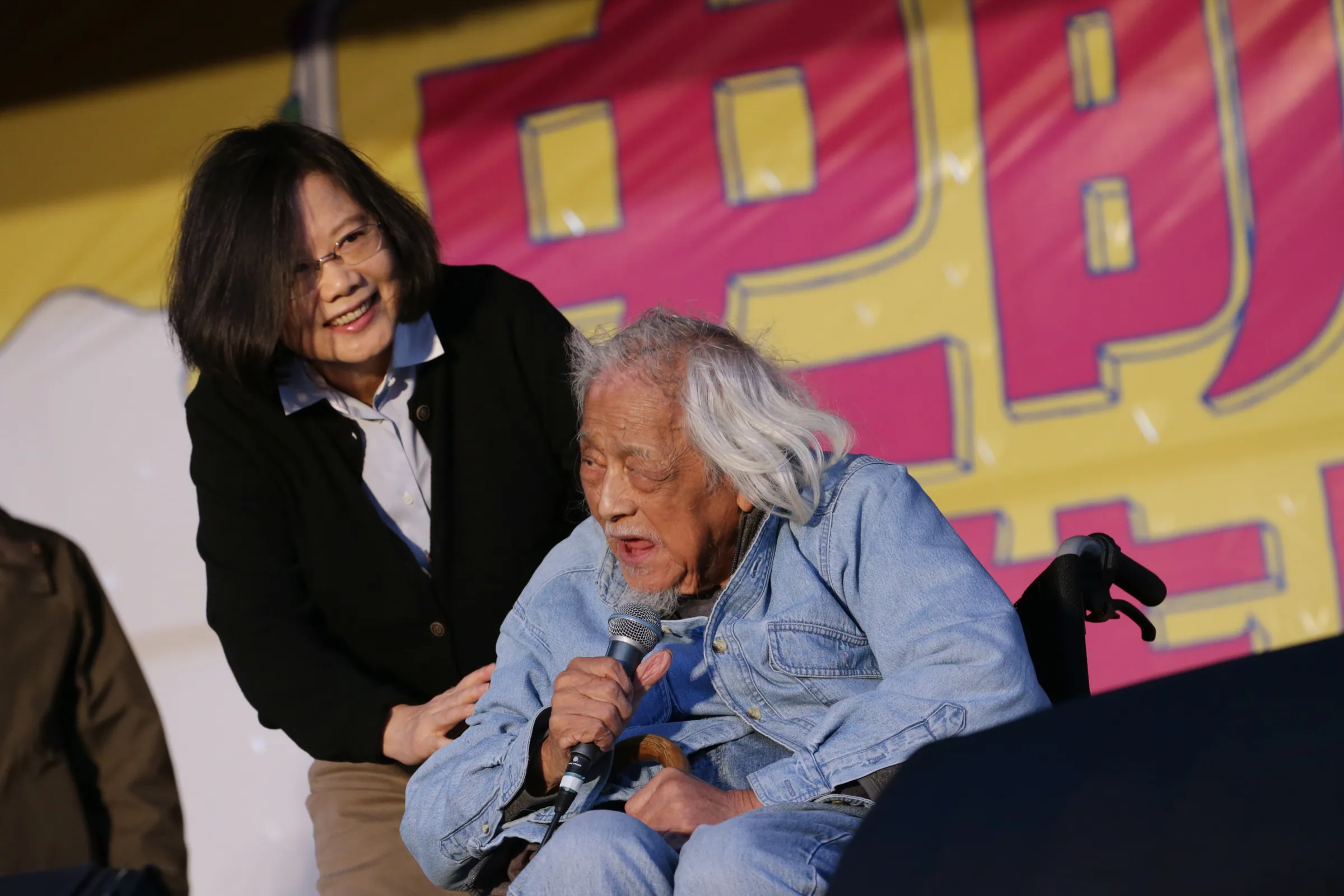
Wanwan: The Bald Figure Who Gave a Generation of Office Workers a Face, and Hu Chia-wei, Who Let It “Become a Historical Figure”
In the days when offices still relied on MSN to communicate, office workers who did not dare speak up to their bosses changed their profile pictures to a naked bald figure with one curled hair on its head, letting it shout “I want to get off work” for them. Hu Chia-wei, who drew it, went from a design assistant earning NT$9,000 a month to, by accident, the creator of Taiwan’s first blog to surpass 100 million views and the founding figure of illustrated online writing. The bald figure stays forever innocent and ageless, but the person who drew it grows up; so she let the character exit together with her and “become a historical figure.”
Zun: From a Middle School Room to Dual Million-Subscriber Channels, an Adulting Record
Zun started streaming games in the second year of middle school, became Taiwan's youngest millionaire YouTuber at 19, and later pushed his secondary channel past the million mark. Spanning fourteen calendar years, this record documents his process of growing up while facing creative burdens, family storms, and sponsorship missteps.

Chinese Taipei: The Ticket That Lets Taiwan Compete but Can’t Print Its Own Name
At the 1960 Rome Olympics, the Taiwan delegation entered the opening ceremony holding a white banner reading “UNDER PROTEST,” the only opening‑ceremony protest in Olympic history. From Chiang Ching‑kuo’s refusal of the IOC‑offered “Taiwan,” to Hsu Heng‑ko’s legal victory and the Lausanne Agreement that secured the plum‑blossom flag and anthem, to the 2018 athletes’ referendum that rejected a name change—this name has not changed in forty years, yet the athletes who must rely on it to step onto the podium are caught in a dilemma, not the politicians arguing over the name.
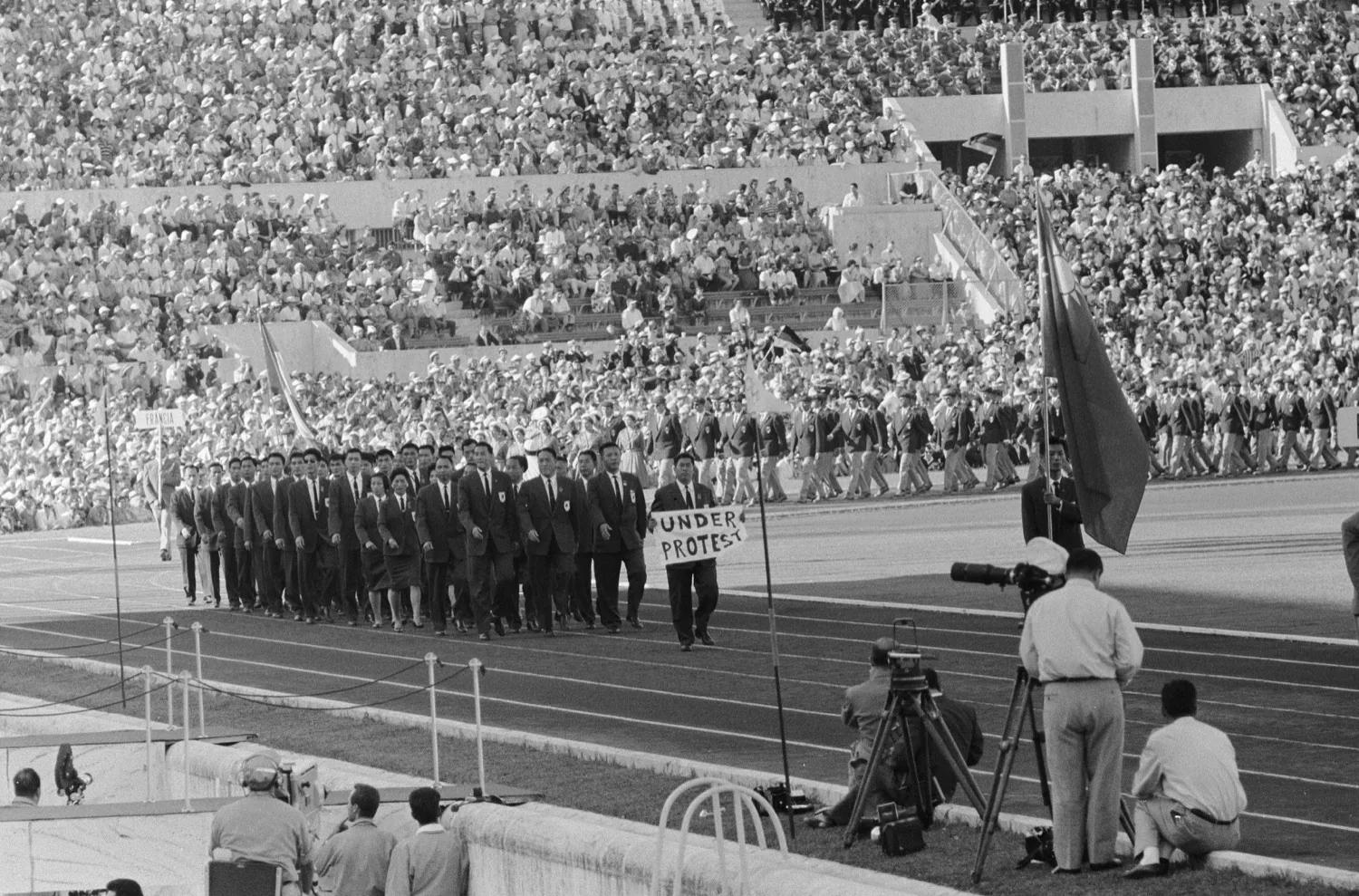
Cognitive Warfare: The AI Industrialization Phase of Taiwan's Information Battlefield
In December 2024, the 'China United Front Documentary' surpassed 2 million views. In Q4 2025, 1,076 CCP state media accounts on Douyin published 560,000 videos, using facial recognition to identify 57 Taiwanese individuals. In October 2025, Shen Pei-yang was formally investigated by the Chongqing Public Security Bureau for the 'crime of splitting the country.' Cognitive warfare has entered a new phase of AI industrialization and 'using Taiwan to criticize Taiwan,' but the term 'cognitive warfare' itself is also facing internal tensions regarding its potential for abuse in Taiwan.
Falun Gong: From the Yangmingshan Flower Clock to Zhongnanhai and Taipei 101 — A Cross-Strait Prism
In 1995, the first Falun Gong practice site in Taiwan quietly formed beside the Yangmingshan flower clock. Over the next thirty years, this group — branded as a 'cult' in China and subjected to extreme persecution — developed in Taiwan into a practice phenomenon led by NTU professors and registered as a 'social organization juridical person.' Falun Gong's quiet existence in Taiwan is not just the spread of a qigong practice, but the front line of constitutional religious freedom.
Mainlanders in Taiwan: From Kidnapped Youths to Taiwanese Identified with the Land Beneath Their Feet
In 1949, more than one million people carrying trauma and homesickness crossed the sea to Taiwan. They were both a high-risk group for being treated as “political prisoners” by an authoritarian government that distrusted them, and “war refugees” who had been forcibly seized and cut off from their homelands. This article reveals how the mainlander community, through four psychological traumas, completed a spiritual migration from “exiles” to “settlers.”
From Golden Horse Awards to Hanwha Exercises: The Collective Rite of Passage and Survival Drill for Taiwanese Men
From 1945 onward, Taiwan's military service has shifted from a three-year term to four months, and then back to a one-year system in 2024. This collective memory, involving millions of people, is more than just the command phrase 'one two three four five six seven eight nine zero'; it represents the island's survival tension within a gray zone.
National Holidays: A History of Taiwan Written in Days Off Work
The Republic of China's first statutory national holiday was not Double Ten, not New Year's Day, but 228 in 1997. From the Japanese colonial government's June 17 “commemoration of shameful rule” to the 2025 Legislative Yuan uproar over “retrocession vs. war's end,” every red-letter day on the calendar is a regime's answer to what Taiwan should commemorate and to whom it belongs. But holidays have never been only a question of nationhood; they are also about whether workers should be allowed to rest.
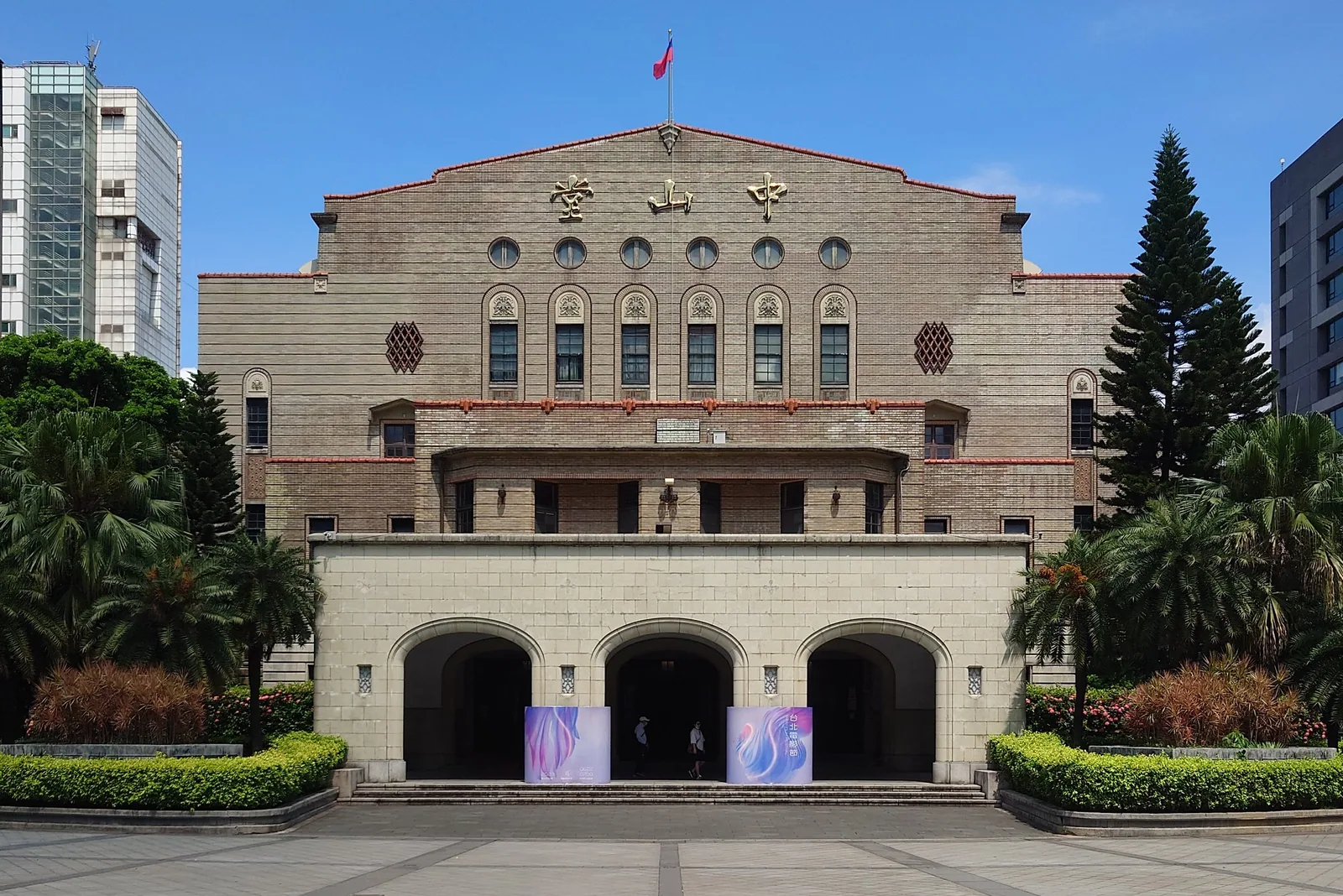
National Museum of Taiwan History: The Eighth Gallery Is Called "You, Too, Are Someone Who Writes History"
The National Museum of Taiwan History, which opened in 2011, calls the eighth gallery of its permanent exhibition "You, Too, Are Someone Who Writes History." This national third-level agency has released 140,000 collection items under the Open Government Data License, version 1.0, while Director Chang Lung-chih has publicly positioned the museum as a project of "co-writing and co-creation by all." When this national museum meets a community-driven open-source knowledge base in the age of AI, collective memory gains a second curatorial form.
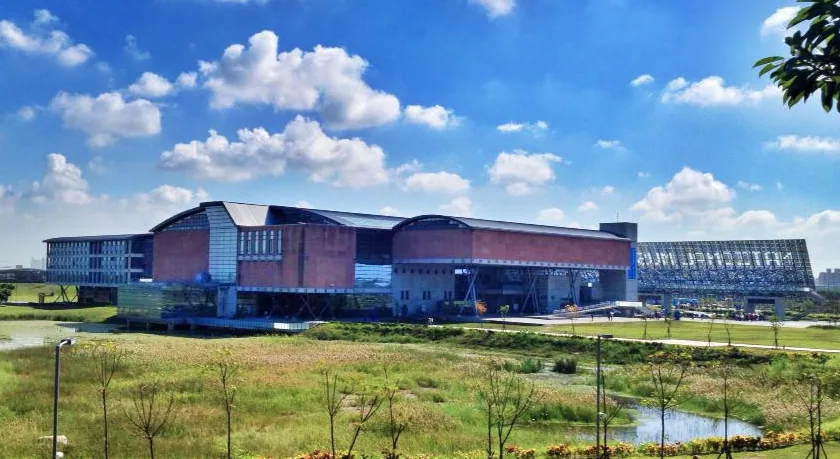
PanSci: From the Black Hole of Science News to the Knowledge Industry Inside the Algorithm
In 2011, Cheng Kuo-wei and Hsu Ting-yao turned a canceled project into PanSci. Later academic research would treat it as an important node in the democratization of science communication in Taiwan; but its real problem has been that public scientific discussion must first survive through advertising, courses, video, and algorithms.
Public Television: From the NT$900 Million Golden Headband to Expulsion from the Legislative Chamber, Twenty-Eight Years of Independence Still Unfinished
When PTS went on air in 1998, the Public Television Act required government-donated funding to decrease year by year and eventually froze it at NT$900 million annually. That provision bound PTS for 23 years. In the meantime, it nurtured five flagship Taiwanese dramas that shook society: The World Between Us, Gold Leaf, The Teenage Psychic, Wake Up, and A Touch of Green. In May 2023, legal amendments lifted the golden headband, and the budget more than doubled to NT$2.3 billion. But 19 months later, 1% of the budget was cut and 25% frozen; another year later, in May 2026, Chairperson Hu Yuan-hui was asked to leave the Legislative Yuan chamber. What PTS has proved over 28 years is this: removing the golden headband does not mean independence has been built.
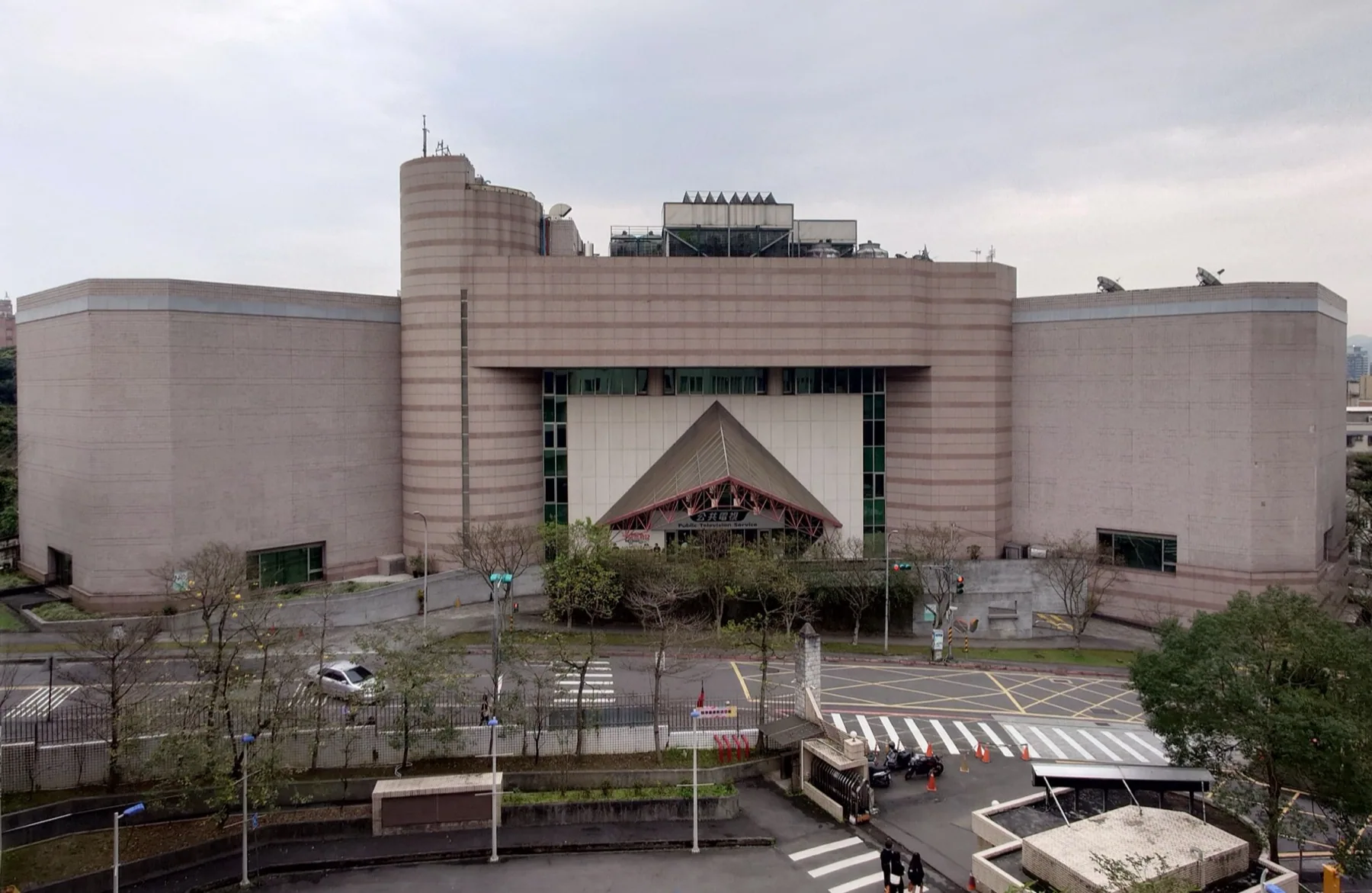
Taiwan’s Stray Animal Culture: From Twelve Nights to the Death of a Leopard Cat, the Trolley Problem of Animal Protection and Wildlife Conservation
In 2013, Twelve Nights moved the entire island to tears; in February 2017, Taiwan became East Asia's first zero-culling country. Eight years later, at six o'clock on the evening of May 11, 2023, a young leopard cat died in the jaws of a free-ranging cat. The Ministry of Agriculture's 2022 survey counted 159,697 free-ranging dogs nationwide, and automatic cameras operated by the Leopard Cat Association of Taiwan found dogs at 91% of leopard cat activity sites. Animal protection and wildlife conservation are not opposites. The issue is that this island still has more than a million lives with no one to take responsibility for them. This article does not take sides; it examines a question Taiwan has not yet finished answering.
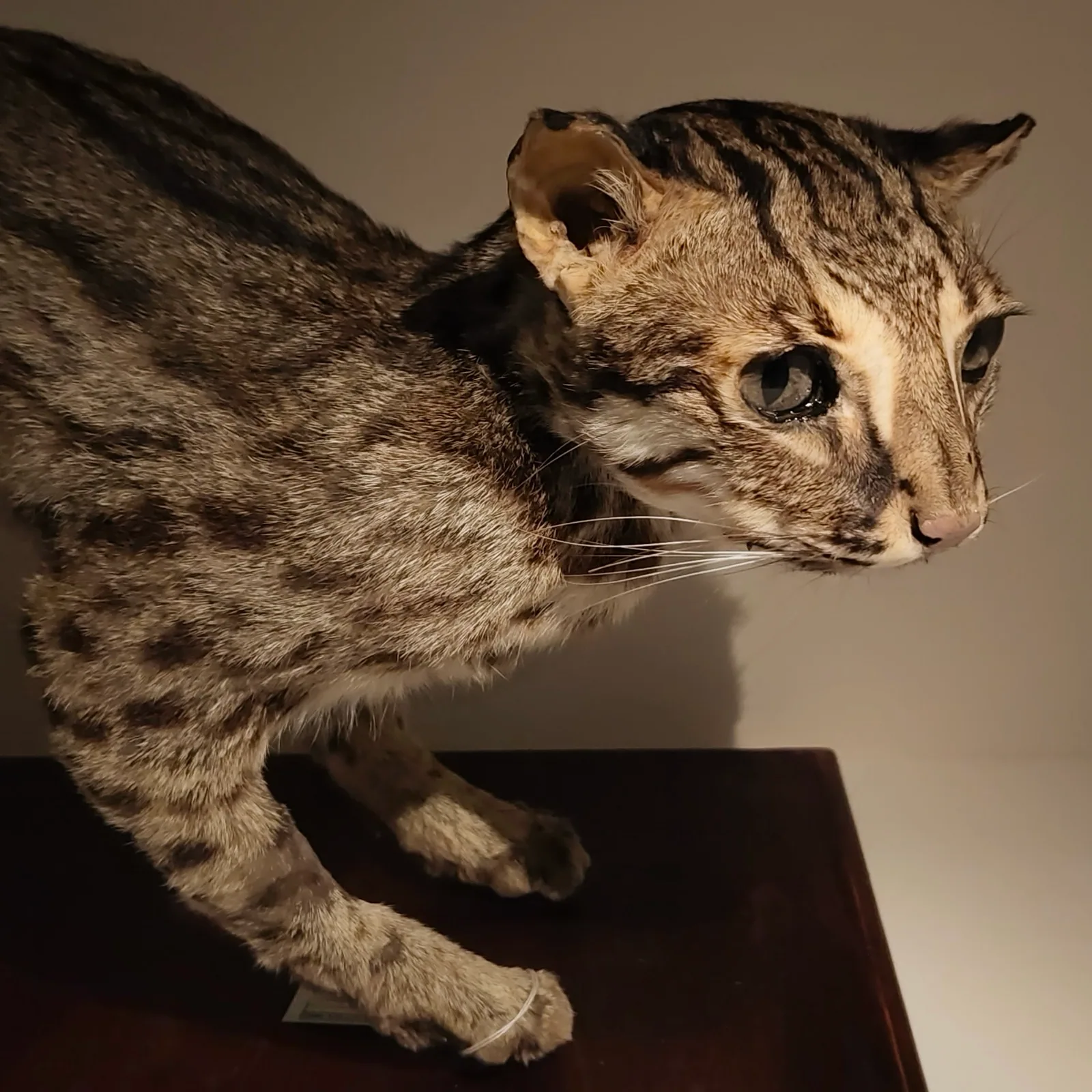
Taipei Smoking Room: The Glass Box That Breathes in a Smoke-Free City
2026 May 7, a transparent box was erected next to Exit 6 of Ximen MRT Station, Taiwan's first outdoor negative-pressure smoking booth; when the door opens, wind blows in but does not escape. Taipei aims to be a smoke-free city, yet it first built a glass house for smoking on the street. From the 1984 case where a strict path removed a lung lobe, to indoor secondhand smoke dropping to 3.2% while nearly half remains outdoors, this box holds a legal cigarette and a city's unfinished public-space contract.
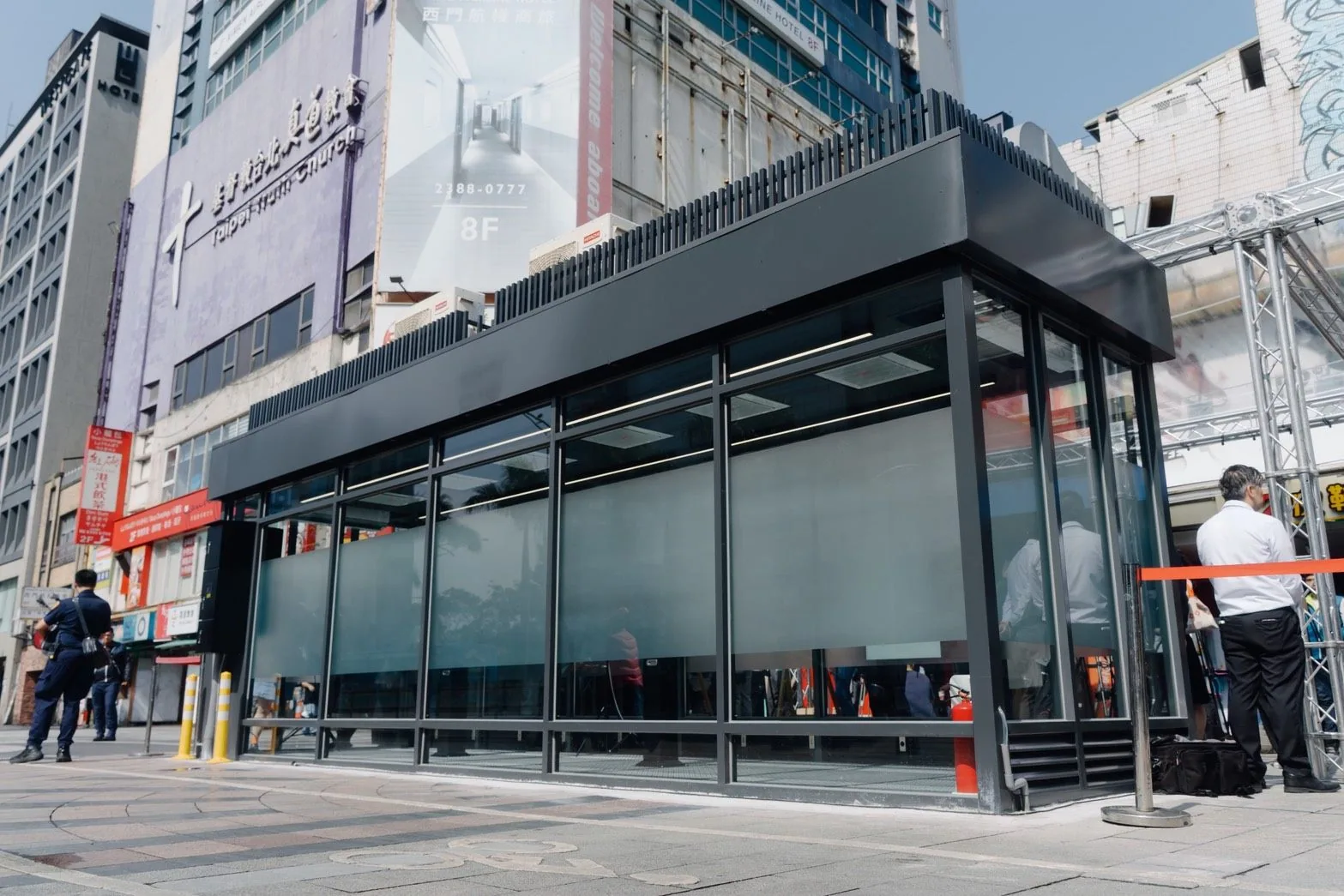
Taiwan Design Research Institute: The Agency That Sneaks Design into Health Centers and Ballot Papers
In 2022, after the renovation of the ticketing area at Zhongshan Station on the Taipei MRT, someone commented, "Well done, don't do it again." An institution that survives on the Golden Pin Awards, a design exhibition attended by millions, and an international ranking places its biggest gamble where you "don't feel"—the waiting area of a health center in Xizhi, the font on your ballot paper. From "Made in Taiwan is synonymous with counterfeit" to "Design power is national power," the Taiwan Design Research Institute aims to prove that this manufacturing island can decide what things look like, including how the government meets its people.
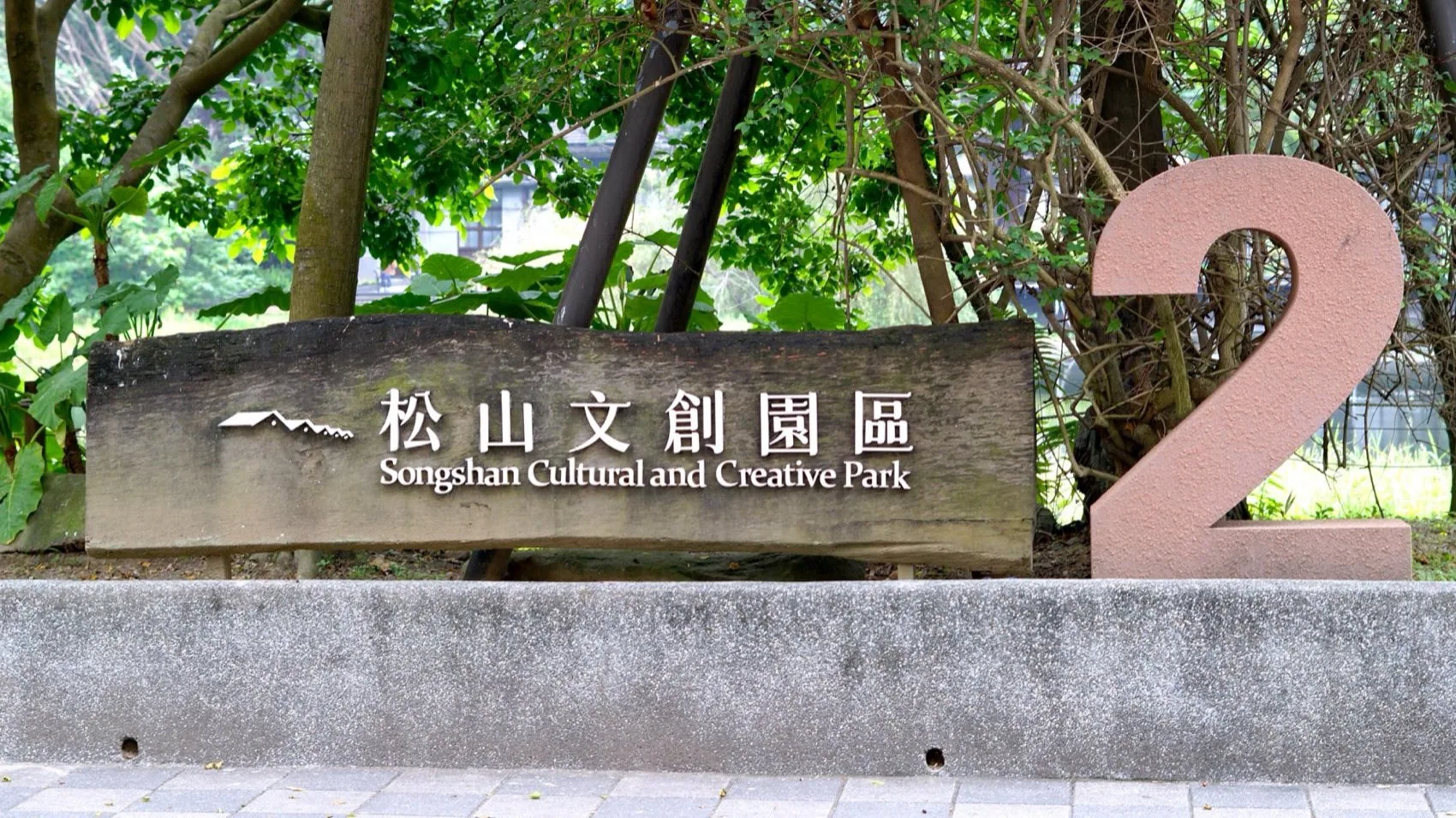
Taiwan and Eswatini: Africa's Last Diplomatic Lifeline Hangs on One Person
At 9 a.m. on May 2, 2026, Lai Ching-te landed in Mbabane aboard an A340 special aircraft loaned by the king of Eswatini. It was the first time a Taiwanese president's flight permits had been revoked under Chinese pressure, with the king of a diplomatic ally ultimately sending a plane to Taipei to receive him. From the establishment of diplomatic relations on the same day as Eswatini's independence in 1968 to Taiwan's last remaining ally in Africa; from an absolute monarch whose birth year completely overlaps with the history of those diplomatic ties to the 46 lives lost in his own country's 2021 crackdown; from red-fleshed guavas entering SUPERSPAR to China's zero-tariff treatment for 53 African countries deliberately skipping Eswatini. These 58 years of relations between Taiwan and Eswatini are the most concrete textbook on what it means to be a 'sovereign state' and also an unanswered question.
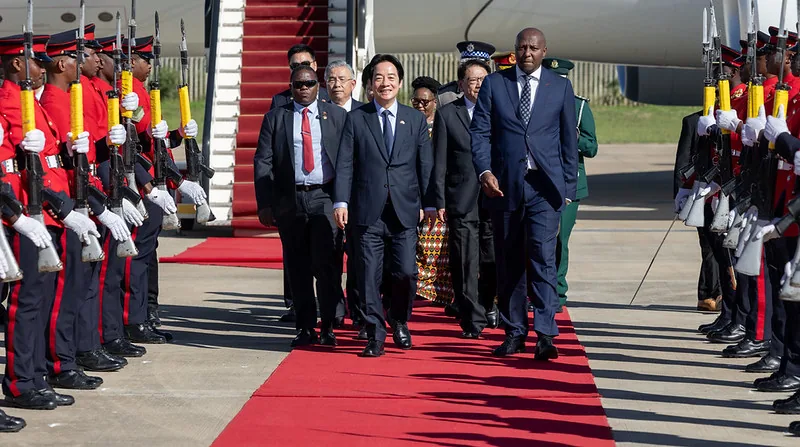
Taiwan's Tin Shed Houses: A Skyline Propped Up by 716,000 Illegal Structures
In August 2024, a fire at a farm machinery shop in Liujia, Tainan, trapped a family of five on the third-floor tin-roof addition; none survived. As of July 2023, Taiwan had 716,372 illegal structures, with New Taipei City adding 32,000 per year. The government announces demolitions every year—and every year another 10,000 structures appear. That layer of orange and silver metal is simultaneously Taiwan's ugliest streetscape and the most-cited legend of public safety.
Taiwan's Matchmaker Gods: A Map of Deities for Every Dating Need
Many people don't realize that Taiwan's matchmaker deity Yue Lao isn't just one god. In Tainan, the Four Great Yue Lao divide responsibilities: seeking love, seeking stability, cutting romantic entanglements, and seeking reconciliation. Taichung's Le Cheng Gong, established in 1753, is famous for its effectiveness in reconciliation. New Taipei's Weiming Tang's Rabbit God specializes in same-sex matchmaking, while Xi'an, Longshan Temple, and Lukang Tianhou Gong each have their own specialties. The more detailed your matchmaking criteria, the better — because leaving things blank gives Yue Lao room to exploit loopholes.
Thinking Taiwan Forum: 14 Years from a Post-Election Loss Touchstone to a Cross-Party Democratic Dialogue Container
On May 2, 2026, former People First Party Chairman James Soong, Taiwan Statebuilding Party Chair Wang Yu-ther, Social Democratic Party legislator Miao Poya, and veterinarian/founder of Fresh Milk Farm Gong Jianjia all appeared on the contributor list for "30 Years, 30 People, 30 Perspectives." This online forum, founded by Tsai Ing-wen after her 2012 presidential election defeat, has accumulated nearly 5,800 articles over 14 years, survived the firewall moment when Jian Chih-chung took over as chairman, and endured nine years of near-stasis during the Tsai administration. In 2026, it is still answering the question that has hung over it since day one: Can a platform called the "Tsai Ing-wen Education Foundation" sustain cross-party democratic dialogue?
Typhoon Day: Whose Day Off, Whose Shift
In 2001, the death of a teacher in Changhua while on duty helped give rise to Taiwan's typhoon-day system. More than two decades later, 81% of workers still report to work as usual in wind and rain, and 37.7% receive no pay at all. Every summer, a single work-suspension announcement cuts precisely along Taiwan society's class lines: white-collar workers stay home scrolling on their phones, while workers in wholesale and retail, agriculture, fishing, and livestock head out into the same typhoon.
United Front Tour Groups: Cognitive Contest in Soft Rain — From Discount Tours to Influencer Traffic
In June 2024, Potter King exposed the CCP's plan to invite 10 Taiwanese influencer groups to China, triggering Taiwanese society's deeper anxiety about new-generation 'united front' operations. From cheap turnkey-hospitality trips to influencer trips paid for by the millions, the core of this cross-strait cognitive contest was never to make Taiwanese believe China is good — it was to make Taiwan break its own ranks.
Za School: Free Exhibition Founded with Blown Savings, Vice President Opens It 11 Years Later
On May 9-10, 2015, Su Yang-chih used 1.5 million TWD in profit from his design company to host the 'Not So Obedient Education Festival,' ultimately losing 7 million TWD. Eleven years later, Za School moved into the Taipei Flower Expo Park to co-host IDEC, and rebranded as 'EDit' to move into the Taoyuan Convention and Exhibition Center. This is a Taiwanese case study of an exhibition that started as a free rebellion and grew into Asia's largest education expo. The most interesting aspect is not that it grew large, but whether the 'not so obedient' spirit remained intact after that growth.
Hi-Life: From Guangquan Red to United Green—The Soul of Taiwan's 'Third Superstore' Rises Up
How did Hi-Life, as Taiwan's sole superstore with purely local roots, carve out its identity amidst the pressure from 7-ELEVEN and FamilyMart through pioneering 'New Year's Eve meal pre-orders' and 'digital transformation'? How will this major ownership shift in 2023 change the DNA of this 35-year-old establishment?
NET: From Export Overstock to the National Wardrobe—The Story of Taiwan's Most Mysterious Local Apparel Brand
Established in 1991, NET began with export overstock from Keelung's 'Housewife Market.' For thirty years, it has survived amidst the pressure of fast fashion. It is not only the local apparel brand with the most stores across Taiwan, but also a commercial legend embodying warmth for Taiwanese people due to its continuous 15 years of 'store donations' and the recent property rights dispute at Keelung East Coast Plaza.
Taiwan's Agricultural Modernization
Examines Taiwan’s transition from traditional agriculture to modern, high-value agriculture, including innovative development models such as organic agriculture, rural regeneration, and leisure agriculture
2026 Nine-in-One Elections: Stress Testing Democratic Infrastructure in the Age of AI Cognitive Warfare
On November 28, 2026, all 22 cities and counties across Taiwan will simultaneously open polling stations to elect nine categories of office, filling over 11,000 elected executive and representative positions. This election is unlike any before — the difference is not the candidates, but the environment in which it takes place: the CCP's escalation of state-level AI cognitive warfare, 123+ spoofed news websites, and prosecutors listing AI disinformation as one of four key election investigation priorities. This is not an election information roundup — it is a historical positioning and structural pressure analysis of this election.
The CEC System: A Counterintuitive Design of Dual Executive-Legislative Checks
The Central Election Commission's members are nominated by the Premier and confirmed by the Legislative Yuan. When the ruling party holds a minority in the legislature, nominations may be difficult to pass. This design, which forces the two political branches to check each other, is the last structural safeguard of electoral fairness in Taiwan — not a bug.
The Councilor System: Why It Differs from the Legislator System, and SNTV's 30 Years in Local Politics
In 2008, legislators switched to the single-member district two-vote system, while that same year's city and county councilor elections still used the SNTV system from the 1980s — the same country, the same voters, different offices on the same ballot, yet governed by two entirely different sets of rules. This is not a bug; it is the greatest unfinished business in Taiwan's electoral reform history, bound up with local factions, party interests, and the costs of complementary reforms. A structural map of how the two systems operate, why one was reformed and the other was not, and what this means for small parties and diverse representation.
Indigenous District Chiefs in Special Municipalities: The Elected Autonomous Office Preserved by the 2014 Municipal Upgrade Amendment
On December 25, 2014, the day Taoyuan was upgraded to a special municipality, the township mayor of Fuxing was about to lose elected status — a side effect of municipal upgrading is the erosion of indigenous self-governance. The Legislative Yuan fast-tracked an amendment to the Local Government Act, creating the new position of 'Mountain Indigenous District within a Special Municipality,' allowing all former mountain indigenous townships within the six special municipalities to continue electing their district chiefs and district representatives. There are six such districts nationwide, encompassing mountain and forest villages where Atayal, Bunun, Tsou, Rukai, Hakka, and Hoklo communities live side by side. This is the concrete implementation at the local governance level of the Additional Articles of the Constitution mandating the 'active preservation and development of indigenous cultures.'
Political Donation Transparency: The Control Yuan Platform, g0v Visualization, and 22 Years of Openness Infrastructure
Open the Control Yuan's political donation public search platform, enter any candidate's name, and you can find out who gave them money, how much, and what campaign activities the funds went toward. This infrastructure didn't fall from the sky — it was built step by step through the 2004 Political Donations Act, the 2008 platform launch, the 2017 data-openness agreement between the CEC and the Control Yuan, and a decade of g0v engineers filling in with visualization tools — one law at a time, one accounting report at a time, one civic engineer at a time.
Taiwan's Mountains and Hiking Culture
268 peaks above 3,000 meters are packed onto a single island, yet it took Taiwanese people half a century before they were allowed to freely climb their own mountains.
David Wong: A Song Written in Two or Three Hours, and a Lifetime Spent Trying to Forget It
In a Honolulu arena in 1979, 15-year-old David Wong watched a heavy metal concert, went home, and taught himself on a guitar his teacher had given him. He spoke little Chinese; through lyricists Yao Ruo-long and Chen Chia-li, he translated his feelings into song, building a career from scratch in Mandopop with a raspy voice. “You Made Me Drunk” was written in two or three hours, yet he spent the rest of his life trying to forget it. He habitually called Chang Hsueh-liang “grandfather,” though by lineage he was in fact Chang's grand-nephew. He spent his life trying to escape being defined by family background and one divine hit, yet the world remembered him through those two things alone.
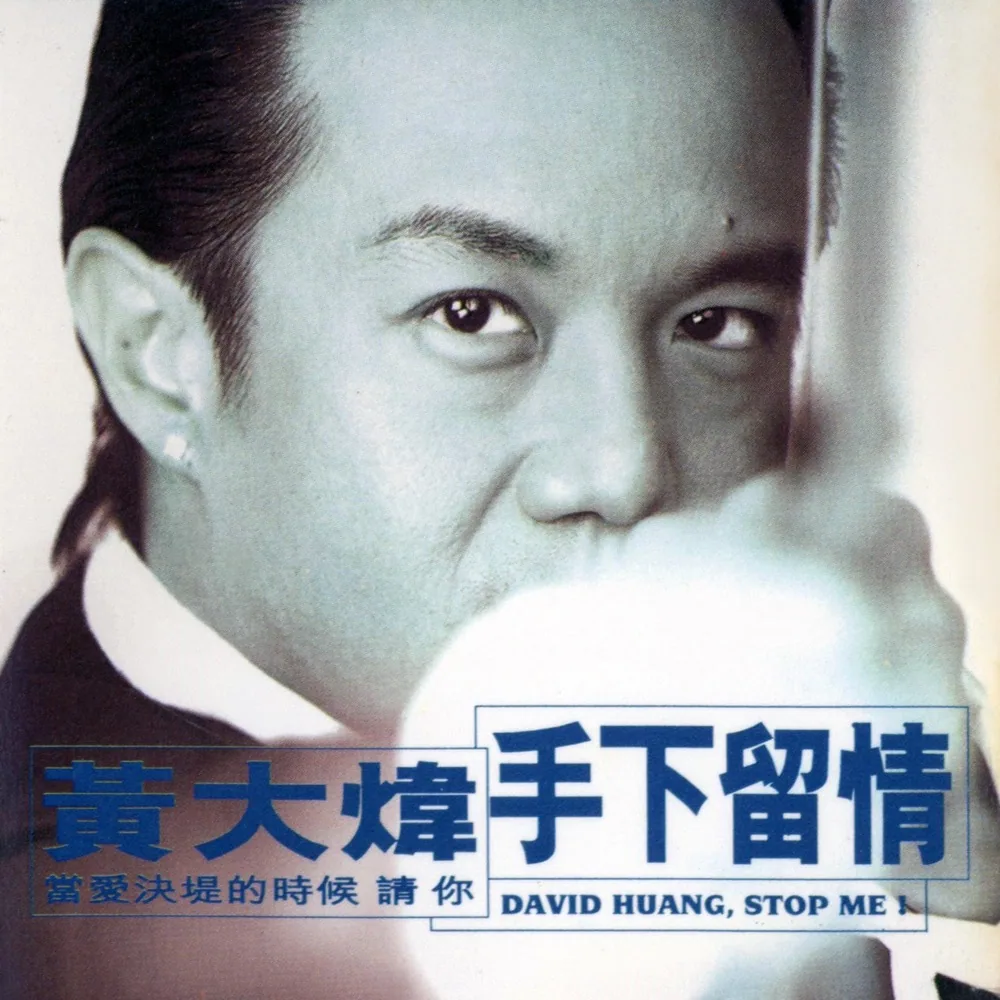
Disney and Taiwan: A Fantastic Journey from Hung Kwang Outsourcing and the Yue Mei Regret to IP Localization
In the 1980s, Xindian's Hung Kwang Cartoon handled nearly one-third of the world's animation production, earning the title "the Disney of the East." Taiwan twice missed opportunities with Disneyland, including the 1990s Yue Mei project in Taichung due to land development and HSR station rights; even early scripts for *Toy Story 3* featured a malfunctioning Buzz Lightyear being sent back to his "place of origin," Taiwan, for repairs. From the golden age of outsourcing to Stitch riding a scooter, this connection runs deeper than imagined.
Taiwan and North Korea: From Fourth Largest Export Destination to a Gray Zone Confrontation
Taiwan was once North Korea's fourth-largest export destination, with Acer computers and HCG sanitary ware visible in Pyongyang offices. This history—from robust trade to comprehensive embargoes—is interwoven with secret agricultural aid, maritime smuggling, and deep geopolitical intelligence struggles.
Taiwanese Magazines: From Free China to Benesse Kids, a Reading History of Pages Turned and Swiped Past
In 1960, Lei Chen was imprisoned for ten years because of Free China; in 2024, Benesse Kids, which had accompanied 1.83 million families for 35 years, ended print subscriptions; in 2025, the Chinese edition of Reader's Digest closed after 60 years in print. What Taiwanese readers once turned page by page is now swiped past one page at a time.
Hsien-Ching Chen: The Year She Won the Golden Melody Award for Best New Artist, She Was Already in Her Eighth Year of Making Music
Seven years earlier, “Gently” had already passed four million views, and Gucci’s official Instagram arrived four years before her first album. When the 37th Golden Melody Awards in 2026 named her Best New Artist, she was 27 and in her eighth year of making music: from the microphone at NCCU Afro Music, to “answering” poet Hsia Yu through rap, all without a record company. So the cries of “can’t understand her” from the audience that night were never about her diction. They were about a path people had not yet learned to hear. What was new was not her. It was the road she had taken.
SLP Taipei Startup Leadership Program: A class that started at NT$6,000, now NT$58,000 still hard to get
In 2012 a group of entrepreneurs self‑funded a class in Taipei; the first cohort’s one‑time fee was NT$6,000, less than NT$100 per hour. Fourteen years later the same program became an institutionalized community where over a hundred applicants compete for thirty spots and the fee approaches NT$58,000, yet the website still claims that “all funds are used for participants.” This is a mutual‑aid history of Taiwan’s startup scene sustained by personal connections and pragmatism.
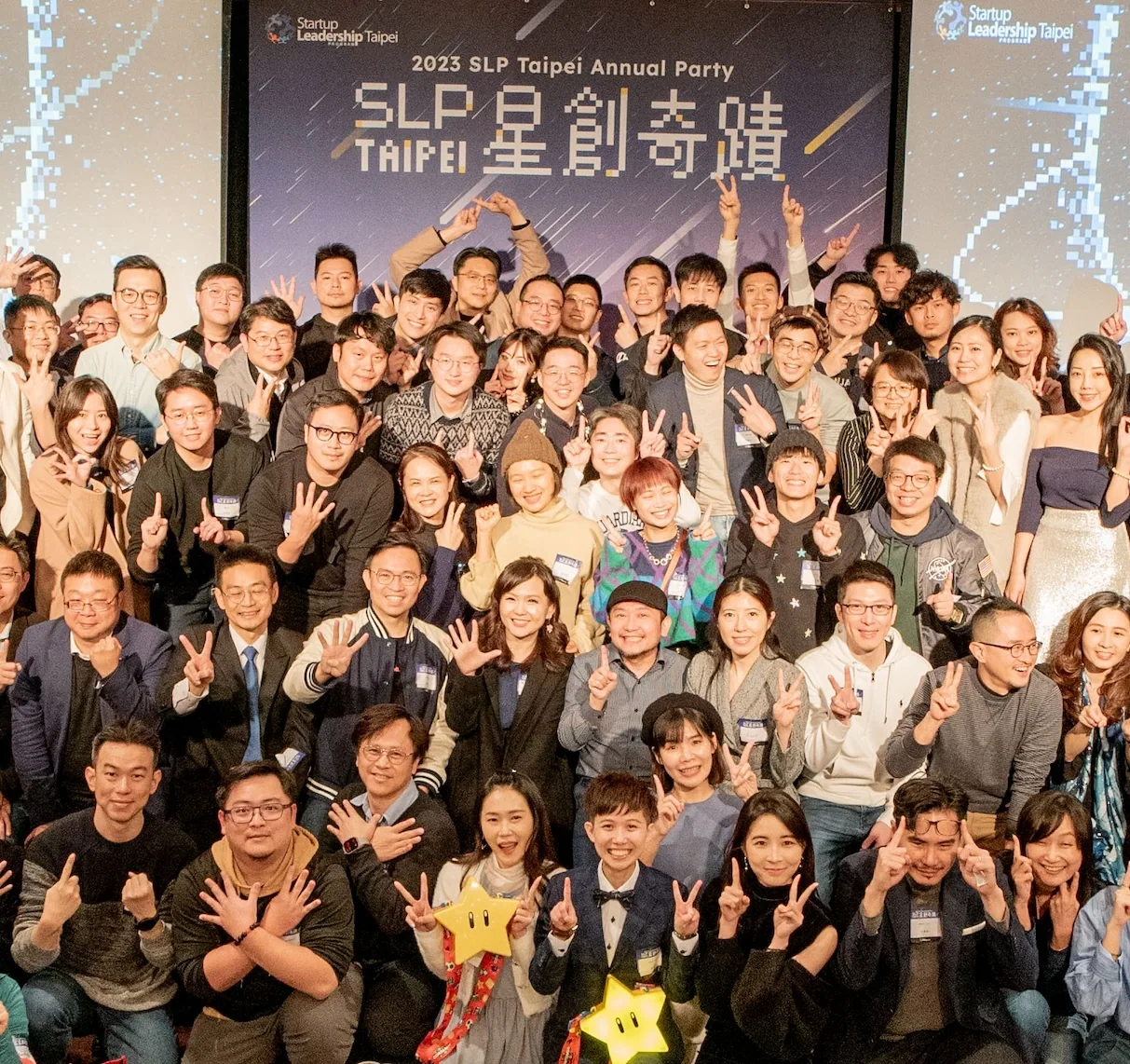
Taiwanese Food Overview: No Dish Is Purely Taiwanese, and Every Dish Is Taiwanese to the Core
Beside the Chiayi Fountain roundabout in 1949, Lin Tien-shou sliced chicken, laid it over white rice, and poured Minnan-style braising sauce on top; only after the U.S. military stationed in postwar Taiwan moved into Shuishang Air Base and brought large numbers of turkeys to Taiwan did this bowl evolve from chicken rice into turkey rice. From Indigenous slate-grilled wild boar, Hakka stir-fried pork intestines with shredded ginger, and military dependents' village Sichuan-style beef noodles to bubble tea invented in Taichung in 1986, and onward to the 419 restaurants included by Michelin in 2025. This island spent four hundred years cooking every borrowed dish into its own form.
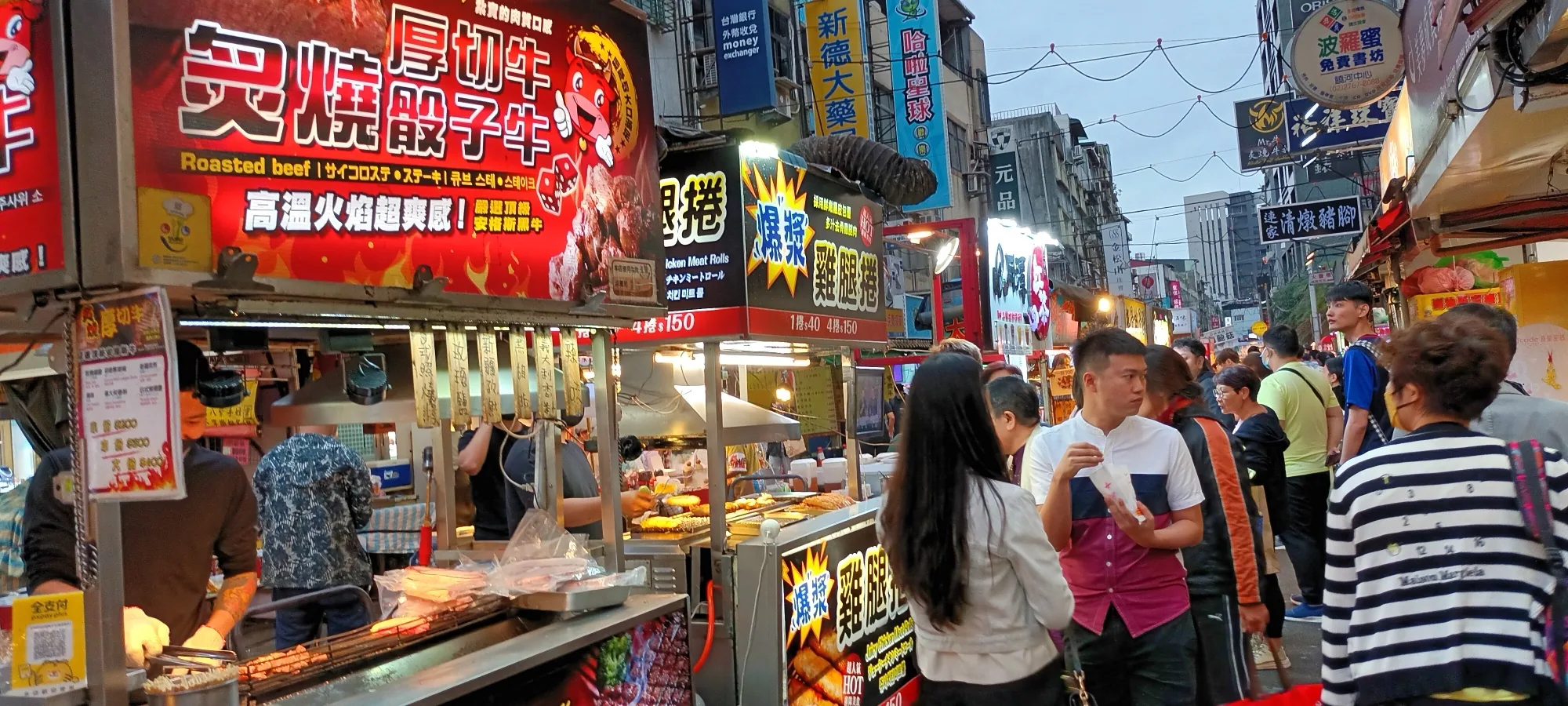
Mountain Makers: A Century's Gamble — A Taiwanese Semiconductor Epic That Had to Sand One Word Off Its Title Before It Could Be Spoken
Released on June 13, 2025, the documentary A Chip Odyssey tells the irreplaceable epic of Taiwan's semiconductor industry. But its original title was Silicon Shield. Hsiao Chu-chen spent five years and interviewed more than 80 people to capture this industry's story of being "born of adversity," only to sand the sharpest word off the title: when this country boasts of its strongest strategic card, it first has to weigh how the other side will hear it.
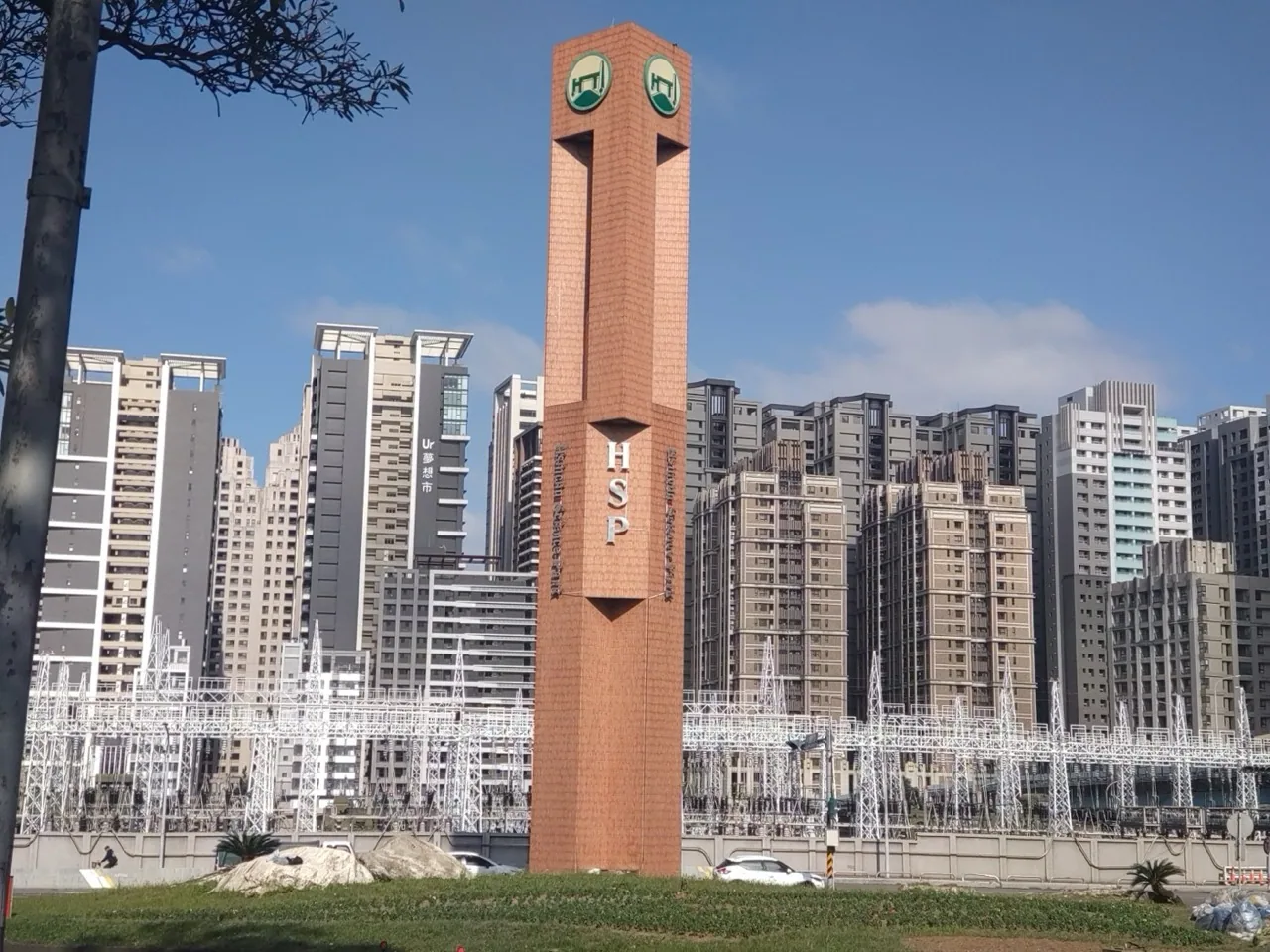
Elephant Gym: The Taiwanese Trio Whose Songs You Can Hear Even Though No One Sings
From student bands in the hot music clubs at National Kaohsiung Normal University Affiliated Senior High School and Kaohsiung Girls' Senior High School to Fuji Rock's Red Marquee, Camp Flog Gnaw, and ArcTangent, Elephant Gym spent 13 years letting the world hear a Taiwanese sound without a lead singer. After winning the Jury Award at the 2024 Golden Melody Awards, they announced an extended hiatus; the documentary More Real than Dreams, released in tandem, revealed that they had been on the verge of breaking up before their 2023 tour.
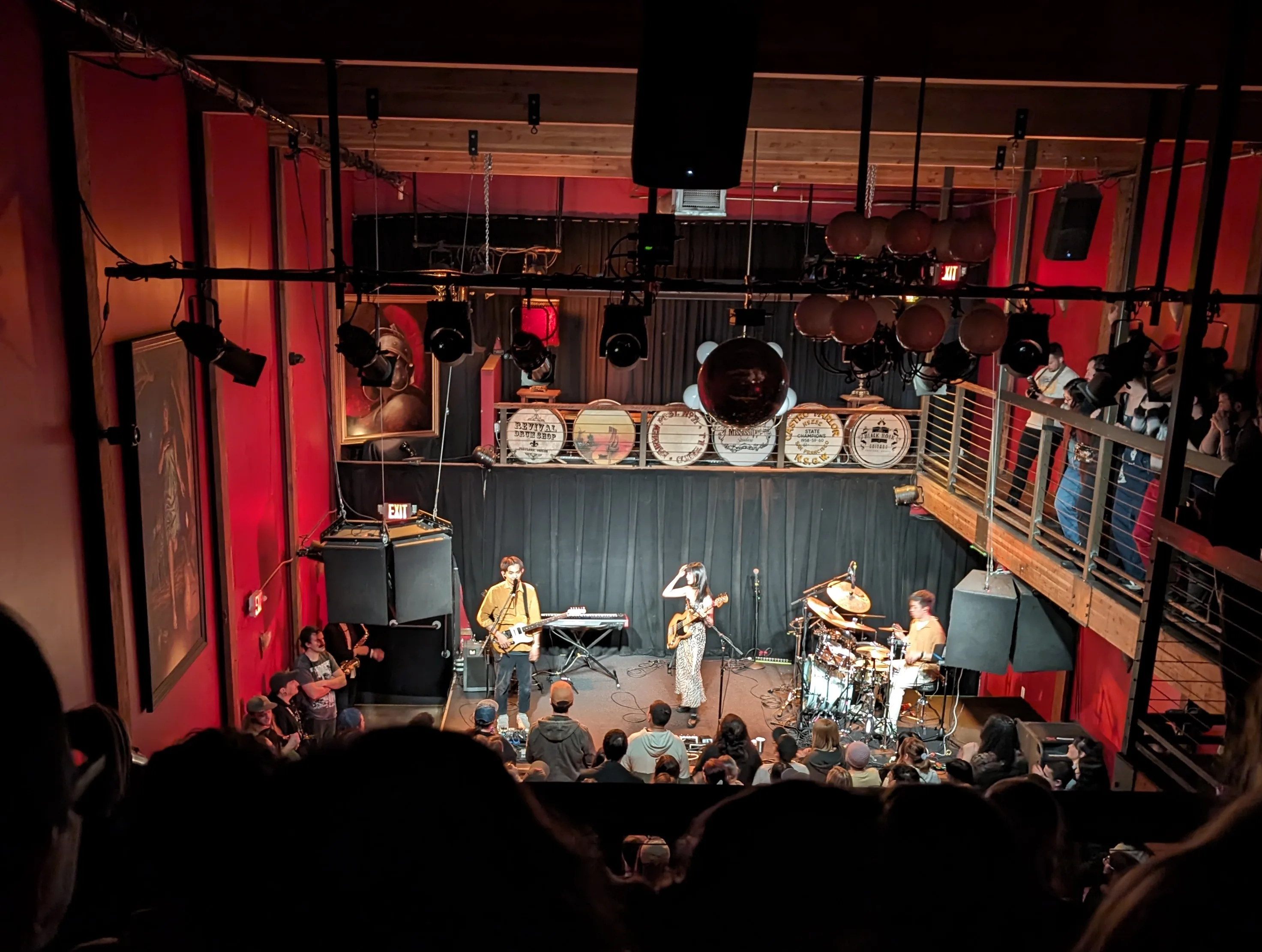
Taiwanese Pop Music: The Island That Made Wedding Clothes for the World, Left in the End with Songs Others Cannot Sing
In 1997, Taiwan was Asia's second-largest record market, and 80 percent of all Mandopop songs were produced here. By 2005, output value had fallen to one-quarter of its former size, the market had been overtaken by China, and even Jay Chou at his peak sold only 300,000 copies per album. When songs elsewhere can be silenced over one lyric, one flag, or one taboo, this island that lost the battle of scale turned the very question of "whether something can be sung" into its last and hardest bargaining chip.
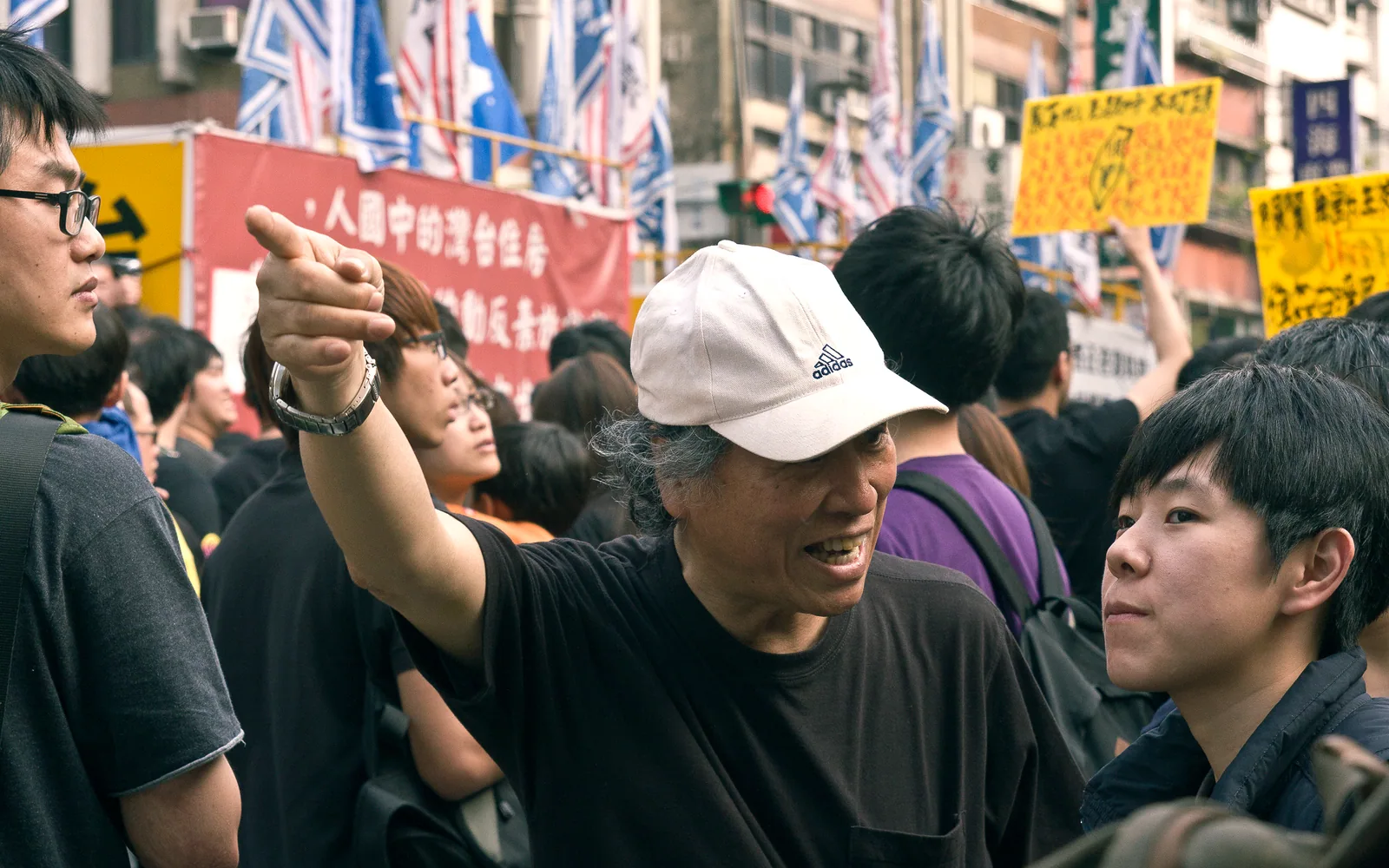
Golden Melody Awards: Taiwan Honors Its Own Music, and the Moments Remembered for a Lifetime Across Thirty-Five Years
In 2024 at Taipei Arena, No Party for Cao Dong ascended for a second time, their manager accepted the awards, and the entire hall fell silent for a drummer who had died. Across thirty-five years, the Golden Melody Awards have grown from a handwritten letter by Tsai Chin into a national ceremony, crowned Jay Chou's Fantasy, A-Mei's 14 nominations, and given top honors to songs in Taiwanese, Hakka, and Indigenous languages. This is where Taiwan honors its own music and decides which voices deserve to be remembered.
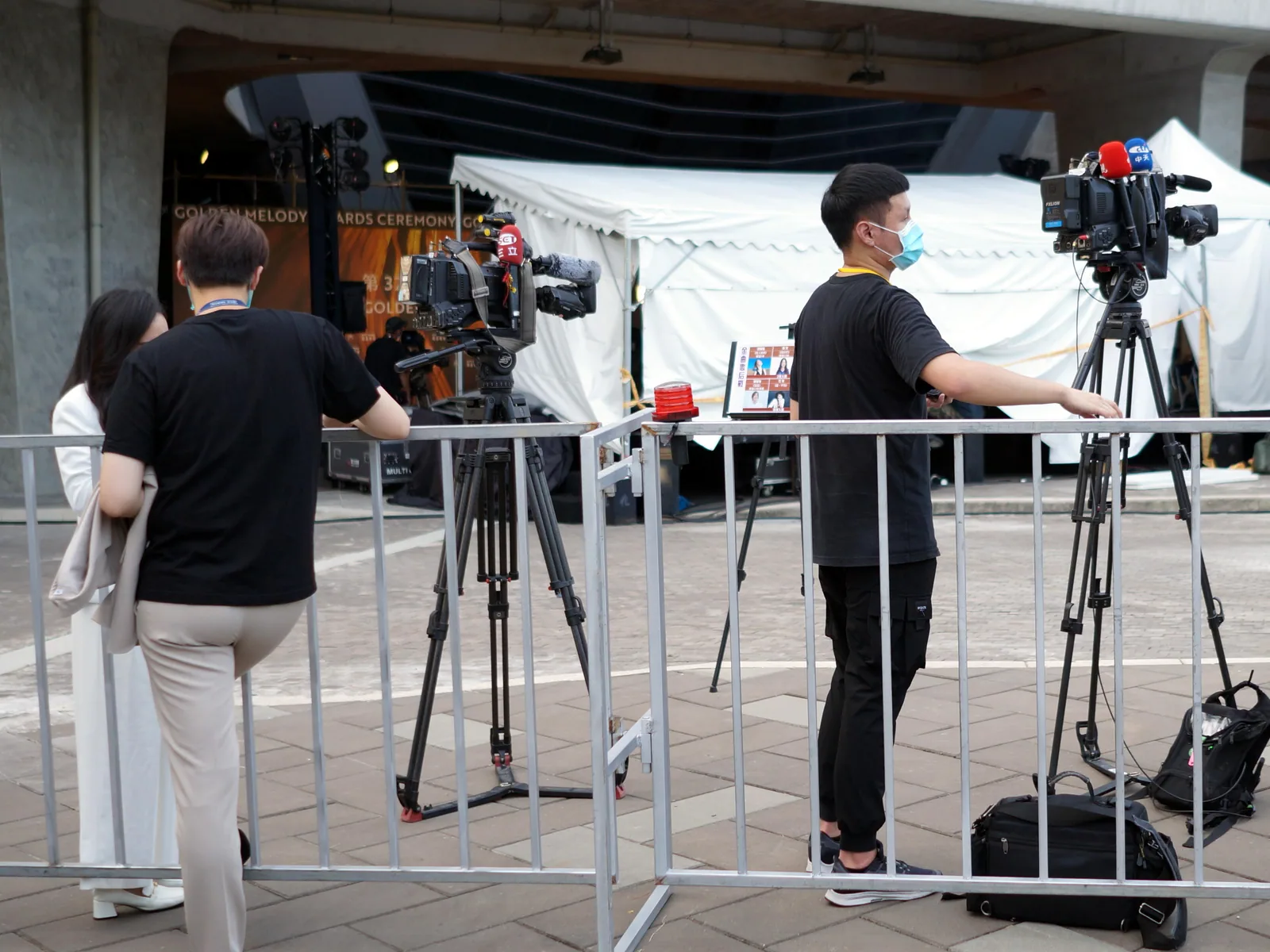
Taiwan Space Agency: Spending Thirty-Two Years to Assemble a Space Agency for a Country Still Assembling Its Own Name
In 1991 it was called a preparatory office: no name, no rocket, no land of its own. Thirty-two years later, it put Taiwan back into its name. Today, its control center in Hsinchu tracks the heartbeat of nine satellites around the clock; on the day of the April 3 Hualien earthquake, it reset its mission six minutes after the quake and acquired imagery within three hours. It is now filling in the final missing parts: an orbital rocket of its own, and an approved lunar mission that could launch as early as 2028.

Lu Kuan-wei: He Passed the Medical Licensing Exam but Never Put on a White Coat, Betting Instead on Something Harder to Prove Than Saving Lives
He passed the medical licensing exam but never put on a white coat. Instead, he took over the Junyi Academy platform founded by Fang Hsin-chou, hoping to use online self-directed learning to narrow Taiwan's educational divide. But global research points almost unanimously in the other direction: these tools help most the children who already have what they need. Twelve years later, there is still no independent evidence proving that his wager has paid off. How he faces that inability to prove success is more worth remembering than what he gave up.
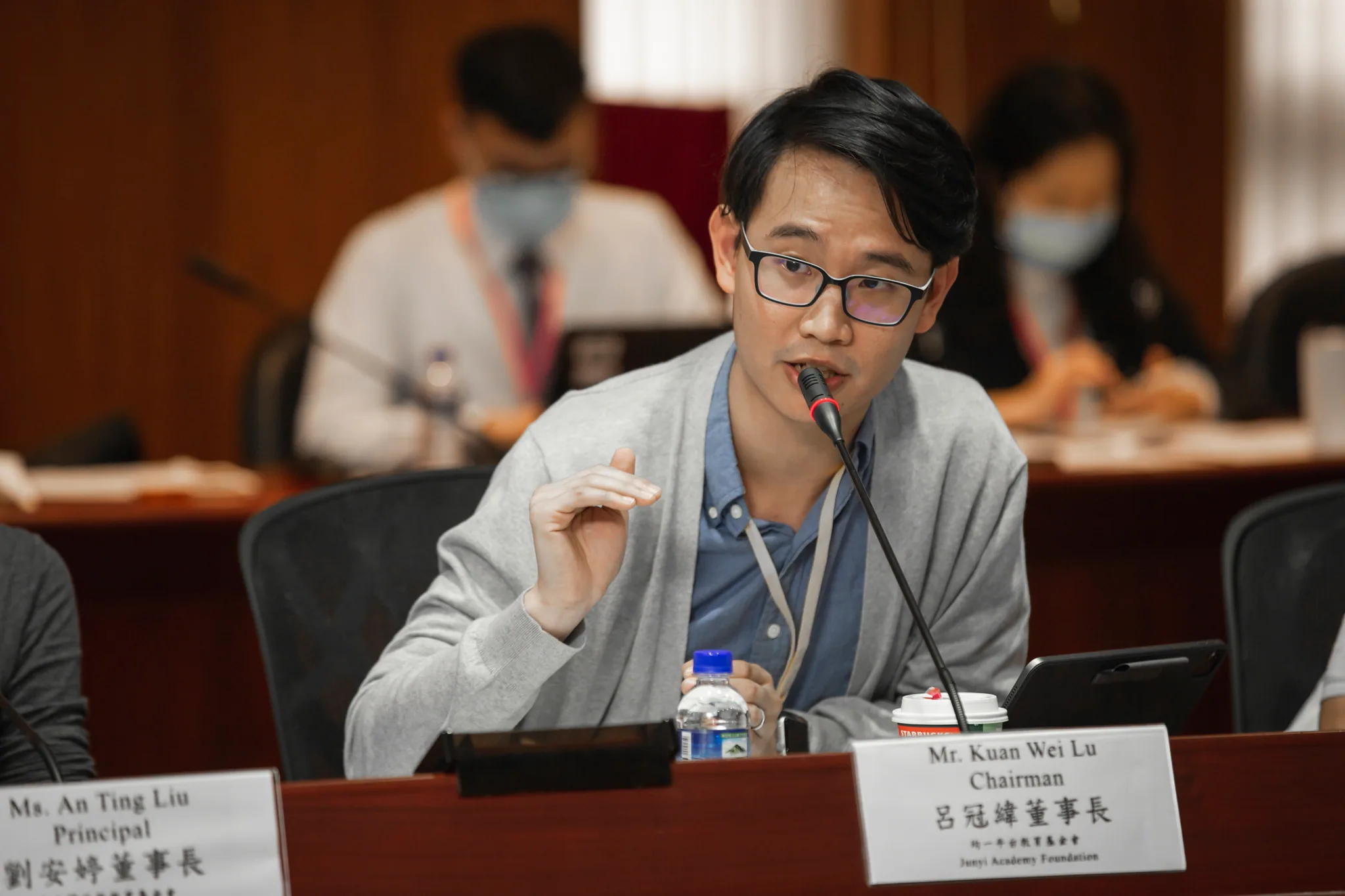
Constant and Change: Ten Years of 'A Band Doesn't Run on Persistence — If It's Not Fun, It Falls Apart'
A four-piece independent band formed in Taipei in 2013, whose name fuses the ancient Greek philosopher Heraclitus's 'panta rhei' with the changeup pitch in baseball. Lead vocalist ARNY was born in the Philippines, once played bass in Fire EX, and has 20 years in music; drummer Xiaomi has rheumatoid arthritis that left her thumb unable to bend, and still plays; bassist Jinmao says 'a band doesn't run on persistence — if it's not fun, it falls apart.' They went from playing Legacy to two audience members to 5,000 people at Taipei Music Center in 2023, with no viral moment and no breakout single — only ten years of steady evolution.
Taiwan's Transportation System: How an Island Compressed Itself into 90 Minutes
In 1946, Taiwan switched overnight from left-hand to right-hand traffic. The Central Mountain Range runs 273 km north to south, splitting 36,000 sq km of island into two halves. Sixty years later the HSR compressed 394 km into 90 minutes, and the Snow Mountain Tunnel shrank the Yilan trip from 2 hours to 40 minutes. Then came 14 million scooters jamming every intersection. This island's transportation story is its identity story.
Sun, July 26
2 articlesTaiwan BIM Case Study: One Protocol vs 12 Years of Policy
In 2014 Taiwan chose case-by-case BIM adoption. Twelve years on, a Taiwanese developer shipped REVIT_MCP_study. Policy no longer sets the pace alone.

Chun Wen-chi: 12 Years of Pushing Taiwan's Art Scene into the Malay Archipelago
In May 2017, Malaysian artist Okui Lala arrived in Taipei as the first resident for "No Man's Land," presenting a video of her and her mother-in-law praying in Teochew. This scene epitomizes Chun Wen-chi's 12-year journey with "No Man's Land"—accumulating 56 issues, 384 articles, and 10 volumes of the "Nusantara Archive," using "archipelago" to replace "Southeast Asia" and push Taiwan toward the Malay world.
Sat, July 25
36 articlesChiang Kai-shek Memorial Hall
It is the most colossal political totem at the heart of Taipei — and the most democratic dance practice space. From authoritarian sanctuary to the storm's eye of transitional justice, this building records the most violent tremors in Taiwan's soul.
The Eight Immortals Dust Explosion: The Taiwan Wound Burned Into That Night’s Color Party
On June 27, 2015, a color party at Formosa Fun Coast triggered an internationally shocking dust-explosion disaster after colored powder flash-ignited. The incident, Taiwan’s deadliest mass-casualty event since the 921 earthquake, left 499 people with burn injuries and 15 dead, fundamentally reshaped Taiwan’s emergency medical system, and drove reforms to safety regulations for large-scale events.
The Formosa Incident
A military trial that was supposed to completely collapse the opposition movement unexpectedly became the most powerful propaganda film for Taiwan's democracy due to its broadcast.
The Mudan Incident: A Clash of Civilizations and the Awakening of Sovereignty in the Stone Ridge Gorge
In 1874, a military action triggered by a maritime disaster made the Stone Ridge Gorge in southern Taiwan the focal point of modern East Asian affairs. This was not only a test case for the expansion of the Japanese Empire but also a turning point for the Qing court, shifting from peripheral defense to active governance.
A History of Forest Development in Taiwan: A Century-Long Shift from Resource Extraction to National Land Security
From the camphor smoke of the Qing dynasty to the ringing rails of the Japanese colonial era and the era of massive logging that shook the mountains after the war. This article traces the global geopolitical logic behind Taiwan's forest development policies and uses data to clarify the true history of a century of forestry.
The 19 Cattle of Qingtiangang: From Yuan Xing Cattle to Tainan Beef Soup, an Island's Beef Industry Breakthrough
Taiwan's beef self-sufficiency rate is only 4.6%, yet in 2024 the nation's first privately bred and officially certified cattle breed was born. The story of Yuan Xing cattle is an industry breakthrough scripted by a 94-year-old man, 19 wild black cattle, and a bowl of freshly slaughtered beef soup served before dawn.
How to Read the Taiwan Map: Four Hundred Years from Sweet Potato to Satellite
In 1554, a Portuguese cartographer drew a blurry island called 'I. Fremosa' across eight sheets of sheepskin. He never set foot there. Four hundred and seventy years later, what Google Maps shows you for Taiwan depends on which country you are in — this is not a technical question, it is a political one.
Linkou New Town: From "Ghost City" to Northern Taiwan's Emerging Metropolis — Transformation and Challenges
In the 1970s, the Taiwanese government planned a "garden city" new town on the Linkou plateau to ease population pressure on Taipei. After decades of development, this once mocked-as-"ghost city" area saw rapid population growth and industrial upgrading following the opening of the Airport MRT in 2017, becoming one of the youngest and most dynamic metropolitan areas in northern Taiwan. But challenges remain — most notably traffic congestion and a damp, chilly climate.
Taiwan Hot Springs Landscape
Beitou, Zhiben, Jiaoxi - the beautiful intersection of hot spring culture and geological science
Yushan: From 'Mount Niitaka' to the Highest Point of Taiwan's Soul
In 1897, Japanese colonizers named it 'Mount Niitaka,' symbolizing the empire's ambition to surpass Mount Fuji in altitude. More than a century later, Yushan remains Taiwan's highest peak: from a sacred mountain of Indigenous peoples, records in Qing-era texts, and the crown on colonial maps, to today's contested mountaineering shrine and testing ground for environmental ethics.
Bahamut: Taiwan Gaming and Anime Community
The birth, survival, and staying power of Taiwan's largest ACG community — and why it keeps growing in an era when Facebook and TikTok have swept everything else away.
Islam in Taiwan: From Quanzhou Guo-clan Ancestors to the Faith Mosaic of 300,000 Migrant Workers
In 2025, Taiwan's Muslim population surpassed 300,000. The island's Islamic imprint spans four centuries. From the ancestral-sacrifice taboos of the Lukang Guo family clan, to the Eid al-Fitr celebrations filling Taipei Main Station's black-and-white checkered hall, Taiwan is experiencing a faith reconstruction — from 'concealing ancestral origins' to 'a foreign home.'
Bwa-Chiao: Hearing the Voice of the Gods Behind a 50% Probability
From the dedication of Chiayi's *zhutou-chiao* (bamboo block) artisan Huang Yi-hsun to the 3-million-dollar legend of 20 consecutive "sacred" results at Pingtung's Citian Temple, exploring the probability and warmth of communication between Taiwan and the divine.
Lunar July: From Collective Dread of 'The Gates of Hell Opening' to the Gentle Reconciliation of an Island
In the midsummer of 2026, long tables are still set up on Taiwan streets. From the firelight in Wanghai Lane to the sweat on the lonely scaffold, from the 'Tiger Gate Opening' at Xinzhu City God Temple to the might of Minxiong Fire Cremation Shrine—Lunar July is more than a matter of taboo; it is a narrative of coexistence, memory, and an island crossing the boundary between Yin and Yang.
The Evolution of Taiwan Mandarin — Four Hundred Years of Linguistic Stratigraphy
How many layers of history are hidden in a single bento? Follow the journey of this word and explore the language that has naturally grown on this island over four centuries.
Tchoukball: Taiwan's Invisible 43-Year World Champion
In 1977, a Taiwanese professor brought back a net from the UK, unexpectedly planting the seeds of "Tchoukball" in Taiwan's schools. Over 40 years later, while Taiwan remains world number one and the International Federation is based in Kaohsiung, it remains an obscure sport to most Taiwanese people.
The Warmth of 5:00 AM: The Supply Chain and Freshness of Tainan Beef Soup
Tainan beef soup has been a "signature delicacy" for less than twenty years, but the reason it is worth queuing for at 5:00 AM is real—warm beef from the Shanhua slaughterhouse, a cold chain completed within hours, and a bone broth that begins simmering at dawn.
Not Brought by Koxinga: The Four-Hundred-Year Farming History of Milkfish
Tainan locals call milkfish "home fish," but its origins lie in aquaculture techniques introduced from Indonesia by the Dutch East India Company, thirty-seven years before Koxinga arrived in Taiwan. Qigu's 4,500 hectares of fishponds and the seven or more ways to prepare a single fish are living fossils of this four-century history.
Oil Rice (油飯): From 'Conspicuous Glutinous Rice' to the Weighty Gift Carrying a Life's Milestone
On Taiwan's streets in 2026, a portion of oil rice remains many people's first choice for celebrating a new birth. This dish — rooted in the traditions of Han Chinese migrants, evolved in Taiwan into a sweet-and-savory 'connoisseur's ratio' — combines glutinous rice and shallots into the most substantial blessing Taiwanese families offer at life's turning points.
Patience in an Aluminum Cup: The Seventy-Year Philosophy of Water Bath Cooking at A-Ming Pig Heart Glass Noodles
At No. 72 Bao'an Road, Tainan, Huang Hsien-ming's A-Ming Pig Heart Glass Noodles opens at 5:00 PM, with long queues forming every night; it was listed as a Michelin Bib Gourmand in 2022. The secret lies not in the ingredients—pig heart is an inexpensive offal—but in the cooking method: sliced pig hearts are placed in aluminum cups and heated via a water bath, allowing heat to penetrate slowly from the outside to create a heart that is not gamey or tough, but subtly sweet.
Rice Balls: From Morning "Sleeping Pills" to the Viral "Taiwanese Burrito" in the West
From Qing Dynasty glutinous rice culture to the cross-strait evolution of _cifan_, Taiwanese rice balls have become the soul of Taiwan's breakfast with their unique "old fried dough sticks" and hand-pressed technique. This article provides an in-depth analysis of its historical prelude, production craftsmanship, modern innovative flavors, and the "carb coma culture" sparking international discussion.
School Lunch in Taiwan: A Century of Change, from Skim Milk Powder to Neon Curry
In 1951, a UNICEF donation of skim milk powder launched Taiwan's school lunch program. From American aid flour to local rice, and from food education to free-lunch policies, a century of change has fed generations of students while tracing Taiwan's social, economic, and culinary evolution.
Apple Bread: Feeding a Modernization Illusion on an Island Without Apples
This was not merely a piece of bread, but a modernization experiment in 1960s Taiwan under the shadow of U.S. aid, woven from flour, symbols, and resilience. Retired Major Liu Che-chi used the luxury metaphor of the apple and Japanese dehydration technology to transform what had been austere military rations into a national memory spanning generations, revealing how postwar Taiwanese society used substitutes to bridge the gap between aspiration and reality.
Taiwanese Noodle Culture
From danzai noodles to beef noodle soup, from yangchun noodles to dry mixed noodles, Taiwanese noodle culture blends Hokkien, Mainland Chinese, and innovative elements to form a unique noodle culinary tradition

Paper Windmill Theater: The Don Quixote That Set Taiwan’s Dreams in Motion, an Artistic Long March Spanning Three Decades
From its theatrical reverie in 1992 to a “New Cultural Movement” that traveled across 368 townships and districts, Paper Windmill Theater has embodied the spirit of “moving when there is wind, and making its own wind when there is none,” lighting the first mile of art for Taiwan’s children. After the Bali fire and the devastation of the pandemic, founder Lee Yong-feng led the troupe through depression and debt toward rebirth, weaving Taiwan’s collective memory through the giant Rain Horse and local stories.
Yam: From the "Dutaihui Case" to Little Yam Babies—The Ideals and Disillusionment of a Local Search Engine
In 1994, Chen Cheng-ran and a group of social activists founded Yam, creating Taiwan's first World Wide Web presence and Chinese-language search engine, embedding "Little Yam Babies" into the memories of a generation. However, facing the dot-com bubble and competition from global giants, this vision born of social care ultimately succumbed to commercial reality, exiting the stage in 2006.
Formosan Rock Macaque: Survival Games at NSYSU, Matrilineal Power, and the Truth About Taiwan's Ten-Thousand-Year Settlers
From the absurd daily routine at NSYSU — students collecting food deliveries while armed — to Robert Swinhoe's 1862 introduction of the island's primates to Western science, the Formosan Rock Macaque is often branded a "thug." Behind the label is a strict matrilineal society that settled on Mount Chai (柴山) tens of thousands of years ago, forced to evolve a survival culture under campus expansion and human feeding.
Lanyu Ecosystem: The Life Code of the Kuroshio Frontier
Lanyu does not belong to Taiwan—at least not biologically. This small island at the northernmost tip of the Philippine volcanic arc is filled with tropical life brought by the Kuroshio Current, finding a balance between nature and humanity through the millennia of ecological wisdom of the Tao people.
The Ornithology of Formosa: A British Vice-Consul, 201 Latin Names, and the Mountains He Never Entered
In 1861, a 24-year-old Robert Swinhoe became Britain's first vice-consul to Taiwan. Five years later he left behind a paper that, for the first time, wrote Formosa's birds into Latin. But his bird map was traced from the coastline — and in the blank spaces of the Central Mountain Range, indigenous peoples had been calling these birds by their own names for thousands of years.
Chuang Chu Yu-nu: From Free Meals for Dock Workers to a Ten-Dollar Buffet That Sold Seven Houses
In 1951, Chuang Chu Yu-nu set up a stove by Kaohsiung Harbor to feed impoverished dock workers for free. Hailed as the "guardian of the poor," she ran an all-you-can-eat buffet at NT$10 for over fifty years, selling seven houses to keep it running and turning "letting people eat their fill" into a lifelong faith.
Fu Kun-chi: The Spiral of Power from the East Coast's 'Hualien King' to Legislative Caucus Convener
From the 1990s stock-market magnate known as 'Kai Ju Little Fu,' to entering the legislature in 2001 and taking control of Hualien in 2009, Fu Kun-chi built on Taiwan's east coast a two-decade 'Fu family dynasty' that even the central government found difficult to shake. From serving prison time while still holding office in a stock-manipulation case and staging a sham divorce to appoint his wife as deputy county magistrate, to returning to the Legislative Yuan in 2024 as Kuomintang caucus convener and leading a delegation to China, he has embodied one of the most extreme cases of resilience and controversy in Taiwanese politics.
Rather Burn Out Than Rust Out: Mackay and His Beloved Formosa
From extracting 20,000 teeth to founding girls' schools, how Canadian missionary George Leslie Mackay became a "true Taiwanese" and rewrote the history of medicine, education, and scientific exploration in northern Taiwan.
Henry Lee
Built a forensic legend from a handful of bone fragments — yet a 'bloodstain' on a towel sent two men to prison for thirty wrongful years
Hung Sing-fu: The Fallen Superstar of Nativist Literature
Born in 1949 to a poor farming family in Erlin, Changhua, Hung Sing-fu published his first short story at age 18. Before his untimely death from a car accident at age 33, he worked as an elementary school teacher and produced Nativist classics such as "Black-faced Ching-tzu," "My Soil," and "Playing in the Streets" in just 15 years, capturing Taiwan's rural transition from agriculture to industry.
Jody Chiang: The Tâi-gí Diva Who Emerged from the Sulfur Mists of Beitou, and Her Nine-Year Secret War
From performing in Beitou tea houses at age 10 to becoming a multi-million selling diva, Jody Chiang redefined the status of Taiwanese folk culture, only to choose retirement at her peak due to a secret battle with cancer.
Kao Chun-ming
A pastor who risked his life and church for a stranger he barely knew — the faith choice behind the Kaohsiung Incident