
Lifestyle
· Lifestyle and values of the Taiwanese people 43 articles Updated 2026-09-05In 2023, the World Happiness Report ranked Taiwan 27th globally, surpassing all countries or regions with comparable population density. This result puzzled observers: when economists warn that "crowding reduces quality of life" and urban planners worry that "density increases social pressure," Taiwan somehow achieved world-class life satisfaction within a cramped 280 people per square kilometer.
Featured
- Standard article2026-08
Taiwan Customs Declaration and EZ WAY: When You Tap 'Declaration Matches', Who Do You Entrust?
Your phone vibrates with a push notification containing an incomprehensible product name. You tap 'Declaration Matches', legally completing a customs declaration entrustment. 7.59 million people in Taiwan have registered for this app. After a post went viral in August 2026, many people first checked who operates it: Customs and Immigration Bureau, where the Ministry of Finance holds 36.11% and state shares are less than half. At the same time, the government proposed for the second time to lower the NT$2,000 tax-free threshold. Who pays the bill for this convenient shortcut, and who has been unable to speak up from beginning to end?
50 ~16 min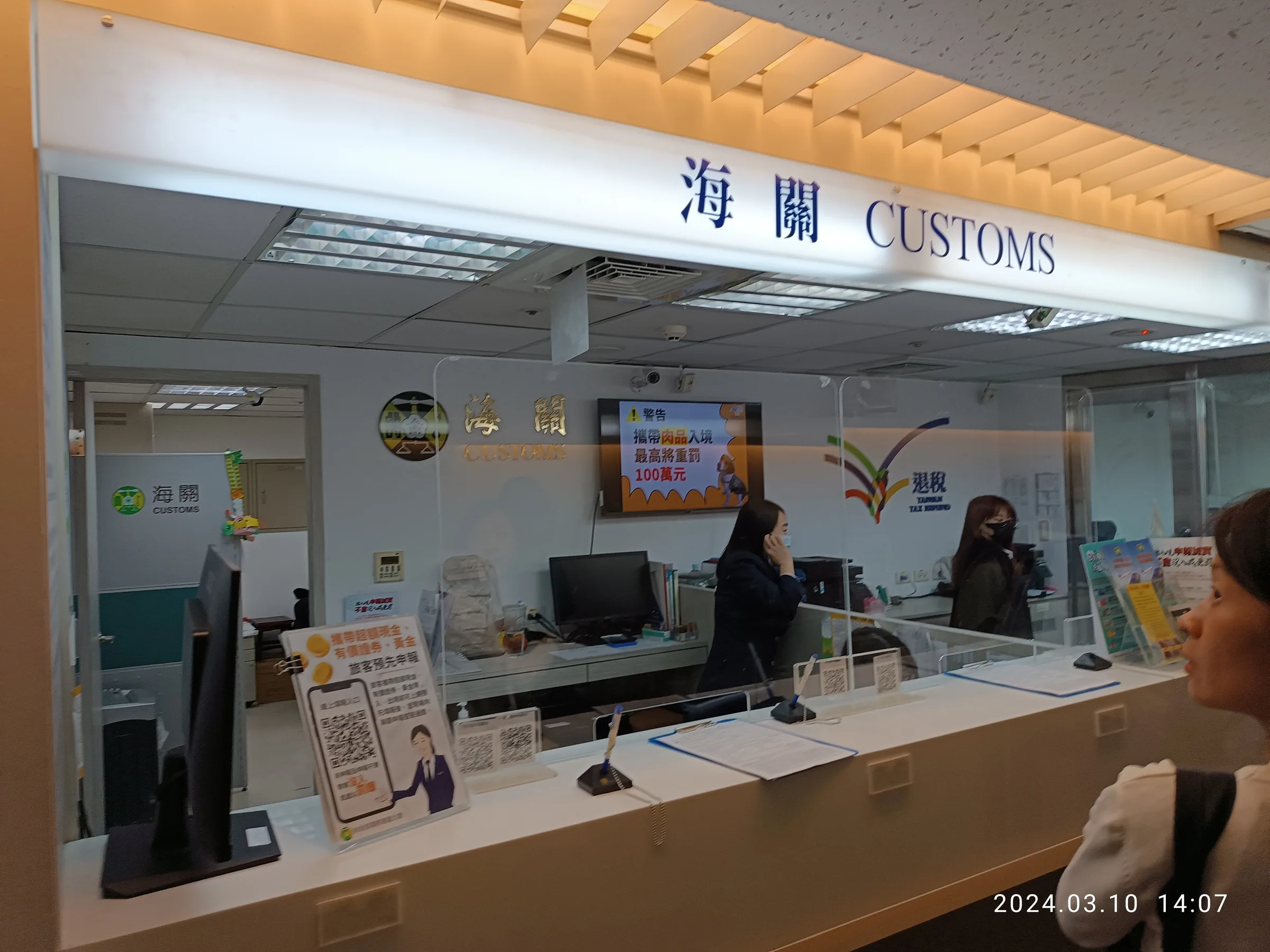
- Standard article2026-07
Taiwan Healthcare and National Health Insurance: A World Number One Where 99.6% Rests on 12.61%
The National Health Insurance card used on March 1, 1995, was rushed out under extreme pressure: six days earlier, the cards had not even been printed. Thirty years later, the right to medical care for 23 million people rests on a 5.17% premium rate, a nursing turnover rate at a 10-year high of 12.61%, and a political taboo no one has dared touch for 30 years.
42 ~22 min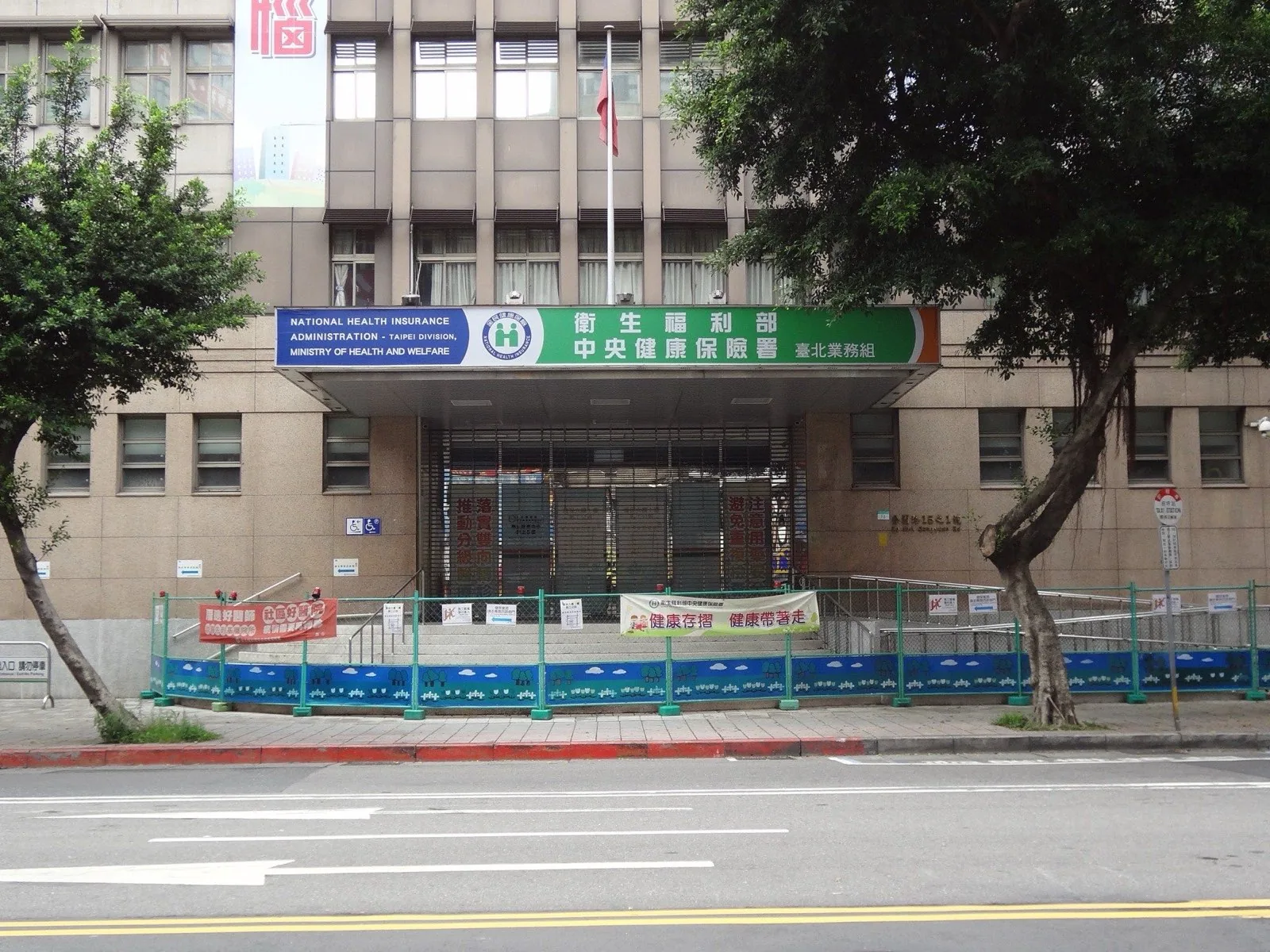
- Standard article2026-07
Taiwan's Transportation System: How an Island Compressed Itself into 90 Minutes
In 1946, Taiwan switched overnight from left-hand to right-hand traffic. The Central Mountain Range runs 273 km north to south, splitting 36,000 sq km of island into two halves. Sixty years later the HSR compressed 394 km into 90 minutes, and the Snow Mountain Tunnel shrank the Yilan trip from 2 hours to 40 minutes. Then came 14 million scooters jamming every intersection. This island's transportation story is its identity story.
28 ~16 min
Transportation & Mobility 12
- Standard article
The History of Taiwan's MRT: An Urban Evolution Written in Blood and Money
From the 209-ton steel beam that took 4 lives and resulted in a 1.64 billion compensation claim, to the fact that Taipei Metro still operates at a loss—the true cost behind all of Taiwan's mass transit.
- Standard article
Taiwan's Bus System: After Hsinchu Bus Drives Away, Who Will Pick Up the People Without Steering Wheels?
On the morning of September 15, 2024, at Tongluo Railway Station, more than 30 people, from kindergarten children to a 90-year-old elder, boarded the last Hsinchu Bus 5658 service. From Taipei's first joint-operation route in 1977, to rural areas left with only two services a day, drivers averaging 51 years old, and TPASS monthly passes driving Hualien ridership up by nearly 70 percent, buses have always carried people with no other choice: students commuting to school, older adults who do not drive, families without cars. And this system is being pulled out from under them, route by route.
- Standard article
Tour Buses: Why Has This Iron Box Carrying Taiwan's People Up Mountains and Across Seas for Six Decades Always Been Involved in Accidents?
From Yu Liu Ju-lan, who became a conductor at 14 during the Japanese colonial era, to the 1959 Golden Horse bus on the Central Cross-Island Highway, the wild buses of the 1980s, the 2017 Van Gogh's Sunflowers crash in Nangang that killed 33, and the 2025 Guoyi Highway fire and Shilinxi valley drop, tour buses have carried Taiwan's post-war tourism dreams, pilgrimage groups, and school trips. But the agency system, low tour fee competition, and long working hours have made this iron box one of the island's most dangerous vehicles. Can the new driver identity verification system implemented on New Year's Day 2026 end this cycle?
- Standard article
National Highways: From MacArthur Freeway to Hsuehshan Tunnel, Fifty Years of Power and Speed on Taiwan's Expressways
In 1964, the MacArthur Freeway was only 23 kilometers long; today Taiwan's national highway network exceeds 1,000 kilometers. From the Chiang Ching-kuo–championed Sun Yat-sen Freeway, the politically mocked Formosa Freeway, the world's most difficult-to-dig Hsuehshan Tunnel, to ETC reshaping every driver's toll-paying habits—each ribbon of asphalt records postwar Taiwan's political will, engineering limits, and civic resistance.
- Evolving · community
Taiwan High Speed Rail: From BOT Financial Experiment to Daily Life in the Western Corridor
The Taiwan High Speed Rail is not just about shortening the journey from Taipei to Kaohsiung to an hour and a half; it is also a systemic experiment transitioning from private Build-Operate-Transfer (BOT) models, technological shifts, to public responsibility. How it changed the western corridor still depends on finance, last-mile connectivity, and station area development.
- Evolving · community
Delivery Platforms: One Button to Your Door, Who Is Racing Against Time for the City?
After 2019, food delivery evolved from a novel service into a daily urban infrastructure in Taiwan: restaurants use it to reach new customers, consumers use it to shorten wait times, while delivery riders bear the invisible time and risks between their phones, motorcycles, and the roads.
- Evolving · community
Taiwan Passport: How a Small Blue Book Carries the Nation and Its Identity
The Taiwan passport is more than a travel document. From the enlarged "TAIWAN" text introduced in 2021 and the formal state name surrounding the national emblem, to chip verification, application regulations, visa-free privileges, and the 2025 supply controversy, it compresses nationality, administrative systems, international recognition, border technology, and daily travel into a single cover. It turns a small booklet into the interface through which the world reads Taiwan, embedding identity politics into every pre-departure check and wait.
- Evolving · community
Bus Route 307: Carrying Many People’s Childhood Without Taking the Highway
The Da-You Bus Route 12, established in 1969, later became the Route 307 shuttling between Songshan, Taipei Main Station, Ximending, Zhonghe, and Banqiao. It never takes the highway, yet it connects office buildings, schools, wet markets, and the way home after school. From three-zone to two-zone fares, from Da-You Bus to today’s joint-operation fleet, in 2024 it still carried 16.39 million passengers, leaving the city memories of different generations on the ground streets. This article traces the route’s evolution, operational data, and vehicle updates.
- Evolving · community
The Taipei Bridge Scooter Waterfall: The Vitality of the Common People and Urban Aesthetics in a River of Steel
At 7:00 AM on the approach to Taipei Bridge, the "scooter waterfall" where tens of thousands of motor scooters pour down is not only a globally shocking spectacle but also a concrete microcosm of Taiwan's post-war economic development, urban housing costs, and the daily mobility of the working class.
- Evolving · community
Taiwan Post: How a Letter Navigates Institutions, Mountain Roads, and Daily Life
In 1888, Liu Ming-chuan established the Taiwan Postal Bureau in Taipei Prefecture; in 1895, Japanese military postal services took over; in 2003, it was restructured into Chunghwa Post Company. From mail carriers and postal savings to i-Postboxes, this seemingly old-fashioned network truly delivers how state services reach every household.
- Standard article
Taiwan YouBike Culture and the Urban Micromobility Revolution
From 'last mile' to daily infrastructure: how YouBike used small pricing, dense station networks, and real-time dispatch to reshape Taiwan's urban movement habits and relationship with time.
- Evolving · community
Taiwan's Arcade Culture and Streetscapes
Corridors of shelter and life: memories of Taiwan's streets woven with scooters, street vendors, and human warmth
Urban Life 8
- Standard article
Taiwan's Convenience Store Culture
A convenience-store kingdom with one of the world's highest densities, where 7-Eleven and FamilyMart's localized innovations have redefined modern lifestyles
- Evolving · community
Taiwan's Mascots: From Datong Baby Merchandise to Global Local Icons
From the 1969 Datong Baby, Oh Bear and Xiongzan, to Kaohsiung MRT's Maolimiao, Tiger Duck, Timeng, and Caiqi Duck, how have Taiwanese mascots carried local memory, transportation scenes, campus identity, soccer emotion, and corporate IP; the real test of a character is whether it can leave the standee and enter people's lives.
- Evolving · community
Utility Poles and Substations: How Taiwan Hangs Modern Life on Street Corners and Paints Local Memory Onto Them
From hydropower in 1905 to today’s undergrounding and painted substations, how power infrastructure serves as urban foundation, disaster risk, and local identity.
- Standard article
Taiwan Hairstyles: A Social Ruler from Hair Bans to Memes
From the Ministry of Education's buzz-cut mandate in 1969 to Minister Du Zhengsheng's 2005 remark — 'Can hairstyle represent whether someone is good or bad?' — which fully lifted the hair ban, the crowns of Taiwanese men have reflected a societal shift from authoritarian discipline to self-expression. The recent viral 'A-Zhi Cut' meme is merely the latest chapter in this transformation.
- Evolving · community
Taiwan's Shoe-Off Rule: A Household Boundary Without a Genkan
From Japanese colonial residences to indoor slippers, schools, and cultural venues, how Taiwanese people turn a door with no fixed form into a negotiable boundary between indoors and outdoors.
- Evolving · community
Post Offices: Opened in 1888, Regimes Changed Names, Counters Remained
In 1888, Liu Ming-chuan established the Taiwan Postal Bureau in Taipei Prefecture; the post office subsequently navigated Qing rule, Japanese colonial administration, and post-war state-owned enterprise systems, evolving from a letter-sending counter into a public network for savings, insurance, and local care; it is the most ordinary institution, yet the one that best reveals how Taiwan transformed state systems into daily life.
- Evolving · community
The Island Chasing Garbage Trucks: Taiwan's Journey from Waste Crisis to Recycling Miracle
A place once dubbed "Garbage Island" by international media in the 1990s, with 400 nearly full landfills; using Beethoven's music to prompt 23 million people to chase garbage trucks daily, achieving recycling rates that surpass most European nations after 30 years.
- Evolving · community
Xiao Bei Department Store: Taiwan's Grocery King in the Late-Night Lights, from a Seafood Stall to a "Parent's Savior" Over Three Decades
Founded in 1994 at Tainan's Xiao Bei Night Market, Xiao Bei Department Store leveraged a "24-hour operation" and a "sell what others won't" strategy to transform from a near-bankrupt seafood shop into a hardware retail leader with over 190 stores island-wide. It is a late-night savior for parents, a supply station for migrant workers' nostalgia, and Taiwan's retail sector's most resilient survival miracle.
Leisure & Entertainment 6
- Standard article
Esports: From Internet-Cafe Kids to the World Stage, an Arena of Taiwanese Resilience and Opportunity
TPA's 2012 championship once ignited Taiwan's esports passion, but the industry's development has been anything but smooth. From Tseng Cheng-cheng's hardships to the legal recognition of esports, Taiwanese esports has sought its place amid glory and challenge, while showing distinctive resilience and boundless opportunity across the global hardware supply chain, diverse communities, and the AI wave.
- Evolving · community
Bowling: From US Military Clubs to Six Gold Medals at the Bangkok Asian Games—The Rise, Fall, and Afterglow of Taiwan's UFO Ball
In the 1990s, bowling was Taiwan's most craze-inducing national sport. Using the self-invented "UFO Ball" technique, Taiwan swept six gold medals at the 1998 Bangkok Asian Games, with bowling alleys across Taiwan once exceeding 600 locations and daily revenues reaching 300,000 TWD.
- Standard article
MTV: In the Private Room, Watching the Movie Was Never the Point
In 1985, Taipei’s “Super-Sensibility MTV Audiovisual Center” pioneered wooden partitions, moving the movie theater into a room the size of a sofa. By 1988 there were more than 600 such venues across Taiwan; in 1992, the United States’ “Special 301” axe fell, and Solar System MTV pulled down its metal shutters. What the private rooms left behind was not cinema, but an entire generation of Taiwanese people’s first imagination of “private space.”
- Evolving · community
Leofoo Village: A Theme Park Where Animals Came First, Then Roller Coasters Grew
In 1979, Chuang Fu opened a free-range wildlife park on 73 hectares in Guansi, Hsinchu. Fifteen years later, four exotic-themed villages and thrill rides were added, combining animal viewing with the pursuit of weightlessness in a single itinerary, and placing entertainment, education, animal welfare, and public safety within the same management framework. The park’s paradox lies in this: the more successfully it turns life into a journey, the less it can be managed solely by theme-park standards.
- Standard article
Nightlife and KTV Culture
From Cashbox booths to late-night diners, the island's 24-hour nightlife never sleeps
- Evolving · community
Beyblade: A Toy Manufacturer’s Promotional Campaign That Evolved Over 27 Years into a National Sport with 600 Annual Tournaments
On the early morning of May 23, 2026, a long queue had already formed outside the New Taipei City Hongwei Plaza. These were not people rushing to buy limited-edition sneakers, but fans waiting for the start of the Beyblade National Championship, where the top three finishers would win gold, silver, and bronze launchers. In 1999, Japanese toy company Takara released an anime of the same name to promote the toy. The elementary school students who watched the Taiwanese-dubbed version back then are now the adults lining up at dawn. The toy didn’t grow up; it grew into a competitive sport with referees, scoring systems, and prize money.
Others 17
- Standard article
Taiwan Customs Declaration and EZ WAY: When You Tap 'Declaration Matches', Who Do You Entrust?
Your phone vibrates with a push notification containing an incomprehensible product name. You tap 'Declaration Matches', legally completing a customs declaration entrustment. 7.59 million people in Taiwan have registered for this app. After a post went viral in August 2026, many people first checked who operates it: Customs and Immigration Bureau, where the Ministry of Finance holds 36.11% and state shares are less than half. At the same time, the government proposed for the second time to lower the NT$2,000 tax-free threshold. Who pays the bill for this convenient shortcut, and who has been unable to speak up from beginning to end?
- Standard article
Taiwan Healthcare and National Health Insurance: A World Number One Where 99.6% Rests on 12.61%
The National Health Insurance card used on March 1, 1995, was rushed out under extreme pressure: six days earlier, the cards had not even been printed. Thirty years later, the right to medical care for 23 million people rests on a 5.17% premium rate, a nursing turnover rate at a 10-year high of 12.61%, and a political taboo no one has dared touch for 30 years.
- Standard article
Taiwan's Transportation System: How an Island Compressed Itself into 90 Minutes
In 1946, Taiwan switched overnight from left-hand to right-hand traffic. The Central Mountain Range runs 273 km north to south, splitting 36,000 sq km of island into two halves. Sixty years later the HSR compressed 394 km into 90 minutes, and the Snow Mountain Tunnel shrank the Yilan trip from 2 hours to 40 minutes. Then came 14 million scooters jamming every intersection. This island's transportation story is its identity story.
- Standard article
Taiwan's Education System: From Exam Hell to the Maze of Diversity
Taiwan spent 30 years trying to abolish its brutal university entrance exam system, only to see cram school enrollments double in 2022. How an island repeatedly experiments with balancing exam pressure and educational equity.
- Standard article
Taiwan's Scooter Culture
The country with the world's highest scooter density didn't choose scooters — it never had another option. Now it's accidentally become the global laboratory for electric two-wheelers.
- Standard article
School Cooperatives in Taiwan: The Vanishing Democratic Experiment Behind the Pork Bun
In 1989, NTU student body president Lo Wen-chia led a sit-in at the campus welfare shop, demanding it be restructured into a teacher-and-student-owned cooperative. A year later, the Ministry of Education made it national policy, and at peak there were over 5,000 cooperative shops across Taiwan campuses. Three decades on, the cooperatives at flagship schools like Jianguo High and Jingmei Girls High are switching off their lights — squeezed out by food-delivery platforms, food bans, and the demographic cliff. This piece asks: when the NT$10 share certificate disappears, what Taiwan loses is not just the smell of steamed pork buns, but an unfinished lesson in civic and labor education.
- Standard article
LINE: Taiwan's Digital Infrastructure Born from a Disaster
With over 93% penetration in Taiwan, LINE evolved from replacing MSN for communication into a one-stop portal combining payments, banking, government services, and elder-friendly image culture — becoming the core digital infrastructure of Taiwanese society.
- Evolving · community
Taiwan's Garbage Truck Culture: When World-Class Melodies Become Cues for Civic Society
From Beethoven's "Für Elise" to Padarewski's "A Maiden's Prayer," the melodies echoing through Taiwan's streets are not merely signals for waste collection—they constitute a half-century-long social experiment that has uniquely shaped global recycling rates and distinctive neighborhood cohesion.
- Evolving · community
The Little Green Man: From Countdown to Traffic Signal Boundaries
Before the little green man appeared, pedestrians first read static red and green figures. When Taipei turned it into a countdown animation, it became a carrier of local creativity, urban legends, and traffic safety debates.
- Standard article
Taiwan Mahjong: Grandma Won't Teach You, but Celebrity Mahjong Will
On the second day of Lunar New Year, Grandma sits at the table, plays a hand you cannot decode, and wins. You ask how the scoring works; she says children should be seen and not heard. So you open the computer and let Wu Zong-xian teach you. Celebrity Mahjong (明星三缺一), released by IGS in 2001, accidentally became the mahjong teacher for an entire generation of Taiwanese.
- Evolving · community
National Health Insurance: The Medical Miracle Protecting All of Taiwan
Since its launch in 1995, Taiwan’s National Health Insurance (NHI) has become a globally recognized model of social welfare, characterized by near-universal coverage, low administrative costs, and high accessibility. Through a single-payer system integrated with digital technology, this framework has not only eliminated the social dilemma of "poverty due to illness" but also demonstrated strong social resilience in digital healthcare and public health security.
- Evolving · community
Taiwan Railway's Mingrihao: From Railway Aesthetic Disaster to Moving Five-Star Palace
Starting from the transformation of the 70-year-old Chu-kuang Express's deep-rooted ailments, how JC. Architecture and Lion Travel introduced the "autumn wind" concept, bringing understated luxury black-orange livery and subtractive aesthetics to Taiwan's railways, and further giving birth to the German iF Gold Award-winning moving restaurant "Mingri Kitchen," redefining high-end railway travel in Taiwan.
- Standard article
Wang-a-piau: Taiwan's Battle Cards of Childhood — From Election Flyers to Schoolyard Showdowns
Starting in the 1950s, wang-a-piau were both a game in children's hands and a yardstick of peer status — the more you collected, the more weight you carried in the schoolyard after class. These cards, rooted in Chinese leaf-games and inspired by Japanese children's toys, shifted from metal to plastic and their imagery from puppet-theater characters to comic heroes. They carry the collective memory of generations of Taiwanese people. Most remarkably: in Taiwan, even election flyers could be folded by children into wang-a-piau, becoming unconventional weapons on the childhood battlefield.
- Evolving · community
Taiwanese Market Culture: A Marketplace That Sells Not Just Vegetables, But Also Preserves Urban Memory
From colonial public markets and post-war population shifts to the electronic payments of Taipei City, this article explores how traditional Taiwanese markets simultaneously provide food supply, popular economy, community ties, and urban memory while searching for their next place between safety, convenience, and human connection.
- Standard article
Taoyuan Airport: From the "Chiang Kai-shek" Name of the Ten Major Construction Projects to the NT$128.3 Billion Trial of the 2026 Gateway Reboot
In April 2026, the roof of Taoyuan Airport's Terminal 3 was officially capped, marking the imminent rebirth of this NT$128.3 billion national gateway. From its 1979 birth as "Chiang Kai-shek International Airport," through the 2016 flooding nadir, to the 2025 North Boarding Hall launch that triggered a transit boom, Taoyuan Airport is attempting to reclaim its lost coordinates amid competition among Asia's aviation hubs.
- Standard article
Hot Spring Culture
From Military Medicine to World-Class Mud Springs: How Taiwan Became an Accidental Hot Spring Empire
- Standard article
Taiwan’s Parks and Everyday Leisure
From dawn tai chi to late‑night strolls—parks as Taiwan’s intergenerational living rooms.
Curatorial Reading
The answer hides in the numbers. While other nations debate universal healthcare feasibility, Taiwan already provides health insurance to 99.9% of its population. While convenience stores in other cities close at night, 70% of Taiwan's 11,000 stores operate 24/7. While other places struggle with last-mile transportation, Taiwan's 678 motorcycles per thousand people transformed the entire island into a 30-minute life circle.
But the real secret isn't convenience itself—it's what Taiwanese spent thirty years inventing: "density aesthetics." How do you create infinite possibilities within limited space? How do 23 million people support rather than crush each other? How does an island become not a prison but a warm home?
This experiment began in 1995 with National Health Insurance launch. No one believed a government could afford healthcare for everyone. Twenty-eight years later, Taiwan's NHI didn't just survive—it became what the World Health Organization calls the "Asian Miracle." Health cards became Taiwanese identity proof. Emergency room visits at 3 AM don't trigger financial anxiety. Chronic patients pay just NT$50 monthly for life-saving medications.
Convenience stores marked the experiment's second phase. When 7-Eleven opened its first Taiwan store in Taipei in 1988, few imagined it would rewrite Taiwanese life rhythms. Thirty-five years later, 11,000 convenience stores created the world's second-highest density, behind only South Korea. But Taiwan's convenience stores don't just sell things—they're 24-hour financial service points, community postal services, coffee shops, even midnight sanctuaries.
The third phase was motorcycle culture's rise. In the 1990s, Taiwan began mass-producing motorcycles, democratizing mobility freedom previously reserved for the wealthy. Today, Taiwan's motorcycle density leads the world, not because people can't afford cars, but because motorcycles better suit Taiwan's urban fabric: narrow alleys, dense blocks, vertical cities. Motorcycles let Taiwanese reach any life necessity within 15 minutes.
These three phases collectively created an unprecedented lifestyle: "super-density convenience-ism." Tasks requiring an hour's drive in other countries, Taiwanese complete within a 10-minute walk. Medical care, grocery shopping, laundry, coffee, karaoke, bathing, even banking—all available within a single city block.
But convenience is merely surface—the real core is Taiwan's pursuit of 小確幸 (small but certain happiness). This Japanese-borrowed term gained new definition in Taiwan: not passive satisfaction, but actively creating happiness within the mundane. A NT$25 convenience store coffee, a NT$50 braised pork rice bowl, an NT$80 public bath soak—all generate genuine joy.
Behind this philosophy lies Taiwan's insistence on equality. Convenience shouldn't be privilege but basic right. Whether you live in Taipei's Xinyi District or a remote mountain village, you should access identical healthcare quality, shopping convenience, transportation options. This ideal remains incomplete, but Taiwan has moved closer to it than most places worldwide.
Taiwan's genuine experiment asks: when convenience reaches its limit, do people become happier? The answer appears positive, with one condition—convenience must accompany warmth. Taiwan's convenience store clerks remember regular customers' habits. Taxi drivers voluntarily help passengers with luggage. Neighbors share home-grown vegetables. Technology makes life easier, but human connection makes life meaningful.
🏥 Healthcare & Insurance: From Emergency to Prevention, Universal Protection
March 1, 1995—when the first health insurance card entered a card reader, Taiwan accomplished an "impossible mission": providing comprehensive medical coverage for everyone in a developing economy. Twenty-eight years later, Taiwan's NHI covers 99.9% of residents with administrative costs comprising just 1.07% of total expenditures, far below America's 8%. These aren't merely numbers—they represent 23 million people's life safety net.
NHI's success lies not in cheapness but "effective cheapness." Taiwan's annual per-capita medical spending averages NT$100,000, less than one-third of America's, yet average lifespan exceeds American life expectancy by 2.5 years. Health IC cards integrate personal medical records, enabling physicians to quickly understand patient history, avoiding duplicate testing and dangerous drug interactions. During COVID-19, this system became the technical foundation for mask rationing and vaccination programs.
Most moving is NHI's care for the vulnerable. Low-income households, disabled individuals, and indigenous communities receive government-subsidized premiums, ensuring no one faces exclusion from healthcare for economic reasons. From emergency trauma care to long-term care, from psychiatric treatment to rare disease management, NHI's coverage scope continues expanding, embodying Taiwan society's value of "abandoning no one."
健保制度 | 台灣長期照顧制度發展 | 台灣醫療體系現況與挑戰
🏪 Convenience Stores: 24-Hour Community Life Centers
At 3 AM on Taipei streets, neon-lit convenience stores provide the city's warmest illumination. Taiwan's 11,000 convenience stores achieve a density of one per 2,213 residents, with 70% operating 24/7. These numbers represent Taiwan's ultimate convenience pursuit. But convenience stores' true value isn't merchandise sales—they redefined "community center" concepts.
7-Eleven's City Café launched a fresh coffee revolution, followed by FamilyMart's coffee program, bringing quality coffee to daily life at accessible NT$25-45 prices. This "convenience coffee" phenomenon rarely exists elsewhere but became uniquely Taiwanese culture. More importantly, convenience stores shoulder financial functions: ATMs, bill payments, money transfers, ticket purchases, even tax filing, making bank branches less essential.
Convenience stores also carry Taiwan's human warmth. Late-night staff know regular customers' preferences. Store managers insisting on typhoon-day operations become community guardians. Outside emergency rooms, at train stations, in remote mountain towns, convenience store lights symbolize security.
台灣便利商店文化 | 台灣咖啡文化 | 24小時營業的社會意義
🚌 Transportation: From Buses to Motorcycles, Mobility Democratization
Taiwan's 678 motorcycles per thousand residents leads worldwide. This number is often interpreted as "can't afford cars desperation," but the truth is opposite: motorcycles are Taiwan's custom-designed optimal urban mobility solution. In Taipei where land costs more than gold, parking spaces are rarer than convenience stores, yet motorcycles navigate alleys, transforming cities into 15-minute neighborhoods.
Taiwan High Speed Rail is another mobility miracle. Completing the 345-kilometer journey in 90 minutes with 99.66% on-time performance, Taiwan became a genuine "one-day life circle." But the subway system deserves equal praise: Taipei MRT's 99.4% punctuality, daily ridership exceeding 2 million, ticket prices so affordable taxi drivers complain about "business theft."
YouBike's orange frames represent Taiwan's shared economy success. Free first 30 minutes solve "last mile" problems, transforming green transportation from slogan to daily practice. More importantly, these transportation modes combine usage: MRT+YouBike, HSR+motorcycle, bus+walking, creating the world's most flexible urban mobility network.
台灣交通系統 | 台灣捷運發展史 | 機車文化與都市規劃
Nightlife: Equality and Release in KTV Rooms
At 10 PM in Taiwan, another world awakens. Over 300 KTVs, 24-hour late-night eateries, never-closing night markets compose Taiwan's unique nocturnal ecology. This isn't indulgence but collective healing ritual facing high-pressure life.
KTV rooms are Taiwan's most democratic spaces. In these sealed chambers, CEOs sing Teresa Teng, engineers attempt high notes, college students chorus Jay Chou. Microphones are equalizers—singing recognizes no class distinctions. Cashbox and Holiday KTV's success isn't merely business models but Taiwan's longing for "private gathering spaces"—on this crowded island, rooms provide rare places for loud talking and uninhibited expression.
Late-night eateries continue Japanese izakaya warmth while integrating Taiwan's distinctive stir-fry culture. Three-cup chicken, kung pao chicken, garlic pork belly with Taiwan beer isn't just food—it's emotional outlet. These establishments typically operating until dawn provide final warm harbors for night owls, becoming cities' spiritual lighthouses after dark.
夜生活與KTV文化 | 台灣酒吧與深夜食堂 | 夜市經濟學
🏫 Education Culture: From Joint Entrance Exams to Diversity, A Long Revolution
Taiwan's education system experienced a quiet revolution. From joint entrance exam one-test-determines-fate to twelve-year compulsory education's diverse admissions, from elite to universal education, reflecting Taiwan society's journey from authoritarianism to democracy. But this revolution's costs and achievements deserve deep reflection.
Cram school culture is Taiwan education's double-edged sword. Taiwan's 18,000 cram schools generate NT$170 billion annually—numbers representing parental anxiety investments in children's futures. Cram schools cultivated Taiwan students' exceptional international math-science competition performance while intensifying academic burdens. "Cram school" transformed from minority choice to majority necessity, reflecting Taiwan society's complex understanding of educational equity.
Technical education's completeness is Taiwan's hidden advantage. Smooth pathways from vocational high schools to technical universities provide equal development opportunities for technical talent. Taiwan's outstanding international skills competition performance proves "learning by doing" educational philosophy's success. But societal bias against technical education persists, with traditional "study leads to officialdom" concepts requiring time to change.
台灣教育制度 | 補習班文化與教育公平 | 技職教育的價值重塑
Religious Faith: Perfect Fusion of Devotion and Practicality
Taiwan holds the world's highest religious density: 12,000 temples, averaging one per 2,000 residents. This isn't backwardness but living cultural tradition. Taiwan's religious culture fuses devotion with practicality, tradition with modernity, creating unique spiritual ecology.
Dajia Mazu Pilgrimage is a world-class religious spectacle. The 340-kilometer walking pilgrimage with one million participants features along-route citizen generosity: business owners abandon work to cook noodles, students volunteer as guides, grandmas offer family-recipe braised pork rice to pilgrims. This "crowd relay" displays Taiwan society's warmest mutual assistance spirit, earning UNESCO recognition as one of the "world's three major religious activities."
Lord Guan worship embodies Taiwan religion's pragmatism. From jewelry shops and pawn shops to modern enterprises, Lord Guan statues appear everywhere. Merchants worship for prosperity, students for exam success, police for safety. Lord Guan isn't merely deity but moral standard symbol, representing loyalty, integrity, courage core values. This faith-daily life integration helps traditional culture find survival space in modern society.
Taiwan Religion | 媽祖文化與台灣社會 | 廟宇經濟學
Coffee Life: Taiwan's Evolution of the Third Space
Taiwan's coffee culture isn't just dietary habit change but urban space usage revolution. Starbucks' introduced "third space" concept evolved into Taiwan's unique "café office culture." Independent café density ranks among world's top three, each practicing distinctive lifestyle aesthetics.
Louisa Coffee's NT$65 latte accessibility, with store counts surpassing Starbucks, represents Taiwan domestic chain coffee. This high cost-performance transformed coffee from luxury to daily necessity, making "cafés" many people's "second offices." In Taipei streets, bringing laptops to cafés for work became normal scenery.
More amazing is Taiwan domestic coffee bean rise. Alishan and Gukeng coffee repeatedly win international competitions, proving Taiwan doesn't just drink coffee—it grows coffee. Complete supply chains from bean to cup give Taiwan coffee culture deeper local foundation, no longer just foreign culture transplantation.
台灣咖啡文化 | 獨立咖啡廳與社區營造 | 阿里山咖啡產業
Community Parks: Urban Oasis Democratic Design
In crowded Taiwan cities, parks are precious shared spaces. 台灣公園與日常休閒 doesn't just provide greenery but serves as community democracy practice venues. From morning tai chi and evening square dancing to weekend family picnics, parks accommodate different generational leisure needs.
Taiwan park design embodies "barrier-free" concepts. Gentle slopes replace stairs, touch-plant areas serve visually impaired visitors, exercise equipment considers elderly needs. These details reflect Taiwan society's progressive thinking about vulnerable group care. More importantly, parks become community self-governance starting points: residents spontaneously organize environmental maintenance and activity planning, making democracy not just elections but daily participation.
Urban farming is parks' evolutionary direction. In land-expensive cities, letting residents personally grow vegetables and experience agriculture isn't just nostalgia but reflection on industrialized life. These green spaces remind Taiwanese that even in the most modern cities, connections to land cannot be lost.
台灣公園與日常休閒 | 社區營造與公民參與 | 都市農園運動
Environmental Recycling: National Movement of Waste Sorting
The "No Littering" policy helped Taiwan achieve world-class resource recycling rates: 60% general waste recycling, 55% resource recycling, far exceeding EU averages. Behind these numbers lie Taiwanese environmental habits cultivated over twenty years and collective responsibility for public spaces.
台灣回收與資源循環文化's success lies in rigorous "mandatory sorting" enforcement. Weekly fixed garbage truck schedules, strict sorting inspections, violation fines transformed waste sorting from "voluntary" to "obligatory." This "gentle authoritarian" environmental policy's successful implementation in democratic Taiwan reflects high social consensus on environmental protection.
Tzu Chi environmental volunteers symbolize this movement's spirit. Over 50,000 environmental volunteers nationwide, averaging over 65 years old, work not for fame or profit but purely to "cherish Earth." This fusion of religious spirit with environmental action created Taiwan's unique "compassionate environmental science," making resource recycling not just technical issues but moral practice.
台灣回收與資源循環文化 | 慈濟環保志工運動 | 循環經濟的台灣模式
Taiwan life's charm lies in creating infinite convenience within limited space, maintaining human warmth amid busyness, preserving traditional wisdom while embracing modernity. This balance and inclusiveness represent Taiwan's most precious soft power.