
Technology
· Innovation and digital transformation of the tech island 59 articles Updated 2026-09-09Taiwan technology is not equal to TSMC, but it cannot exist without TSMC.
Featured
- Standard article2026-07
Taiwan Space Agency: Spending Thirty-Two Years to Assemble a Space Agency for a Country Still Assembling Its Own Name
In 1991 it was called a preparatory office: no name, no rocket, no land of its own. Thirty-two years later, it put Taiwan back into its name. Today, its control center in Hsinchu tracks the heartbeat of nine satellites around the clock; on the day of the April 3 Hualien earthquake, it reset its mission six minutes after the quake and acquired imagery within three hours. It is now filling in the final missing parts: an orbital rocket of its own, and an approved lunar mission that could launch as early as 2028.
72 ~28 min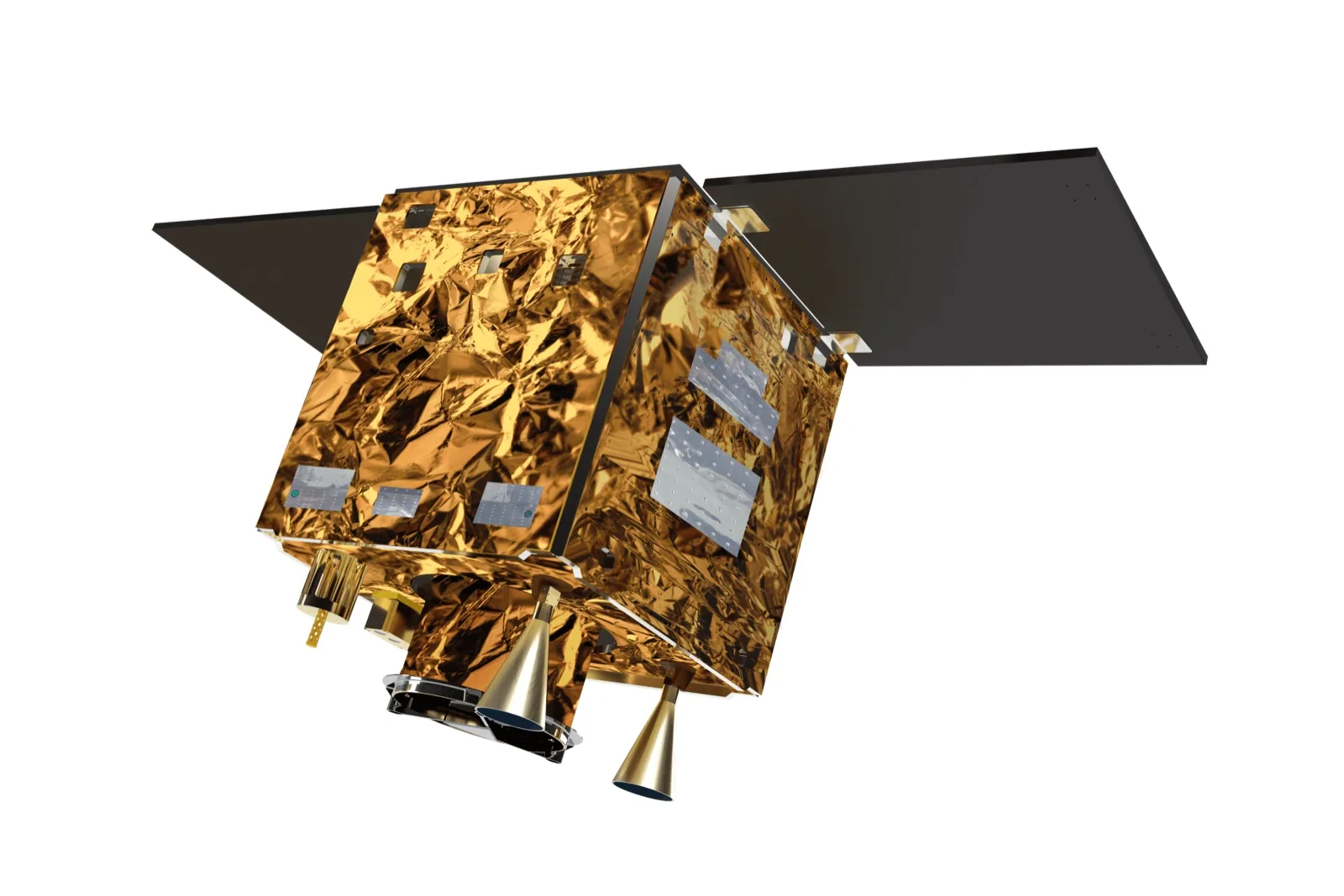
- Standard article2026-07
NVIDIA in Taiwan: The World's Most Valuable Company Does Not Make a Single Chip Itself
At Computex in May 2025, Jensen Huang walked onstage in a leather jacket as the backdrop lit up with the logos of 55 Taiwanese companies: an American company publicly named an entire island's industries as its own physical body. From the 1996 letter to Morris Chang, to a market value breaking US$5 trillion, to the Taipei City Government spending NT$4.434 billion to clear a parcel of land for it, NVIDIA has lodged its entire body in Taiwan. Taiwan therefore holds the switch the world cannot turn off. Yet its gross margin is only 5%, its water and electricity are drained, and war risk is placed on the island: being indispensable to NVIDIA does not mean Taiwan calls the shots.
71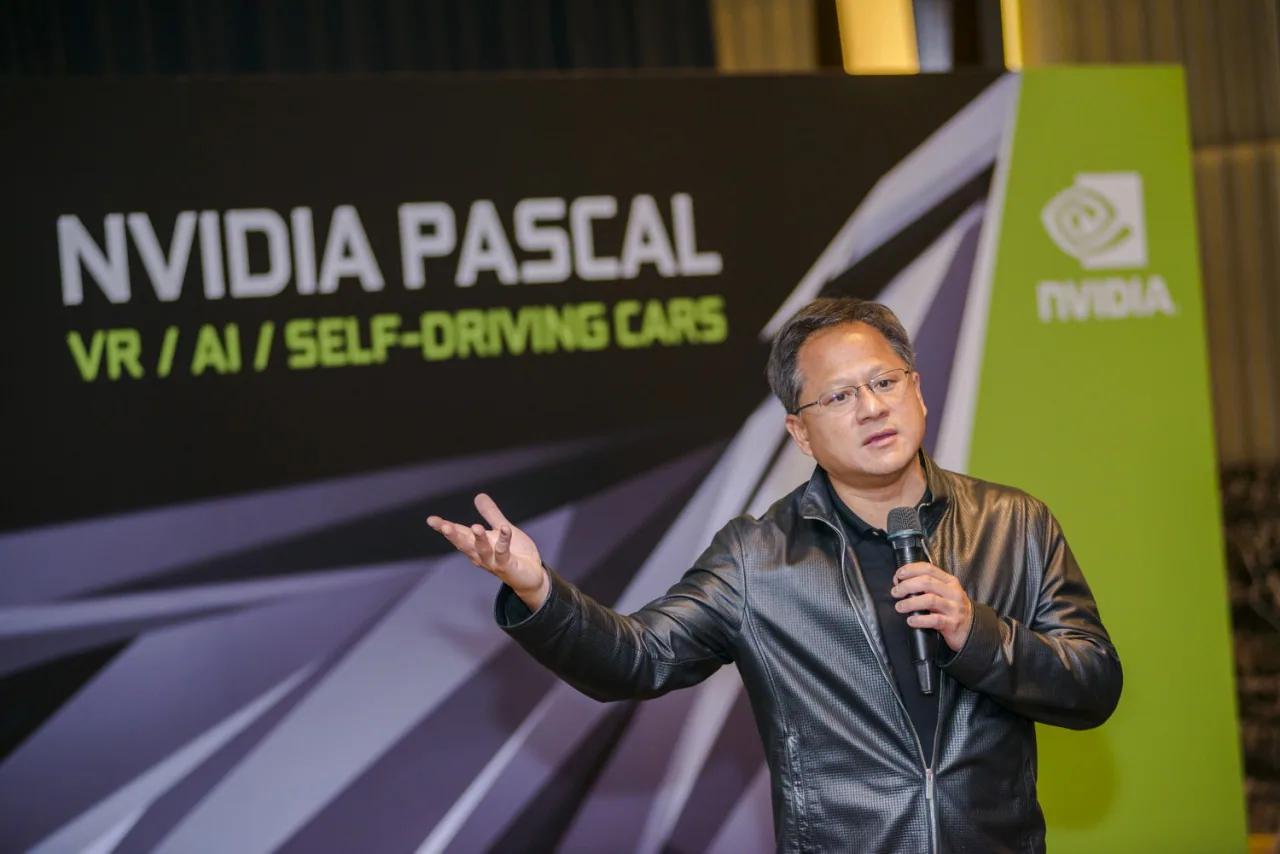
- Standard article2026-06
justfont and Taiwan’s Type Development: Bringing Type Designers Into the Sunlight With the Name of a Taiwanese Tea
On the morning of September 8, 2015, a typeface named after a Taiwanese tea, Jin Xuan, went live on flyingV, broke through its NT$1.5 million threshold in 76 minutes, and ultimately raised NT$25.93 million from 7,667 backers. Everyone in Taiwan reads its letters every day, yet the market was once too small to sustain even a single type-making company. From DynaComware’s MingLiU, to lead type on Taiyuan Road, to Lin Hsia’s beginnings painting Buddhist images, this is the story of how Taiwan brought type designers into the sunlight.
65 ~18 min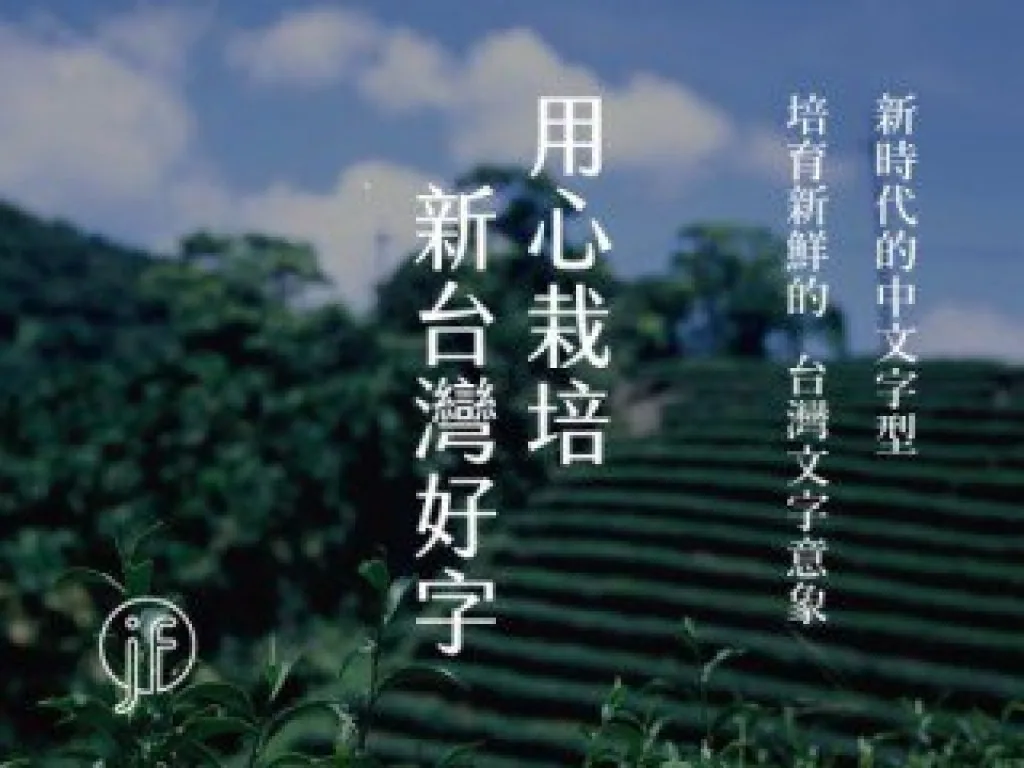
Semiconductors & Hardware 12
- Standard article
NVIDIA in Taiwan: The World's Most Valuable Company Does Not Make a Single Chip Itself
At Computex in May 2025, Jensen Huang walked onstage in a leather jacket as the backdrop lit up with the logos of 55 Taiwanese companies: an American company publicly named an entire island's industries as its own physical body. From the 1996 letter to Morris Chang, to a market value breaking US$5 trillion, to the Taipei City Government spending NT$4.434 billion to clear a parcel of land for it, NVIDIA has lodged its entire body in Taiwan. Taiwan therefore holds the switch the world cannot turn off. Yet its gross margin is only 5%, its water and electricity are drained, and war risk is placed on the island: being indispensable to NVIDIA does not mean Taiwan calls the shots.
- Standard article
COMPUTEX: Two of the Big Three International Computer Shows Have Closed; the Remaining One Grew in Taipei
In June 2026, Jensen Huang took the stage in Taipei, saying "It's great to be back home," with a backdrop featuring _lurou fan_ (braised pork rice) and braised pork knuckles. That same week, three CEOs delivered keynote speeches in succession; Taiwan’s HIWIN made its first crossover appearance, integrating reducers into humanoid robot joints. With Germany’s CeBIT and the US’s COMDEX both gone, this 45-year-old Taipei Computer Show has only grown larger because it is rooted on the island where nearly 90% of the world's AI servers are actually assembled.
- Standard article
Taiwan Science Parks: A Bet on a Rice Field That Became the World’s Lifeline, and Its Chokepoint
In 1979, in Jinshanmian, Hsinchu, Irving Ho, an engineer who had returned to Taiwan from IBM, built Asia’s first science park on a rice field. Forty-five years later, the Hsinchu, Southern Taiwan, and Central Taiwan science parks have surpassed NT$5.8 trillion in annual revenue, and the world’s most advanced chips are mass-produced in these three parks. Yet this island’s strongest talisman is also its most fragile chokepoint: one drought, one power outage, or one geopolitical card can make the global supply chain hold its breath.
- Standard article
Semiconductor Industry: A 50-Year Materials Revolution from RCA Technology Transfer to GaN and Quantum Packaging
Taiwan's "Protector of the Nation" dominates global advanced processes through foundry services, but the next 50-year battlefield of materials science—from GaN in fast chargers and CoWoS under AI chips to dilution refrigerators above qubits—has only just begun.
- Standard article
Development of Taiwan’s Electric Vehicle Industry Chain
From battery technology to charging infrastructure, an exploration of Taiwan’s complete electric vehicle industry ecosystem and its 2030 net-zero transition strategy
- Standard article
Taiwan’s Game Industry and Digital Entertainment
From early distributors to original developers, how Taiwan found its own voice in the global games market
- Standard article
Tungsten: Taiwan Has No Tungsten Mines, Yet Refines the Powder the World Demands—Its Position Is More Fragile Than You Think
On July 1, 2026, two Japanese factories holding about a quarter of global tungsten hexafluoride capacity permanently shut down, a chain reaction triggered by a single cross-Strait remark in the Japanese Diet eight months prior. Taiwan produces no tungsten but leverages refining skills honed during the scrap-metal era sixty years ago to connect to the supply chain that neither chips nor cutting tools can bypass. The skills are real, but the raw materials, markets, and applications are not determined by Taiwan alone.
- Standard article
Beverage Sealing Machine: From the Inspiration of a Bowl of Radish Soup to the Technical Backbone of Global Hand-Shaken Drinks
In 1984, Yeh Yi-fang completed the prototype of the world's first tabletop cup-sealing machine, and in 1985 he founded Yifung. Developed in a living-room laboratory after burning out two hundred electric irons, this machine integrated four parameters: cup material, sealing film, temperature, and pressure. It ended the leakage problem in takeaway beverages and became part of the underlying supply chain that carried Taiwan's hand-shaken drinks to thirty-five countries worldwide: an unnamed invention supporting a beverage industry worth hundreds of billions of dollars.
- Standard article
Overseas Expansion of the AI Supply Chain: Taiwan's Capabilities are Being Invited Out by the World
The overseas expansion of the AI hardware supply chain is not just about TSMC moving to the US, Japan, and Germany; it also includes Foxconn, Wistron, Delta, and providers of testing, packaging, and servers being pulled toward the US, Japan, Europe, India, Southeast Asia, and Mexico by customers, tariffs, subsidies, and geopolitics. This article explains that the expansion of Taiwanese enterprises abroad is an extension of their capabilities and a global move to reduce single-point dependencies, rather than a simple relocation of companies.
- Standard article
The AI Hardware Supply Chain: Where Taiwan Turns Cloud into Machinery
Generative AI may look like a cloud service, but it requires a physical path: someone designs the chips, someone manufactures the wafers, someone handles packaging, and others manage memory, power, cooling, motherboards, and cabinets. Taiwan's importance lies not just in TSMC, but in the fact that many critical checkpoints on this path are concentrated here; this shared interest is real, yet it comes with challenges regarding utilities, carbon emissions, wealth distribution, overseas expansion, and geopolitical risks, turning abstract slogans into verifiable evidence of a supply chain.
- Standard article
Semiconductor Water Use and Taiwan’s Water Resources: The Reservoir Beside the Fab
Chip manufacturing needs ultrapure water, but Taiwan’s water does not exist only inside factory pipes. It also exists among reservoirs, rainfall, drought, agricultural irrigation, reclaimed water, and local allocation. This article does not reduce semiconductor water use to a one-line conflict of "TSMC stealing water." It explains how advanced processes bind Taiwan’s island hydrology, public governance, reclaimed-water infrastructure, and global supply chains together, pulling high tech back to reservoirs, farms, and local trust.
- Standard article
Taiwan's Power and Semiconductors: The Electricity Bill of the "Protector of the Nation"
Taiwan's international leverage in semiconductors is built upon a very concrete power system. Advanced fabs, EUV lithography, advanced packaging, AI server testing, and data centers all require stable, low-interruption, and scalable power. This article does not frame semiconductor electricity use as a mere environmental grievance, but places it back into the context of supply chain games: while the world needs Taiwan to manufacture AI chips, Taiwan must also address who bears the costs of electricity, carbon emissions, and energy security risks.
Community & Digital Culture 9
- Standard article
Thirty Years of Taiwan’s Online Communities: Recovering URLs, Losing Photos, and the History of Displacement
From the Beauty Island BBS to Threads, Taiwanese people have collectively moved every few years, leaving the previous generation’s memories behind the power switch that was turned off. The thirty-year migration history appears to be a clean line of platform evolution, but at its core, it is a history of displacement over 'whose land this is'—the places with the highest stickiness have the lowest data sovereignty.
- Standard article
Taiwan's VR Decade: From Cher Wang's 'Year One' to Selling the Team to Google
In 2016, HTC launched the Vive at MWC Barcelona and Cher Wang declared it the 'Year of VR.' Nine years later, HTC sold its XR team to Google for $250 million. What happened in between is an island's collective bet on the next big thing — and its collective loss of faith.
- Standard article
Softstar's Twin Classics: That Afternoon You Cried in a DOS Window
In July 1995, a DOS game at 320×200 resolution made millions of players cry over a virtual character for the first time. The Legend of Sword and Fairy and Xuan-Yuan Sword — two blades forged in Neihu, Taipei — defined the entire Chinese-speaking world's imagination of what an RPG could be.
- Standard article
Facebook: From the 'Vegetable-Stealing' Craze to the Double-Edged Sword of Digital Democracy — The Blue Coordinate That Defined Two Decades of Social Life in Taiwan
In 2009, Happy Farm ignited a vegetable-stealing frenzy across Taiwan; in 2014, it became the mobilization nerve of the Sunflower Student Movement. Facebook in Taiwan has lived two identities — 'infrastructure' and 'cognitive battlefield' — and the 2025 censorship controversy gave it yet another title: the departure point of the FB refugees.
- Standard article
Taiwan Gamers' Wildest Moments: Chasing Delivery Trucks, Mobbing Beitou, Lifting the Cup in LA
At 3 a.m. in 2012, Taiwan gamers rode scooters to chase convenience store delivery trucks hunting for Diablo 3. In 2016, a single Snorlax drove thousands of people into Beitou Park and TIME magazine called it a preview of the apocalypse. In 2020, hands that hadn't stopped grabbing masks turned to grabbing Switch consoles — and then PS5s.
- Standard article
Red Candle Games: A Taiwan Story That No Charm Could Stop
In 2017, six Taiwanese people made a White Terror horror game that hit Steam's global bestseller list in its first week. In 2019, the follow-up Devotion was completely banned from China over a paper charm, vanishing from Steam to this day. In 2024, they released the Taoist-punk action game Nine Sols, sold 800,000 copies, and won Sony's indie game award. Red Candle's story: the banned come back through their work.
- Evolving · community
PTT Bulletin Board System: Taiwan's Most Stubborn Public Square
A BBS established in a dormitory in 1995, which after thirty years still operates via a plain-text interface, profoundly shaping Taiwan's online language, political discourse, and collective memory.
- Standard article
Rayark Games: A Music Empire Built on Aesthetics, and Its Fourteen Years of Cracks
In 2012, six young people from National Taiwan University's College of Electrical Engineering and Computer Science pooled NT$30 million to make Cytus; within a month, it topped the charts in 14 countries. Fourteen years later, they had a Deemo anime film, an Implosion anime undelivered after eleven years, Sdorica entering maintenance mode in February 2026, and the choice after the 2020 ICE Morse code incident to cut ties with an employee in order to preserve the Chinese market. Aesthetics made Rayark visible to the world, and also made it stumble in every non-musical arena.
- Standard article
Taiwan's AI Everyday — When Artificial Intelligence Enters the Streets and Alleyways
Taiwanese people interact with AI more than a dozen times a day, but most don't know they're talking to AI.
Artificial Intelligence 7
- Standard article
Taiwan AI Academy: The Unfinished Phone Call and Ten Thousand AI Engineers
On March 27, 2020, Chen Sheng-wei solemnly called the editor-in-chief of CommonWealth Magazine: he wanted to create a free programming course for the public. Two days later, he fell while inline skating; 13 days after that, he died at age 44. When he passed away, Taiwan AI Academy (AIA), which he had founded in 2018, had already trained more than 6,000 people. At the same time, the National Development Council’s “AI Small Country, Big Strategy” called for NT$16 billion over five years; Chen built his own school with NT$180 million in private fundraising from six companies, including Formosa Plastics, Chimei, and Inventec. Eight years later, alumni exceeded 10,000. AIA is the most un-Taiwan-like piece of Taiwan’s industrial upgrading puzzle.
- Standard article
Taiwan’s Artificial Intelligence Development and Future Strategy: The Hardware Ticket Is in Hand. Where Is the Next Battle?
On October 8, 2024, the Nobel Prize in Physics went to Hopfield and Hinton; the next day, the Chemistry prize went to the three AlphaFold researchers. On May 29 of the same year, Jensen Huang ate oyster omelets with Morris Chang at Taipei’s Ningxia Night Market. Taiwan manufactures 90% of the world’s AI servers and 72% of advanced wafers, yet it was absent from the answers to the 42-year history of neural networks and the 50-year protein-folding problem. From PTT founder Ethan Tu’s Taiwan AI Labs to TAIDE, the traditional Chinese LLM model backed by the National Science and Technology Council, is it still enough for this island to be only a contract manufacturer?
- Standard article
Development of Taiwan’s Cybersecurity Industry
From government policy to private-sector innovation, how Taiwan is building a complete information-security industry ecosystem amid global cyber threats
- Standard article
The Rise of an AI Island Nation: Taiwan's AI Development and Future Strategy
From the shock of AlphaGo to the wave of generative AI, how Taiwan is finding a distinctive position in artificial intelligence through a small-state grand strategy
- Standard article
Taiwan AI Labs
A non-profit AI research organization founded in March 2017 by Ethan Tu, known as the 'Father of PTT.' Open-source models: TAIDE (Traditional Chinese large language model), TAME, and FedGPT, with a corpus of over 60 billion Traditional Chinese tokens. Focus areas: smart healthcare and cognitive warfare defense. COVID-19 social distancing app (decentralized Bluetooth).
- Standard article
Taiwan Software Industry Development
From OEM Thinking to Software Innovation: How Taiwan Is Finding Its New Positioning in the Post-Semiconductor Era
- Evolving · community
AI Industry
From manufacturing NVIDIA chips to building an AI ecosystem: how Taiwan is finding its position in the AI era
Community & Digital Culture 3
- Evolving · community
Threads in Taiwan: From 'I Eat a Little' to an Egyptian Student ID, How a Feed Became a Digital Night Market
At the end of 2025, a National Taiwan University student ID found near the Sphinx in Egypt was turned into a cross-border search on Threads; in the same feed, food photos from Japanese and Korean travelers attracted the 'Hello, I eat a little' cat. Taiwan's 'crispy' nature squeezes spam, mutual aid, memes, and public discussion together, allowing strangers to briefly sit at the same table and relay stories further.
- Standard article
Into the Cellar, or You Cannot Sleep: Thirty Years of Taiwan's Gaming Community
In the late 1990s, a black-on-white website held walkthroughs and cheat codes for nine-tenths of all single-player games in Taiwan — players called it the Cellar. Then came Gamebase, then Bahamut. Three names, three eras, one road from dial-up modems to a community of 6 million members.
- Standard article
Taiwan's Open Source Spirit — The Engineers Powered by Love
Taiwan's most influential open source project isn't a piece of software. It's a group of engineers who showed up at a hackathon and told their government: 'You're doing it wrong. We'll do it ourselves.'
Digital & Internet 3
- Standard article
Taiwan's 5G Network Construction and Digital Transformation
Taiwan's journey from 4G leadership to 5G deployment, exploring the national strategy for digital transformation and the development of smart applications
- Standard article
Taiwan's E-Commerce and Digital Payments: Three Trade Wars on One Island
From Jan Hung-tze's bet on 24-hour delivery, to Shopee burning through NT$3 billion in subsidies, to Coupang's Rocket Delivery landing — twenty years of Taiwanese e-commerce is a history of 'domestic innovation disrupted by foreign capital, then disrupted again by the next wave of foreign capital.'
- Evolving · community
Yam: From the "Dutaihui Case" to Little Yam Babies—The Ideals and Disillusionment of a Local Search Engine
In 1994, Chen Cheng-ran and a group of social activists founded Yam, creating Taiwan's first World Wide Web presence and Chinese-language search engine, embedding "Little Yam Babies" into the memories of a generation. However, facing the dot-com bubble and competition from global giants, this vision born of social care ultimately succumbed to commercial reality, exiting the stage in 2006.
Open Source Community 3
- Standard article
Digital ID and Digital Government
A chip card that was never issued cost NT$280 million in compensation — Taiwan's digital government story is proof that trust is harder to build than technology
- Standard article
Open Culture Foundation: Doing the Most Boring Thing for Taiwan's Most Uncontrollable People
In 2020, the mask availability map went live in three days. All of Taiwan remembers the miracle. Nobody remembers who handled the project's receipts, contracts, and labor insurance filings. That back office was the Open Culture Foundation (OCF)—a decentralized movement built on the motto 'no one is omnipotent,' which, to keep hackers hacking, had to grow its own legal entity capable of issuing invoices and answering to a board of directors. A decade later, this back office that just wanted to help people file expenses became a name the international community thinks of when discussing digital rights in Taiwan.
- Standard article
Open Source Community and g0v
In February 2020, while the rest of the world was scrambling to buy masks, a group of Taiwanese programmers built a mask-inventory query system covering 13,000 convenience stores in just 72 hours — with no government mandate and no budget, only one belief: use code to change society. This is g0v (gov-zero), a remarkable experiment in 'forking the government.'
Community and Digital Culture 2
- Standard article
X-Legend: Seven Years of Losses and 400 Million NT Dollars, Then Selling Games to Fourteen Countries
Founded in 2002, X-Legend (Chuanqi Net) lost money for seven years — racking up over 400 million NT dollars in cumulative losses — and nearly replaced the entire development team from scratch. Then Grand Fantasia launched in 2009, received licenses in fourteen countries, won awards in Japan, and saw overseas revenue draw level with domestic earnings. A Taiwanese company that almost died built the rare case of exporting games into the Japanese market.
- Standard article
Legend of Mortal: Two People, 30% Approval, 700,000 Copies
In June 2024, two Taiwanese developers with no game-industry background launched a wuxia RPG. Within a week, the Steam approval rating fell below 30% as Chinese players bombed it with negative reviews. Twelve days later it climbed back to 70%; a month later, 94%. Six months in, sales passed 700,000 copies, and Korean and Taiwanese fans organized themselves to translate it into Japanese. The protagonist is "an outsider disciple with no main-character aura" — and so is the team that built him.
Tech Parks 2
- Standard article
Hsuehshan Tunnel: From "Mission Impossible" to Taiwan's Engineering Miracle of Blood and Tears
On December 15, 1997, a catastrophic water inrush nearly claimed 300 lives and turned a billion-dollar tunnel boring machine into scrap metal. Listed in the Encyclopædia Britannica as one of the most difficult engineering projects in the world, this tunnel is more than a transportation artery — it is a miracle of blood and tears carved through quartzite harder than steel, built by 25 fallen workers and countless unsung heroes.
- Standard article
Tamsui River Bridge: A Colossal Landmark on the River-Mouth Horizon, Built for 'Transparency'
The Tamsui River Bridge is scheduled to open on May 12, 2026. Designed by the team of the late Dame Zaha Hadid, this single-pylon asymmetric cable-stayed bridge took thirty years of planning. Caught between the competing demands of preserving the famous Tamsui sunset and relieving traffic congestion, it redefines Taiwan's river-mouth landscape with fluid, sweeping lines.
Others 18
- Standard article
Taiwan Space Agency: Spending Thirty-Two Years to Assemble a Space Agency for a Country Still Assembling Its Own Name
In 1991 it was called a preparatory office: no name, no rocket, no land of its own. Thirty-two years later, it put Taiwan back into its name. Today, its control center in Hsinchu tracks the heartbeat of nine satellites around the clock; on the day of the April 3 Hualien earthquake, it reset its mission six minutes after the quake and acquired imagery within three hours. It is now filling in the final missing parts: an orbital rocket of its own, and an approved lunar mission that could launch as early as 2028.
- Standard article
justfont and Taiwan’s Type Development: Bringing Type Designers Into the Sunlight With the Name of a Taiwanese Tea
On the morning of September 8, 2015, a typeface named after a Taiwanese tea, Jin Xuan, went live on flyingV, broke through its NT$1.5 million threshold in 76 minutes, and ultimately raised NT$25.93 million from 7,667 backers. Everyone in Taiwan reads its letters every day, yet the market was once too small to sustain even a single type-making company. From DynaComware’s MingLiU, to lead type on Taiyuan Road, to Lin Hsia’s beginnings painting Buddhist images, this is the story of how Taiwan brought type designers into the sunlight.
- Standard article
Taiwan BIM Case Study: One Protocol vs 12 Years of Policy
In 2014 Taiwan chose case-by-case BIM adoption. Twelve years on, a Taiwanese developer shipped REVIT_MCP_study. Policy no longer sets the pace alone.
- Standard article
Submarine Cables: Visible Above the Silicon Shield, the Lifeline Invisible Below
In February 2023, two submarine cables connecting Matsu were severed within six days, plunging Lienchiang County into roughly 50 days of digital darkness. DPP Lienchiang chair Lee Wen described it: "A single LINE text message took 15 to 20 minutes to send." Taiwan's 99% of outbound internet traffic depends on 14 cables buried deep beneath the seabed, all of them international cables landing at four sites on the main island. TSMC's clean rooms are the hero shots above the silicon shield; the submarine cables are the engineer's narrative no one photographs below — they can detach 23 million people from the world without firing a single shot.
- Standard article
Taiwan Television Industry History: From the "Big Three" to the Gentle Revolution of Qseries
From TTV's 1962 launch to Qseries in 2016, Taiwan's television industry traveled 54 years from party-government-military monopoly to the rise of public media. How did a platform that runs no ads tell a story everyone loved?
- Standard article
Taiwan's Robotics Industry
The island that leads the world in semiconductors — why is it 'making up for lost time' in the robotics era? From the 2026 unveiling of NCAIR, looking back at the miracle and blind spots of Taiwan's precision machinery.
- Standard article
The Civilization Clash on the Keyboard: A Century of East Asian Input Method Evolution
When keyboards around the world all look the same, how do different civilizations cram their writing systems into 26 English letters? From Taiwan's Bopomofo to Korea's Dubeolsik, input methods are a silent cultural defense war.
- Standard article
Taiwan's Space Industry: A Satellite Powerhouse Without a Rocket
Taiwan assembles hundreds of billions in electronics for the world, yet only launched its first sub-meter resolution satellite in 2025 — a story of technological sovereignty, geopolitical reality, and a commercial space dream still in progress.
- Standard article
Taiwan’s Drone Industry: Thunder Tiger and the Pentagon Blue UAS List
How a 46-year-old Taichung model plane maker became Taiwan’s sole supplier on the Pentagon Blue UAS list, anchoring Taiwan in the non-red defense supply chain.
- Standard article
Miin: How the Slogan "Information Should Be Free" Built PTT and Brought Him to Court
In 1995, he set up PTT in a dorm room with the slogan "Information Should Be Free"; in 2017, he returned to Taiwan to build an AI system that identifies coordinated accounts engaged in cognitive warfare; and he was sued for aggregating news to combat disinformation—this same belief is both his weapon and the cause of his lawsuit, and Taiwan happens to be standing at the forefront of a problem the world has yet to solve.
- Standard article
Wikipedia in Taiwan: Digital Sovereignty, Cultural Practice, and the Knowledge Mosaic of a Diverse Society
From hosting Wikimania 2007 in Taipei to the Wikimedia Foundation's global action in 2021, Taiwan's Wikipedia community does more than battle systemic infiltration in the cloud — through Wiki Loves Monuments, GLAM partnerships, and education projects, it pushes the island's cultural heritage, academic perspectives, and Indigenous languages onto the global stage. This is a long march to defend an authentic self-image and deepen cultural resilience.
- Standard article
National Cultural Memory Bank: Memory Curation and Cultural Co-creation in the Digital Age
The National Cultural Memory Bank is not merely a digital archiving platform — it is a social undertaking racing against time, using open licensing and co-creation to revitalize the everyday memories of Taiwan's common people for the digital age.
- Standard article
IG: From Photographers' Filters to Taiwan's 'Fragile' Anxiety
A filter from a beach in Mexico in 2010 has become the daily ritual for 11.3 million people in Taiwan fifteen years later. IG has evolved from a visual safe haven into an algorithmic battlefield in Taiwan, and the rise of 'fragile' Threads has forced the tension between refined aesthetics and real controversy to the surface for the first time.
- Standard article
AI Enters the Classroom: 300 Agents to Catch Teachers Left Alone After Training
In 2026, Hsiao Bi-khim placed 300 AI agents designed by approximately 80 teachers into a shared marketplace. Two different surveys in Taiwan show that while 90% of teachers have been exposed to AI, 95.6% still have learning needs. From the three-hour workshop at Dajia Elementary School, the 'ouke' (picky customer) test at Neihu High School, to the Ministry of Education's Talent Ark Project, this article asks: The tools have entered the classroom; who will catch the teachers when they return? This is a more difficult educational project after the popularization of tools.
- Standard article
Taiwan Game Jam Community
From Global Game Jam landing in Taiwan to KUSO GAME JAM adopting '废作' (junk-work) as philosophy — how Taiwan's Game Jam community became an incubator and testing ground for the independent game ecosystem over a decade
- Standard article
Mini Taiwan Pulse: Drawing Taiwan as a Breathing Map Through a Curator's Eye
In 2026, data analyst Migu layered Taiwan's scattered open data on aircraft, ships, trains, buses, and garbage trucks into a breathing map. AI handles the drudgery of retrieving data, but deciding which layers belong together, what colors to use, and which layer should light up depends on a curator's eye trained in urban planning.
- Standard article
Development of Taiwan's Audio Industry
From OEM manufacturing to proprietary brands, the technical strength and global market position of Taiwan's audio industry
- Standard article
When the Earthquake Hits, Who's on Duty? The Institutional Code Behind Taiwan's Disaster Medicine System
From the 921 Earthquake to the Hualien tremor, how Taiwan built a disaster medicine network centered on emergency medicine departments. The system's ingenuity lies not in equipment but in the clever design of 'who is on duty.'
Curatorial Reading
While the world labels Taiwan as "Contract Manufacturing Island," few realize that this small island actually controls the lifeline of global digital civilization. Not because we manufacture the most products, but because we manufacture the most irreplaceable products. When Morris Chang founded TSMC in 1987, not a single person in the world believed that a "pure-play foundry" business model could succeed. Thirty-nine years later, this company has made an island of only 36,000 square kilometers into an unmistakable third pole in the tech war between two superpowers.
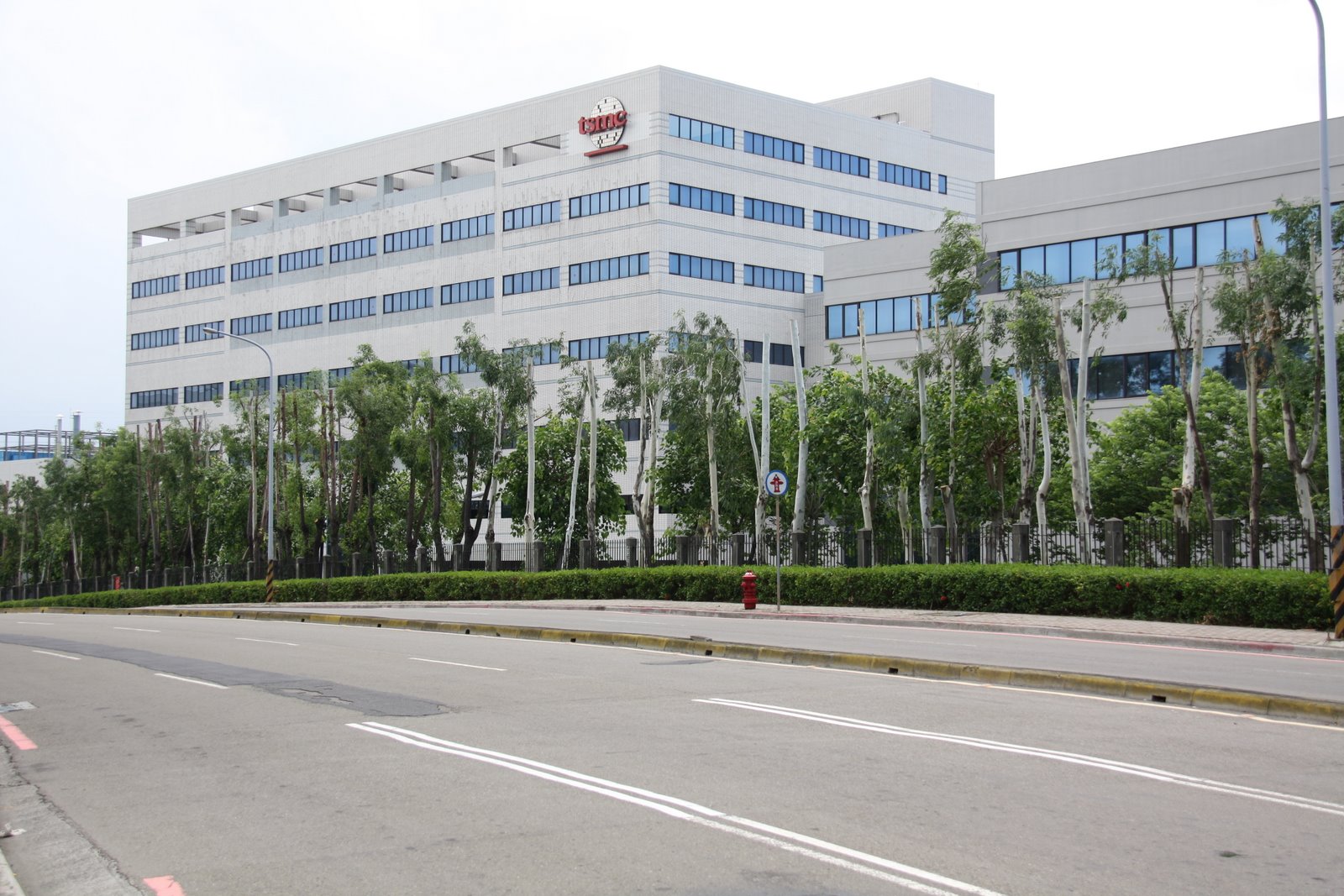
Image source: Arusanov / Public Domain

This "irreplaceability" manifests not only in semiconductor manufacturing but also in Taiwan's unique understanding of technology's essence. While Silicon Valley talks about "changing the world," Taiwanese engineers focus on "making the world work properly" — without TSMC's chips, your iPhone cannot function; without Taiwan's motherboards, half the world's computers would shut down; without Foxconn's precision manufacturing, tech giants' products would remain mere design drawings.
But Taiwan technology's most stunning achievement might not be these "hard power" capabilities, but our progressive thinking about the relationship between technology and society. While the rest of the world was still debating whether technology threatens democracy, Taiwan had already proven through g0v how technology can make democracy better. While other governments were still learning "digital transformation," Taiwan already had the world's first transgender digital minister, using code to redefine the possibilities of governance.
Taiwan's technology landscape in 2026 carries both the strategic weight of the "silicon shield" and experiments with "digital democracy's" future imagination. From the cleanrooms of Hsinchu Science Park to open-source collaboration on social platforms, from AI chip nanometer-scale precision manufacturing to grassroots innovation in civic tech, Taiwan is writing a story of how a small nation not only survives in a world of giants but defines the rules of the game. This is not luck. This is a unique "Taiwan Method" — finding leverage points in constraints, creating infinite possibilities within limitations.
Semiconductors & Advanced Manufacturing
Taiwan's semiconductor industry success is not just the success of an industry, but the victory of an entire nation's strategic thinking. tsmc's birth rewrote the rules of the global tech industry, pioneering the unprecedented "pure-play foundry" business model. While Intel and Samsung remained stuck in vertical integration, TSMC had already used division of labor thinking to enable countless design companies lacking manufacturing capabilities to realize their chip dreams. This "ecosystem enablement" thinking evolved Taiwan from manufacturing powerhouse to innovation platform.
semiconductor-industry's success drove the rise of the entire supply chain. MediaTek's emergence in mobile chips, ASE's dominance in testing and assembly, Delta Electronics' leadership in power management — these companies collectively built an industrial cluster that is almost impossible to replicate. When the US CHIPS Act attempts to rebuild domestic semiconductor supply chains, the greatest challenge is not funding or technology, but Taiwan's "entire nation as one factory" synergy effect. science-park-development from Hsinchu to Taichung, from Tainan to Kaohsiung, formed an island-wide technology corridor, enabling all processes from chip design to mass production to be completed within the shortest distance.
Related Articles: semiconductor-industry | science-park-development | taiwan-electric-vehicle-industry-chain | taiwan-audio-industry-development
Software, Internet & Digital Services
Under the glow of hardware success, Taiwan's software capabilities are often underestimated. But from PTT批踢踢 to g0v, from early BBS culture to today's open-source movement, Taiwan actually possesses deep foundations in digital community building. PTT批踢踢 as the largest BBS in the Chinese-speaking world has witnessed three decades of Taiwan's internet culture evolution. From the innocent age of academic networks to the impact of commercialization waves, PTT has maintained the unique spirit of "netizen self-governance," becoming the most important carrier of Taiwan's internet indigenous culture.
taiwan-software-industry-development, while facing international competition challenges in consumer software, has unique advantages in vertical domains and B2B services. From industrial control software to fintech, from game development to digital content, Taiwan's software industry is transitioning from "contract manufacturing thinking" to "solution thinking." The rise of taiwan-startup-ecosystem-overview shows us how the new generation of entrepreneurs combines Taiwan's hardware advantages with software innovation to create unique business models. The maturity of e-commerce-and-digital-payment-ecosystem is an important indicator of Taiwan's successful digital transformation.
Related Articles: PTT批踢踢 | taiwan-software-industry-development | taiwan-startup-ecosystem-overview | e-commerce-and-digital-payment-ecosystem | taiwan-gaming-industry | taiwan-digital-imaging-animation-industry | east-asian-input-methods
AI & Emerging Technologies
Taiwan's AI development strategy demonstrates the possibility of "late-starter advantage." Though starting later in fundamental research, Taiwan leveraged existing hardware advantages and manufacturing experience to rapidly catch up in AI applications and AI chip design. ai-development is not just a technical issue, but a question of how to make AI serve Taiwan society. From smart manufacturing to precision medicine, from smart cities to smart agriculture, Taiwan is using "AI+" thinking to transform traditional industries.
AI Artificial Intelligence Industry's development focus is not pursuing the latest algorithmic breakthroughs, but implementing AI technology applications. The establishment of institutions like taiwan-ai-labs, the formulation of Taiwan AI Development and Future Strategy, all demonstrate Taiwan's systematic thinking about AI development. More importantly, Taiwan's exploration in AI governance — how to balance innovation promotion with privacy protection, how to make AI serve democratic governance rather than threaten democratic values — the answers to these questions will determine Taiwan's position in the next round of tech competition.
taiwan-space-industry-development and Taiwan 5G Network Construction and Digital Transformation represent Taiwan's ambitions in emerging technology fields. Though resources are limited, Taiwan chooses to focus precisely on key nodes, using a small-but-beautiful strategy to find survival space in great power competition.
Related Articles: ai-development | AI Artificial Intelligence Industry | taiwan-ai-labs | Taiwan AI Development and Future Strategy | taiwan-space-industry-development | Taiwan 5G Network Construction and Digital Transformation | taiwan-cybersecurity-industry-development
Digital Governance & Civic Technology
What makes Taiwan most impressive internationally might not be how many chips we manufacture, but how we use technology to redefine the relationship between government and people. The promotion of digital-id-and-digital-government, though controversial, also demonstrates Taiwan's forward-thinking approach to digital governance. When the EU was still debating GDPR implementation details, Taiwan was already experimenting with how to simultaneously achieve personal data protection and government efficiency improvement.
g0v's existence is Taiwan civic tech movement's unique contribution. This social movement initiated by hackers, with the philosophy of "write code to transform society," has created countless projects improving public services. From Central Government Budget Visualization to Moedict, from real-time disaster reporting to election promise tracking, g0v proved that technology is not just a business tool, but a new form of civic participation. This "open-source governance" experiment made Taiwan a global pioneer in digital democracy.
Audrey Tang's appointment and practice as Digital Minister symbolizes Taiwan's pioneering exploration of tech governance. vTaiwan platform's collaborative policymaking, JOIN platform's citizen proposal mechanism, PDIS's cross-departmental coordination — these innovations are not just technological tool innovations, but democratic practice innovations. While other countries worry about technology threatening democracy, Taiwan is already experimenting with how technology can make democracy more sophisticated, more participatory, more effective.
Related Articles: open-source-and-g0v | digital-id-and-digital-government | threads-in-taiwan
Further Reading
Key Figures
- tsmc-morris-chang: TSMC founder, semiconductor godfather
- audrey-tang: Digital Minister, digital democracy pioneer
- 施振榮: Acer founder, proposer of Smile Curve theory
Important Companies
- tsmc: Global foundry leader
- mediatek: Leading IC design company
- foxconn-precision-industry: World's largest contract manufacturer
- asus-computer: Brand computer and motherboard manufacturer
- acer-pc-industry-pioneer: International brand pioneer
Industry Ecosystem
- Hsinchu Science Park: Silicon Valley of the East innovation legend
- Taiwan Venture Capital and Startup Investment: Capital markets and innovation ecosystem
- Taiwan Technical Talent Development: Competitive advantage in tech human resources
Taiwan proved in thirty years: small nations are not miniature versions of large nations, but species with their own unique survival rules.