
Economy
· The origins of the economic miracle and transformation challenges 66 articles Updated 2026-09-10In the 1960s, when World Bank experts came to Taiwan for economic surveys, they saw a typical backward agricultural society: per capita income of only $146, over 80% of the population engaged in agriculture, a weak industrial base, and scarce technical talent. Who could have imagined that this small island, then viewed as an aid recipient, would create an economic miracle that shook the world over the next seventy years?
Featured
- Standard article2026-05
Taiwan Enterprises: TSMC
Morris Chang, who left Texas Instruments at 54 and founded TSMC at 56, survived three major displacements and lived in six cities during his first eighteen years. Thirty-eight years later, on March 3, 2025, U.S. President Trump pointed to TSMC's successor, C.C. Wei, at the White House and said: "He is the most important man in this room." In the first quarter of 2026, TSMC's quarterly revenue reached $35.9 billion. On an island prone to typhoons and facing water and power shortages, it has built the heart of humanity's digital civilization—but as this heart grows larger, whether the island can bear its cost becomes increasingly uncertain.
33 ~14 min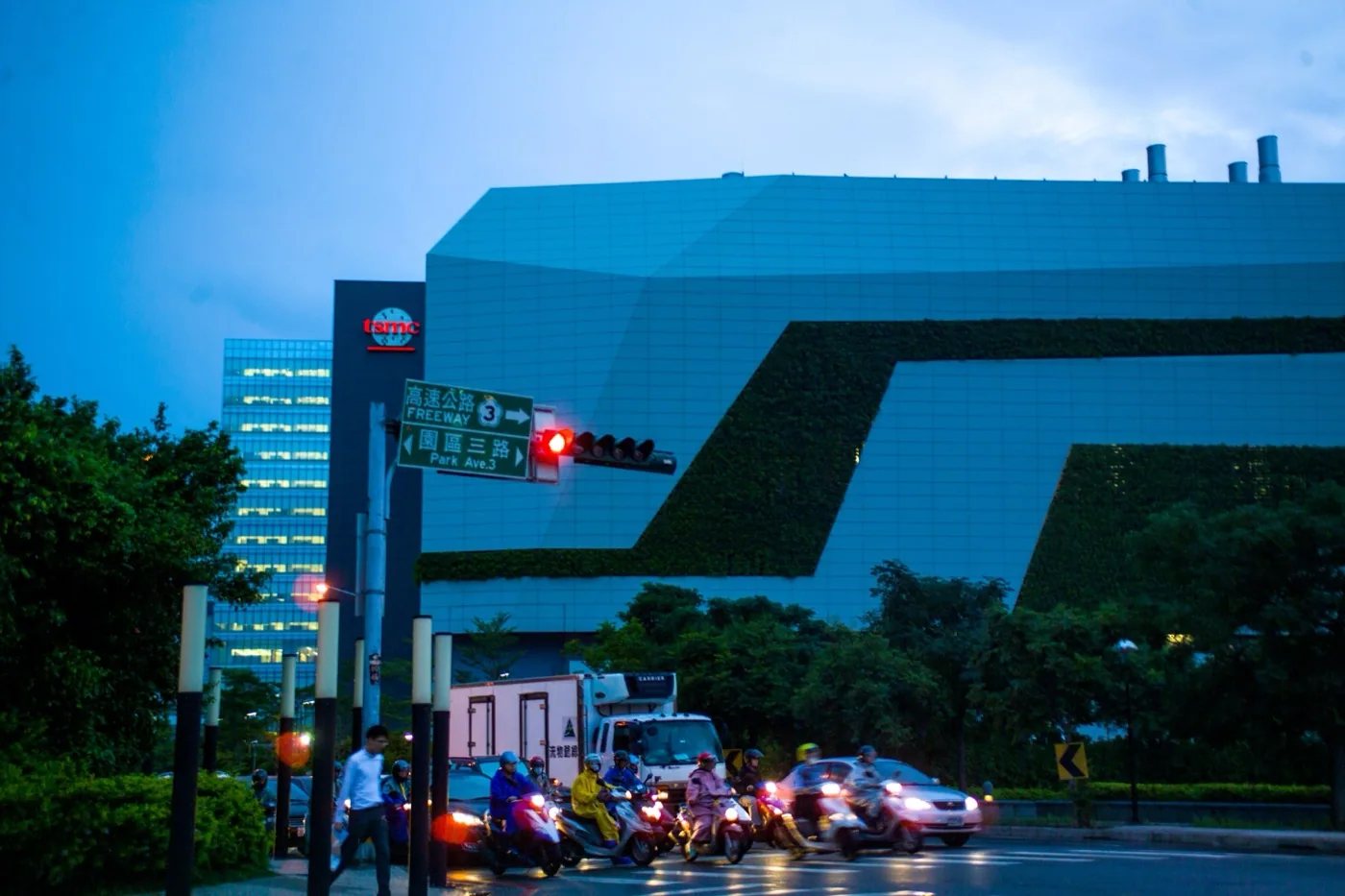
- Standard article2026-07
Taiwan's Industrial Transformation and Upgrading: From Manufacturing Powerhouse to Innovation Powerhouse
Taiwan's industrial structure has shifted from labor-intensive to knowledge-intensive, with policies such as the 5+2 Industrial Innovation Plan and the Six Core Strategic Industries advancing the upgrading of traditional manufacturing and the development of emerging industries.
10 ~15 min - Standard article2026-07
Taiwan's Agricultural Modernization
Examines Taiwan’s transition from traditional agriculture to modern, high-value agriculture, including innovative development models such as organic agriculture, rural regeneration, and leisure agriculture
9 ~17 min
Company Profiles 31
- Standard article
Taiwan Enterprises: TSMC
Morris Chang, who left Texas Instruments at 54 and founded TSMC at 56, survived three major displacements and lived in six cities during his first eighteen years. Thirty-eight years later, on March 3, 2025, U.S. President Trump pointed to TSMC's successor, C.C. Wei, at the White House and said: "He is the most important man in this room." In the first quarter of 2026, TSMC's quarterly revenue reached $35.9 billion. On an island prone to typhoons and facing water and power shortages, it has built the heart of humanity's digital civilization—but as this heart grows larger, whether the island can bear its cost becomes increasingly uncertain.
- Standard article
Taiwan Enterprise: Acer — The Man Who Drew the Smiling Curve, Yet Struggled to Stand at Its Ends
In 1992, Shih Ming-de drew an upward-opening curve inside Acer, telling Taiwan’s manufacturing sector: don’t get stuck in the low-value-added assembly middle; move toward R&D and branding at both ends. This phrase influenced Taiwan for thirty years. But the man who drew the line himself fell three times on the path to the branding end—forced into a split in 2000, facing inventory collapse after reaching second place globally in 2011, and losing NT$20.5 billion in 2013, forcing the 68-year-old founder to return. Meanwhile, Wistron, the contract manufacturer he spun off and least expected to succeed, climbed to the top of the smile in the AI era.
- Standard article
Taiwan Enterprise: Foxconn Precision Industry — The Same Balance Sheet Behind 8 Trillion Revenue and an Internal Anti-Corruption War
On the morning of April 30, 2026, Time magazine listed Foxconn among the 100 most influential companies in the world; that same evening, prosecutors and investigators walked into Foxconn's Tucheng facility with search warrants. From a 1974 mother's rotating credit association loan of NT$100,000 to 2025 revenue of NT$8 trillion — with cloud and network products overtaking consumer electronics — the hardest thing for Foxconn to manage is not geopolitics, not AI server rack shipment rhythms, but its own people.
- Evolving · community
Shopee: The Expansion Trajectory of the Orange Empire and the Dynamics of Digital Society
Entering Taiwan in 2015, Shopee used free shipping subsidies to conquer PChome's territory and expanded its "Shopee Xpress" to over 2,500 stores to control the last mile of logistics. Now, South Korea's Coupang is catching up. While the orange brand is now on every street corner, concerns regarding Chinese capital, persistent fraud vulnerabilities, and massive packaging waste remain part of Taiwan's digital landscape.
- Evolving · community
Wang Wang: The Power Shift from the King of Rice Snacks to a Media Behemoth
In 1976, 19-year-old Tsai Ing-min took over Yilan Food, transforming from a "prodigal son" mocked for squandering assets into the nation's wealthiest individual by leveraging Japanese rice snack technology. After acquiring the China Times Group in 2008, this snack kingdom pivoted into Taiwan’s most controversial media powerhouse, sparking an unprecedented anti-media-monopoly movement.
- Standard article
CMC Veryca: The Fortune Van That Keeps Taiwan's Economy Moving
From the independently developed Varica in 1988 to the Veryca, which dominated the light commercial vehicle market for two decades, how did China Motor localize Japan's Minicab and turn it into the economic mainstay most familiar on Taiwan's streets and alleys?
- Standard article
Taiwan Cement: The Green Transformation Legend of Taiwan's First Listed Company
In 1962, the Taiwan Stock Exchange was established for it, and stock code 1101 symbolizes the origin of the Taiwan stock market. Led by three generations of the Koo family over 76 years, Taiwan Cement witnessed Taiwan's construction miracles through its cement kilns, and has now transformed into a green enterprise to meet the carbon neutrality era.
- Standard article
Taiwan Enterprise: ESun Financial Holding — Huang Yung-Jen's Professional Manager Bank
ESun Financial Holding traces its origins to ESun Commercial Bank, founded by Huang Yung-Jen in 1992. It stands as a landmark of Taiwan's first wave of new bank liberalization after the lifting of martial law — a bank led by professional financiers rather than a conglomerate or family. In 2008, Huang Nan-Chou became the youngest president in Taiwan's financial holding history at age 43, and in 2023 he succeeded founder Huang Yung-Jen as chairman of the holding company. From its professional-manager governance model to its digital-finance innovations, ESun has charted a unique course over more than three decades. By 2024, its assets reached NT$2.8 trillion, ranking it Taiwan's third-largest private financial holding company.
- Standard article
Mega Financial Holding: Four-Bank Merger, Global Financial Partner for Taiwanese Enterprises, and the 2016 New York Fine Storm
Mega Financial Holding was formed in December 2002 through the merger of five public-sector financial institutions: Bank of Communications, International Commercial Bank of China, Chung Hsin Bills Finance, Polaris Securities, and Chung Kuo Insurance. In August 2006, its banking subsidiaries Bank of Communications and ICBC merged again to form Mega International Commercial Bank. Leveraging Bank of Communications' century-old heritage and ICBC's foreign exchange expertise, Mega built the most extensive overseas branch network in Taiwan, serving as a core partner for Taiwanese enterprises expanding globally. In 2016, its New York branch was fined USD 180 million by U.S. authorities for anti-money laundering deficiencies—the largest overseas regulatory penalty in Taiwan's financial history.
- Standard article
Advantech
A global leader in industrial computers and a Taiwan-born pioneer in IoT intelligent systems
- Standard article
ASUS (ASUSTeK): How a Taiwanese Motherboard Pioneer Built a Global PC Giant
Founded in Taipei in 1989 by four engineers, ASUS evolved from a local motherboard maker into Taiwan’s premier global PC and gaming brand with NT$600B revenue.
- Standard article
Chimei Corporation: Hsu Wen-lung's Acrylic Kingdom and Museum Dream
Starting from a small factory in Rende, Tainan in 1960, Hsu Wen-lung spent a lifetime building Asia's largest ABS materials empire and established the Chimei Museum to give back to society. Proof that Taiwanese enterprises can balance commercial success with humanistic care.
- Standard article
China Steel: The Iron-Head Minister and the Steel Legend of the Ten Major Construction Projects
From Zhao Yaodong's shrewd technology negotiations in Europe and America to the first wisp of white smoke rising over Xiaogang in Kaohsiung, China Steel spent 50 years forging Taiwan's heavy-industry backbone — the brightest jewel among the Ten Major Construction Projects
- Standard article
Compal Electronics
The world’s second-largest notebook ODM leader and a key driver of Taiwan’s ODM industry
- Standard article
HTC: From Android Trailblazer to VR Transformation
Founded by Cher Wang in 1997, HTC manufactured the world's first Android phone, and in 2011 its share price surged past NT$1,000 as it overtook Nokia. After setbacks in the smartphone market, it shifted into VR in 2015 and used VIVE to redefine the virtual reality industry
- Standard article
Pegatron Corporation - The Invisible Champion of Electronics Manufacturing Services
Spun off from ASUS, this contract-manufacturing giant is the invisible maker behind iPhones, game consoles, and laptops, and one of Taiwan’s “Big Five” electronics manufacturers
- Standard article
Taiwan Companies: Chunghwa Telecom
Taiwan’s largest telecommunications operator, from state-owned monopoly to leader in digital transformation
- Standard article
Taiwan Enterprise: Chang Chun Petrochemical
From a small Tainan factory in 1949 to a global chemical giant — the hidden champion story of 'never going public, never borrowing money'
- Standard article
Taiwanese Companies: Realtek Semiconductor
The legendary story of seven engineers who started a company with NT$2 million and sent the little crab into every computer in the world
- Standard article
Taiwanese Enterprise: Cathay Financial Holdings
Taiwan's largest financial holding group, a financial empire built by the Lin Yuan Group
- Standard article
Taiwanese Enterprise: Formosa Plastics Group
The petrochemical empire built by Taiwan's God of Management Wang Yung-ching, and the manufacturing legend of the Formosa Plastics Four Treasures
- Standard article
United Microelectronics Corporation (UMC) - Pioneer of Taiwan's Wafer Foundry Industry
Taiwan's first wafer foundry, which for half a century has witnessed and advanced the remarkable journey of Taiwan's semiconductor industry from nothing to global prominence
- Standard article
Wistron – Pioneer of Global Contract Manufacturing Transformation
A manufacturing giant spun off from Acer, with annual revenue exceeding one trillion NTD; according to the 2025 latest report, it has risen to become the world's second-largest EMS, a key manufacturing partner behind iPhones and Dell computers
- Evolving · community
Books.com.tw: From an Online Bookstore to the E-commerce Pioneer Defining "Quality Living" for Taiwan
Founded in late 1995 and launched in 1996, Books.com.tw was Taiwan’s first online bookstore. By pioneering the "7-ELEVEN pickup and pay-on-delivery" model, it dismantled the trust and logistics barriers facing Taiwan’s entire e-commerce market. Later joining the Uni-President chain, it grew into the island’s largest channel for online books and quality lifestyle goods. This article explores how it delivered boxes of books to your neighborhood alleyway, ultimately becoming the most indigenous "eldest son" in the Uni-President Group’s digital landscape.
- Evolving · community
Evergreen Marine
A 15-year-old secondhand freighter, a carpenter's son, and the shipping empire that once blocked global trade for six days
- Standard article
Giant Manufacturing: From Abandoned Subcontractor to Global Bicycle Empire
How a betrayed Taiwanese manufacturer transformed from assembly slave into the hidden empire that sets global cycling standards
- Standard article
Taiwan Enterprise: Fubon Financial Holding
From 10 to 60,000 People: How the Tsai Brothers Built Taiwan's Largest Financial Empire Over 60 Years
- Standard article
Taiwan Enterprise: Uni-President Enterprises
How a 13-year-old child laborer built a NT$657.6 billion revenue empire from scratch at age 38
- Evolving · community
Taiwan Enterprises: MediaTek
Once mocked as the king of "shanzhai" (knockoff) phones, the company's mobile chip market share is now 1.5 times that of Qualcomm.
- Evolving · community
Taiwanese Enterprises: ASE Group
The world's largest OSAT provider: Why did a construction company owner pivot to semiconductors?
- Evolving · community
Taiwanese Enterprises: Quanta Computer
From factory fire to global laptop king: How Lim Pai-li built a new empire for the AI era?
Economic Development 6
- Standard article
Taiwan's Industrial Transformation and Upgrading: From Manufacturing Powerhouse to Innovation Powerhouse
Taiwan's industrial structure has shifted from labor-intensive to knowledge-intensive, with policies such as the 5+2 Industrial Innovation Plan and the Six Core Strategic Industries advancing the upgrading of traditional manufacturing and the development of emerging industries.
- Standard article
Screws: Taiwan's Hidden Champions' Fight for Survival Under 50% Tariffs and Carbon Border Pressures
Once a critical link in the U.S. military's Vietnam War supply line, Gangshan in Kaohsiung laid the foundation for Taiwan's "Kingdom of Screws." Today it stands at a historic crossroads. Under the double blow of the United States' Section 232 tariff of 50% and the European Union's CBAM carbon border tax, these hidden champions, once dominant in the global market, are trying to write a new chapter of resilient transformation under the halo of the semiconductor industry.
- Standard article
Taiwan’s Foreign Trade and Global Supply Chains
From Export Orientation to a Key Supply Chain Node: How Taiwan Maintains Its Trade Advantage amid U.S.-China Rivalry
- Standard article
Night Market Economics: A Commercial Miracle Without Brands
Exploring how Taiwan's night markets create an annual output value of nearly NT$400 billion without brands, decor, or fixed locations
- Evolving · community
Taiwan's SMEs and Hidden Champions: The Economic Miracle Sustained by 1.71 Million Ordinary Enterprises
The true backbone of Taiwan's economy is not just the "protective shield" semiconductor giants, but 1.71 million seemingly ordinary SMEs that create 79% of all jobs, including many hidden champions dominating global niche markets.
- Standard article
The Economic Miracle
In 1952, Taiwan's per capita GDP was only US$196 — poorer than Haiti. Forty years later, Taiwan had become the leader of the 'Four Asian Tigers,' with per capita GDP exceeding US$10,000. But what was the cost of this 'miracle'? When we praise the era when 'money flooded Taiwan's shores,' few people talk about the women workers in the export processing zones who labored 12 hours a day, or the small-factory owners who bet their life savings on a single business.
Startup Economy 3
- Standard article
Startup Ecosystem
The development of Taiwan’s startup ecosystem, from early challenges to today’s accelerators, venture capital environment, and pursuit of unicorns
- Standard article
AAMA Taipei Cradle Program: A Group That Could Have Retired, Handing Over Craftsmanship in the Slowest Way
In 2012, a group of people who could have retired sat down in a small room in Taipei and promised to accompany an entrepreneur for two years: no equity, no interference in daily operations, only handing over craftsmanship. Thirteen years and fifteen cohorts, the list includes Appier, Social Enterprise Stream, and Portaly; the founders still say the road is only half done. The slowest inheritance is written into the system, shortcuts cannot be copied—the names on the wall, most are still on the way.
- Standard article
SLP Taipei Startup Leadership Program: A class that started at NT$6,000, now NT$58,000 still hard to get
In 2012 a group of entrepreneurs self‑funded a class in Taipei; the first cohort’s one‑time fee was NT$6,000, less than NT$100 per hour. Fourteen years later the same program became an institutionalized community where over a hundred applicants compete for thirty spots and the fee approaches NT$58,000, yet the website still claims that “all funds are used for participants.” This is a mutual‑aid history of Taiwan’s startup scene sustained by personal connections and pragmatism.
Agricultural Economy 3
- Standard article
Taiwan's Agricultural Modernization
Examines Taiwan’s transition from traditional agriculture to modern, high-value agriculture, including innovative development models such as organic agriculture, rural regeneration, and leisure agriculture
- Evolving · community
Taiwan Goat Milk: From Morning Delivery Boxes to the Path of GGM-Certified Pure Goat Milk
In 1979, Li Ming-hsing planted the seeds of Taiwan's goat milk industry in Guanmiao. From morning delivery boxes in the early mist to Jianan Goat Milk's 70% market share, this bottle of goat milk carries a collective childhood memory for Taiwanese people. Recently, through "Goat Admin's" social media patrols, this legacy subscription industry has gone viral on Threads, showcasing the unique tension between traditional agriculture and digital contexts, while reflecting the real pressures of industrial transformation under a declining birthrate.
- Standard article
Taiwanese Agriculture and Rural Revitalization
From Rice Kingdom to Premium Agriculture: The Story of Taiwan’s Agricultural Transformation and the Rebirth of Rural Communities
Enterprise Chronicles 2
- Standard article
Delta Electronics: Taiwan's Power Giant
A 13-year-old war refugee turned global power industry legend: how NT$300,000 redefined global energy efficiency — and earned an asteroid named after its founder.
- Standard article
Far Eastern Group: From a Shanghai Textile Mill to Taiwan's Most Diversified Business Empire
How did a small textile factory in Shanghai 87 years ago evolve into a Taiwanese business empire spanning ten industries with assets exceeding NT$3 trillion? The history of Far Eastern Group traces the complete arc of Taiwanese business — from glory to political risk.
Industry & Economy 2
- Evolving · community
Taiwan's Creator Economy: A Fragmented Battlefield of 23 Million
The market is less than 1% of America's, yet creators juggle twice as many platforms — how do they survive?
- Standard article
Taiwan's Self-Media Creator Economy: The Fragmented Battleground of 23 Million
A market less than 1% the size of America's, yet with nearly twice as many platforms — how do Taiwan's creators survive?
Others 19
- Standard article
Taiwan's Machine Tool Industry
From the Golden Corridor of Dadu Mountain to TMTS 2026: the resilience, collapse, and rebirth of Taiwan's machine tool industry, and the structural anxiety behind its 2024 fall from global 5th to 7th place.
- Standard article
Taiwan's International Trade Policy: Finding Its Place in the Tide of Globalization
As a trade-oriented economy, Taiwan pursues diversified trade strategies including CPTPP accession and the New Southbound Policy, seeking breakthroughs in international economic and trade space under geopolitical constraints.
- Standard article
Taiwan’s Stock Market and Capital Market: From the 1990 Collapse at 10,000 Points to the World’s Sixth Largest in 2026, an Island with 44% of Its Net Worth Staked on One Stock
On April 28, 2026, Bloomberg flashed the headline “Taiwan Overtakes Canada.” An island whose 1990 collapse from the 10,000-point level wiped out the retirement savings of 160,000 people climbed, thirty-six years later, to become the world’s sixth-largest stock market — but of its US$4.47 trillion in market capitalization, nearly half rested on a single semiconductor company.
- Standard article
Taiwan's Top 50 Companies: The Sacred Mountain That Holds Up One Table, and Also Holds Up a Single-Point-of-Failure State
On May 19, 2026, TSMC alone accounted for 31.51% of the Taiwan Capitalization Weighted Stock Index and roughly 40% of the total market capitalization of Taiwan stocks; the top 50 companies together sustain an economy the size of one GDP, but one company among them has hijacked that GDP's fate. Electronics account for 36%, finance 25%, and traditional industries 10%; the so-called tripartite balance of electronics, finance, and traditional industries is in fact half a body held up by one electronics leg. From the night Jensen Huang and Morris Chang took a photo together at Ningxia Night Market, to the 32 lives lost on Kaixuan 3rd Road before dawn, this ranking is both Taiwan's irreplaceable spine and its most fragile single point of failure.
- Standard article
NET: From Export Overstock to the National Wardrobe—The Story of Taiwan's Most Mysterious Local Apparel Brand
Established in 1991, NET began with export overstock from Keelung's 'Housewife Market.' For thirty years, it has survived amidst the pressure of fast fashion. It is not only the local apparel brand with the most stores across Taiwan, but also a commercial legend embodying warmth for Taiwanese people due to its continuous 15 years of 'store donations' and the recent property rights dispute at Keelung East Coast Plaza.
- Evolving · community
Zhongli: Another City Within Taoyuan City — Why Some Say Zhongli Is Not Taoyuan
Administratively a district of Taoyuan City, Zhongli is often treated in daily life as the core of a separate southern Taoyuan city. From Jianzaili and the former Zhongli City of Taoyuan County to the current Zhongli District of a special municipality, fully understanding its history, transportation, campuses, industries, ethnic groups, Laojie Creek, cuisine, and local identity reveals that "Zhongli is different from Taoyuan" is not merely banter, but the result of long-term intersections between administrative names, urban living circles, and the north-south regionalization of Taoyuan.
- Standard article
I-Mei Foods: A Century of Stubbornness, a Food-Safety Conscience, and Multi-Dimensional Practice for the Common Good
I-Mei Foods — the confectionery shop that started at the former site of the 'Da-An Hospital' in Dadaocheng during the Japanese colonial era — has become a benchmark of Taiwan's food industry under two generations of stubborn management by Kao Teng-Chiao and Kao Chih-Ming. This piece examines their multi-dimensional practice from traditional pastries to modern retail channels, from food-safety laboratories to the robotics industry, and the challenges and transformations within their brand mythology and social responsibility.
- Evolving · community
Taiwan Enterprises: Sanchang—Sixty Years within Three Cups of Coffee, a Pair of Shoes, and an Insurance Policy
In 1964, three NTU business students founded Sanchanghang with 500,000 TWD, starting with handicraft exports. Sixty years later, it has evolved into Simple Mart (Meilianshe), Sanchang Qiaofu, Chuan Chia Fu (Quanjiafu), and Sanchang Life—a group whose daily operations are woven into the lives of almost every Taiwanese person.
- Standard article
Taiwan's FinTech Development
A Wall Street golden boy returns to Taiwan to launch a mobile payment platform; nine years later, the company is seized and its account balances total less than a thousand dollars. This is not just one person's story—it is the story of an entire island's decade-long tug-of-war between 'openness' and 'loss of control' in FinTech.
- Standard article
Hi-Life: From Guangquan Red to United Green—The Soul of Taiwan's 'Third Superstore' Rises Up
How did Hi-Life, as Taiwan's sole superstore with purely local roots, carve out its identity amidst the pressure from 7-ELEVEN and FamilyMart through pioneering 'New Year's Eve meal pre-orders' and 'digital transformation'? How will this major ownership shift in 2023 change the DNA of this 35-year-old establishment?
- Standard article
Taiwan Uniform Invoice: The 1951 Receipt That Turned Every Consumer into a Tax Auditor
On January 1, 1951, Finance Commissioner Ren Xian-Qun printed lottery numbers on every receipt across Taiwan, creating an incentive-compatible tax enforcement mechanism that turned ordinary consumers into voluntary auditors. Seventy years later, this paper slip has evolved into cloud-based e-invoices, a social welfare lifeline, and the center of an algorithmic fairness controversy — a uniquely Taiwanese experiment in digital governance.
- Standard article
Taiwan's Textile Industry: From Sunset Sector to the Hidden Champion of Olympic Function Wear
How a traditional industry once seen as 'dying' is transforming its narrative of resilience by creating high-tech gear for global teams at the 2024 Paris Olympics, using recycled PET bottles, discarded fishing nets, and even captured factory emissions.
- Standard article
The Ecosystem of Peripheral Business Districts Around Taiwan's Tech Parks
Why do restaurants around the peripheries of Nangang Software Park, Neihu Technology Park, Hsinchu Science Park, Central Taiwan Science Park, and Southern Taiwan Science Park increasingly only serve lunch while dinner services shut down one after another? This article unpacks the single-peak business district phenomenon along Taiwan's technology corridor through three lenses: commuting patterns, BOT zoning controls, and shifts in overtime culture. It also tracks the structural impact of LaLaport's March 2025 opening on traditional lunch-district eateries along Sanzhong Road and Yuanqu Street.
- Standard article
Taiwan Sugar: From the Sweet Empire That Propped Up 74% of Foreign Exchange to the "Unconventional" Major Landlord With Record 2025 Profits
In 2025, Taiwan Sugar’s after-tax net profit hit a record high of NT$7.4 billion, yet this century-old enterprise has long stopped relying on sugar sales for revenue. From its role as a colonial pillar during the Japanese colonial period to a post-war economic lifeline, see how Taiwan Sugar has pivoted away from sugar, redefining "sweet returns" through orchids, biotechnology, and circular architecture.
- Standard article
Taiwan Circular Economy and Resource Reuse
From a linear economy to a circular economy: exploring Taiwan's resource recycling, waste treatment, and sustainable development models
- Standard article
Agricultural Technology and Refined Agriculture
How Taiwan transformed from traditional agriculture to high-tech refined agriculture, creating an agricultural miracle
- Standard article
PX Mart (全聯福利中心): From a Dingy Welfare Store to Taiwan's Retail King
In 1998, Lin Min-hsiung took over 66 'dark and smelly' military-civil-education welfare stations and, through an iron discipline of 'price 20% cheaper, profit only 2%,' expanded to 1,200 stores in twenty-five years. This is not just a retail revolution — it's the legend of how a construction magnate used a 'give-back' logic to turn a supermarket into Taiwan's high-frequency daily life platform.
- Standard article
Largan Precision: When Craftsmanship Meets Architectural Revolution
How the world's strongest plastic lens technology company lost iPhone orders to Chinese rivals, despite technical leadership
- Standard article
Taiwan's Energy Transition and Green Energy Industries
From reliance on nuclear power to a diversified renewable mix, how Taiwan is reshaping its energy structure on the road to net zero by 2050
Curatorial Reading
Today, when you swipe your smartphone screen, when you work on a laptop, when the advanced chips in an electric vehicle spring to life, you are very likely using semiconductors made in Taiwan. This island occupying just 0.025% of Earth's land area controls over 60% of global semiconductor production capacity, becoming the indispensable "silicon shield" of the digital world. From a poor agricultural society to a wealthy technological power, Taiwan's economic metamorphosis is one of the most compelling chapters in all of human development history.
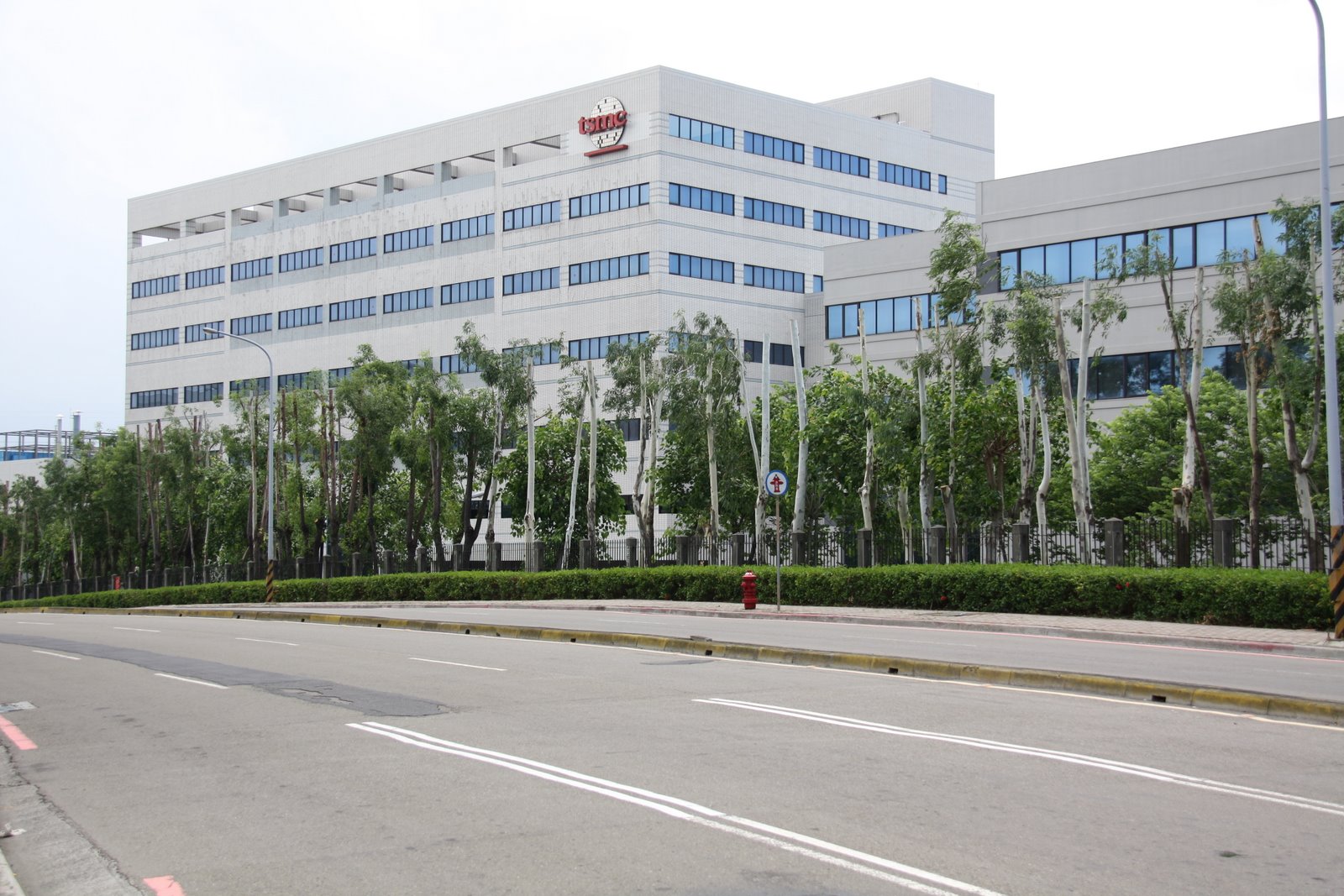
Image source: Wikimedia Commons | CC BY-SA 3.0 | Photographer: Walter Siegmund

Miraculous Years from Zero to Hero
Taiwan's economic miracle began in the most seemingly hopeless of predicaments. In 1949, when 1.2 million military personnel and civilians arrived from mainland China, the economy was in ruins — inflation reached 3,400-fold in a single year. Yet from this chaos came a series of decisive policy choices that would define the island's future.
Land reform was the first critical step. "37.5% rent reduction," "public land sale," and "land to the tiller" — this three-stage program liberated agricultural productivity, lifted rural living standards, and crucially accumulated the capital needed for industrialization. In the 1960s, the shift to an export-oriented industrialization strategy was the key decision that ignited Taiwan's economic takeoff. Export processing zones attracted foreign capital and technology; abundant labor developed light industry. From textiles and plastics to electronics assembly — "Made in Taiwan" labels began appearing in shops worldwide.
By the 1970s, Taiwan had transformed from an agricultural to an industrial society. Average annual growth rates reached 8.3%, and per capita income rose from $146 in 1962 to $8,000 by 1990. Alongside Korea, Hong Kong, and Singapore, Taiwan earned its place as one of Asia's "Four Little Dragons" — a case study that development economists continue to teach and debate.
Birth and Rise of the Silicon Island
In the late 1980s, when traditional manufacturing faced rising labor costs and intensifying regional competition, Taiwan made the strategic choice that would define its next generation of growth: a concentrated pivot toward high-technology industry. The establishment of Hsinchu Science Park marked Taiwan's transformation from manufacturing island to innovation island.
Morris Chang founded TSMC, pioneering the pure-play foundry business model and redefining the global semiconductor industry's division of labor. Today TSMC's market capitalization is equivalent to 99% of Taiwan's entire annual GDP. The semiconductor industry's success drove an entire technology ecosystem: MediaTek competes with Qualcomm across the global smartphone chip market; ASE is the world's number one in semiconductor packaging and testing; UMC holds a unique position in specialty processes. From IC design through wafer fabrication to packaging and testing — Taiwan built the world's most complete semiconductor supply chain. "Silicon Island" is not a romantic metaphor but a serious geopolitical reality with profound implications for global security.
Further Reading: tsmc-morris-chang | semiconductor-industry
Science Park Innovation Miracle
Hsinchu Science Park is not merely an industrial zone — it is the living symbol of Taiwan's innovative spirit. Since its establishment in 1980, this land that was once paddy fields has become the world's highest semiconductor industry density zone: the "Silicon Valley of the East." Over 500 high-tech companies generate the world's highest production value per square kilometer.
The industrial cluster effect creates efficiencies that stun global competitors: a chip's design, manufacturing, packaging, and testing can all be completed within a 10-kilometer radius. When Apple needs its latest processors delivered at the frontier of possibility, only Taiwan can provide highest quality on the shortest timeline. When NVIDIA launches its next generation of AI chips, the first and most critical cooperation partner is TSMC. Central and Southern Science Parks extended this north-to-south tech corridor, with Taichung's precision machinery, Tainan's optoelectronics, and Hsinchu's semiconductors forming a perfectly complementary supply chain. Despite its small area, Taiwan has assembled the world's most complete technology industrial ecosystem.
Further Reading: science-park-development
Service Economy Transformation and Upgrade
Into the 21st century, Taiwan's economy has continued evolving. Manufacturing remains critical, but services have become the main economic pillar — contributing over 60% of GDP. The financial industry — banking, insurance, securities — operates at significant scale, with Taiwan increasingly positioning itself as a bridge in cross-strait financial cooperation.
Logistics leverage Taiwan's geographic advantage as an Asia-Pacific transshipment hub: Taoyuan Airport cargo volume ranks among Asia's highest; Kaohsiung Port is one of the region's major container ports. Cultural creative industries display Taiwan's unique competitive edge: Eslite Bookstore pioneered the "cultural space" concept that has inspired imitators across Asia; the Pili International Multimedia puppet show has built a genuine cultural creative empire; the Golden Horse Awards and Taipei International Book Exhibition demonstrate Taiwan's strength in the cultural economy.
Startup Ecosystem's Creative Vitality
Taiwan is actively building a startup ecosystem capable of competing on the global stage. The government's "5+2 Industrial Innovation Plan" targets Asia Silicon Valley, biomedical innovation, green energy, smart machinery, defense, new agriculture, and the circular economy as priority development areas. Gogoro's electric scooter and battery-swap network not only transformed Taiwan's transportation ecology but exported an innovative business model now operating in cities across Asia. 91APP became one of Asia's largest retail technology platforms, serving over 20,000 brands. Accelerators like AppWorks provide capital, mentorship, and community from the earliest idea stage through to IPO.
Further Reading: startup-ecosystem | Taiwan SMEs and Hidden Champions
Trade-Oriented Nation's Global Layout
Exports account for over 70% of Taiwan's GDP — among the highest ratios for any major economy. Trade partners span the world: China, Japan, and Korea in Asia; the United States and Germany in the Americas and Europe. In high-technology products especially, Taiwan is an indispensable supplier to global supply chains. "Chip diplomacy" gives Taiwan influence in international politics disproportionate to its geographic or demographic scale.
However, high export dependence makes Taiwan's economy sensitive to global economic fluctuations. The 2008 financial crisis, the 2020 COVID-19 pandemic, the 2022 inflation crisis — each tested Taiwan's economic resilience in different ways. But Taiwan enterprises and successive governments have cultivated a strong crisis response capability, emerging from each challenge with improved institutional knowledge.
Challenges and Opportunities Facing the Future
Geopolitical tensions have reshaped Taiwan's economic landscape in ways that cut both ways. The US CHIPS Act and the EU Chips Act both seek to reduce semiconductor dependence on Taiwan — but this pressure has also created unprecedented global investment in Taiwan's capabilities. TSMC's Arizona fabrication facility is not merely a business decision but a global export of Taiwan's most precious technological knowledge. When the US President attended the equipment installation ceremony, the world witnessed Taiwan technology's true irreplaceability.
Sustainable development and ESG commitments are reshaping the industry at its foundations — TSMC has committed to net-zero emissions by 2050, a pledge that will require massive investment in renewable energy. Green technology development may prove to be the decisive arena in Taiwan's next round of global competition. Artificial intelligence and digital transformation are opening new possibilities for Taiwan's economy, from smart manufacturing to smart cities, from digital health to digital finance — Taiwan is using its hardware advantages to actively seize digital economy opportunities before competitors can close the gap.
World Significance of a Small Island's Big Economy
Taiwan's economic success carries important lessons for human development: small nations can find their indispensable position in a globalized world; open economic policy and democratic political institutions can mutually reinforce each other; innovation and diligence can overcome the limitations of scarce natural resources.
World Bank experts viewing Taiwan again see a magnificent transformation from aid recipient to aid provider — a country that now contributes expertise, technology, and development assistance to others. This "virtuous cycle" is Taiwan's economy's most precious and enduring value.
In an era of global supply chain reorganization, the rise of the digital economy, and the intensifying pressure of climate change, the world needs Taiwan's wisdom and experience more than ever. How this small island maintains creative vitality in changing times, maintains cooperative spirit in competition, and persists in sustainability while growing — these are questions all of humanity faces together. Taiwan economy's next chapter is not just Taiwan's story; it is the world's story.

Image source: Wikimedia Commons | CC BY-SA 3.0 | Photographer: Andreas Krebs

Further Reading
- semiconductor-industry
- tsmc-morris-chang
- tsmc
- science-park-development
- economic-miracle
- startup-ecosystem
- semiconductor-industry
- tsmc-morris-chang
- tsmc
- science-park-development
- economic-miracle
- startup-ecosystem
- Taiwan SMEs and Hidden Champions
- Hsinchu Science Park
Taiwan's economic miracle lies in using island wisdom to conquer the seas, using innovative courage to earn the world's respect.