
Food
· Culinary culture from night market snacks to fine dining 72 articles Updated 2026-09-10In Taiwan, every bite of food is a story, every dish is a piece of history. From the steaming bamboo baskets of street vendors to the refined plating of Michelin-starred restaurants, Taiwan's food reveals the warmest face of this island. It nourishes not just the body but the soul, serving as a bridge between memory and emotion — between who you were, where you came from, and who you have become in this new place.
Featured
- Standard article2026-07
Taiwanese Food Overview: No Dish Is Purely Taiwanese, and Every Dish Is Taiwanese to the Core
Beside the Chiayi Fountain roundabout in 1949, Lin Tien-shou sliced chicken, laid it over white rice, and poured Minnan-style braising sauce on top; only after the U.S. military stationed in postwar Taiwan moved into Shuishang Air Base and brought large numbers of turkeys to Taiwan did this bowl evolve from chicken rice into turkey rice. From Indigenous slate-grilled wild boar, Hakka stir-fried pork intestines with shredded ginger, and military dependents' village Sichuan-style beef noodles to bubble tea invented in Taichung in 1986, and onward to the 419 restaurants included by Michelin in 2025. This island spent four hundred years cooking every borrowed dish into its own form.
69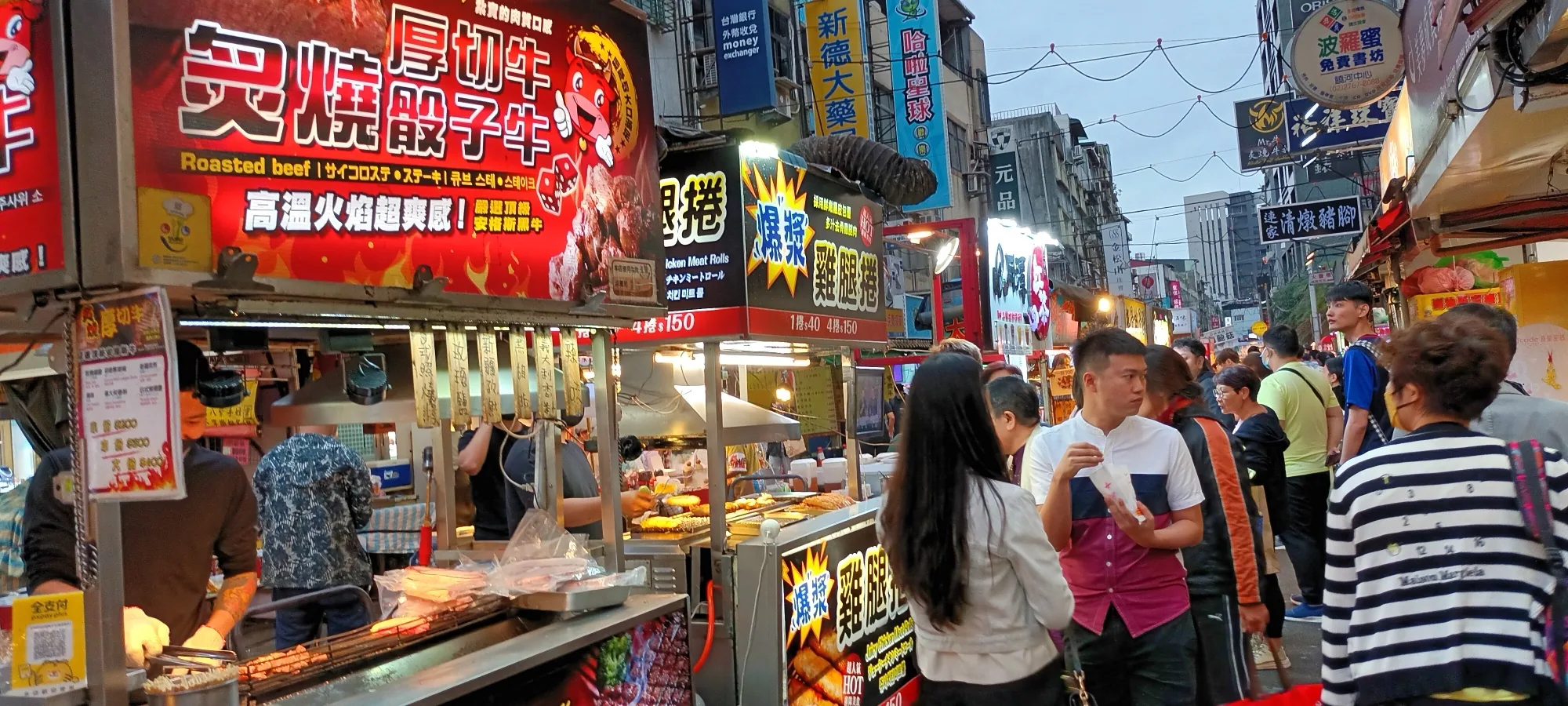
- Standard article2026-07
Gua Bao: From Fuzhou’s Tiger Bites Pig to BAO London’s Michelin Symbol
In the 1927 diary of Hsinchu gentleman Huang Wang-cheng, “tiger bites pig” was a snack served at the weiya year-end banquet to reward workers. A century later, the line on Lexington Street in London’s Soho waits for the same folded wheat bun, and the Michelin Guide has written it into its Bib Gourmand selections. This plump white folded snack carries within it Taiwan’s four centuries of Fuzhou migration history, the labor-management ritual of Tudigong weiya, and the story of how an artist from Taipei brought it onto the international table.
28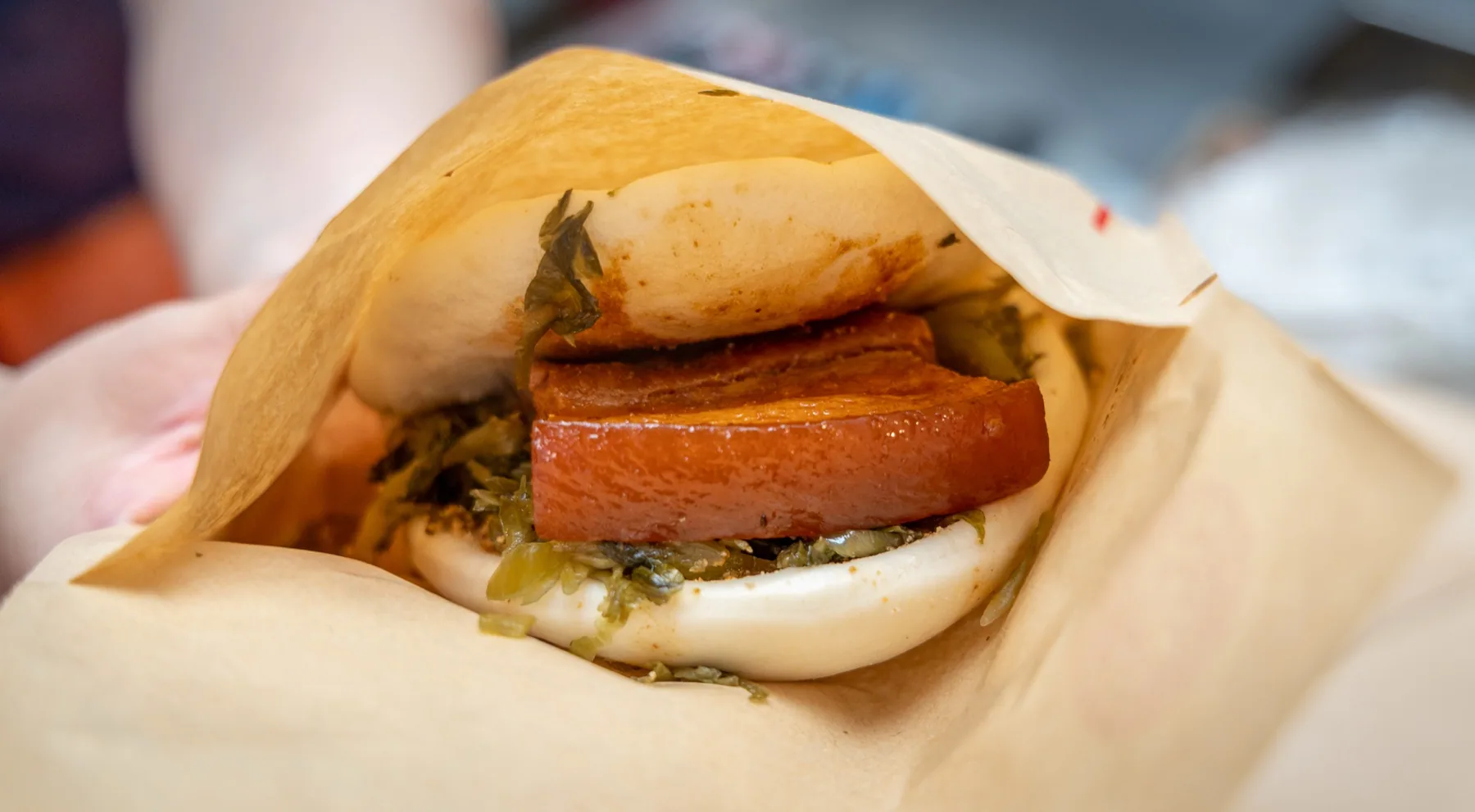
- Standard article2026-05
Tang-tsung (Sugar Onion): The 'Resistance Sweet' Hidden in White Hollow Tubes
In the 1940s, Taiwanese farmers evading Japanese police control over refined sugar pulled dark-brown syrup into snow-white, hollow tubes that looked like scallion stalks — a farmers' disguise technique, a century of grassroots wisdom crystallized. The precisely engineered 16 large holes and 16 small holes inside each sugar-onion piece sustained a century of sweet, crispy resistance across Taiwan.
20 ~15 min
Classic Street Food 15
- Standard article
Gua Bao: From Fuzhou’s Tiger Bites Pig to BAO London’s Michelin Symbol
In the 1927 diary of Hsinchu gentleman Huang Wang-cheng, “tiger bites pig” was a snack served at the weiya year-end banquet to reward workers. A century later, the line on Lexington Street in London’s Soho waits for the same folded wheat bun, and the Michelin Guide has written it into its Bib Gourmand selections. This plump white folded snack carries within it Taiwan’s four centuries of Fuzhou migration history, the labor-management ritual of Tudigong weiya, and the story of how an artist from Taipei brought it onto the international table.
- Standard article
Taiwanese Popcorn Chicken (鹽酥雞)
In 1975, a failed restaurant owner from Tainan set up a cart in Ximending and fried chicken chunks with an ancestral marinade. Fifty years later, 鹽酥雞 has become one of the few Taiwanese street foods that survives without a night market or a storefront — CNN has listed it twice as a must-eat, yet its most authentic form is always a paper bag you wait for on the roadside at midnight.
- Standard article
Beef Noodle Soup
From the nostalgia of waishengren immigrants to a Taiwanese national dish: the cultural fusion and global reach of beef noodle soup
- Standard article
Ma-wai Soup: From the Jute Fields of Nantun to a Summer Bowl of Bitter-Sweet Green Broth on Taichung's Table
In 1895, the Japanese colonial government planted vast jute fields in Nantun, Taichung, to supply the gunny sack industry. Half a century later, plastic bags wiped out the jute fiber trade—but left ma-wai soup behind in the summers of Taichung people. A bowl of green, thick broth that turns sweet after the bitter, it is the only local dish in Taiwan to survive as a "by-product" of a vanished industry.
- Evolving · community
Tea Eggs: How a Cracked Egg Became the Scent of Taiwan’s Convenience Stores
In 1987, Hsu Chung-jen introduced cracked tea eggs to Taiwan’s 7-ELEVEN. While coffee failed to catch on, the tea egg endured. From braising liquid and shell cracks to food safety, this unassuming egg records how Taiwan domesticated foreign retail formats into daily life, bringing the cost and care of affordable food back into view.
- Evolving · community
Sweet Potato Balls: From Tang Dynasty Palaces to Beneath the Zhongzheng Bridge, the Resilience of Taiwan in a Hollow Sphere
The history of this golden sphere spans millennia, evolving from the Tang Dynasty's "Ludui" to a 1970s Taiwanese accident of frugality. It is not merely a night market snack, but a physical experiment involving precise 130°C oil temperatures and starch gelatinization.
- Evolving · community
Formosa Chang: The Braised Pork Rice Born from a Chef's Scolding, Now Served at 40,000 Feet
In 1960, carpenter Chang Yen-chuan set up the "Shuanglian Braised Pork Rice" street stall opposite Taipei's Shuanglian Police Station; too busy to shave, he became known as "Bearded Chang." Sixty-six years later, this braised pork rice has ascended to China Airlines in-flight meals and its central kitchen has passed triple international food safety certifications, yet its signature small bowl remains price-frozen for eight years. How did a brand born from criticism learn to battle convenience stores?
- Evolving · community
Dan Dan Burger: A Bowl of Mian Xian Geng and a Fast-Food Brand That Never Went North
Founded in 1984 in the Qianjin District of Kaohsiung, Dan Dan Burger places burgers, fried chicken, fries, mian xian geng, and lean pork porridge on the same menu. The brand’s long-term concentration in Kaohsiung, Tainan, and Pingtung means that its “southern-only” status has become the primary lens through which readers understand it. Public records explain its origins and menu, but no single official answer exists for why it never expanded north.
- Evolving · community
Xinggang Candy: From a Rainy Day Accident to a Century of Cultural Memory at the Temple Entrance
In 1891, Lu Qitou, a vendor in Minxiong, Chiayi, accidentally combined damp peanut candy with maltose and flour during continuous rain, creating "Bird-Mouse Candy" shaped like mice. Born from a spirit of thrift, this soft candy took root at the entrance of Xinggang Fengtian Temple, evolving from a local snack to an award-winning specialty at exhibitions during the Japanese colonial period, becoming an indispensable sweet memory of Taiwan's pilgrimage culture.
- Evolving · community
Tofu Pudding: From Tricycle Hawking to a Bowl of Local Soybean Choices
Founded in 1965, Douhua Zhuang began as a street-side pushcart vendor in Xinzhuang before establishing a fixed storefront in Ningxia Night Market. While tofu pudding appears to rely solely on soybeans, water, and coagulants, it condenses the choices of Chaoshan immigrants, local terroir, domestic soybeans, campus food-agriculture education, and the evolution of street commerce into a dessert where every Taiwanese person has their own answer. This article traces the journey from vendor carts and coagulation technology to local shops, asking how a soft food bears the weight of choices regarding origin, price, and heritage.
- Standard article
Coffin Bread: From an Inauspicious Name to Tainan's Japanese-Western Hybrid Delicacy
In the late 1940s, a snack called "chicken liver toast" appeared in Tainan's Shakariba. Because of its distinctive shape, it was jokingly called "coffin bread." Invented by Hsu Liu-yi, the dish wraps chicken liver and cream batter in deep-fried toast. It was not only a nutritional supplement amid postwar material scarcity, but also later featured by CNN, becoming an international calling card for Tainan's Japanese-Western hybrid food culture.
- Evolving · community
Not Brought by Koxinga: The Four-Hundred-Year Farming History of Milkfish
Tainan locals call milkfish "home fish," but its origins lie in aquaculture techniques introduced from Indonesia by the Dutch East India Company, thirty-seven years before Koxinga arrived in Taiwan. Qigu's 4,500 hectares of fishponds and the seven or more ways to prepare a single fish are living fossils of this four-century history.
- Evolving · community
Patience in an Aluminum Cup: The Seventy-Year Philosophy of Water Bath Cooking at A-Ming Pig Heart Glass Noodles
At No. 72 Bao'an Road, Tainan, Huang Hsien-ming's A-Ming Pig Heart Glass Noodles opens at 5:00 PM, with long queues forming every night; it was listed as a Michelin Bib Gourmand in 2022. The secret lies not in the ingredients—pig heart is an inexpensive offal—but in the cooking method: sliced pig hearts are placed in aluminum cups and heated via a water bath, allowing heat to penetrate slowly from the outside to create a heart that is not gamey or tough, but subtly sweet.
- Evolving · community
Precision in 27 Seconds: The Japanese Colonial Origins and Liao Family Legacy of Tainan Eel Noodles
The core technique of Tainan eel noodles relies on a single number: 27 seconds. If the eel stays in the pan for longer, the meat becomes tough, the fishy odor emerges, and the entire batch is ruined. Born in the Sakariba market during the Japanese colonial period, the Liao brothers, Liao Bing-nan and Liao Huo-tu, learned their craft from a Fuzhou master, substituting imported Japanese eel with wild eel from Tainan's ponds to create a century-old legacy.
- Evolving · community
The Warmth of 5:00 AM: The Supply Chain and Freshness of Tainan Beef Soup
Tainan beef soup has been a "signature delicacy" for less than twenty years, but the reason it is worth queuing for at 5:00 AM is real—warm beef from the Shanhua slaughterhouse, a cold chain completed within hours, and a bone broth that begins simmering at dawn.
Drink Culture 6
- Standard article
Taiwan Hand-Shaken Drink Culture
From bubble tea to premium tea beverages, the rise of Taiwan's hand-shaken drink culture and its global expansion
- Standard article
Bubble Tea
A casual act at a staff meeting in Taichung in 1987 led to a drink that conquered the world. The origin dispute, cultural politics, and the 500-calorie health debate behind bubble tea.
- Standard article
Apple Sidra: From National Sparkling Drink to Capital-Market Storm, How a Sixty-Year Taiwanese Flavor Was Reborn
In 1965, Philippine Chinese businessman Lee Hung-lueh bought a formula from America's CosCo company and founded Oceanic Beverages. From then on, Apple Sidra became the golden fizz that held the same place for 60 years in rechao stir-fry restaurant refrigerators, banquet tables, and KTV rooms. For its first 30 years, its trademark changed hands among three foreign owners, until Sun You-ying paid US$800,000 out of pocket to redeem it for Taiwan; it was encountered by Korean idol Kyuhyun at Du Hsiao Yueh in Tainan; it twice fell under the yeast and moldy ceilings of its own factory; and finally, its parent company staged a major comeback with EPS of NT$8.71 by selling 7,222 ping of land in Hunei, Kaohsiung.
- Standard article
Puli Shaoxing Wine: A 'Taiwan National Liquor' Invented by an Exiled Regime in 1952
Built in 1917, but the first vat of shaoxing wine wasn't brewed until 1952 — the timing falls right after the Nationalist government's retreat. The Puli Distillery's story is an experiment in crystallizing political nostalgia into a commodity, using glutinous rice and well water. Today, when you pick up a Hua-Tiao Chicken instant noodle at 7-11, you're holding a flavor of Taiwan's postwar history.
- Evolving · community
Ramune: A Century of Bubbles in a Glass Bottle, and the "Pop" of a Taiwanese Childhood
From 19th-century British laboratories to the cold springs of Suao, Taiwan, Ramune is more than just a carbonated drink; it is a cultural symphony of physical pressure, Japanese colonial hierarchy, and the worship of the Three Princes.
- Standard article
Taiwanese Breakfast Culture
From danbing, shaobing, and youtiao to the global expansion of Yonghe Soy Milk, breakfast-shop aunties and Taiwanese morning rituals
Food Scenes 3
- Standard article
Tang-tsung (Sugar Onion): The 'Resistance Sweet' Hidden in White Hollow Tubes
In the 1940s, Taiwanese farmers evading Japanese police control over refined sugar pulled dark-brown syrup into snow-white, hollow tubes that looked like scallion stalks — a farmers' disguise technique, a century of grassroots wisdom crystallized. The precisely engineered 16 large holes and 16 small holes inside each sugar-onion piece sustained a century of sweet, crispy resistance across Taiwan.
- Standard article
Night Market Culture
164 official night markets, one for every 38,000 people in Tainan — from kerosene lamp stalls under temple eaves to food destinations that put Taiwan on Michelin's radar
- Standard article
Taiwanese Street Food
In March 1987, a tea shop employee at Chun Shui Tang dropped some tapioca balls into milk tea without any plan to patent it. That accidental mistake sparked a global bubble tea empire worth NTD 300 billion a year. Taiwan's street food history is like that — its most successful inventions were almost always accidents, and its most vital stalls swear they have no secret recipe.
Rice & Noodle Staples 3
- Evolving · community
Chishang Bento: From Wooden Boxes on the Platform to the Synonym for Taiwan's Rice Cuisine
From two bamboo-leaf rice balls on the platform in the late Japanese colonial period to a chain brand that has spread nationwide, the Chishang bento used eighty years to turn the name of an eastern Taiwan station into the highest standard for Taiwanese rice. The thin wooden box is a humidity management system; the 1982 cadmium rice incident marked the shift of rice power from the Zhuoshui River to the Hualien-Taitung Valley; the 1996 wave of counterfeits forced the creation of the first geographical indication certification mark in Taiwan.
- Evolving · community
Rice Balls: From Morning "Sleeping Pills" to the Viral "Taiwanese Burrito" in the West
From Qing Dynasty glutinous rice culture to the cross-strait evolution of _cifan_, Taiwanese rice balls have become the soul of Taiwan's breakfast with their unique "old fried dough sticks" and hand-pressed technique. This article provides an in-depth analysis of its historical prelude, production craftsmanship, modern innovative flavors, and the "carb coma culture" sparking international discussion.
- Standard article
Radish Cake: From Ming Zheng Rituals to Breakfast Memories Under the Big Tree
How a radish cake evolved from a New Year offering to a daily breakfast: the taste of Taiwan where paddy rice, local cake shops, and three centuries of heritage intersect.
Ethnic Cuisines 3
- Standard article
Taiwanese New Immigrant Culinary Fusion
When Thai sour-spicy meets Taiwanese sweet-salty, when Vietnamese pho encounters Taiwanese braised delicacies, when Indonesian spices embrace local ingredients, a cross-border culinary revolution is quietly happening in Taiwan. New immigrants bring not only hometown cuisine but also new possibilities for enriching Taiwan's food culture.
- Standard article
Taiwanese Military Dependent Village Cuisine
The 1949 Great Migration brought flavors from across China's provinces, from kitchens behind bamboo fences to the preserved tastes after village demolition
- Standard article
Hakka Food Culture
The rich and diverse food culture of the Hakka people, from the mellow aroma of ground tea to the mountain-forest charm of ginger lily rice dumplings, showcases the Hakka spirit of frugality and making the most of local ingredients.
Baking & Desserts 3
- Standard article
Apple Bread: Feeding a Modernization Illusion on an Island Without Apples
This was not merely a piece of bread, but a modernization experiment in 1960s Taiwan under the shadow of U.S. aid, woven from flour, symbols, and resilience. Retired Major Liu Che-chi used the luxury metaphor of the apple and Japanese dehydration technology to transform what had been austere military rations into a national memory spanning generations, revealing how postwar Taiwanese society used substitutes to bridge the gap between aspiration and reality.
- Standard article
Egg Tarts: From Macao Monasteries to Taiwan’s Collective Memory of “Swarming”
The explosive rise and collapse of Taiwan’s 1998 “egg tart frenzy” not only defined the island’s “swarming” consumer behavior, but also forced KFC in Taiwan to become “an egg tart shop delayed by fried chicken.”
- Standard article
Taiwanese Ice Cream Culture
From Tainan's Tainan Mango Shaved Ice to the Snow Ice Revolution, exploring Taiwan's unique culture of eating ice even in winter
Food Culture 2
- Standard article
Handmade Taiwanese Cuisine
From Neimen's total-pu-shi density to the human warmth of caiwei tang — Taiwan's roadside banquet culture at its heart
- Standard article
Taiwanese Handmade Cuisine: Meaning, Origins, and the 'Signature Dishes' of Banquet Culture
Handmade cuisine (Teochew: tshiú-lōo-tshài) means 'signature dishes.' The white chalk soil of Neimen, Kaohsiung, cannot grow crops, yet it nurtured the township with the highest density of banquet chefs (zongpushi) in Taiwan—during its golden age, one company hosted 25,000 banquets a year, with monthly revenues reaching 12 million. A pot of 'leftover soup' (caiwai tang) takes four to eight hours to prepare; if the flavor is not balanced well, the whole village knows the next day.
Fine Dining 2
- Standard article
Taiwan's Michelin: The Cost Under the Stars and a Redefinition
When Michelin arrived in Taiwan in 2018, it was hailed as an honor of international certification, but it actually redrew the survival rules of the catering industry — restaurants that were "almost up to standard" became the biggest victims.
- Evolving · community
Din Tai Fung: From Oil Shop to Michelin Star, How One _Xiaolongbao_ Conquered Global Palates
In 1958, Yang Bing-yi founded Din Tai Fung Oil Shop in Taipei. Through a strategic transformation and the leadership of second-generation manager Yang Chi-hua, Din Tai Fung used rigorous "18-pleat, 21-gram" standards and a people-oriented service philosophy to bring Taiwan's _xiaolongbao_ (soup dumplings) to the international stage as a Michelin-starred culinary legend.
Ingredients & Seasoning 2
- Standard article
Taiwanese Fermented Foods and Pickling Culture
From stinky tofu to fermented bean curd, explore Taiwan's unique fermentation techniques and pickling culture traditions
- Evolving · community
Taiwanese Condiments and Seasonings
Taiwanese specialties such as soy sauce paste, satay sauce, sweet chili sauce, and fermented bean paste form the foundation of the island's distinctive flavors, reflecting a philosophy of seasoning shaped by multicultural fusion.
Dining Scenes 2
- Standard article
School Lunch in Taiwan: A Century of Change, from Skim Milk Powder to Neon Curry
In 1951, a UNICEF donation of skim milk powder launched Taiwan's school lunch program. From American aid flour to local rice, and from food education to free-lunch policies, a century of change has fed generations of students while tracing Taiwan's social, economic, and culinary evolution.
- Standard article
Apo's Hard Eggs: From an Accident at Fisherman's Wharf to Tamsui's Toughest Collective Memory
In 1983, a report in the *Min Sheng Bao* made "Haijiao Grand Hotel" hard-braised eggs famous overnight. This "accidental" delicacy—which became harder the more it was braised by sea winds—not only witnessed the rise and fall of Tamsui Fisherman's Wharf but also left behind a historical mystery involving the founder Apo (阿哖婆) and Yang Bi-yun.
Others 31
- Standard article
Taiwanese Food Overview: No Dish Is Purely Taiwanese, and Every Dish Is Taiwanese to the Core
Beside the Chiayi Fountain roundabout in 1949, Lin Tien-shou sliced chicken, laid it over white rice, and poured Minnan-style braising sauce on top; only after the U.S. military stationed in postwar Taiwan moved into Shuishang Air Base and brought large numbers of turkeys to Taiwan did this bowl evolve from chicken rice into turkey rice. From Indigenous slate-grilled wild boar, Hakka stir-fried pork intestines with shredded ginger, and military dependents' village Sichuan-style beef noodles to bubble tea invented in Taichung in 1986, and onward to the 419 restaurants included by Michelin in 2025. This island spent four hundred years cooking every borrowed dish into its own form.
- Standard article
Zongzi (Rice Dumplings)
Taiwan's zongzi is not a single food — it is four different island memories layered together: Hoklo, Hakka, mainlander, and indigenous. Every bite is a journey to where we came from.
- Standard article
Braised Pork Rice (滷肉飯): Taiwan’s Everyday National Dish
From military dependents’ village kitchens to a nationwide comfort food — exploring the north–south naming war and cultural identity behind Taiwanese braised pork rice.
- Standard article
Taiwan Fruit Kingdom
In 2021, Irwin mangoes hit NT$100 per catty. Behind this price lies a triple battle between farmers, natural disasters, markets, and politics.
- Standard article
Taiwan Regional Street Food Map: Flavor Codes in Migrant Blood
A bowl of Keelung ding-bian-cu chronicles the wandering of Fujian fishermen; a Changhua ba-wan witnesses Qing Dynasty settlers innovation. 22 counties, 22 survival wisdoms—Taiwan regional food is not just cuisine, its a migration history carved into the land.
- Standard article
Taiwanese Noodle Culture
From danzai noodles to beef noodle soup, from yangchun noodles to dry mixed noodles, Taiwanese noodle culture blends Hokkien, Mainland Chinese, and innovative elements to form a unique noodle culinary tradition
- Evolving · community
Taste Bud Transformation of International Brands in Taiwan: From McDonald's Corn Soup to 'Wan Jia Fu's' Local Deep-Diving
From McDonald's corn soup to Pizza Hut's 'curiosity' pizzas, how do international brands integrate into Taiwanese life through localization strategies? Spanning fast food, hypermarkets, and convenience stores, this article analyzes how brands navigate cultural tensions, with special updates on Carrefour's latest layout following its rebranding to 'Wan Jia Fu' and 'Le Jia Kang'.
- Standard article
Taiwan Pastry Culture
From the 1877 Lukang Yuzhenzhai Phoenix Eye Cake to the 2026 Chen Yaoxun's Red Soil Egg Yolk Pastry that sold out in 30 seconds on the Tixcraft ticketing system, Taiwan's pastries carry a 150-year layered story. In between lies the square pineapple cake revolution of Yifutang during the Japanese colonial era, Fengquan's olive-shaped egg yolk pastry experiment in Fengyuan, 270 hectares of native pineapple contract farming at the foot of Bagua Mountain, the craft mutation of oil-wrapped pastry layers, and a century-old Han pastry shop standing on the same Mid-Autumn dining table as a world bread champion.
- Standard article
Sanxia Tea: From the Spiral Turn of Qingxin Ganzai to the Honey-Scented Upgrade of Summer Tea
Sanxia is Taiwan's most representative specialized pan-fired green tea production area, and its industrial path is a long-term experiment in adaptation. From John Dodd's discovery during the Tongzhi era of the Qing dynasty, to the suppression of green tea exports during the Japanese colonial period, and then to the formal naming of Biluochun in the late 1990s, Sanxia tea farmers, caught between a distinctive cultivar and land development, outlined a local standard for Taiwanese green tea.
- Standard article
Taiwan's Coffee Culture: The Island Where Convenience Stores Sell 600 Million Cups a Year
The first coffee trees planted in Gukeng, Yunlin during the Japanese colonial period grew, a century later, into a cityscape with a café every fifty meters. Louisa Coffee has opened more than 600 locations — surpassing Starbucks. Alishan coffee has made its way into international competitions. For Taiwanese people, coffee has never been just coffee.
- Standard article
HeySong Sarsaparilla: From a Mocked 'Third-Rate' Drink to the Century-Long Legend That Defeated the Cola Giants
This is not an ordinary carbonated beverage — it is a survival story of how Taiwanese national capital, through Japanese colonial control and the tides of globalization, survived on '17 dollars in assets' and a song called 'My Future Is Not a Dream.'
- Standard article
Oyster Omelet: The Flavor Evolution from Poverty to National Dish
A Taiwanese snack born from food scarcity — how the 'pan-fried lump' of Koxinga's era evolved into the nationally beloved dish enjoyed at home and abroad, and the sensory secrets hidden inside its starch slurry and sauce.
- Standard article
Mingjian Puchung Tea: The Unsung Hero Supplying 80% of Taiwan's Bubble Tea Base
The 2025 Mingjian incinerator controversy accidentally exposed that 80% of Taiwan's bubble tea base comes from Nantou's Mingjian. From the Qing-dynasty 'Three Puchung' reputation to the 1975 renaming as 'Songbai Evergreen Tea,' this low-altitude hillside — producing at only 400 meters elevation — is now locked in a fierce battle to protect the tea-growing region's right to survive after an incinerator was planned for the site.
- Standard article
Bamboo Tube Rice: The Hunter's Lunch Box, Negotiating with the Flame
Bamboo tube rice is not simply a 'container dish' — it is a precise negotiation between water and fire. Exploiting the physical property of water boiling at 100°C, it keeps a flammable bamboo tube from turning to ash in an open fire for two full hours. This wisdom, rooted in hunting culture, has become a defining dish of Taiwan's indigenous culinary arts.
- Standard article
Sun Cake: From the Martial Law Era's Forbidden 'Sunflower' to a Hundred Competing Shops on Taichung's Freedom Road
In 1964, the 'Sun Hall' pastry shop opened on Freedom Road in Taichung. The sunflower mosaic mural by artist Yan Shui-long was sealed behind wooden boards for 25 years due to political suspicion. This round pastry — originating from a late Qing maltose biscuit and refined by Wei Ching-hai — how did it evolve from a railway bento side item into Taichung's most iconic cultural symbol?
- Standard article
Oil Rice (油飯): From 'Conspicuous Glutinous Rice' to the Weighty Gift Carrying a Life's Milestone
On Taiwan's streets in 2026, a portion of oil rice remains many people's first choice for celebrating a new birth. This dish — rooted in the traditions of Han Chinese migrants, evolved in Taiwan into a sweet-and-savory 'connoisseur's ratio' — combines glutinous rice and shallots into the most substantial blessing Taiwanese families offer at life's turning points.
- Standard article
Pineapple Cake: From Election Refreshments to a NT$25 Billion 'Golden Brick'
In 1945, Yan Shin-Fa Bakery in Taichung transformed the traditional wedding pastry into the petite pineapple cake. From the winter melon-filling pivot of the 1970s under declining export fortunes, to SunnyHills' 2009 revival of the tart, fibrous native pineapple, this small 'golden brick' has been intertwined with Taiwan's agricultural fate for eight decades, and its annual production value now exceeds NT$25 billion — the most representative Taiwanese flavor in the minds of foreign visitors.
- Standard article
Ba-wan: From Flood Survival Food to the Craft of Three Fingerprints
A devastating flood in 1898 accidentally gave birth to Taiwan's beloved street snack, the ba-wan meatball. From the survival flour balls made by temple scribe Fan Wan-chu of Beidou under divine guidance, to the north-fried-south-steamed taste divide, this is not just a delicious evolution — it is a resilience memory of Taiwanese people surviving amid scarcity.
- Evolving · community
Bánh Mì Dan Zai: How a Noodle Dish Created to Survive the Off-Season Became a Tainan Daily Staple
In 1895, Hong Yutou balanced the livelihood of the fishing off-season on a shoulder pole; over a century later, Dan Zai noodles still preserve the rhythm of Tainan’s port, immigrant, and street food stall life through a small bowl of alkaline noodles, shrimp broth, and minced pork.
- Standard article
Stinky Tofu: Between Chasing Stench and Seeking Fragrance — Taiwan's Sensory Extreme Sport
From a veteran soldier's street craft in the 1950s to the 'Stinky Tofu Cathedral' that graced a state banquet, this fermented tofu carries half a century of Taiwanese resilience. This article decodes the living-microorganism curation inside the brine, and the flavor secrets of Shenkeng's charred aroma and Yuli's three-oil-temperature technique.
- Standard article
Taiwan Hotpot: An Island Palate's Evolution History, One Pot at a Time
From a symbol of civilization in the colonial era to today's national comfort food, Taiwan hotpot is not only a story of evolving taste buds — it is a reflection of social change and ethnic fusion.
- Standard article
The Golden Croissant: An Accidental Mid-Air Encounter and a Taiwanese Croissant with a Han Pastry Soul
The Sansia golden croissant did not originate in France — it began when a Han pastry chef had an accidental encounter with a Philippine bread on an airplane, and ultimately evolved into a hard-shell snack that holds up Sansia's olfactory identity.
- Standard article
Wheel Cake: The Arc of Taiwanese Identity from Japanese 'Imagawa-yaki' to Wudan Red Bean
A 2026 'Red Bean Cake Controversy' ignited language identity disputes. This expensive snack, originating from the Edo period and introduced during the Japanese colonial era, evolved into Taiwan's most accessible penny-snack memory after the successful trial planting of Wudan red beans in the 1960s.
- Standard article
Chiayi Turkey Rice: A City's Identity in a NT$30 Bowl
After World War II, the American military brought turkeys to Chiayi. A chef named Lin Tien-shou shredded the turkey meat, poured braised sauce over it, and piled it on white rice. Seventy years later, this NT$30 bowl was voted No. 1 in the Council of Agriculture's Top Ten Signature Rice Dishes of Taiwan. Chiayi people can argue all Lunar New Year about which restaurant makes the best version — but on one point they never argue: turkey rice belongs to Chiayi.
- Standard article
Taiwan Bread and Baking
From Wu Pao-Chun’s world championship to 85°C’s global expansion, Taiwan’s baking scene blends local flavors with international technique.
- Evolving · community
Taiwan's Vegetarian Culture
Taiwan ranks among the top three countries globally for its proportion of vegetarian population. This article traces the cultural evolution from Buddhist vegetarian tradition to modern meat-analog innovation.
- Standard article
Taiwan Coffee Industry
From Tait & Co.'s 100 seedlings in 1884 to hosting the first Cup of Excellence in 2024, how an island built a coffee empire importing 43,000 tons annually in 140 years
- Standard article
Taiwan Indigenous Foodways
From millet to wild greens, the ecological wisdom and living heritage of Indigenous cuisines
- Standard article
Taiwan's Rice Food Culture
From 85kg to 42kg annually: A rice island nation's dietary revolution and cultural persistence
- Evolving · community
Taiwan's Seafood Culture
Fresh catches from fishing ports, seafood restaurant culture, and iconic dishes like oyster omelets showcase Taiwan's island character and rich maritime culinary traditions
- Standard article
Walking on the Filled-in Harbor: Five Street Foods of Tainan’s Central-West District
Beneath Guohua Street and Hai'an Road lie the riverbed ruins of the Qing Dynasty’s Five Ports; beef soup, milkfish porridge, eel noodles, and pig heart glass noodles—each dish’s timing, location, and ingredients are fossils of the survival logic left by four centuries of dockworkers.
Curatorial Reading
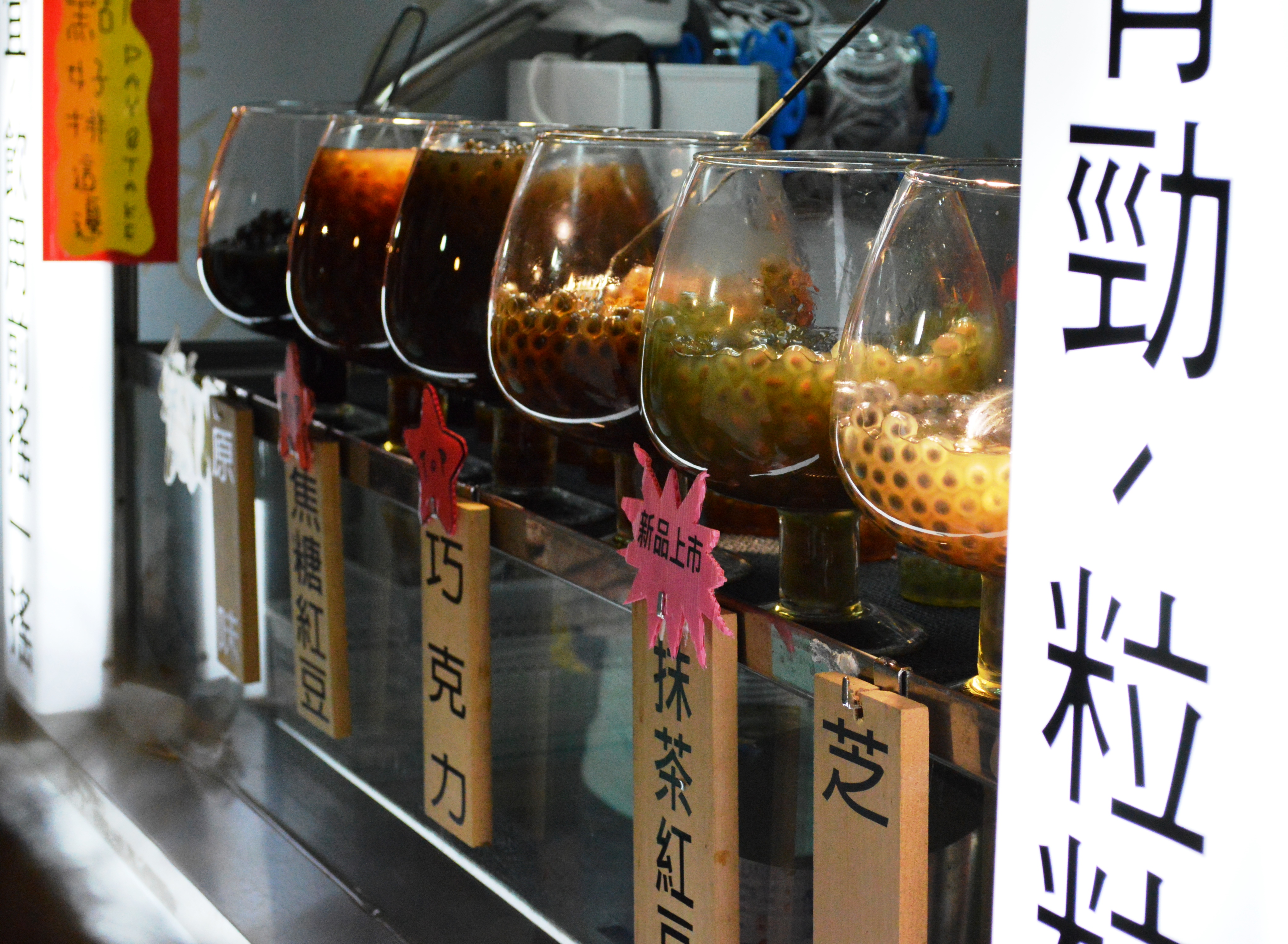
Taiwan's food culture bridges centuries: traditional architecture and temple life share space with the modern food stalls and drink shops that have made Taiwanese culinary culture known worldwide. (CC BY-SA)
A Culinary Map of Culture
There are no pure bloodlines in Taiwan's kitchen — only wonderful fusions, accidental innovations, and the alchemy of necessity.
Take a bowl of Taiwanese beef noodle soup. In its depths, you can taste two histories at once: the homesickness of a Shandong soldier who arrived in 1949 with nothing but memories of northern Chinese cooking, and the flavors of Taiwan's own land — local soy sauce, locally grown scallions, beef raised on this island. The red-braised broth carries a longing for a homeland that the cook's grandchildren have never seen, transformed by decades of adaptation into something that belongs entirely here. Today, Taiwan's beef noodle soup has its own annual competition, its own regional variations, its own cult following among food travelers from every corner of the world.
Or consider bubble tea. In the 1980s, Liu Han-chieh of Chun Shui Tang tea house in Taichung had a moment of inspiration: he added chewy tapioca pearls to sweetened milk tea, served it cold, and shook it until it foamed. That moment of playfulness launched a global phenomenon. The bubble tea industry generates more than NT$50 billion annually in Taiwan alone. Across Times Square in New York, Shibuya in Tokyo, Oxford Street in London, and the Champs-Élysées in Paris, the distinctive domed cups with their fat straws have become one of Taiwan's most recognized cultural exports — arguably the single most successful food product ever to emerge from this island.
And then there is lu rou fan — braised pork rice. A mound of white rice crowned with slowly braised minced pork, the meat lacquered dark with soy sauce and five spice, a soft-boiled egg beside it. Humble, warming, deeply emotional. It is the food that Taiwanese people eat when they are sick, when they are heartbroken, when they are far from home and desperately homesick. It is the dish that, more than any other, tastes like Taiwan.
Night Market: Theater of the People
Taiwan has more than 300 night markets, giving it what is widely claimed to be the highest night market density of any country on Earth — roughly 1.3 night markets per 100,000 people. These are not tourist attractions, though tourists flock to them; they are the living social fabric of Taiwanese communities.
At Shilin Night Market in Taipei on any given evening, grandparents buy egg cakes for their grandchildren at stalls they have patronized for decades. Young couples wait together in the queue for intestine sausage rolls, their conversation easy and unhurried. Foreign tourists photograph dishes they cannot name. Office workers grab a quick dinner of oyster vermicelli before heading home. Families share plates of stinky tofu whose pungent smell drifts through three blocks of the surrounding neighborhood.
The griddle sizzles with oyster omelette. Bubble tea swirls in a shaker. A vendor calls out her specialty in rapid-fire Min-nan. The night market is not a place where you simply buy food — it is a place where Taiwan's social life unfolds in its most unguarded, most generous form. Foreign visitors consistently cite the night market experience as among their most memorable encounters with Taiwan, not because of any single dish but because of what the night market reveals about how Taiwanese people understand community, pleasure, and the proper relationship between a cook and a customer.
From Tea Gardens to the World
Taiwan's tea culture is ancient and modern simultaneously. The island's mountain slopes produce some of the world's finest oolongs — Alishan high-mountain tea, fragrant with the cool air and morning mist of high elevations; Dong Ding oolong, roasted to a complex warmth that tea drinkers find endlessly fascinating; Oriental Beauty, the partially insect-bitten tea whose peculiar sweetness results from a precise ecological relationship between the tea plant and a tiny leafhopper.
These teas have been cultivated, refined, and debated by connoisseurs for generations. Tea houses where the art of gongfu cha — the meticulous preparation of small quantities of fine tea in traditional clay teapots — remain places of genuine cultural seriousness.
But what made Taiwan's tea globally famous was not the mountaintop oolong: it was bubble tea. The brands that grew from Taiwan's hand-shaken drink culture — 50嵐, CoCo, Gong Cha, Tiger Sugar, and dozens of others — have established footholds in more than a hundred countries. There are now an estimated 30,000 hand-shaken drink shops operating under Taiwanese-origin brands worldwide, each one a small outpost of a food culture that began in the tea houses of Taichung and Tainan.
Cultural Fusion at the Table
Every ethnic community in Taiwan has contributed its own culinary traditions to the island's table — and those traditions have been transformed by the encounter with each other and with Taiwan's extraordinary local ingredients.
Taiwan's indigenous peoples contribute bamboo tube rice, millet wine, and cooking techniques developed over thousands of years of living with the island's particular ecology. The Amis, Paiwan, Atayal, and other groups each maintain distinct food traditions that are increasingly recognized not as curiosities but as valuable contributions to Taiwan's culinary heritage.
Hakka cuisine carries the frugal wisdom of a people who historically had to make the most of limited resources. It is salty, fragrant, and deeply satisfying: pickled vegetable stir-fried with pork, ginger and intestine combined in a dish called Hakka stir-fry, preserved vegetables that last through hard seasons. Every ingredient is treated with care; nothing is wasted.
The 1949 wave of mainland Chinese immigrants created what might be called a "mainland cuisine miracle." Families who had cooked in Shandong, Sichuan, Hunan, Shanghai, and Canton suddenly found themselves in a subtropical island with different ingredients, different produce rhythms, and different neighbors. The result was not a loss of culinary identity but a creative reinvention. Shandong scallion pancakes emerged from Taiwan's adaptation somehow crisper and more satisfying than the original. Sichuan mapo tofu, made with Taiwan's silkier, more delicate local tofu, became softer and more subtly flavored. Hunanese stinky tofu, meeting Taiwan's own fermentation traditions, spawned an entirely new category of street food that has no equivalent anywhere in China.
From Street Stalls to Michelin
When the Michelin Guide published its first Taiwan edition in 2018, the food world expected it to validate the island's fine dining scene. What happened instead was more interesting: street stalls and decades-old traditional shops received Michelin recognition alongside white-tablecloth restaurants.
A pig's foot noodle stall that had been operated by the same family for three generations received a Bib Gourmand recommendation. Michelin inspectors ate at plastic-stool tables in night market alleyways and came back to eat again. The message was clear: in Taiwan, value is measured in care and heritage, not in the luxury of the décor.
Din Tai Fung — the xiao long bao restaurant that began as a cooking oil retail business in Taipei — has become one of Asia's most recognized restaurant brands, with locations in multiple countries and a global clientele that includes food critics, heads of state, and ordinary people willing to wait two hours for soup dumplings. Formosa Chang (欣葉), with its deep menu of traditional Taiwanese home cooking, has given Taiwanese cuisine a formal international platform.
Taiwan has formally registered more than 400 types of traditional snacks and food products as cultural heritage items. Food tourism has become a significant economic sector: the industry generates more than NT$15 billion annually, and surveys consistently find that more than 75% of international visitors to Taiwan cite food as a primary motivation for their trip.

Taiwanese beef noodle soup — a dish born from the fusion of mainland Chinese culinary traditions and Taiwan's local ingredients — has become one of the island's most beloved and internationally recognized dishes. (CC BY-SA)
Further Reading
The charm of Taiwan's food lies in innovation through fusion and vitality within tradition.