
📜
History
52 articlesThe complete timeline of Taiwan's history from prehistoric times to the present
explore
→
KNOWLEDGE HUB
Curated long-form narratives about Taiwan — search, discover, or browse by category.
Twelve domains, each with its own curated angle on the island.
The complete timeline of Taiwan's history from prehistoric times to the present
Taiwan's natural environment, topographic features, and regional development
The fusion of diverse ethnic cultures and local characteristics
Culinary culture from night market snacks to fine dining
Creative energy from traditional crafts to contemporary art
The soundscape from indigenous music to popular music
Innovation and digital transformation of the tech island
Rich ecosystems and environmental issues
Important figures and stories that shaped Taiwan's development
In-depth exploration of social changes and contemporary issues
The origins of the economic miracle and transformation challenges
Lifestyle and values of the Taiwanese people
Thirty years of Taiwan's democratic experiment — institutions, power structures, and why democratic infrastructure is more than voting
Recently published
A-grade articles with extensive citations and cross-references.
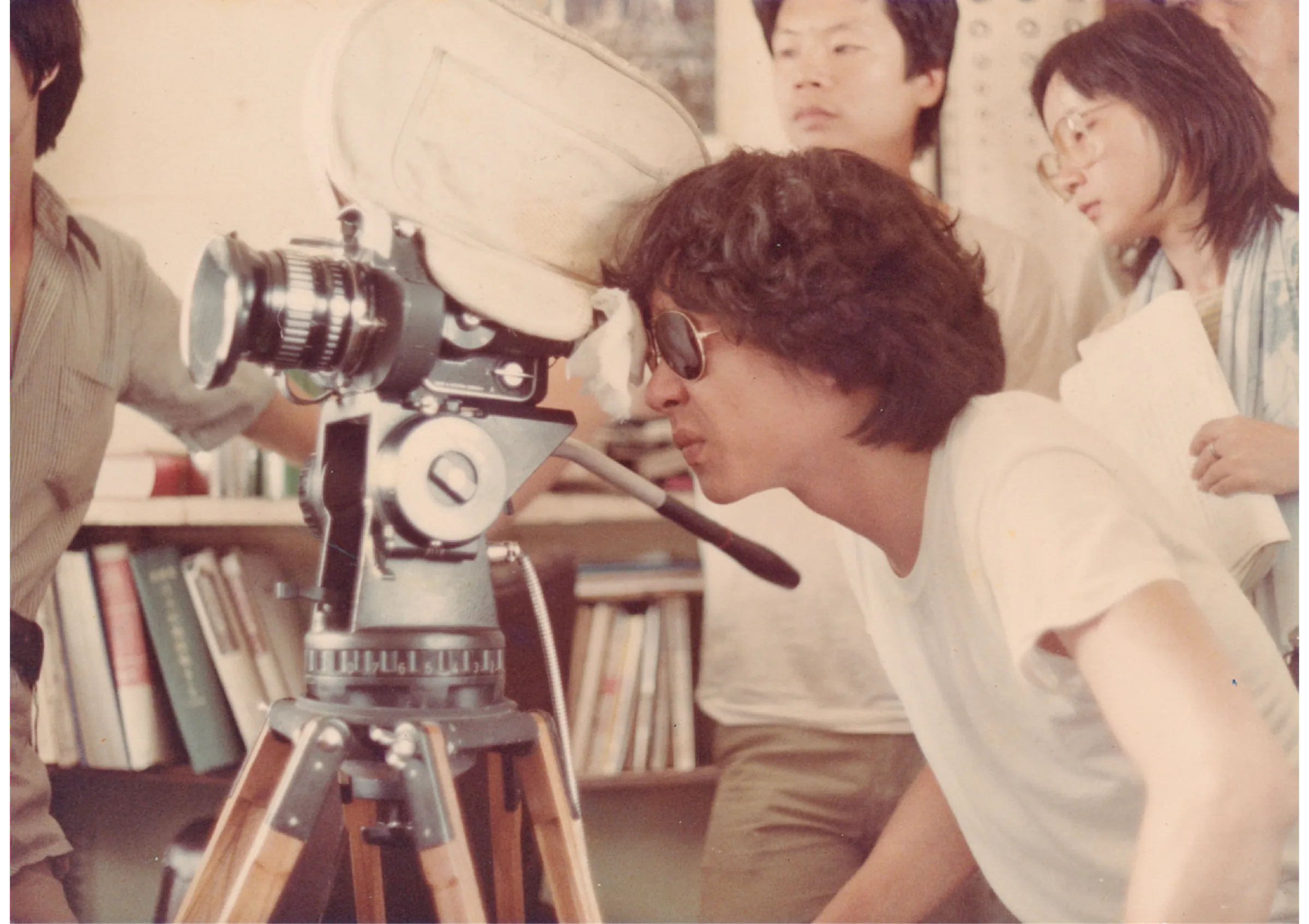
In the early 1980s, Edward Yang, who had just joined Central Motion Picture Corporation, wore a T-shirt printing "Herzog, Bresson, Yang," placing himself behind two masters. This man, who gave up his job as a US submarine engineer and returned to Taiwan in his early thirties to study filmmaking, later became the first Taiwanese to win Best Director at Cannes—yet his film *Yi Yi* was not screened in Taiwanese cinemas for seventeen years. He used the coldest methods to film the back of our heads, the part we dare not face.
In 1930, a辩士 (benshi) stood beside the screen in a theater, improvising Mandarin and Taiwanese commentary for silent films; ninety years later, Cape No. 7 brought five languages back to the screen together. The Taiwanese-language film industry was once the world's third-largest producer of feature films, yet it was strangled to death. In the years when the New Taiwanese Cinema won the Golden Lion in Venice, the box office share of local films in theaters dropped to just 0.36%. Local cinema is not a straight line from bad to good; it is a history repeatedly declared dead, only to come back to life.

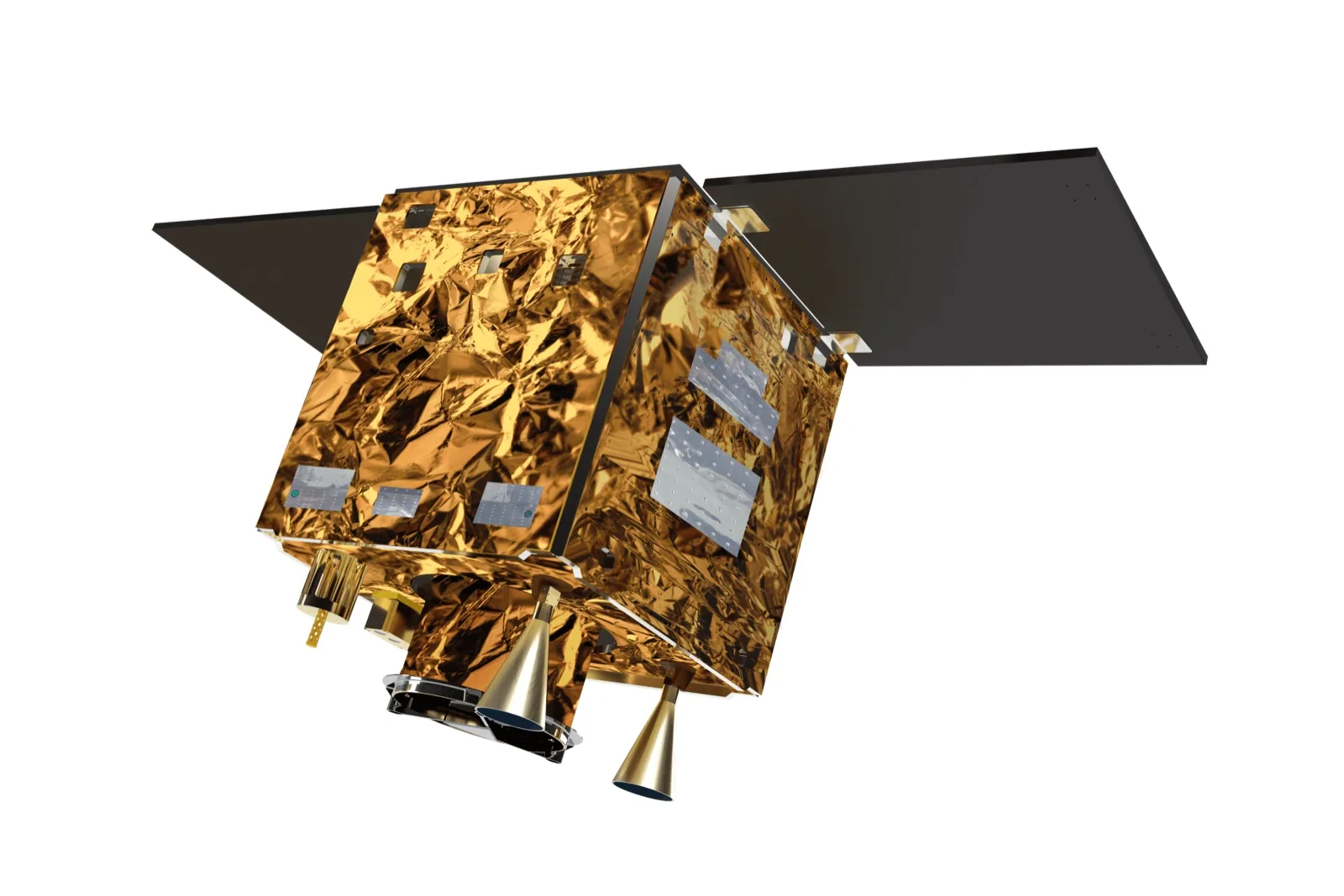
In 1991 it was called a preparatory office: no name, no rocket, no land of its own. Thirty-two years later, it put Taiwan back into its name. Today, its control center in Hsinchu tracks the heartbeat of nine satellites around the clock; on the day of the April 3 Hualien earthquake, it reset its mission six minutes after the quake and acquired imagery within three hours. It is now filling in the final missing parts: an orbital rocket of its own, and an approved lunar mission that could launch as early as 2028.
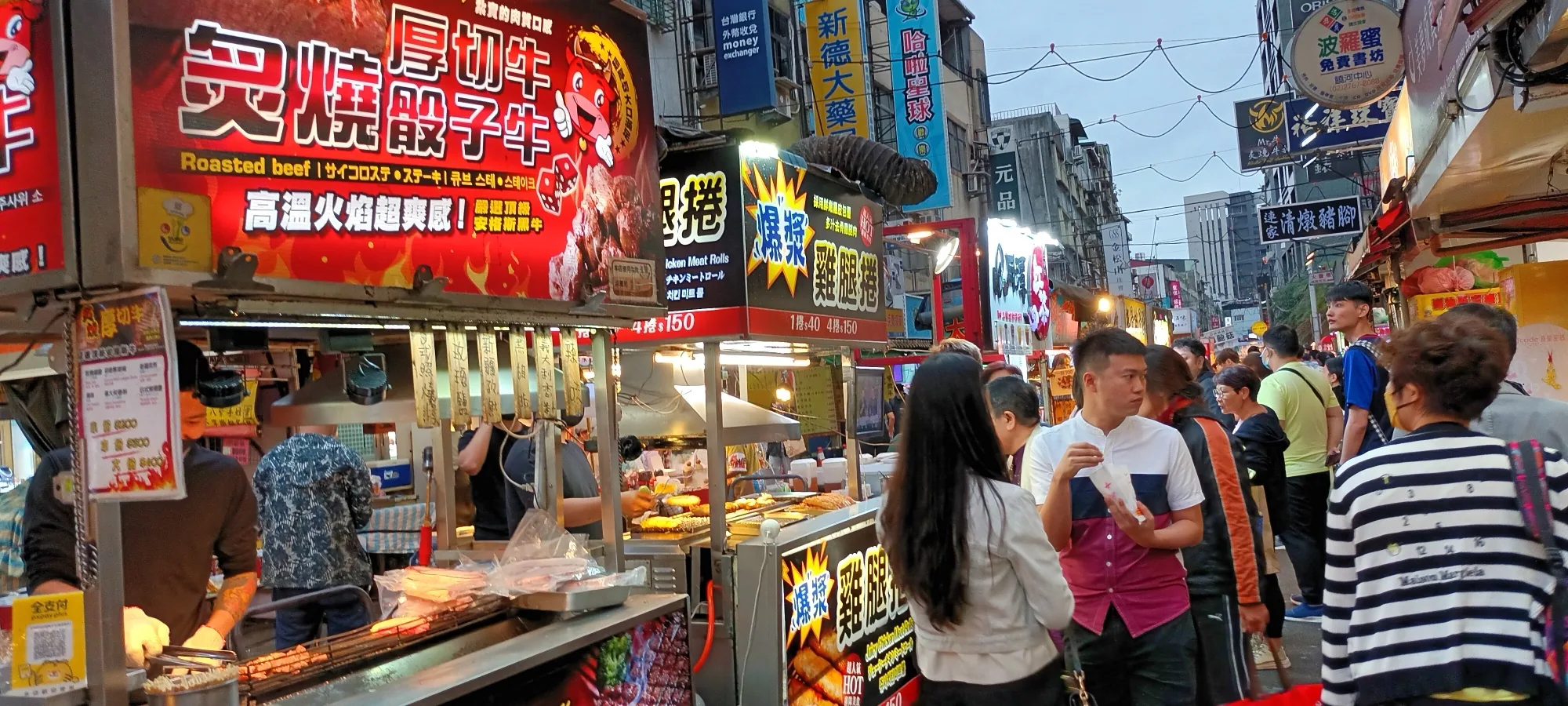
Beside the Chiayi Fountain roundabout in 1949, Lin Tien-shou sliced chicken, laid it over white rice, and poured Minnan-style braising sauce on top; only after the U.S. military stationed in postwar Taiwan moved into Shuishang Air Base and brought large numbers of turkeys to Taiwan did this bowl evolve from chicken rice into turkey rice. From Indigenous slate-grilled wild boar, Hakka stir-fried pork intestines with shredded ginger, and military dependents' village Sichuan-style beef noodles to bubble tea invented in Taichung in 1986, and onward to the 419 restaurants included by Michelin in 2025. This island spent four hundred years cooking every borrowed dish into its own form.
From 4 recurring donors to 8,000 each month, from the Blood-Stained Fishing Grounds trilogy to the 2026 united-front special report, the costs The Reporter has burned through over a decade--eight months undercover, reporting across three countries, comparing years of violation records--are exactly the things people least want to pay to read in the algorithmic age. Taiwan's civil society, through monthly deductions from strangers' accounts, has rescued investigative journalism from a line of business in commercial media and turned it into a public good that is constantly being sustained, even as it burns through resources ever faster.

In 1997, Taiwan was Asia's second-largest record market, and 80 percent of all Mandopop songs were produced here. By 2005, output value had fallen to one-quarter of its former size, the market had been overtaken by China, and even Jay Chou at his peak sold only 300,000 copies per album. When songs elsewhere can be silenced over one lyric, one flag, or one taboo, this island that lost the battle of scale turned the very question of "whether something can be sung" into its last and hardest bargaining chip.
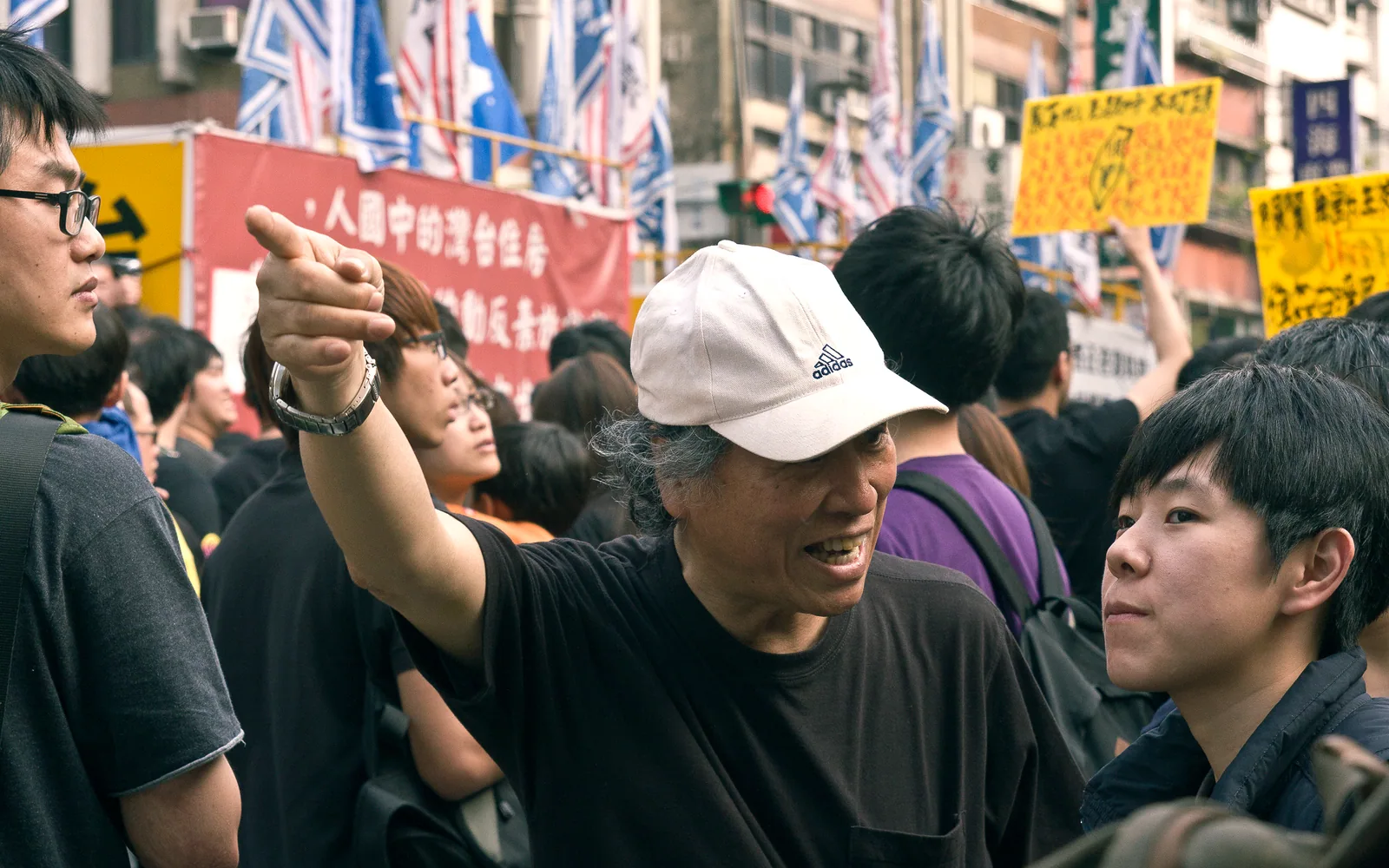
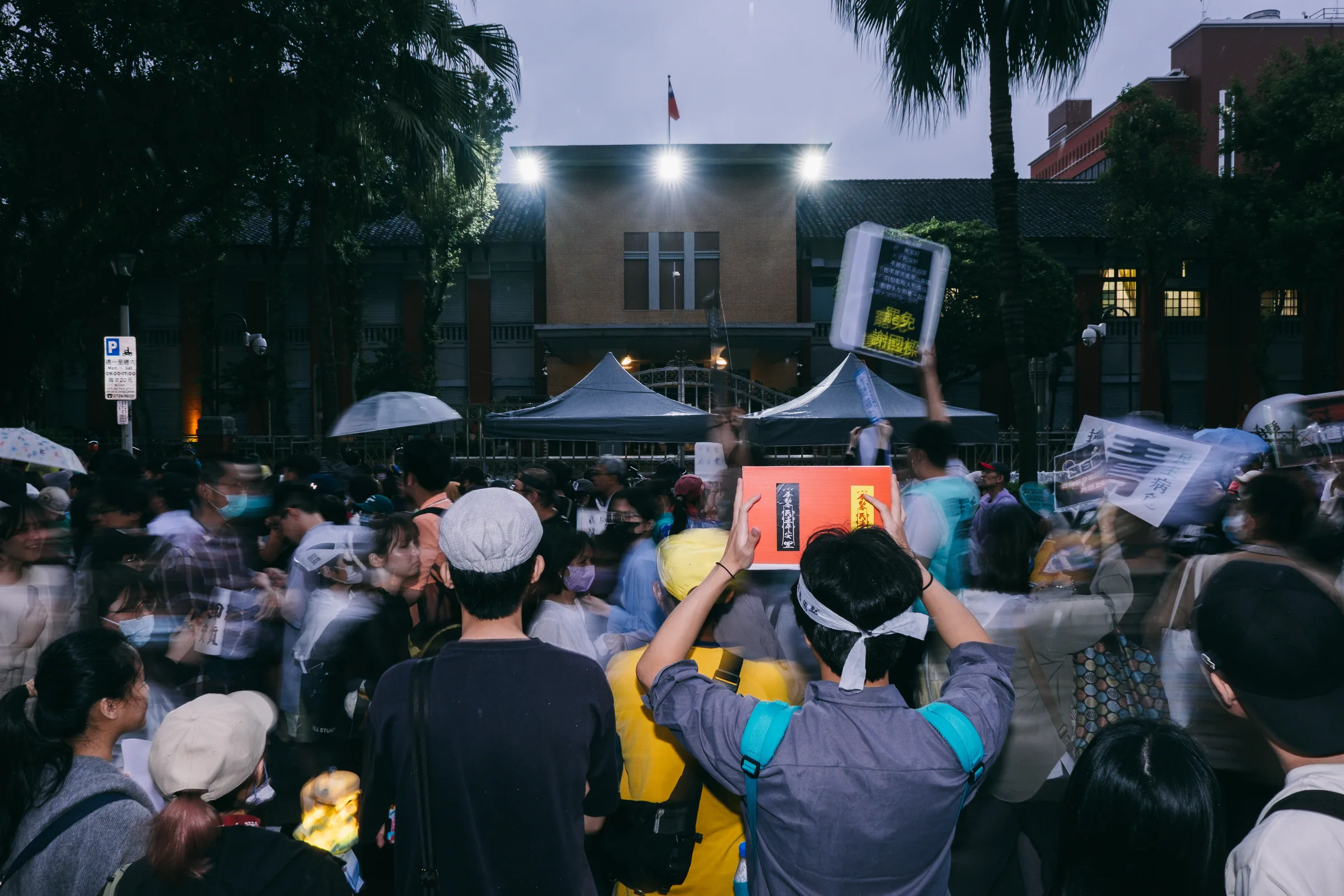
On the night of July 26, 2025, one-third of Taiwan’s electoral districts held simultaneous vote counts. All 25 recall cases failed. From the Bluebird Movement to claims of over 1.3 million signature supporters, and three waves of voting resulting in zero recalls, this largest recall wave in Taiwan’s history did not remove a single official, yet for the first time, it measured the mobilization energy, the height of the threshold, and the cost of polarization simultaneously.
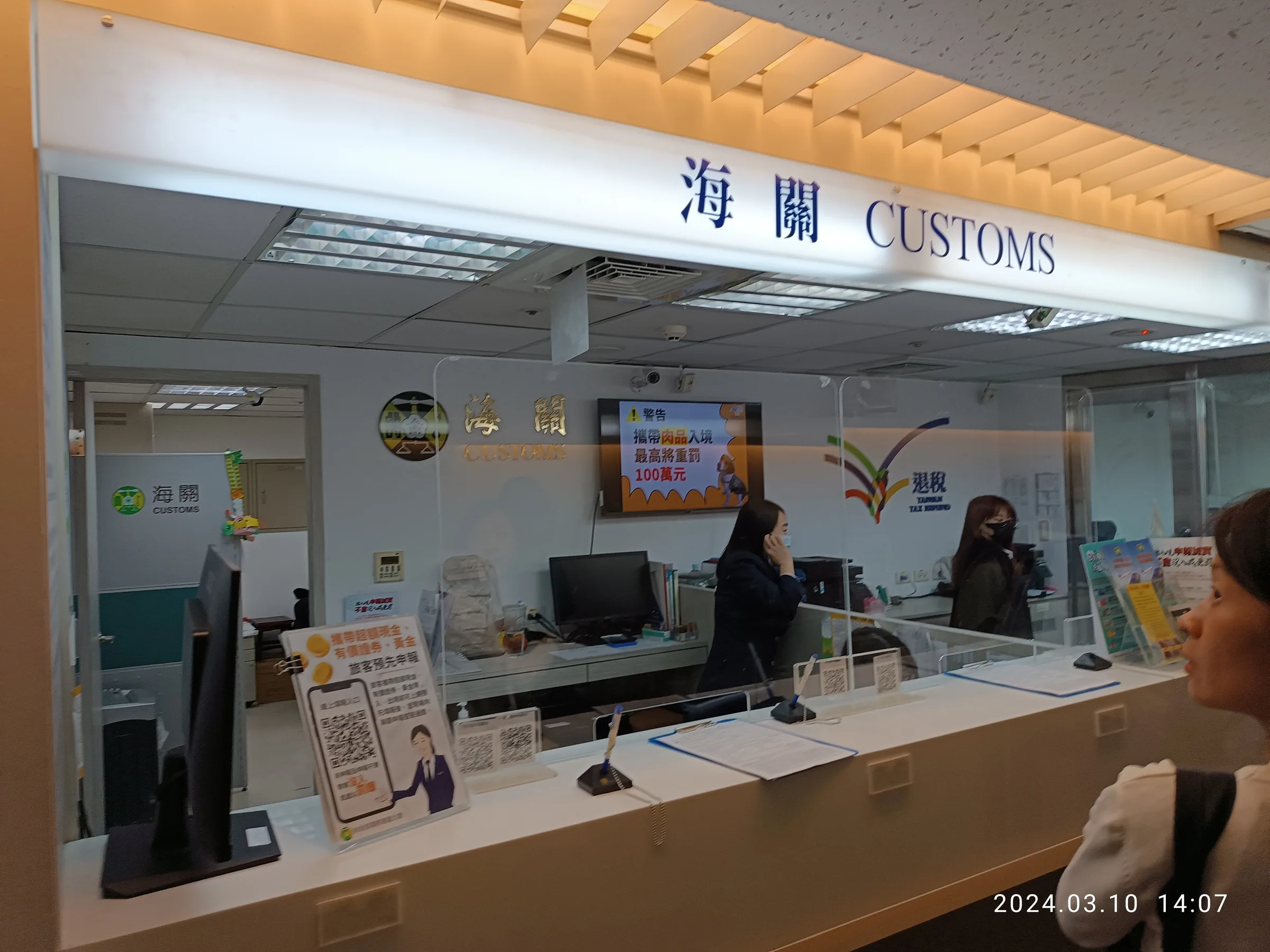
Your phone vibrates with a push notification containing an incomprehensible product name. You tap 'Declaration Matches', legally completing a customs declaration entrustment. 7.59 million people in Taiwan have registered for this app. After a post went viral in August 2026, many people first checked who operates it: Customs and Immigration Bureau, where the Ministry of Finance holds 36.11% and state shares are less than half. At the same time, the government proposed for the second time to lower the NT$2,000 tax-free threshold. Who pays the bill for this convenient shortcut, and who has been unable to speak up from beginning to end?
Most-read articles over the past 7 days.
Taiwan spent 30 years trying to abolish its brutal university entrance exam system, only to see cram school enrollments double in 2022. How an island repeatedly experiments with balancing exam pressure and educational equity.
The shocked expressions of foreigners when they hear Beethoven blasting from garbage trucks — behind them lies Taiwan's magical transformation from 'Garbage Island' to an environmental model
Taiwan.md is open-source — anyone can contribute an article, fix a fact, or translate a page.