
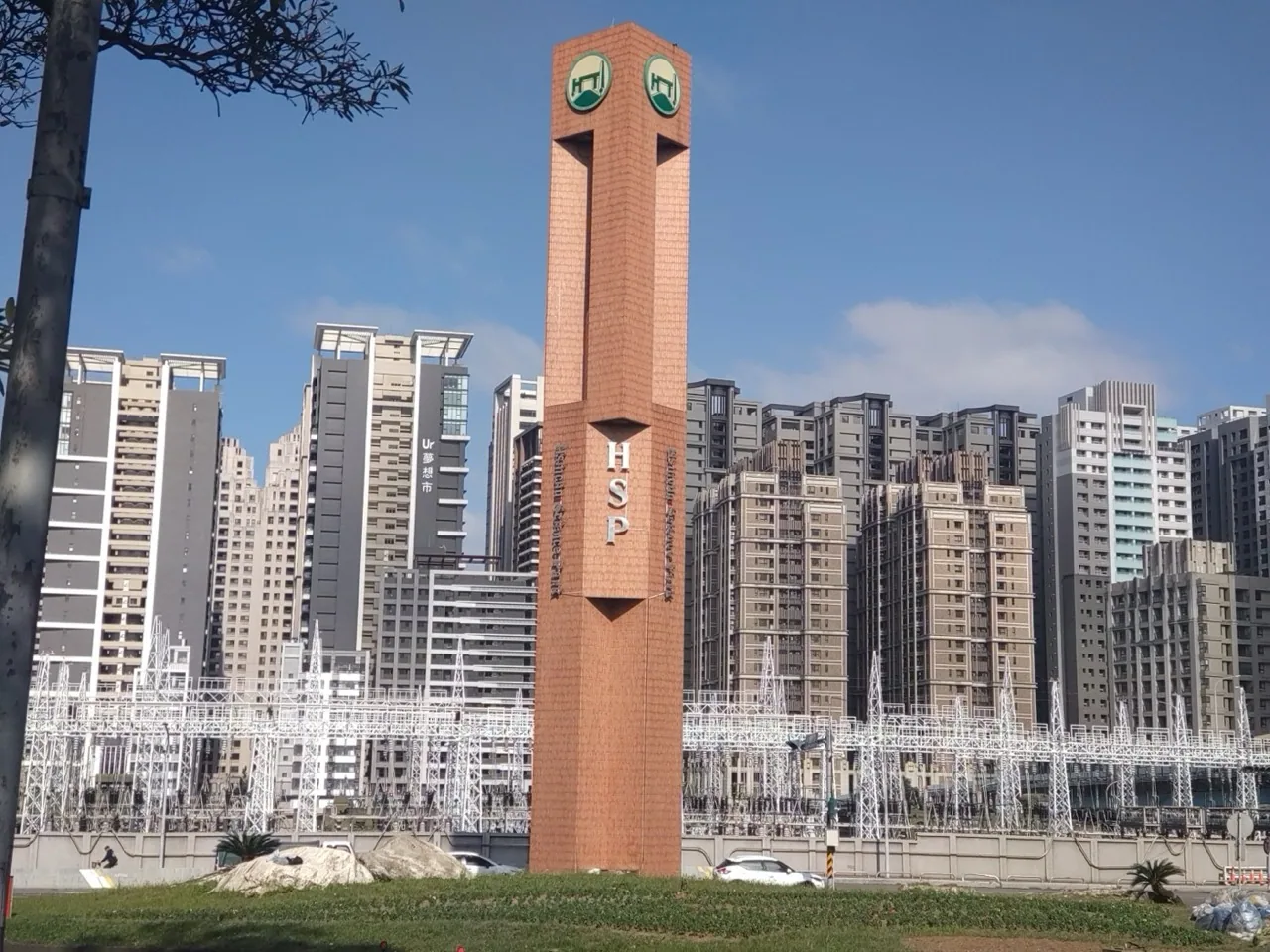
30초 개관: 2025년 6월 13일 개봉한 《조산자》는 5년, 80여 명의 인터뷰 대상자, 수천만 타이완 달러의 제작비를 들여, 타이완 반도체를 1974년 샤오신신더우장뎬(小欣欣豆漿店)의 조찬 회의에서부터 2025년 웨이저자(魏哲家)가 백악관으로 걸어 들어가는 장면까지 이야기한다1. 그러나 원래 제목은 《실리콘 실드(矽盾)》였다 — 이후 중국에도 공장을 둔 타이완 반도체 기업 어느 곳도 건너편으로부터 "방패"로 상상되기를 원하지 않는다는 이유로 개명이 권유되었다2. 타이완 반도체의 대체 불가능성을 선언하는 이 서사시는, 제목에서 가장 날카로운 한 글자조차 먼저 깎아내야 했다. "실리콘 실드"는 작품 속 한 줄의 내레이션으로 물러나고, 제목은 《조산자》가 되었다.
신이구(信義區) 극장 마지막 줄의 마스크 쓴 사람
2025년 6월 26일 저녁, 타이베이 신이구의 한 영화관. 마스크를 쓴 노부부가 사비로 표를 사 입장하여 마지막 줄 자리를 골랐다. 엔딩 크레디트가 올라가고 조명이 켜질 때까지 아무도 그들을 알아보지 못했다3.
94세의 장중머우(張忠謀)는 천천히 통로를 따라 내려와, 마스크를 쓴 채 두 손을 높이 들어 관객을 향해 흔들었다4. 드문드문 박수가 시작되더니 곧 장내 전체의 박수로 번졌다. 그는 앞줄 앞에 서서 모두에게 인사했다4. 샤오쥐전은 현장에 있었다. 훗날 그는 자신의 심정을 "긴장되고 흥분되었으며, 물론 약간의 상실감도 있었다"라고 묘사했다5. 상실감의 까닭은 두 가지였다. 이 TSMC 창업자는 영화 안에 정면 인터뷰 컷이 하나도 없다. 그리고 그는 자신이 세운 회사에 관한 이 서사시 앞에, 인터뷰 대상자가 아닌 한 관객으로서 나타나는 길을 택했다.
📝 큐레이터 노트
텍스트의 가장 감동적인 순간은 종종 텍스트 바깥에서 일어난다. 《조산자》의 스크린에는 장중머우의 인터뷰가 없다 — 그러나 이 작품의 진정한 클라이맥스는, 엔딩 조명이 켜질 때 창업자 본인이 극장 마지막 줄에서 일어서는 장면이다. 텍스트는 스크린 밖으로 넘쳐 흐르고, 부재한 주인공은 "관객"이라는 신분으로 자신을 되꿰매어 들인다.
샤오쥐전은 페이스북에서 왜 장중머우의 인터뷰가 없는지를 직접 밝힌 적이 있다. "한두 해 노력했지만 그는 책 쓰는 일로 바빴다", "TSMC가 촬영에 둔 제한도 물론 겹겹의 방어막이었다"6. "책 쓰는 일로 바빴다"는 것은 그가 7년을 들여 집필한 자서전 하권을 가리킨다 — 1964년에서 2018년까지, 약 20만 자, 2024년 11월 29일 톈샤원화(天下文化)에서 출간되었다7. 1998년 상권으로부터 꼭 26년이 지난 시점이다. 하권은 2024년 말에 이미 출간되었지만, 《조산자》는 이듬해 6월에야 개봉했다. 다시 말해 촬영 기간 내내 그는 실제로 집필 중이었다. 그러나 마침내 그가 영화를 볼 시간이 났을 때, 작품은 이미 편집을 마쳤고, 멀티 카메라로 측면에서 잡아낸 보충 촬영의 윤곽도 이미 끼워 넣어진 뒤였다. 샤오쥐전은 "멀티 카메라 보충 촬영"이라는 기법으로 정면 취재의 부재를 우회했다. 공개 행사에서 여러 차례 카메라를 측면에 두고, 장중머우가 공식 석상에 모습을 드러낸 장면을 작품에 엮어 넣어, 그를 작품 속에 "인터뷰된" 존재가 아니라 "카메라에 잡힌" 존재로 자리매김했다4.
깎여 나간 그 한 글자
"실리콘 실드(矽盾)"라는 말은 원래 이 작품의 제목이었다.
샤오쥐전은 처음에 《실리콘 실드》라는 제목으로 후원 신청서를 제출했다. TSMC 문교기금회는 기획서를 받은 뒤 이 단어를 피할 것을 권유했다8 — 이유는 중국에도 공장을 둔 타이완 반도체 기업 어느 곳도 건너편으로부터 "방패"로 상상되기를 원하지 않기 때문이다2. 샤오쥐전은 이를 받아들였다. 제목은 《조산자》로, 영문 제목은 A Chip Odyssey 가 되었다. "실리콘 실드"는 작품 속 한 줄의 내레이션과 배경적 자리매김으로 물러났다.
⚠️ 이견 있는 견해
같은 기금회 내부에서도 "실리콘 실드"에 반대하는 목소리는 하나가 아니었다. 이사인 천젠방(陳健邦)은 공개 석상에서 더 격하게 말했다. "실리콘 실드라는 말은, 타이완인들이 더 이상 쓰지 않기를 권한다", "경제적 안정이 국가 안보를 보장할 수 있다고 생각한다면, 우크라이나를 보면 안다, 이 명제는 성립하지 않는다"9. 천젠방이 한 말은 이 단어 자체를 타이완인들이 계속 써야 하는가에 관한 것이지, 영화 제목과는 무관하다. 그는 TSMC의 미국 진출을 "사당의 분령(分靈)"에 비유했다. 따라서 개명을 단순히 "침묵당했다"로 읽을 수는 없다. 사실에 더 가까운 것은, TSMC 측이 능동적으로 "방패"라는 함의를 걷어내는 쪽으로 기울었다는 점이다. 가늠하기 그 자체가 모순이 자리한 곳이다.
통설은 이를 자기 검열로 읽지만, 그 읽기는 너무 손쉽다. 너무 손쉬워서 인과를 거꾸로 뒤집어 버린다. 검열은 보통 "말해서는 안 된다"이지만, 이 사안은 "말하면 어떻게 되는지를 먼저 찬찬히 생각하자"였다. 전자는 억압이고, 후자는 정치적 판단이다 — 한 섬이 자신의 가장 강력한 카드를 자랑할 때, 건너편이 어떻게 들을지를 먼저 가늠하는 것이다. "실리콘 실드"라는 말이 이 작품에서 사라진 것은 아니다. 내레이션과 자리매김의 형태로 작품 속에 남아 있고, FPRI 필라델피아 회장과 주미 TECO 통보도 여전히 "Silicon Shield"로 본 작품을 소개한다10. 바뀐 것은 제목이라는 한 층뿐이다 — 즉 관객이 매표 사이트, 포스터, 자막에서 첫눈에 보는 그 층이다.
이로써 "조산자"라는 세 글자는 새로운 기능을 떠맡았다. 초점을 "우리는 누구를 막고 있는가"에서 "우리는 무엇을 만들고 있는가"로 옮긴다. 다른 표현 방식, 그것의 정치적 비용이 더 낮다. 가늠하기 자체가 타이완 처지의 축소판이다. 금지될 필요가 없다. 발언하기 전에 한 번 더 생각하도록, 스스로 학습하게 된다.
CNEX 공식 채널의 중국어 예고편. "조산자(造山者)" 세 글자는 예고편의 마지막 1초에 떨어진다. 그 1초 전의 내레이션은 깎여 나간 "실리콘 실드"라는 단어를 여전히 말하고 있다.
카메라를 TSMC에서 떼어 내다
"실리콘 실드"를 빼는 것이 뺄셈이라면, "조산자"는 덧셈이다.
샤오쥐전은 5년 동안 80여 명의 선배 세대를 인터뷰했고11, 의도적으로 카메라를 TSMC에서 떼어 냈다. 스크린 위 "제1 남자 주연"은 공업기술연구원(ITRI, 工研院) 전 원장 스친타이(史欽泰) — RCA 불씨 부대의 일원이며, 이후 ITRI 시범 공장 공장장을 역임하며 타이완 최초의 상용 IC 칩 CIC0001을 만들어 낸 인물이다12. 샤오쥐전은 이 구조 선택을 직접 이렇게 묘사한다. "여러분이 역사를 만들었으니, 제가 역사를 남기겠다"13.
✦ "영화의 핵심 서사는 공업기술연구원 전 원장 스친타이의 발자취를 따라 전개된다. 당시 RCA 프로젝트의 핵심 일원이자 이후 ITRI를 이끈 인물로서, 그의 이력 자체가 타이완 반도체 산업의 축소판이다."14
곁에는 MediaTek의 차이밍제(蔡明介), UMC의 두쥔위안(杜俊元), TSMC의 쩡판청(曾繁城), Macronix의 루즈위안(盧志遠), 린번젠(林本堅), 장상이(蔣尚義), 스민(施敏), RCA의 양딩위안(楊丁元) — 서로 다른 회사, 서로 다른 세대, 서로 다른 산업의 마디에 속한 이름이 길게 이어진다15. 익명의 1세대 여성 작업자들도 있다. "웨이퍼를 떨어뜨려 깨뜨릴까 봐 너무 무서웠다, 몇 달 치 월급으로도 변상하지 못할 수 있었으니까", "평생 처음 산 차는, UMC 주식 여덟 장을 팔아서 마련한 것이었다"16. 그들은 카메라 앞에서 보이지만, 이름이 부여되지는 않는다.
스친타이는 작품 속에서 "매우 감동했다, 울지 말자고 계속 생각하고 있었다"라고 말한다17. 쩡판청은 5월 신주 시사회에서 또 다른 한 구절을 했다. "과거에는 노력만 하면 반드시 성공했다, 걱정되는 것은 미래에 어떻게 균형 잡힌 안정적 환경 속에서 계속 진보해 나갈 것인가이다"18. 두 사람의 어조는 조금 다르다. 하나는 돌아봄, 하나는 경고. 샤오쥐전은 자신의 자리를 이 둘 사이에 놓는다 — "나는 '성공'을 찍고 싶었던 것이 아니다, 오히려 모두가 우환을, 우환 속에서 태어나 역경을 마주하는 용기를 보기를 바랐다"19.
"조산자"는 그래서 의도적으로 복수형으로 처리된다. 그것은 탈중심화된 헌사의 한 층이다.
그러나 미디어의 스포트라이트는 말을 잘 듣지 않는다. 샤오메이친(蕭美琴)은 6월 관람 후 인사말을 했고, 차이잉원(蔡英文)은 8월에 흥행 수입이 NT$2,500만을 넘었을 때 극장에 들어갔으며20, 장중머우 본인은 6월 26일 사비로 관람했다3 — 이 장면들은 모두 초점을 신속히 장중머우 한 사람에게로 거두어들였다. 제목은 조산자가 여러 명, 여러 산이 있음을 말해 주지만, 프레임 밖 영웅 숭배의 중력은 여전히 산들을 같은 방향으로 끌어당긴다. 이 끌어당김을 작품 자신도 잘 알고 있다.
한 사람의 1천만 원을 받지 않다
CNEX 공동 창업자인 장셴빈(蔣顯斌), 융다 엘리베이터(永大電梯) 창업자의 아들이자 MOXA 집행이사인 천톈순(陳添順) — 이 작품의 두 프로듀서다21. 천톈순은 이 작품을 위해 한 가지 재무 규율을 세웠다. "한 사람의 1,000만 원보다, 열 사람의 100만 원이 낫다, 후자가 가져오는 영향력과 반향이 더 크다"22.
전 작품 제작비는 수천만 원 규모, 자료 영상 라이선스(할리우드 영화 《위험한 정사》 클립 포함) 비용도 만만치 않았다23. 그러나 샤오쥐전, 천톈순, 장셴빈은 합의에 도달했다. 창작의 자율성을 보존하기 위해, 촬영 자금은 단일 기업의 출자가 아니라 다방면의 기부와 후원으로 대체한다23. 편집은 감독과 네 번째로 협업하는 천보원(陳博文), 영화 음악은 린창(林強, 임강), 《밀레니엄 맘보》, 《부산(不散)》의 전자 음악으로 타이완 영화의 사운드 좌표를 남긴 그 사람이다24.
💡 알고 있나요
이 작품의 발단은 어떤 공식적 위촉도 아니다. 2019년, 장셴빈과 샤오쥐전은 1976년 RCA 기술 이전 프로젝트 총 책임자 후딩화(胡定華)의 추도식에 참석했고, 돌아오는 길에 이 소재를 확정했다25. 후딩화는 작품의 촬영 개시를 보지 못하고 떠났다. 5년 뒤 개봉할 때, 타이완 영화사 다큐멘터리 흥행 톱 5에 새겨진 그 기록 안에는, 그의 추도식에서 심어진 결정이 새겨져 있다.
그러나 독립 창작의 규율에도 그 나름의 경계가 있다. 외교부장 린자룽(林佳龍)은 6월의 인사말에서 "다국어 버전 제작을 지원하여 재외 공관이 보급할 수 있도록 하겠다"고 공개적으로 약속했다26. 해외 순회는 거의 모두 재외 공관(TECO)과 TSMC 공장 소재지의 축을 따라 진행된다. 필라델피아 FPRI 회장은 TECO NY가 후원하고 영어 더빙판을 제공10. UCLA 회장은 TECO LA가 공동 주최했으며, 행사 문구에 직접 "타이완의 실리콘 실드와 호국신산의 배후에 자리한 이야기와 정신을 더 깊이 이해하도록 한다"고 적혔다27. 애틀랜타 풀턴 카운티 공공도서관 회장은 5월 21일, 주재처장 린주언(林主恩), 풀턴 카운티장 Robert Pitts, 조지아주 하원의원 Karen Lupton이 함께 상영 후 좌담회에 올랐다28.
자금의 독립, 순회의 외교 궤도 편승 — 이 사이의 긴장을 정면에서 비판한 사람은 아무도 없지만, 긴장은 거기에 있다. 의도적으로 단일 기업의 출자를 거부한 다큐멘터리가 결국 재외 공관의 네트워크 속에서 상영 통로를 찾아냈다. 창작의 자율성을 위해 분산시킨 자금원이 결국 국가 기구가 자연스레 내미는 손을 받아 들였다. 이 두 가지는 서로 배타적이지 않지만, 동시에 사실이다. 샤오쥐전은 또 다른 종류의 압력에 이렇게 응답했다. 그가 돈을 받고 프로파간다 영화를 찍은 것이 아니냐고 의심하는 사람도 있었고, 작품 안에 정치인이 등장하는 것을 보자마자 라벨을 붙이는 사람도 있었다29. 그의 답은 이러했다. "그러나 나는 역사로 돌아가, 내 관점에 책임을 질 수밖에 없다. 역사에서, 헌신했고 기여한 사람이 있다면, 우리는 어떤 이유로도 그를 가리거나, 등장하지 않게 하지 않는다"29.
난양제(南陽街)에서 애리조나까지
작품의 시간 순서는 1974년 2월부터 시작된다.
타이베이 난양제 40호, 샤오신신더우장뎬에서 열린 7인 조찬 회의30 — 행정원 부원장 페이화(費驊), 경제부장 쑨윈쉬안(孫運璿), 교통부장 가오위수(高玉樹), 공업기술연구원장 왕자오전(王兆振), 전신연구소장 팡셴치(方賢齊)와 부소장 캉바오황(康寶煌), RCA 연구개발 주임 판원위안(潘文淵)31. 샤오쥐전은 이 장소를 찾는 데 7개월 넘게 걸렸다. "솔직히, 사람만 찾으면 두렵지 않았다", "(내가 찾은 것은) 7개월 넘는 시간, 그것이 영화의 6, 7분에 응축되었다", "물론 자존심이 상했다, 타이완이 너무하다고 생각했다, 겨우 50년인데, 200년 된 유적을 찾는 것도 아닌데!"32
판원위안은 이어서 위안산 호텔(圓山大飯店) 508호실에 2주간 칩거하며, 반도체 산업을 추진하는 "만언서(萬言書)"를 써 냈다33. 샤오쥐전은 같은 방을 빌려 그 2주의 "역사 현장"을 촬영했다33. 그가 "역사 현장"이라는 네 글자로 말하는 것은 고고학적 의미의 시간에 대한 태도다 — 그에게 이 섬의 현대사는 마치 너무 많이 밟혀 얇아진 흔적과 같아서, 사람들이 아직 있을 때 쪼그려 앉아 자세히 봐 두어야 한다.
✦ 50년의 산업사는 짧고, 샤오쥐전이 당사자들을 찾아간 발걸음은 역사보다 더 짧다. 그러나 그는 안다. 이 몇 분 컷의 배후에 있는 7개월이 이 작품의 가장 얇은 곳이자, 가장 두꺼운 곳이라는 것을.
1976년, ITRI는 미국 RCA와 집적회로 기술 이전 라이선스 계약을 체결했다34. RCA에 처음 파견된 19명은 양딩위안이 총 인솔자 겸 뉴저지 지역 인솔자를 맡았다. 6개월 뒤, 그들이 운영한 ITRI 시범 공장의 수율은 70%에 달해, 기술 이전 본사인 RCA의 50%를 크게 넘어섰다34. 1980년 UMC 설립, 1985년 장중머우는 타이완으로 돌아와 공업기술연구원장으로서 VLSI 계획을 제안했고, 1987년 행정원 개발 기금, 네덜란드 필립스, 민간이 공동 출자하여 TSMC를 창립하면서 순수 파운드리 모델을 세계 최초로 세웠다35. 1990년대에는 린번젠이 액침 노광을 추진했다. 2025년 3월 3일, 웨이저자는 백악관으로 걸어 들어가, 미국에 최소 1,000억 달러 추가 투자, 5개의 웨이퍼 공장 건설을 발표했다1.
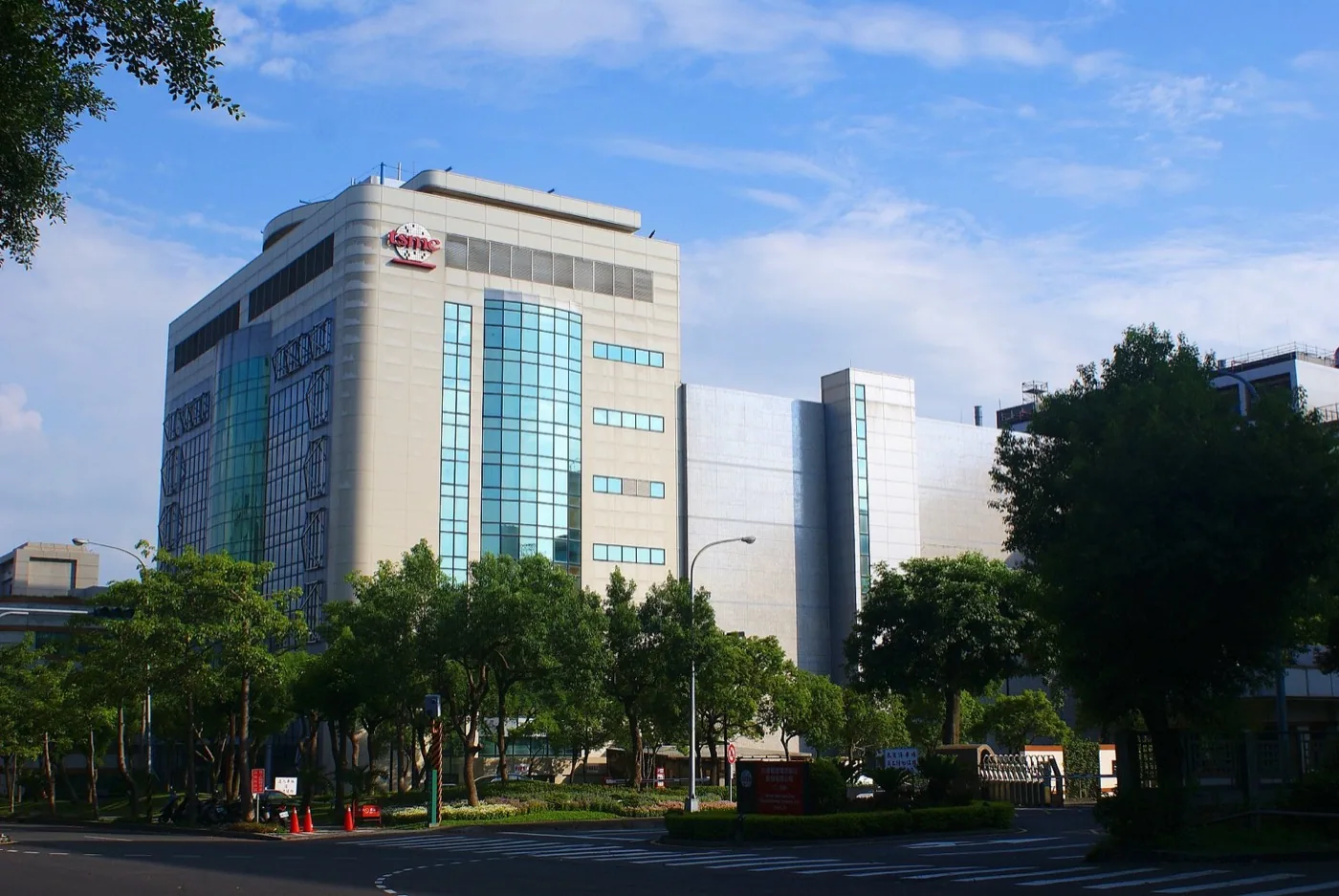
신주 사이언스 파크 TSMC Fab 5 공장, 2010년. 작품의 시간 축은 1974년 샤오신신더우장뎬에서 시작해 이 광복로 변, 《조산자》가 스크린에서 반복해 찾아가는 공장 군까지 뻗어 나간다. Photo: Peellden. CC BY-SA 3.0 via Wikimedia Commons.
이 50년의 시간 축은 PowerPoint 항목 나열로 서술되지 않는다. 샤오쥐전은 그것을 구체적 장면을 통해 통과시킨다. 샤오신신더우장뎬의 조찬 회의, 위안산 508호실의 만언서, 뉴저지주 RCA 공장의 불씨 부대, 신주 사이언스 파크, 애리조나 Fab 21 공사 현장의 항공 촬영. 매 정거장마다 보고 들어갈 수 있는 물리적 위치가 있다.
서사시, 송가, 그리고 우환 속에서 태어남
영어 평론은 매우 정확한 형용사를 썼다. unapologetically lionizes36.
Cinema Escapist는 2025년 11월의 영화평에서 《조산자》를 Chris Miller의 《Chip War》의 시각적 동반자로 자리매김했고, unapologetically lionizes 와 all of the individuals featured...are framed as self-sacrificing 라는 두 표현으로 본 작품이 타이완 반도체 선구자들을 영웅화한 방식과 자기 희생적 framing을 묘사했다36. 같은 평은 또한 타이완 이외 관객에게는 《Chip War》를 먼저 읽거나 Acquired Podcast를 듣고 본 작품을 보는 순서가 더 합리적이라고 권한다36.
이 평은 날카롭지만, 보지 못한 한 부분이 있다.
"unapologetically lionizes"는 작품 표면의 송가적 박자를 포착했지만, 샤오쥐전 자신이 미리 설정한 또 다른 축 — "나는 '성공'을 찍고 싶었던 것이 아니다"19 — 를 지나쳤다. 쩡판청의 그 구절 "과거에는 노력만 하면 반드시 성공했다, 걱정되는 것은 미래에 어떻게 균형 잡힌 안정적 환경 속에서 계속 진보해 나갈 것인가이다"18, 작품 속 노병들이 쑨윈쉬안의 그 구절 "오직 성공만 허락되고 실패는 허락되지 않는다"에 50년 동안 쫓겨 온 것, 퇴직한 여성 작업자가 웨이퍼를 떨어뜨릴까 봐 두려워한 그 월급의 이야기16 — 이것들은 모두 송가의 뒷면, 송가 아래의 발자국이다. 샤오쥐전은 이 작품을 "패를 덮지 않는다(不蓋牌)"고 표현한다29. 좋은 것도 나쁜 것도 모두 카메라에 남긴다는 뜻이다. 그가 겪은 정치적 압력, 당시 반도체 계획이 실제로 민의의 심의를 거치지 않은 것, 작품에 남겨 둔 "네덜란드 병"에 대한 우려37.
학계에는 또 하나의 더 날카로운 비판의 궤도가 있다. 2025년 발표된 논문 〈Taiwan's "Silicon Shield": Techno-authoritarian territories〉는 techno-authoritarianism 이라는 틀로 이 체제를 묘사한다 — law, transparency and democracy are compromised for national interest — 그리고 실리콘 실드 아래의 비용을 환경 악화, 식량 불안, 유독 산업 위험이라는 세 축으로 정리한다38. 이 논문은 《조산자》를 언급하지 않는다 — 실리콘 실드 자체를 수술대에 올린다. 이 논문을 이 작품과 나란히 놓고 읽으면, 스크린이 다루지 않은 음각이 분명히 보인다. 노동 비용, 물, 전기, 토지, 원주민.
신주에서 드레스덴까지
2026년의 국제 순회는 계속 굴러간다.
2026년 3월 17일, 도쿄 타이완 문화 센터의 무료 상영회39. 4월 9일, 일본 중의원 제1의원회관 — 일화의원간담회 회장 후루야 게이지(古屋圭司), 주일대표처 차이밍야오(蔡明耀) 부대표, 입법위원 허신춘(何欣純), 궈궈원(郭國文), 그리고 50여 명의 일본 의원과 대표가 국회의 회의실에 앉아 작품을 보았다40. 샤오쥐전은 인사말에서 이렇게 말했다. "타이완-일본 관계는 우호적이며, 매우 중요한 협력 파트너이기도 하다, 일본 국회와 같은 중요한 장소에서 다큐멘터리를 통해 타이완이 걸어온 과학기술 발전의 여정을 소개할 수 있다는 것은 매우 의미가 크다", "일본 국회에 들어선 것은 이번이 처음으로, 마음은 기쁨과 흥분이 함께였다", 작품은 이미 "약 15개국에서 상영되었다"40.
💡 알고 있나요
국경 또한 이 작품의 한 침묵의 맥락이다. 일본 중의원 제1의원회관에서 상영된 같은 해, 《조산자》는 조지아주 의원이 참석한 시립도서관, 주독일대표 구루이성(谷瑞生)이 인사말을 한 드레스덴 공과대학교, 주미대사 위다웨이(俞大㵢)가 참석한 조지 워싱턴 대학교에도 들어섰다 — 이 회장들은 마침 타이완 외교 승인 지도의 뒷면에 해당한다. 정규 외교 관계의 틈새에서 오히려 가장 밀도 높은 순회가 자라난다.
5월 20일, 필라델피아 Foreign Policy Research Institute (FPRI), TECO NY가 후원, 영어 더빙판, 사회자는 Shihoko Goto10. 5월 21일, 애틀랜타 풀턴 카운티 공공도서관 본관, 약 300명28. 5월 23일, 워싱턴 D.C. 조지 워싱턴 대학교, 주미대사 위다웨이가 참석, 150명 이상41. 5월 31일, 워싱턴 대학교 Northwest Film Forum, 프로듀서 장셴빈이 Q&A, 주최는 UW Taiwan Studies42.
CNEX 공식 채널 영문판 예고편 A Chip Odyssey Official Trailer. 이것은 국제 순회에서 사용되는 버전이다. 필라델피아 FPRI, 조지 워싱턴 대학교에서 드레스덴 ESMC 회장까지, 상영 전 이 예고편이 먼저 나온다.
6월 6일, 독일 드레스덴.
이 회는 의미가 다르다. 드레스덴은 TSMC 유럽 합작 공장 ESMC(TSMC + Bosch + Infineon + NXP)의 소재지다 — 웨이퍼 공장은 2026년 1월에 막 상량했고, 2027년 말 양산을 예정한다43. 230명의 산학관 지도자와 젊은 학생들이 회장에 앉아 있었다. 드레스덴 공과대학교 총장 Ursula Staudinger, ESMC 사장 Christian Koitzsch, 주독일대표 구루이성, Silicon Saxony 총경리 Frank Boesenberg 등을 포함한다44. Koitzsch는 상영 후 좌담회에서 한 단락을 말했다. "타이완 사회는 높은 포용성과 실무 정신을 보여 준다, 방향을 정한 뒤 신속히 행동으로 옮길 수 있다." "이러한 실행력이야말로, 지금 관료 체제에 묶여 있는 독일이 가장 배워야 할 점이다"44.
📝 큐레이터 노트
"실리콘 실드"라는 한 글자를 제목에서 깎아내야 했던 작품이, ESMC 공장 소재지에서 상영된다 — 이는 거의 이 섬의 지정학적 모순에 대한 시각적 은유다. 타이완은 자신의 반도체 생태계를 작센주로 "분령"한다. 분리되어 나간 보살이 원래의 사당으로 돌아와 제전에 참여하는 격이다. 그리고 원래의 그 사당은, 자신이 사당이라고 말하는 것조차 조심스레 해야 한다.
그 무렵 샤오쥐전은 이미 작품을 들고 15개국을 돌았다. 그는 이 순회가 얼마나 멀리 갈지 미리 정해 두지 않았다 — "3월 17일에는 도쿄에서 상영되었고, 5월에는 다시 드레스덴까지 이어졌다", 그는 더 가까운 표현 한마디를 했다. "이 작품을 다 찍고 나서, 나도 내가 조산자라고 느낀다, 비록 작은 모래알이라도, 조산 운동의 일부다"45.
두 다큐멘터리, 두 채널
2025년 6월 13일 이날, 타이완 극장가에는 동시에 두 편의 다큐멘터리가 걸렸다. 한 편은 《조산자》, 반도체를 이야기한다. 다른 한 편은 《보이지 않는 국가(看不見的國家)》, 민주를 이야기한다 — 미국 감독 Vanessa Hope(거징원, 葛靜文)이 7년에 걸쳐 찍었다46.
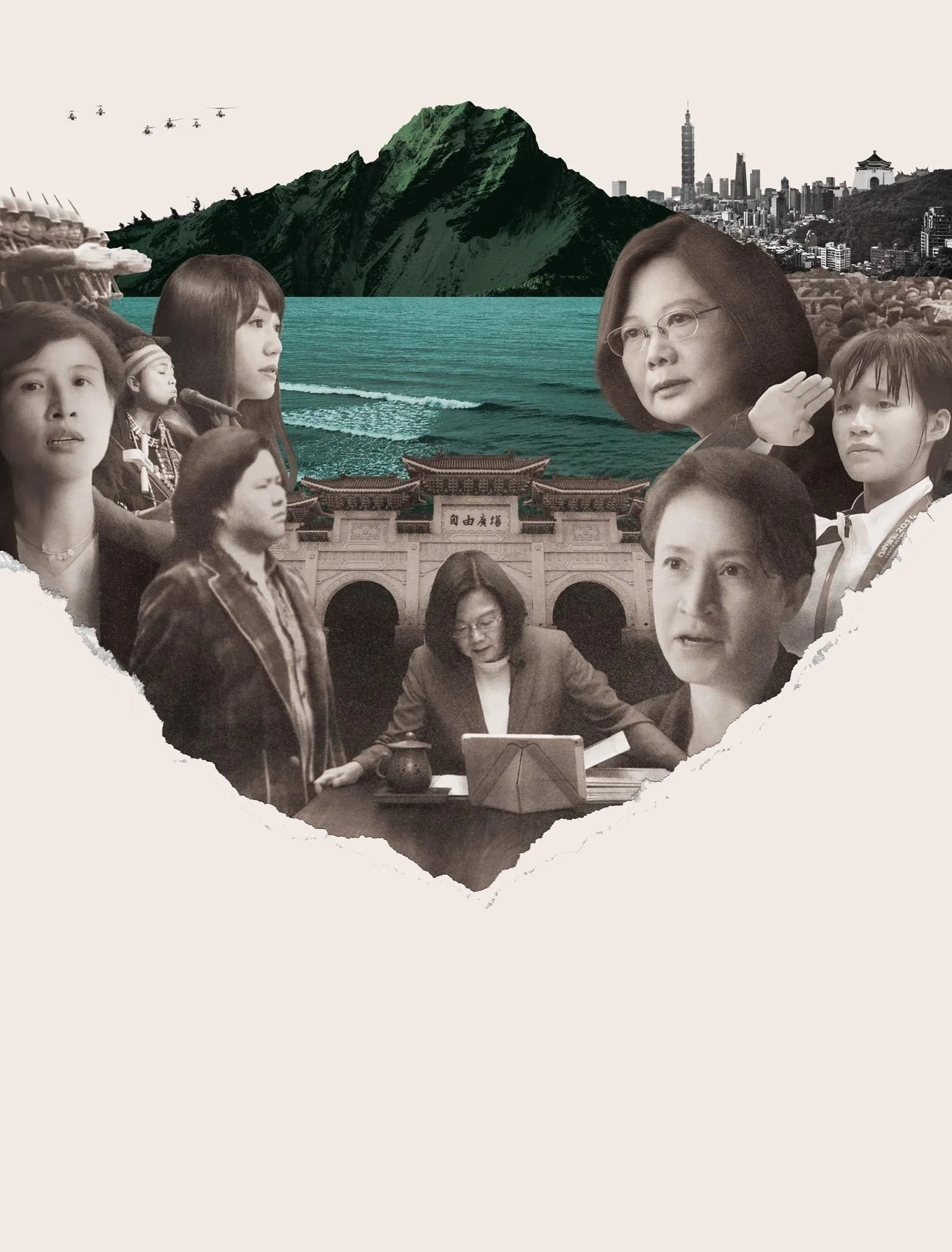
《보이지 않는 국가》 타이완판 포스터, 《조산자》와 같은 날 개봉. 한 편은 반도체로 타이완이 왜 대체 불가능한지 설명하고, 한 편은 민주로 타이완이 왜 보일 만한 가치가 있는지 설명한다 — 같은 섬, 두 서사축이 나란히 극장에 들어선다. Fair use editorial commentary on Invisible Nation (2023). 출처: 하이펑 영화사(海鵬影業)/invisiblenation.net.
두 편의 최종 흥행 수입은 모두 3,700만 원 안팎을 맴돌았다. 《보이지 않는 국가》는 약 NT$3,770만, 《조산자》는 약 NT$3,600만, 모두 타이완 다큐멘터리 영화사 톱 5에 진입했다47. 미디어는 "다큐멘터리 쌍웅"으로 나란히 불렀다46. 그러나 이 두 편은 사실 같은 처지의 두 채널이다. 한 편은 기술의 경로에서 "왜 타이완은 대체 불가능한가"를 설명하고, 다른 한 편은 민주의 경로에서 "왜 타이완은 보일 만한 가치가 있는가"를 설명한다.
그러나 두 편 모두 어떤 매개를 통해야 비로소 입에 올릴 수 있다. 《조산자》는 타이완 감독이 찍었지만, 제목에서 한 글자를 깎아내야 했다. 《보이지 않는 국가》는 미국 감독이 찍었지만, 외부인의 렌즈를 빌려야 비로소 국제 무대에 오를 수 있었다46. 같은 섬인데도, 자신을 자랑할 때는 어조를 바꿔야 하고, 자신을 소개할 때는 외부인의 입을 빌려야 한다.
샤오메이친은 6월 관람 후 이렇게 말했다. "이 작품이 더 중요한 점은, 하나의 신념, 우리가 역경 속에서 버텨 내도록 떠받쳐 주는 힘을 서술하고 있다는 것이다"48. "타이완의 생존도 마찬가지로 '오직 성공만 허락되고 실패는 허락되지 않는다'이다. 미래에 모든 사람이 각자의 전문 영역에서 조산의 정신을 견지하며, 어려움을 두려워하지 않고 계속 전진한다면, 타이완은 반드시 빠르게 변화하는 국제 정세 속에서 바람과 파도를 타고 굳건히 설 수 있을 것이라고 믿는다"48. 차이잉원은 8월 흥행 수입이 NT$2,500만을 넘었을 때, 천젠런(陳建仁) 부부와 함께 극장에 들어갔다. "이 작품의 제작에 매우 감사드린다, 감독과 프로듀서는 우리가 이 몇 해 동안 겪은 일들과 마주한 도전들을, 구조가 분명한 방식으로 보여 주었다, 여러분께 감사드리고 싶다!"49
두 인사말 모두 점잖고, 모두 이 작품을 국족 서사의 틀 안으로 끌어들였다. 그러나 이 작품 자신이 선택한 자리는, 인사말들보다 훨씬 더 겸손하다 — 샤오쥐전은 말했다. "이 작품을 다 찍고 나서, 나도 내가 조산자라고 느낀다, 비록 작은 모래알이라도, 조산 운동의 일부다"45.
조산자는 사실 그 자리에 없다
이야기는 다시 2025년 6월 26일 저녁, 신이구의 영화관으로 돌아간다.
94세의 장중머우 부부는 마지막 줄에서 작품 전체를 다 보았다. 엔딩 조명이 켜지자, 그는 마스크를 쓴 채 천천히 통로를 따라 내려와, 두 손을 높이 들고, 관객에게 손을 흔들었으며, 모두에게 인사했다4. 샤오쥐전은 현장에 있었다 — 5년 동안 그는 끝내 이 "조산자"의 핵심 인물을 정면에서 인터뷰하지 못했다. 마지막에는 이 핵심 인물 자신이 "관객"의 신분으로 작품 앞에 섰다.
✦ 서사시가 담아내지 못한 것을, 현실이 보충했다.
이 작품의 장력은 그렇게 한 바퀴를 돌아 원점으로 돌아온다. 인터뷰하지 못한 그 사람, 제목에서 깎여 나간 그 글자, 의도적으로 분산한 그 자금 — 그것들이야말로 이 작품의 진짜 척추다. 타이완 반도체 서사시에서 "우리는 한 산을 세웠다"고 말하기는 쉽다. 진정으로 말하는 그 더 꺼내기 어려운 일은 — 모두가 이 산을 바라보고 있을 때, 이 섬의 조산자들은 말할 수 있는 것과 말할 수 없는 것 사이 어느 지점에 자신을 위해 역사를 남기는 법을 배웠다는 것이다.
1년 동안 타오른 흥행 수치, 한 회 한 회 이어진 해외 순회, 부총통과 전 총통의 인사말, ESMC 사장의 칭찬 — 이것들은 모두 흩어져 갈 것이다. 그러나 그 저녁 마지막 줄에서 일어선 그 모습은 남는다. 그는 스크린 위로 걸어 올라간 것이 아니다. 그는 관객석에서 걸어 나온 것이다.
이 섬이 자신을 자랑할 때 건너편을 먼저 가늠하는 법을 배운 그 순간부터, 조산자 한 사람 한 사람은 사실 이미 관객이 되었다 — 자신이 세운 이 산이 남들에게 어떻게 말해지고, 어떻게 들리고, 어떻게 표를 사 들어가지는지를 바라본다.
관련 글:
- 반도체 산업 — 1974년 샤오신신더우장뎬 조찬 회의에서부터 2025년 웨이저자가 백악관으로 걸어 들어가기까지의, 타이완 웨이퍼 파운드리 산업의 완전한 맥락. 《조산자》의 시간 축 뼈대는 이 축에 접목되어 있다.
- 장중머우 — 카메라 앞에 앉지 않은 그 주인공, 그가 직접 쓴 하권은 영화 개봉 반년 전에야 출간되었다.
- 보이지 않는 국가 — 같은 날 개봉한 자매 다큐멘터리, 미국 감독 Vanessa Hope이 민주의 경로에서 "타이완의 가치"의 또 다른 채널을 잘라 들어간다.
- 과학기술 단지 발전 — 《조산자》 대다수 장면의 물리적 무대로서의 신주 사이언스 파크, 한 작은 도시의 도박에서 글로벌 공급망의 허브로 자라났다.
- 차이잉원 — 2025년 8월 흥행 수입이 NT$2,500만을 넘었을 때, 전 총통이 퇴임 후 천젠런 부부와 함께 극장에 들어가 작품을 관람하면서, 이 작품에 정치적 배경을 더해 주었다.
이미지 출처
이 글은 3장의 퍼블릭 도메인 / CC 라이선스 / fair use editorial commentary 이미지를 사용하며, 모두 public/article-images/에 캐시하여 출처 서버에 핫링크하는 일을 피한다.
- 신주 사이언스 파크 광복로 단지 정문 — Photo: T Gordon Cheng, 2025, CC BY-SA 4.0 via Wikimedia Commons
- TSMC Fab 5 신주 — Photo: Peellden, 2010, CC BY-SA 3.0 via Wikimedia Commons
- 《보이지 않는 국가》 타이완판 포스터 — © 하이펑 영화사 / Invisible Nation (2023), 자매 다큐멘터리 대위 서사를 위한 fair use editorial commentary
참고 자료
- 중앙통신: TSMC 대미 추가 1,000억 달러 투자, 웨이저자 백악관에서 발표 — 2025년 3월 3일, TSMC 회장 웨이저자가 워싱턴 D.C. 백악관에서 미국 대통령 트럼프와 함께 TSMC가 애리조나주에 최소 1,000억 달러를 추가 투자하고 5개의 웨이퍼 공장을 건설한다고 공동 발표한 일차 보도.↩
- 미러 미디어: 호국신산 해독, 조산자 개명의 맥락 — 미러 미디어 "호국신산 해독" 시리즈 첫 번째 글. 샤오쥐전이 처음에 "실리콘 실드"를 다큐멘터리 제목으로 후원 신청서를 제출했다가, 이후 TSMC 문교기금회의 권유로 《조산자》로 개명한 경위를 기록. 중국에 공장을 둔 타이완 반도체 기업이 건너편으로부터 방패로 여겨지는 일을 피하려는 맥락.↩
- 미러 뉴스: 장중머우 신이구 영화관에 나타나 조산자를 관람 — 2025년 6월 27일 보도. 장중머우 부부가 6월 26일 사비로 표를 사고 마스크를 쓴 채 예고 없이 타이베이 신이구 영화관에 나타나 《조산자》를 관람한 사건. 장내의 박수와 퇴장 시의 교류 묘사를 포함.↩
- 미러 뉴스 동일 — 같은 기사가 축자 그대로 묘사한다. 94세의 장중머우가 "마스크를 쓰고 두 손을 높이 들고, 예고 없이 영화관에 나타났다", "내려온 뒤 관객들이 박수를 치기 시작했고, 그 다음 그는 모두에게 인사했다", "장내 전체의 박수 속에 영화관을 떠났다"는 퇴장 세부.↩
- 글로벌 뷰스 먼슬리: 샤오쥐전 인터뷰 "여러분이 역사를 만들었으니, 제가 역사를 남기겠다" — 글로벌 뷰스 먼슬리 2025년 샤오쥐전 장편 인터뷰. 장중머우가 영화를 관람하던 당일 그의 심정을 "긴장되고 흥분되었으며, 물론 약간의 상실감도 있었다"라고 축자 기록.↩
- 연합보: 샤오쥐전 페이스북에서 장중머우가 인터뷰하지 않은 이유 해명 — 샤오쥐전이 페이스북에서 직접, 왜 장중머우가 정면 인터뷰를 받지 않았는지에 응답한 맥락의 보도. "한두 해 노력했지만 그는 책 쓰는 일로 바빴다"와 "TSMC가 촬영에 둔 제한도 물론 겹겹의 방어막이었다"의 원문을 포함.↩
- 경제일보: 장중머우 자서전 하권 20만 자 대작 11월 29일 출간 — 2024년 보도. 장중머우 자서전 하권이 톈샤원화에서 출간된 공식 정보. 1964–2018 시간 폭, 약 20만 자, 1998년 상권으로부터 26년 간격의 세부 사항 포함.↩
- 미러 미디어: 호국신산 해독, 제목 《실리콘 실드》 개명의 맥락 — 미러 미디어 "호국신산 해독" 시리즈는 TSMC 문교기금회가 《실리콘 실드》 후원 신청서를 받은 뒤 이 단어를 피하라고 권유했음을 확인. 그 이유는 중국에 공장을 둔 타이완 반도체 기업이 건너편으로부터 방패로 상상되기를 원하지 않는다는 결정의 맥락.↩
- 경제일보: TSMC 문교기금회 이사 천젠방 "타이완인은 실리콘 실드라는 단어를 잊어야 한다" — 천젠방이 공개 석상에서 타이완인에게 "실리콘 실드"라는 단어를 더는 쓰지 말 것을 호소한 전문을 보도. "경제적 안정이 국가 안보를 보장할 수 있다고 생각한다면, 우크라이나를 보면 안다, 이 명제는 성립하지 않는다"와 "사당 분령"으로 미국 진출을 비유한 원문 포함.↩
- FPRI: A Chip Odyssey Panel Discussion and Film Screening — Foreign Policy Research Institute의 2026년 5월 20일 필라델피아 회장 행사 페이지. TECO NY가 후원, 영어 더빙판 제공, 사회자는 Shihoko Goto. 행사 문구에서 "Silicon Shield"로 본 작품을 소개하는 공식 원문.↩
- 디지털 타임스: 조산자 - 타이완 반도체 산업에 관한 다큐멘터리 — 디지털 타임스 인터뷰. 본 작품의 5년 준비, 80여 명의 선배 인터뷰, 상영 시간 106분, CNEX 공동 창업자 장셴빈과 MOXA 집행이사 천톈순이 프로듀서임을 확인하는 제작 사양.↩
- 글로벌 뷰스 먼슬리 동일 — 글로벌 뷰스 인터뷰, 스친타이가 《조산자》 스크린상 "제1 남자 주연"임을 확인. RCA에 취경한 불씨 부대 일원, 공업기술연구원 시범 공장 공장장 역임, 타이완 최초 상용 IC 칩 CIC0001 산출.↩
- 글로벌 뷰스 먼슬리 동일 — 샤오쥐전이 인터뷰에서 스친타이에게 한 "여러분이 역사를 만들었으니, 제가 역사를 남기겠다"의 축자.↩
- 디지털 타임스 동일 — 디지털 타임스 기자의 작품 구조에 대한 축자 묘사. 영화의 핵심 서사가 스친타이의 발자취를 따라 어떻게 전개되는지 기록.↩
- CNEX 공식: 조산자 작품 소개 — CNEX 공식 작품 페이지. 주요 인터뷰 대상자 명단과 제작 스태프(수석 자문 스친타이, 음악 작곡 린창, 프로듀서 장셴빈과 천톈순)를 게재한 일차 공식 자료.↩
- 미러 미디어: 호국신산 해독, 패를 덮지 않는 조산자 — 미러 미디어 "호국신산 해독" 시리즈 여섯 번째 글. 본 작품이 1세대 퇴직 여성 작업자의 인터뷰 장면을 담아내고 있음을 보도. "웨이퍼를 떨어뜨려 깨뜨릴까 봐 너무 무서웠다, 몇 달 치 월급으로도 변상하지 못할 수 있었으니까"와 "평생 처음 산 차는, UMC 주식 여덟 장을 팔아서 마련한 것이었다"는 작품 속 구체적 진술.↩
- 글로벌 뷰스 먼슬리 동일 — 스친타이가 관람하거나 인터뷰하던 시점에 한 "매우 감동했다, 울지 말자고 계속 생각하고 있었다"의 축자.↩
- 중앙통신: 조산자 신주 시사회, 쩡판청 향후 지속적 진보를 우려 — 2025년 5월 11일 《조산자》 신주 시사회 보도. TSMC 전 부회장 쩡판청의 인사말 "과거에는 노력만 하면 반드시 성공했다, 걱정되는 것은 미래에 어떻게 균형 잡힌 안정적 환경 속에서 계속 진보해 나갈 것인가이다"의 축자 포함.↩
- 글로벌 뷰스 먼슬리 동일 — 샤오쥐전이 인터뷰에서 다큐멘터리 자리매김에 대해 한 "나는 '성공'을 찍고 싶었던 것이 아니다, 오히려 모두가 우환을, 우환 속에서 태어나 역경을 마주하는 용기를 보기를 바랐다"의 축자.↩
- 미러 미디어: 차이잉원 관람, 전 타이완 흥행 NT$2,500만 돌파 — 2025년 8월 8일 보도. 전 총통 차이잉원이 퇴임 후 처음으로 극장에서 《조산자》를 관람한 일, 천젠런 부부와 동행, 흥행 수입이 개봉 50일 만에 NT$2,500만을 돌파한 시간 축에 언급.↩
- INSIDE: 새이챠오 EP354 장셴빈이 CNEX와 조산자의 기원을 말하다 — Inside "새이챠오" 팟캐스트 인터뷰. 장셴빈이 CNEX 공동 창업자로서의 신분, 《금문(金門)》 프로듀서(아카데미 최우수 다큐멘터리 단편 노미네이트), 그리고 《조산자》 제작의 기원을 이야기.↩
- 미러 미디어: 호국신산 해독, 조산자 자금 구조 — 미러 미디어 "호국신산 해독" 시리즈 첫 번째 글. 프로듀서 천톈순의 "한 사람의 1,000만 원보다, 열 사람의 100만 원이 낫다, 후자가 가져오는 영향력과 반향이 더 크다"의 축자 포함.↩
- 미러 미디어 동일 — 같은 기사. 전 작품 제작비가 수천만 원 규모, 자료 영상(할리우드 《위험한 정사》 클립 포함) 라이선스 비용이 만만치 않았다는 점, 창작의 자율성을 보존하기 위해 단일 기업 출자를 다방면 기부와 후원으로 대체한 자금 구조를 기록.↩
- CNEX 공식 동일 — CNEX 공식 작품 페이지. 음악 작곡이 린창(Lim Giong)이고, 편집이 천보원(샤오쥐전과의 네 번째 협업)임을 축자 확인.↩
- INSIDE 동일 — Inside "새이챠오" 팟캐스트 인터뷰. 2019년 장셴빈과 샤오쥐전이 1976년 RCA 기술 이전 프로젝트 총 책임자 후딩화 추도식에 참석하여 소재를 확정하고 제작을 시작한 기원의 맥락 기록.↩
- 경제일보: 린자룽 조산자 다국어 버전 지원 약속 — 외교부장 린자룽이 2025년 6월 인사말에서 "다국어 버전 제작을 지원하여 재외 공관이 보급할 수 있도록 하겠다"고 약속한 보도와 이후 국제 순회의 포석 맥락.↩
- 주 로스앤젤레스 사무처: UCLA 조산자 상영 행사 — 주 로스앤젤레스 타이베이 경제문화 사무처 공식 행사 페이지. 상영 목적 "타이완의 실리콘 실드와 호국신산의 배후에 자리한 이야기와 정신을 더 깊이 이해하도록 한다"의 축자 원문 포함.↩
- 에포크 타임스: 조산자 애틀랜타 풀턴 카운티 공공도서관 상영 — 2026년 5월 21일 애틀랜타 풀턴 카운티 공공도서관 본관 상영회 보도. 풀턴 카운티장 Robert Pitts, 조지아주 하원의원 Karen Lupton 참석, 약 300명 만석의 세부 포함.↩
- 미러 미디어: 호국신산 해독, 샤오쥐전의 정치적 압력과 패를 덮지 않는 자세 — 미러 미디어 "호국신산 해독" 시리즈 여섯 번째 글. 샤오쥐전의 "그러나 나는 역사로 돌아가, 내 관점에 책임을 질 수밖에 없다, 역사에서 헌신했고 기여한 사람이 있다면, 우리는 어떤 이유로도 그를 가리거나 등장하지 않게 하지 않는다"의 축자와 그가 겪은 정치적 라벨링 압력의 배경.↩
- 미러 미디어: 호국신산 해독, 샤오신신더우장뎬 주소 확인 — 미러 미디어 "호국신산 해독" 시리즈 네 번째 글. "샤오신신더우장뎬"이 타이베이시 난양제 40호에 있었다는 것, 1974년 7인 조찬 회의, 판원위안이 위안산 호텔 508호실에 칩거하며 만언서를 집필한 사실을 축자 확인하는 역사 현장 고증.↩
- 미러 미디어 동일 — 미러 미디어 "호국신산 해독" 시리즈 네 번째 글. 1974년 2월 샤오신신더우장뎬 조찬 회의의 참석자가 행정원 부원장 페이화, 경제부장 쑨윈쉬안, 교통부장 가오위수, 공업기술연구원장 왕자오전, 전신연구소장 팡셴치와 부소장 캉바오황, RCA 연구개발 주임 판원위안임을 축자 확인하는 역사 현장 고증.↩
- 글로벌 뷰스 먼슬리 동일 — 샤오쥐전이 인터뷰에서 "샤오신신더우장뎬" 역사 현장을 찾는 데 "7개월 넘는 시간, 그것이 영화의 6, 7분에 응축되었다"고 한 축자.↩
- 미러 미디어 동일 — 같은 기사의 축자 기록. "팀은 판원위안의 일지에서 그가 2주 동안 칩거하며 반도체 산업을 추진하는 '만언서'를 쓴 장소가 위안산 호텔 508호실이라는 것을 찾아냈다. 샤오쥐전은 같은 방을 빌려 '역사 현장'을 촬영했다"의 전문.↩
- 공업기술연구원 50주년: 반도체사 1976 RCA 기술 이전 — 공업기술연구원 50주년 공식 사이트 일차 공식 자료. "1976년 공업기술연구원이 미국 RCA사와 집적회로 기술 이전 라이선스 계약을 체결했다", "RCA에 처음 파견된 훈련 인원은 총 19명, 양딩위안이 총 인솔자 겸 뉴저지 지역 인솔자를 맡았다", "운영 6개월째에 수율이 7할에 도달, 기술 이전 본사 RCA사의 5할을 크게 넘어섰다"는 축자 원문 포함.↩
- 공업기술연구원 50주년 동일 — 공업기술연구원 50주년 공식 사이트 일차 공식 자료. 장중머우가 1985년 타이완으로 돌아와 공업기술연구원장으로서 VLSI 계획을 추진하고, 1987년 행정원 개발 기금, 네덜란드 필립스, 민간이 공동 출자하여 TSMC를 창립한 시간 축을 기록.↩
- Cinema Escapist: Review of A Chip Odyssey — 2025년 11월 영문 평론. 표제에서 본 작품이 타이완 반도체 선구자를 "unapologetically lionizes" 한다고 칭하고, "all of the individuals featured in A Chip Odyssey are framed as self-sacrificing"이라고 평했으며, 본 작품을 Chris Miller의 《Chip War》의 시각적 동반자로 자리매김.↩
- 천하 잡지: 조산자 반도체의 양면을 드러내다 — 본 작품이 영웅 서사 너머 "실리콘 실드"의 양면을 드러내고 있다는 보도. 타이완 산업이 반도체에 과도하게 집중된 "네덜란드 병" 논의 포함.↩
- Sage Journals: Taiwan's "Silicon Shield": Techno-authoritarian territories — Wen-I Lin, Jung-Ying Chang, Ayona Datta가 2025년에 발표한 학술 논문. "테크노 권위주의" 틀로 실리콘 실드 아래의 "예외 구역"을 비판. 법, 투명성, 민주, 환경 악화, 식량 불안, 유독 산업 위험을 논함(주: 본 논문은 영화 《조산자》 자체를 직접 논하지 않는다).↩
- Peatix: 도쿄 타이완 문화 센터 조산자 상영회 — 2026년 3월 17일 도쿄 타이완 문화 센터 무료 상영회 행사 페이지. 타이베이 주일 경제문화 대표처(일본) 타이완 문화 센터 주최의 공식 행사 정보.↩
- 중앙통신: 조산자 일본 중의원에서 상영, 후루야 게이지 참석 — 2026년 4월 9일 《조산자》가 일본 중의원 제1의원회관에서 상영된 보도. 샤오쥐전의 인사말 "타이완-일본 관계는 우호적이며, 매우 중요한 협력 파트너이기도 하다", "일본 국회에 들어선 것은 이번이 처음으로, 마음은 기쁨과 흥분이 함께였다", "약 15개국에서 상영되었다"의 축자 포함.↩
- 중앙통신: 조산자 조지 워싱턴 대학교에서 상영, 위다웨이 참석 — 2026년 5월 23일 《조산자》가 워싱턴 D.C. 조지 워싱턴 대학교에서 상영된 보도. 북미주 타이완 상회 연합 총회 등이 공동 주최, 주미대사 위다웨이가 참석, 150명 이상의 교민, 과학기술, 학계 관계자가 참여한 일차 공식 보도.↩
- UW Henry M. Jackson School: A Chip Odyssey Screening — 워싱턴 대학교 Taiwan Studies 주최 2026년 5월 31일 Northwest Film Forum 회장 행사 페이지. 프로듀서 장셴빈의 상영 후 Q&A 공식 행사 정보 포함.↩
- 라디오 타이완 인터내셔널 동일 — 라디오 타이완 인터내셔널 보도. TSMC 유럽 합작 공장 ESMC(Bosch, Infineon, NXP와의 합작) 드레스덴 공장이 2026년 1월에 상량, 2027년 말 양산 예정이라는 진척의 맥락을 확인.↩
- 라디오 타이완 인터내셔널: 조산자 드레스덴 상영, ESMC 사장 인사말 — 2026년 6월 6일 《조산자》 드레스덴 상영 보도. ESMC 사장 Christian Koitzsch(커이추)의 축자 "타이완 사회는 높은 포용성과 실무 정신을 보여 준다, 방향을 정한 뒤 신속히 행동으로 옮길 수 있다"와 "이러한 실행력이야말로, 지금 관료 체제에 묶여 있는 독일이 가장 배워야 할 점이다", 그리고 230명 이상의 산학관 지도자, 주독일대표 구루이성, TU Dresden 총장 Ursula Staudinger의 참석 명단 포함.↩
- 글로벌 뷰스 먼슬리 동일 — 샤오쥐전이 인터뷰에서 한 "이 작품을 다 찍고 나서, 나도 내가 조산자라고 느낀다, 비록 작은 모래알이라도, 조산 운동의 일부다"의 축자.↩
- 위키백과: 보이지 않는 국가 — 미국 감독 Vanessa Hope(거징원, 葛靜文)이 감독한 다큐멘터리. 2025년 6월 13일 타이완 개봉. 제작 기간 7년, 최종 흥행 수입 NT$3,771만, 타이완 다큐멘터리 흥행 3위.↩
- 위키백과: 타이완 다큐멘터리 흥행 목록 — 위키백과 타이완 다큐멘터리 흥행 목록은 《보이지 않는 국가》 최종 흥행 약 NT$3,770만을 3위, 《조산자》 최종 흥행 약 NT$3,631만을 5위로 수록(정확한 수치는 최종적으로 국가영화 및 시청문화 중심 boxofficetw.tfai.org.tw의 공고를 기준으로 한다).↩
- 중앙통신: 샤오메이친 조산자 관람, 하나의 신념을 서술하다 — 2025년 6월 23일 보도. 부총통 샤오메이친의 《조산자》 관람 후 축자 인사말. "이 작품이 더 중요한 점은, 하나의 신념, 우리가 역경 속에서 버텨 내도록 떠받쳐 주는 힘을 서술하고 있다는 것이다"와 "타이완의 생존도 마찬가지로 '오직 성공만 허락되고 실패는 허락되지 않는다'이다"의 전문 포함.↩
- 미러 미디어 동일 — 같은 기사가 축자 그대로 기록한 전 총통 차이잉원의 2025년 8월 8일 관람 인사말. "이 작품의 제작에 매우 감사드린다, 감독과 프로듀서는 우리가 이 몇 해 동안 겪은 일들과 마주한 도전들을, 구조가 분명한 방식으로 보여 주었다, 여러분께 감사드리고 싶다!"의 전문.↩