
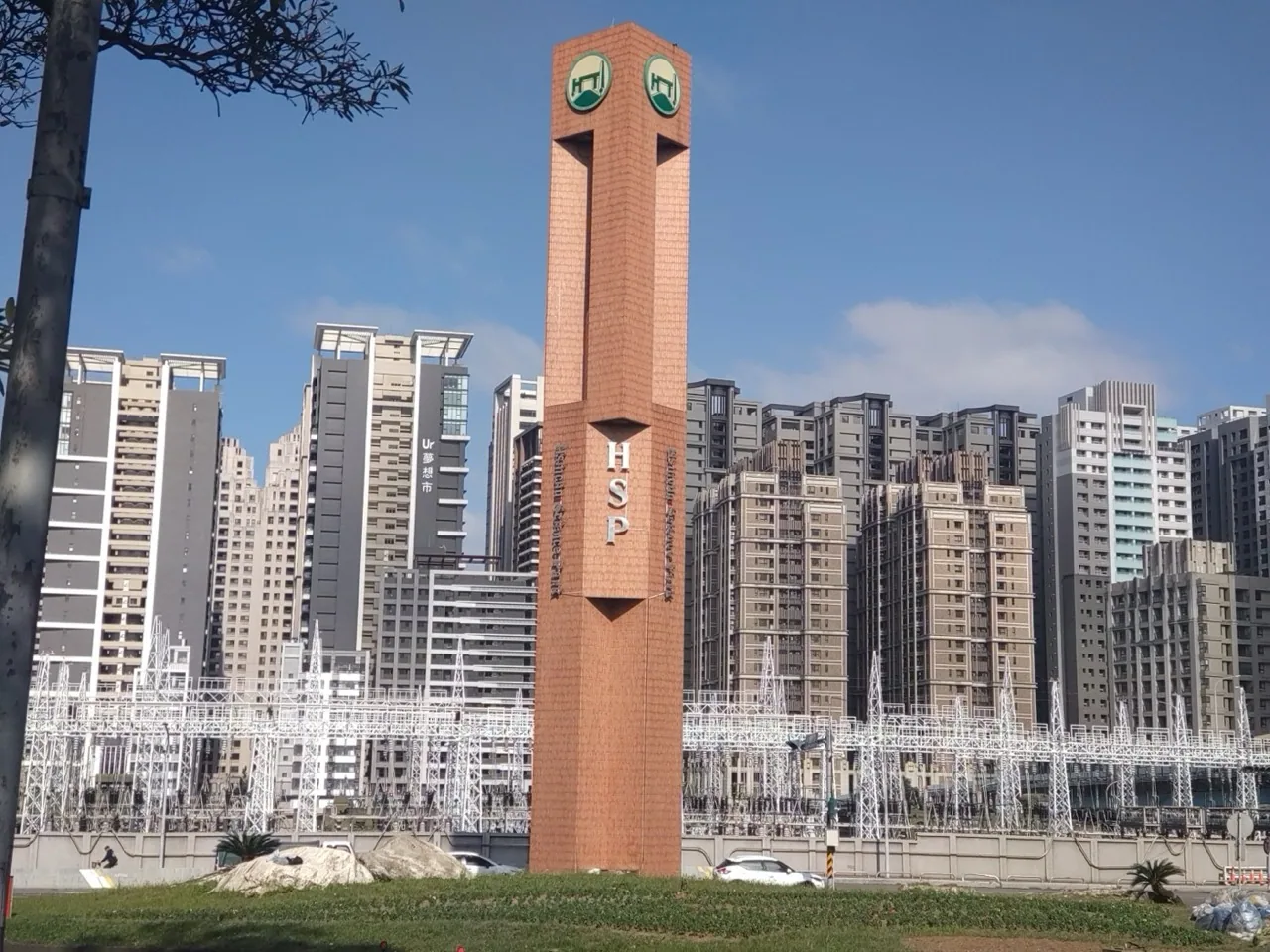
30 秒概観: 2025 年 6 月 13 日に公開された『造山者』は、五年・80 人超の取材・数千万台湾ドルの製作費を費やし、台湾半導体を 1974 年の小欣欣豆漿店の朝食会から 2025 年に魏哲家がホワイトハウスへ歩み入る場面まで語る1。だが当初のタイトルは『シリコン・シールド(矽盾)』だった——その後、中国にも工場を持つ台湾の半導体企業は、対岸から「盾」と見なされたくないという理由で改題が勧められた2。台湾半導体の取り替えのきかなさを宣言するこの叙事詩は、タイトルの最も鋭い一文字まで削らねばならなかった。「矽盾」は劇中の一行のナレーションへと退き、題名は『造山者』となった。
信義区の映画館、最後列のマスクの男
2025 年 6 月 26 日の夕方、台北・信義区の映画館。マスクをつけた老夫婦が自費でチケットを買って入場し、最後列の席を選んだ。エンドロールで照明がつくまで、誰も二人に気づかなかった3。
94 歳の張忠謀はゆっくり通路を下り、マスクのまま両手を高く挙げて観客に向かって振った4。まばらな拍手が始まり、やがて場内全体の拍手になった。彼は最前列の前に立ち、すべての人に挨拶した4。蕭菊貞は会場にいた。後日、彼女は自分の心情を「緊張と興奮、もちろん少しの落胆もあった」と表現している5。落胆の理由は二つ。この TSMC の創業者は劇中に正面からのインタビュー・カットが一つも入っていない。そして彼は、自らが創った会社についての叙事詩の前に、被取材者ではなく一観客として現れる道を選んだ。
📝 キュレーターのノート
テクストの最も心を打つ瞬間は、しばしばテクストの外で起こる。『造山者』のスクリーンに張忠謀のインタビューはない——しかしこの作品の真のクライマックスは、エンディングの照明がつくとき、創業者本人が映画館の最後列から立ち上がる場面である。テクストはスクリーンを溢れ出し、不在の主人公は「観客」という身分で自らを縫い戻す。
蕭菊貞はかつて Facebook で、なぜ張忠謀のインタビューがなかったかについて綴った。「一、二年努力してきたが彼は本を書くのに忙しかった」「TSMC の撮影制限ももちろん幾重もの防護線だった」6。「本を書くのに忙しかった」とは、彼が七年かけて執筆した自伝の下巻のこと——1964 年から 2018 年、二十万字近く、2024 年 11 月 29 日に天下文化から刊行された7。1998 年の上巻からちょうど 26 年隔てている。下巻は 2024 年末には既に出版されていたが、『造山者』の公開は翌年 6 月。つまり撮影期間中、彼は確かに執筆中だった。だが彼がようやく観られるようになったとき、作品はすでに編集を終え、マルチカメラで側面から拾った後撮りの姿も既に組み込まれていた。蕭菊貞は「マルチカメラ補撮」という工法で正面取材の不在を回避した。公開イベントに何度もカメラを据えて側面から撮影し、張忠謀が公の場に現れた姿を編み込み、彼を作品の中に「インタビューされた」ではなく「カメラに捉えられた」存在として置いた4。
削られたあの一文字
「矽盾(シリコン・シールド)」という言葉は、もともとこの作品のタイトルだった。
蕭菊貞は当初『矽盾』を題として助成申請書を提出した。TSMC 文教基金会は企画書を受け取った後、この言葉を避けるよう勧めた8——理由は、中国にも工場を持つ台湾の半導体企業はいずれも、対岸から「盾」と想像されたくないから2。蕭菊貞はこれを受け入れた。タイトルは『造山者』、英語題は A Chip Odyssey となった。「矽盾」は劇中の一行のナレーションと背景の位置づけへと退いた。
⚠️ 異論のある見解
同じ基金会の内部でも「矽盾」に反対する声は一つではなかった。理事の陳健邦は公の場でより激しく言った。「矽盾という言葉は、台湾人はもう使わないほうがいい」「経済的安定が国家の安全を保証すると思うなら、ウクライナを見れば分かる、その命題は成り立たない」9。陳健邦が語っていたのは、この言葉自体を台湾人が使い続けるべきかどうかであり、タイトルとは関係ない。彼は TSMC の米国進出を「廟の分霊」に例えた。改題はそれゆえ単純に「沈黙させられた」と読むことはできない。事実により近いのは、TSMC 側が能動的に「盾」という含意を取り除く方向に傾いた、ということ。推し量ること自体が、この矛盾の在りかなのだ。
通説はこれを自己検閲と読むが、その読みは安易に過ぎる。安易すぎて因果を逆転させてしまう。検閲は通常「言ってはいけない」だが、これは「言ったらどうなるかをまず考える」だった。前者は抑圧、後者は政治判断——一つの島が自らの最強の切り札を誇るとき、対岸がどう聞くかをまず推し量る。「矽盾」という言葉は作品から消えたわけではない。ナレーションと位置づけの形で劇中に留まり、FPRI フィラデルフィア会場と駐米 TECO の通達も依然として "Silicon Shield" としてこの作品を紹介している10。変わったのはタイトルの層だけ——つまり観客がチケット販売サイト、ポスター、字幕で最初に目にする層である。
こうして「造山者」の三文字は新たな機能を担うことになった。焦点を「私たちは誰に対して守っているのか」から「私たちは何を作っているのか」へとずらす。言い方を変えれば、その言い方は政治的コストが低い。推し量ること自体が台湾の境遇の縮図である。禁じられる必要はない。発言の前に一度考えるよう、自ら学ぶようになるのだ。
CNEX 公式チャンネルの中国語予告編。「造山者」の三文字は予告の最後の一秒に落ちる。その一秒前のナレーションは、削られた「矽盾」という言葉をなお語っている。
カメラを TSMC から引き離す
「矽盾」を削るのが引き算なら、「造山者」は足し算である。
蕭菊貞は五年で 80 人以上の先達を取材し11、意識的にカメラを TSMC から引き離した。スクリーンに立つ「第一の男性主役」は工研院前院長の史欽泰——RCA 火種部隊の一員であり、後に工研院モデル工場の工場長を歴任し、台湾初の商用 IC チップ CIC0001 を産み出した12。蕭菊貞自身、この構造選択をこう描く。「あなたたちが歴史を創った。私は歴史を残す」13。
✦ 「映画の核となる物語は、工研院前院長・史欽泰の足跡に従って展開する。当年の RCA プロジェクトの鍵となる一員であり、後に工研院を率いた人物。彼の経歴そのものが、台湾半導体産業の縮図である。」14
その傍らには、聯発科の蔡明介、聯電の杜俊元、TSMC の曾繁城、旺宏の盧志遠、林本堅、蔣尚義、施敏、RCA の楊丁元——異なる会社、異なる世代、異なる産業の節に属する人名が連なる15。名前を伏せた第一世代の女性作業員も登場する。「ウェハを落として割るのが怖くてたまらなかった、何ヶ月分の給料でも弁償できないかもしれなかったから」「人生で初めて買った車は、聯電の株八枚を売って得たお金だった」16。彼女たちはカメラの前で見られるが、名前は与えられない。
史欽泰は劇中で「とても感動した、泣かないようにと思い続けていた」と語る17。曾繁城は 5 月の新竹プレミアでまた違う一句を口にした。「過去は努力さえすれば必ず成功した。憂うのは未来、いかに均衡と安定の環境の下で進歩を続けるか」18。二つの語気は少し違う。一つは振り返り、一つは警鐘。蕭菊貞は自身の立ち位置をこの二つの間に置いた——「私は『成功』を撮りたかったのではない。むしろ皆に憂患を、憂患の中に生まれ逆境に向かう勇気を見てほしかった」19。
「造山者」はそれゆえ意図的に複数として処理されている。それは脱中心化された敬意の一層なのだ。
しかしメディアのスポットライトは言うことを聞かない。蕭美琴は 6 月の鑑賞後に挨拶し、蔡英文は 8 月に興収が NT$2,500 万を超えた時点で劇場に入り20、張忠謀本人は 6 月 26 日に自費で観に来た3——これらの画像はいずれも、焦点を素早く張忠謀一人へと収束させていく。タイトルは造山者が複数いることを告げるが、フレームの外の英雄崇拝の重力は依然として山を同じ方向へと引き寄せ続ける。この引っ張り合いを、作品自身もよく自覚している。
一人から一千万を取らない
CNEX 共同創業者の蒋顕斌、永大電梯創業者の息子で MOXA 摩莎科技執行董事の陳添順——この作品の二人のプロデューサーである21。陳添順はこの作品に一つの財務的規律を設けた。「一人の 1,000 万元より、十人の 100 万元のほうがいい。後者が生む影響と反響のほうが大きい」22。
全作の制作費は数千万元規模、資料映像のライセンス(ハリウッド映画『危険な情事』のクリップを含む)の費用も高額だった23。だが蕭菊貞、陳添順、蒋顕斌は合意に達した。創作の自主権を保つため、撮影資金は単一企業の出資ではなく、多方面の寄付と協賛で代替する23。編集は監督と四度目のコラボとなる陳博文。劇伴音楽は林強、『ミレニアム・マンボ』『不散』の電子音響で台湾映画の音響座標を残した、あの人物24。
💡 知っていましたか
この作品の発端は、いかなる公式委託でもない。2019 年、蒋顕斌と蕭菊貞は、1976 年 RCA 技術移転プロジェクトの総主宰者・胡定華の追悼会に参加し、その帰路でこの題材を確定した25。胡定華は作品の撮影開始を見届けることなく逝った。五年後の公開時、台湾映画史上ドキュメンタリー興収トップ五に刻まれたその記録には、彼の追悼会で蒔かれた決断が刻まれている。
しかし独立創作の規律にも自ずから境界がある。外交部長の林佳龍は 6 月の挨拶で「多言語版の制作を支援し、在外公館で広めることに意欲がある」と公に約束した26。海外巡回はほぼすべて、駐外公館(TECO)と TSMC 工場所在地の軸に沿って進む。フィラデルフィア FPRI 会場は TECO NY が協賛、英語吹替版を提供10。UCLA 会場は TECO LA との共催で、イベント文書には直接「台湾の矽盾と護国神山の背後の物語と精神をより深く理解する」と書かれている27。アトランタのフルトン郡立図書館会場は 5 月 21 日、駐処長の林主恩、フルトン郡長 Robert Pitts、ジョージア州下院議員 Karen Lupton が同席して上映後座談会に登壇した28。
資金の独立、巡回の外交軌道への乗り入れ——この間の緊張を正面から批判した者は誰もいないが、緊張はそこにある。意図的に単一企業の出資を拒否したドキュメンタリーが、最終的に駐外公館のネットワークの中に上映ルートを見つけた。創作の自主権のために分散させた資金構造が、最終的になお国家機構が自然に差し伸べる手を受け止めた。この二つは矛盾しないが、同時に真実だ。蕭菊貞はまた別種の圧力にこう応えた。彼女が金を取ってプロパガンダ映画を撮ったのではないかと疑う者もいれば、劇中に政治家が登場すると見るやすぐにラベルを貼る者もいた29。彼女の答えはこうだ。「だが私は歴史に立ち返り、自らの観点に責任を負うほかない。歴史において、貢献した人、与えた人がいれば、私たちはいかなる理由でもその姿を隠したり、登場させなかったりしない」29。
南陽街からアリゾナへ
劇中の時系列は 1974 年 2 月から始まる。
台北・南陽街 40 号、小欣欣豆漿店の七人朝食会30——行政院副院長の費驊、経済部長の孫運璿、交通部長の高玉樹、工研院院長の王兆振、電信研究所所長の方賢齊と副所長の康寶煌、RCA 研究開発主任の潘文淵31。蕭菊貞はこの場所を見つけるのに七ヶ月以上かかった。「正直、人さえ見つかれば怖くなかった」「(私が探したのは)七ヶ月以上、それが映画の六、七分に凝縮されている」「もちろん意地になった、台湾はあんまりだと。たった 50 年だ、200 年の遺跡を探しているわけじゃない!」32
潘文淵はその後、円山大飯店 508 号室に二週間こもり、半導体産業推進の「万言書」を書き上げた33。蕭菊貞は同じ部屋を借りて、その二週間の「歴史現場」を撮影した33。彼女が「歴史現場」という四文字で語るのは、考古学的な意味での時間への態度である——彼女にとって、この島の現代史は踏みすぎて薄くなった痕跡のようなもので、人がまだいるうちにしゃがみ込んで見定めねばならない。
✦ 五十年の産業史は短く、蕭菊貞が当事者を訪ねた足取りは歴史よりさらに短い。だが彼女は知っている。この数分間のカットの背後にある七ヶ月こそ、この作品の最も薄い場所であり、最も厚い場所でもあると。
1976 年、工研院は米国 RCA と集積回路技術移転のライセンス契約を結ぶ34。最初に RCA に訓練に赴いた 19 人は楊丁元が総領隊兼ニュージャージー州地区領隊を務めた。半年後、彼らが運営する工研院モデル工場の歩留まりは 70 % に達し、技術移転元の RCA の 50 % を遥かに上回った34。1980 年に聯電が設立、1985 年に張忠謀が台湾に戻り工研院院長として VLSI 計画を提案、1987 年に行政院開発基金、オランダのフィリップス、民間が共同出資して TSMC を創立し、純粋なファウンドリ・モデルを世界で初めて打ち立てた35。1990 年代には林本堅が液浸リソグラフィを推進。2025 年 3 月 3 日、魏哲家はホワイトハウスへ歩み入り、米国への少なくとも 1,000 億米ドル追加投資、5 つのウェハ工場の建設を発表した1。
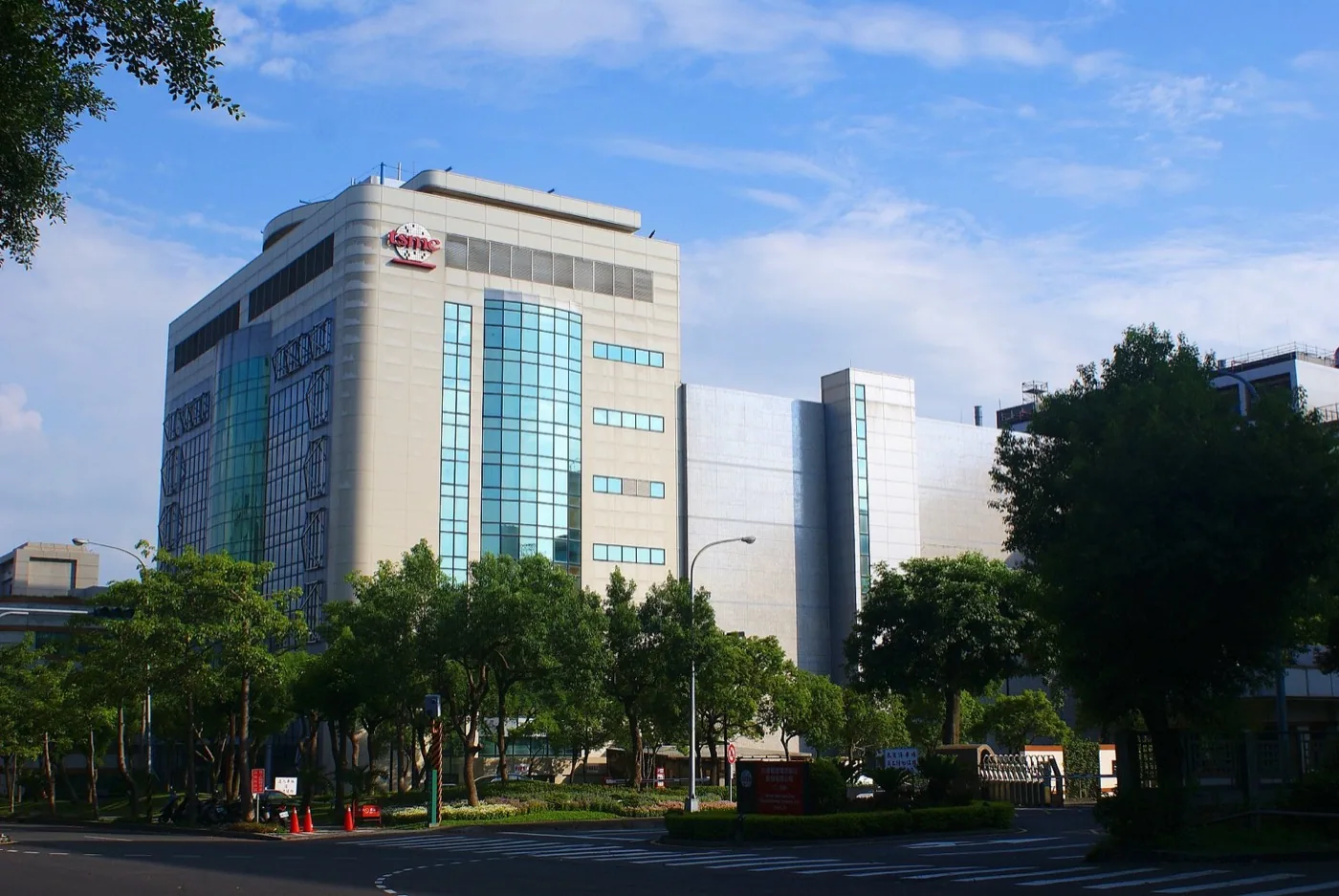
新竹サイエンスパーク TSMC Fab 5 工場、2010 年。劇中の時間軸は 1974 年の小欣欣豆漿店から、この光復路沿い、『造山者』がスクリーンで繰り返し訪れる工場群へと伸びていく。Photo: Peellden. CC BY-SA 3.0 via Wikimedia Commons。
この五十年の時間軸は PowerPoint の箇条書きでは語られない。蕭菊貞は具体的な場面を通してそれを歩かせる。小欣欣豆漿店の朝食会、円山 508 号室の万言書、ニュージャージー州 RCA 工場の火種部隊、新竹サイエンスパーク、アリゾナ Fab 21 の建設現場の空撮——どの停車駅にも、見え、踏み入ることのできる物理的な場所がある。
叙事詩、頌歌、そして憂患の中に生まれる
英語の批評はとても正確な形容詞を使った。unapologetically lionizes36。
Cinema Escapist は 2025 年 11 月の映画評で、『造山者』を Chris Miller の『Chip War』のビジュアル版相棒として位置づけ、unapologetically lionizes と all of the individuals featured...are framed as self-sacrificing という二つの言葉で、この作品が台湾半導体先駆者を英雄化して扱い、自己犠牲的に framing したことを描写した36。同評はまた、台湾以外の観客は『Chip War』を先に読むか Acquired Podcast を聞いてからこの作品を観たほうが順序として理にかなっていると勧めている36。
この批評は鋭いが、見えていない一画がある。
「unapologetically lionizes」は作品表層の頌歌的なリズムを捉えてはいるが、蕭菊貞自身が事前に設定したもう一つの軸——「私は『成功』を撮りたかったのではない」19——を見落としている。曾繁城のあの一句「過去は努力さえすれば必ず成功した。憂うのは未来、いかに均衡と安定の環境の下で進歩を続けるか」18、劇中で老兵たちが孫運璿のあの一句「成功のみ許され、失敗は許されない」に五十年追われ続けたこと、退職した女性作業員がウェハを落とすことを恐れたあの給料の話16——これらはみな頌歌の裏面であり、頌歌の足下の足跡である。蕭菊貞自身、この作品を「伏せ札にしない」と表現する29。良いものも悪いものも全部カメラに残すという意味だ。彼女が遭遇した政治的圧力、半導体計画が当時実際には民意の審議を経ていなかったこと、劇中に保留された「オランダ病」の懸念37。
学界には、もう一つ、より鋭い批判の軌道がある。2025 年に発表された論文〈Taiwan's "Silicon Shield": Techno-authoritarian territories〉は techno-authoritarianism という枠組みでこの体制を描写する——law, transparency and democracy are compromised for national interest——そして矽盾の下のコストを、環境劣化、食糧不安、有毒工業リスクという三つの主軸に整理する38。この論文は『造山者』には言及していない——矽盾そのものを手術台に乗せている。この論文をこの作品と並べて読めば、スクリーンが扱っていない陰画がはっきり見える。労働コスト、水、電力、土地、先住民族。
新竹からドレスデンへ
2026 年の国際巡回は続いていく。
2026 年 3 月 17 日、東京の台湾文化センターで無料上映会39。4 月 9 日、日本の衆議院第一議員会館——日華議員懇談会会長の古屋圭司、駐日代表処の蔡明耀副代表、立法委員の何欣純、郭国文、加えて 50 人以上の日本の議員と代表が、国会の会議室でこの作品を観終えた40。蕭菊貞は挨拶でこう語った。「日台関係は友好的であり、非常に重要なパートナーでもある。日本の国会というこれほど重要な場でドキュメンタリーを通じて台湾の科学技術発展の歩みを紹介できることは、極めて意義深い」「日本の国会に足を踏み入れるのはこれが初めてで、嬉しさと興奮が入り混じった気持ちだった」、作品はすでに「およそ 15 ヶ国で上映されている」40。
💡 知っていましたか
国境もまたこの作品の一つの沈黙の文脈である。日本衆議院第一議員会館で上映された同じ年、『造山者』はジョージア州議員が出席した市立図書館、駐独代表の谷瑞生が挨拶したドレスデン工科大学、駐米大使の兪大㵢が出席したジョージ・ワシントン大学にも足を踏み入れた——これらの会場は、ちょうど台湾の外交承認版図の裏返しに当たる。正規の国交の隙間にこそ、最も密度の高い巡回が育つ。
5 月 20 日、フィラデルフィアの Foreign Policy Research Institute(FPRI)、TECO NY が協賛、英語吹替版、司会は Shihoko Goto10。5 月 21 日、アトランタのフルトン郡立図書館本館、約 300 人28。5 月 23 日、ワシントン D.C. のジョージ・ワシントン大学、駐米大使の兪大㵢が出席、150 人以上41。5 月 31 日、ワシントン大学 Northwest Film Forum、プロデューサーの蒋顕斌が Q&A、主催は UW Taiwan Studies42。
CNEX 公式チャンネル英語版予告編 A Chip Odyssey Official Trailer。これが国際巡回で使われる版で、フィラデルフィア FPRI、ジョージ・ワシントン大学、ドレスデン ESMC 会場の上映前にも、まずこれが流される。
6 月 6 日、ドイツ・ドレスデン。
この回は意味が違う。ドレスデンは TSMC 欧州合弁工場 ESMC(TSMC + Bosch + Infineon + NXP)の所在地である——ウェハ工場は 2026 年 1 月に上棟したばかりで、2027 年末の量産を予定43。230 名の産官学リーダーと若い学生たちが会場に座っていた。ドレスデン工科大学長の Ursula Staudinger、ESMC 社長の Christian Koitzsch、駐独代表の谷瑞生、Silicon Saxony 総経理の Frank Boesenberg などを含む44。Koitzsch は上映後座談会でこう語った。「台湾社会は高度の包容と実務精神を示している、方向性を定めた後は迅速に行動に移せる」「この行動力こそ、今まさに官僚体制に縛られているドイツが、最も学ばねばならないものだ」44。
📝 キュレーターのノート
「矽盾」という言葉をタイトルから削らねばならなかった作品が、ESMC 工場の所在地で上映される——これはほとんどこの島の地政学的矛盾の視覚的隠喩である。台湾は自らの半導体エコシステムをザクセン州へ「分霊」する。分けられた菩薩は元の廟に戻って祭典に参加する。そして元の廟は、自分が廟だと言うことすら慎重にならねばならない。
その頃、蕭菊貞はすでにこの作品を持って 15 ヶ国を巡っていた。彼女自身、この巡回がどこまで続くか想定はしていなかった——「3 月 17 日には東京で上映され、5 月にはドレスデンまで続いた」と語る。彼女はもっと身近な表現も口にした。「この作品を撮り終えて、私自身も造山者だと思うようになった。たとえ小さな砂粒であっても、造山運動の一部だ」45。
二つのドキュメンタリー、二つのチャンネル
2025 年 6 月 13 日のこの日、台湾の劇場では二本のドキュメンタリーが同時に封切られた。一本は『造山者』、半導体を語る。もう一本は『見えざる国家(看不見的國家)』、民主を語る——アメリカ人監督 Vanessa Hope(葛靜文)が七年をかけて撮った46。
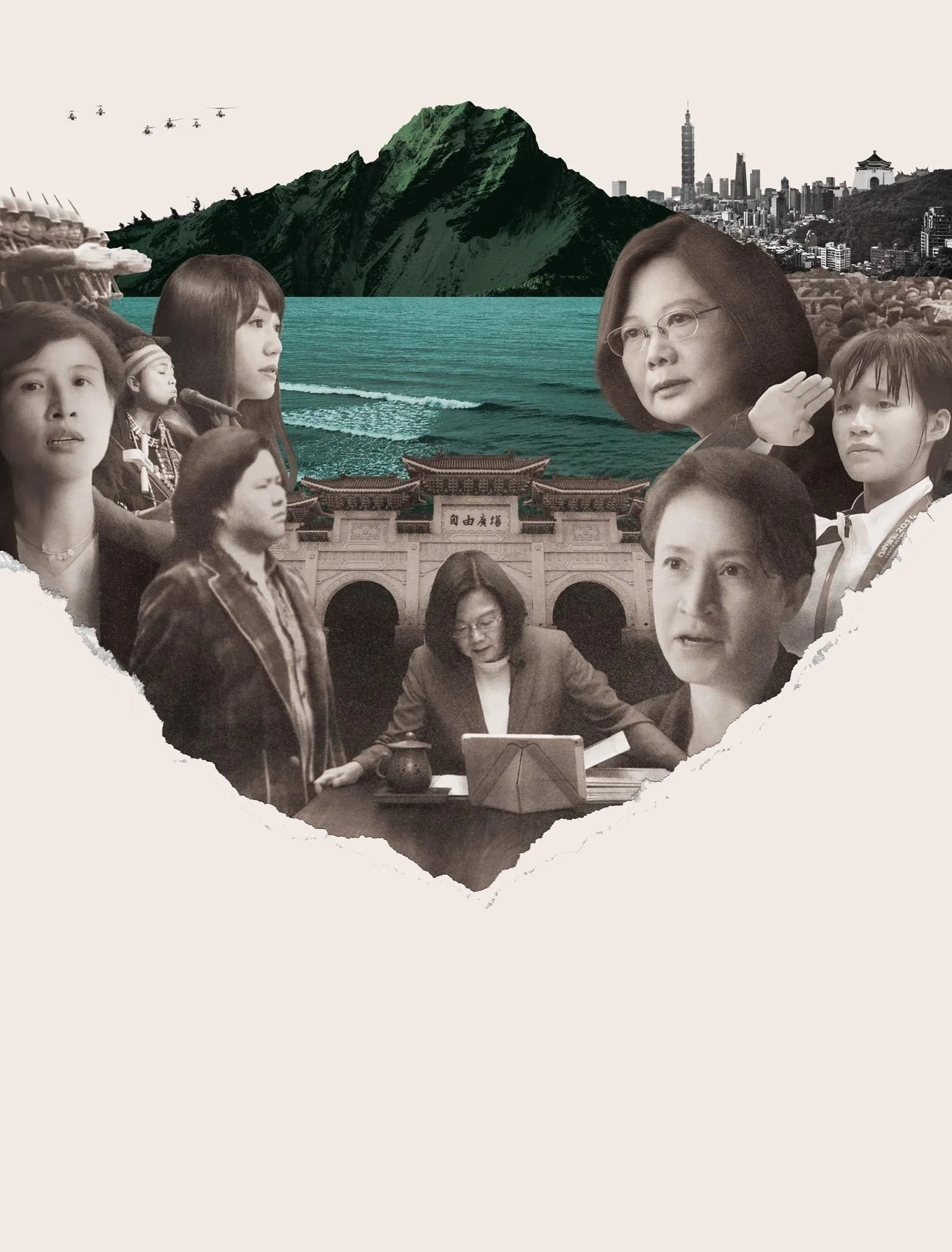
『見えざる国家』台湾版ポスター、『造山者』と同日公開。一方は半導体で台湾がなぜ取り替えのきかない存在かを語り、もう一方は民主で台湾がなぜ見られる価値があるかを語る——同じ島、二本の物語軸が並んで劇場へと歩み入る。Fair use editorial commentary on Invisible Nation (2023)。出典:海鵬影業/invisiblenation.net。
最終興収はどちらも 3,700 万元前後を行き来した。『見えざる国家』約 NT$3,770 万、『造山者』約 NT$3,600 万、いずれも台湾ドキュメンタリー映画史トップ五入り47。メディアは「ドキュメンタリー二雄」と並び称した46。だがこの二本は実のところ、同じ境遇の二つのチャンネルである。一つはテクノロジーの経路から「なぜ台湾は取り替えのきかないのか」を語り、もう一つは民主の経路から「なぜ台湾は見られる価値があるのか」を語る。
しかし両者ともある種の媒介を通してでなければ口にできない。『造山者』は台湾人監督が撮ったが、タイトルから一文字を削らねばならなかった。『見えざる国家』はアメリカ人監督が撮ったが、外側のレンズを通してでなければ国際舞台に上がれなかった46。同じ島でありながら、自らを誇るときには口調を変え、自らを紹介するときには他人の口を借りねばならない。
蕭美琴は 6 月の鑑賞後にこう語った。「この作品がより重要なのは、ある信念を、私たちが逆境の中で踏みとどまる力を支える信念を述べていることだ」48。「台湾の生存もまた『成功のみ許され、失敗は許されない』。未来、各人がそれぞれの専門領域で造山の精神を保ち、困難を恐れず前進し続けるならば、台湾は必ず、急速に変化する国際情勢の中で風と波を乗りこなし、揺るがず立っていられると信じる」48。蔡英文は 8 月、興収が NT$2,500 万を超えた時、陳建仁夫妻を伴って劇場に入った。「この作品の制作に深く感謝する。監督とプロデューサーは、私たちがこの数年に経験したこと、直面した課題を、構造のはっきりした形で提示してくれた。皆さんにお礼を言いたい!」49
二つの挨拶はいずれも体面を保ち、いずれもこの作品を国族叙事の枠組みに組み込んでいる。だがこの作品自身が選んだ立ち位置は、挨拶よりずっと謙虚である——蕭菊貞は語った。「この作品を撮り終えて、私自身も造山者だと思うようになった。たとえ小さな砂粒であっても、造山運動の一部だ」45。
造山者は実はその場にいない
物語は再び 2025 年 6 月 26 日の夕方、信義区の映画館へと戻る。
94 歳の張忠謀夫妻は最後列で全編を観終えた。エンディングの照明がつき、彼はマスクをつけたままゆっくり通路を下り、両手を高く挙げ、観客に向かって振り、すべての人に挨拶した4。蕭菊貞は会場にいた——五年の間、彼女はついぞこの「造山者」中核の人物を正面から取材できなかった。最後にはこの中核の人物自身が「観客」の身分でこの作品の前に立った。
✦ 叙事詩が捉えなかったものを、現実が補った。
この作品の張力は、こうして一周してもとの地点に戻る。あの取材されなかった人、タイトルから削られたあの一文字、あの意図的に分散された資金——これらこそ、この作品の真の背骨である。台湾半導体の叙事詩において、「私たちは一座の山を造った」と語るのは易しい。それが真に語るもっと言い出しにくい一事は——皆がこの山を見上げているとき、この島の造山者たちは、語れることと語れないことの間のどこかに、自分のために歴史を残す術を学んだということだ。
一年燃え続けた興収の数字、次々と続いた海外巡回、副総統と前総統の挨拶、ESMC 社長の称賛——これらはみな散っていく。だがあの夕方、最後列から立ち上がった姿は残る。彼はスクリーンの上には歩んで来なかった。彼は観客席から歩いて出てきたのだ。
この島が自らを誇るとき、対岸をまず推し量ることを学んだその瞬間から、造山者たち一人ひとりは実はもう観客になっていた——自分が造ったこの山が、他人にどう語られ、どう聞かれ、どうチケットを買って観に来られるかを眺めている。
関連記事:
- 半導体産業 — 1974 年の小欣欣豆漿店朝食会から 2025 年に魏哲家がホワイトハウスへ歩み入るまでの、台湾ウェハ・ファウンドリ産業の完全な文脈。『造山者』の時系列の骨格は、この軸に接ぎ木されている。
- 張忠謀 — カメラの前に座らなかったあの主人公、彼自身の手による下巻は映画公開のわずか半年前に出版された。
- 見えざる国家 — 同日公開の姉妹ドキュメンタリー、アメリカ人監督 Vanessa Hope が民主の経路から「台湾の価値」のもう一つのチャンネルへと切り込む。
- サイエンスパーク発展 — 『造山者』の多くの場面の物理的舞台としての新竹サイエンスパーク、一つの小都市の賭けから世界供給網のハブへと成長していく。
- 蔡英文 — 2025 年 8 月、興収が NT$2,500 万を超えた時、退任後初めて陳建仁夫妻を伴って劇場でこの作品を鑑賞、この作品の政治的背景を書き加えた前総統。
画像の出典
本稿は 3 枚のパブリックドメイン/CC ライセンス/fair use editorial commentary 画像を使用し、すべて public/article-images/ にキャッシュして出典サーバへのホットリンクを回避している。
- 新竹サイエンスパーク光復路園区正門 — Photo: T Gordon Cheng, 2025, CC BY-SA 4.0 via Wikimedia Commons
- TSMC Fab 5 新竹 — Photo: Peellden, 2010, CC BY-SA 3.0 via Wikimedia Commons
- 『見えざる国家』台湾版ポスター — © 海鵬影業 / Invisible Nation (2023)、姉妹ドキュメンタリー対位叙事のための fair use editorial commentary
参考資料
- 中央社:TSMC、米国に追加 1,000 億ドル投資、魏哲家がホワイトハウスで発表 — 2025 年 3 月 3 日、TSMC 董事長魏哲家がワシントン D.C. のホワイトハウスで米国大統領トランプとともに、TSMC がアリゾナ州に少なくとも 1,000 億米ドルを追加投資し 5 つのウェハ工場を建設すると共同発表した一次報道。↩
- 鏡週刊:護国神山解密 造山者改名の脈絡 — 鏡週刊「護国神山解密」シリーズ第一篇、蕭菊貞が当初「矽盾」を題としてドキュメンタリーの助成申請書を提出し、後に TSMC 文教基金会の勧めで『造山者』へ改題した経緯を記録。中国に工場を持つ台湾の半導体企業が対岸から盾とされることを避けるためという脈絡。↩
- 鏡新聞:張忠謀が信義区の映画館に現れ造山者を鑑賞 — 2025 年 6 月 27 日報道、張忠謀夫妻が 6 月 26 日に自費でチケットを購入し、マスクを付けて予告なく台北・信義区の映画館に現れて『造山者』を観た事件。場内の拍手と退場時のやりとりの描写を含む。↩
- 鏡新聞 同上 — 同記事は逐字、94 歳の張忠謀が「マスクをつけて両手を高く挙げ、予告なく映画館に現れた」「下りてくると観客が拍手し始め、それから彼は皆に挨拶した」「場内全体の拍手の中、退場した」と退場の細部を描写している。↩
- 遠見雑誌:蕭菊貞インタビュー「あなたたちが歴史を創った、私は歴史を残す」 — 遠見雑誌 2025 年蕭菊貞長編インタビュー、張忠謀の鑑賞当日の心境を「緊張と興奮、もちろん少しの落胆もあった」と逐字で記録。↩
- 聯合報:蕭菊貞 FB で張忠謀未取材を釈明 — 蕭菊貞が Facebook で自ら、なぜ張忠謀が正面取材を受けなかったかについて答えた脈絡の報道。「一、二年努力してきたが彼は本を書くのに忙しかった」と「TSMC の撮影制限ももちろん幾重もの防護線だった」の原文を含む。↩
- 経済日報:張忠謀自伝下巻 20 万字の大著 11 月 29 日刊行 — 2024 年報道、張忠謀自伝下巻が天下文化から刊行された公式情報。1964–2018 の時間幅、約 20 万字、1998 年上巻から 26 年隔ての細部を含む。↩
- 鏡週刊:護国神山解密 タイトル『矽盾』改題の脈絡 — 鏡週刊「護国神山解密」シリーズ、TSMC 文教基金会が『矽盾』の助成申請書を受領後にこの言葉を避けるよう勧めたこと、その理由が中国に工場を持つ台湾の半導体企業は対岸から盾と想像されたくないからであるとの決定の脈絡を確認。↩
- 経済日報:TSMC 文教基金会理事陳健邦「台湾人は矽盾という言葉を忘れるべき」 — 陳健邦が公の場で台湾人に「矽盾」の言葉を使うのをやめるよう呼びかけた全文を報じる。「経済的安定が国家の安全を保証すると思うなら、ウクライナを見れば分かる、その命題は成り立たない」と「廟の分霊」で米国進出を例えた原文を含む。↩
- FPRI: A Chip Odyssey Panel Discussion and Film Screening — Foreign Policy Research Institute による 2026 年 5 月 20 日フィラデルフィア会場のイベントページ。TECO NY が協賛、英語吹替版を提供、司会は Shihoko Goto。イベント文書で "Silicon Shield" として本作を紹介する公式原文。↩
- 數位時代:造山者 - 台湾半導体産業についてのドキュメンタリー — 數位時代インタビュー、本作が五年の準備、80 名超の先達取材、上映時間 106 分、CNEX 共同創業者の蒋顕斌と MOXA 執行董事の陳添順がプロデューサーであることを確認した制作仕様。↩
- 遠見雑誌 同上 — 遠見インタビュー、史欽泰が『造山者』のスクリーン上「第一の男性主役」、RCA に取経した火種部隊の一員、工研院モデル工場の工場長を歴任し、台湾初の商用 IC チップ CIC0001 を産み出したことを確認。↩
- 遠見雑誌 同上 — 蕭菊貞がインタビューで史欽泰に語った「あなたたちが歴史を創った、私は歴史を残す」の逐字。↩
- 數位時代 同上 — 數位時代記者による作品構造の逐字描写、映画の核となる物語が史欽泰の足跡に沿って展開していく様を記録。↩
- CNEX 公式:造山者作品紹介 — CNEX 公式作品ページ、主要取材者リストと制作スタッフ(首席顧問・史欽泰、作曲・林強、プロデューサー・蒋顕斌と陳添順)を掲載した一次公式資料。↩
- 鏡週刊:護国神山解密 伏せ札にしない造山者 — 鏡週刊「護国神山解密」シリーズ第六篇、本作が第一世代の退職女性作業員の取材場面を組み込んでいることを報じる。「ウェハを落として割るのが怖くてたまらなかった、何ヶ月分の給料でも弁償できないかもしれなかったから」と「人生で初めて買った車は、聯電の株八枚を売って得たお金だった」は劇中の具体的な陳述。↩
- 遠見雑誌 同上 — 史欽泰が鑑賞時または取材時に語った「とても感動した、泣かないようにと思い続けていた」の逐字。↩
- 中央社:造山者新竹プレミア 曾繁城が今後の持続的進歩を憂う — 2025 年 5 月 11 日『造山者』新竹プレミアの報道。TSMC 前副董事長の曾繁城の挨拶「過去は努力さえすれば必ず成功した。憂うのは未来、いかに均衡と安定の環境の下で進歩を続けるか」の逐字を含む。↩
- 遠見雑誌 同上 — 蕭菊貞がインタビューでドキュメンタリーの位置づけについて語った「私は『成功』を撮りたかったのではない、むしろ皆に憂患を、憂患の中に生まれ逆境に向かう勇気を見てほしかった」の逐字。↩
- 鏡週刊:蔡英文鑑賞 全台興収 NT$2,500 万突破 — 2025 年 8 月 8 日報道、前総統蔡英文が退任後初めて劇場で『造山者』を観たこと、陳建仁夫妻と同行、興収が公開 50 日で NT$2,500 万を突破した時間軸に言及。↩
- INSIDE:塞掐 EP354 蒋顕斌が CNEX と造山者の起源を語る — Inside「塞掐」Podcast インタビュー、蒋顕斌が CNEX 共同創業者としての身分、『金門』監製(アカデミー賞最佳記録短片ノミネート)、そして『造山者』の制作起源を語る。↩
- 鏡週刊:護国神山解密 造山者資金構造 — 鏡週刊「護国神山解密」シリーズ第一篇、プロデューサー陳添順の「一人の 1,000 万元より、十人の 100 万元のほうがいい、後者が生む影響と反響のほうが大きい」の逐字を含む。↩
- 鏡週刊 同上 — 同記事、全作の制作費が数千万元規模、資料映像(ハリウッド『危険な情事』クリップ含む)のライセンス費用が高額、創作の自主権を保つため単一企業の出資ではなく多方面の寄付と協賛で代替した資金構造を記録。↩
- CNEX 公式 同上 — CNEX 公式作品ページ、作曲が林強(Lim Giong)、編集が陳博文(蕭菊貞との四度目のコラボ)であることを逐字で確認。↩
- INSIDE 同上 — Inside「塞掐」Podcast インタビュー、2019 年に蒋顕斌と蕭菊貞が 1976 年 RCA 技術移転プロジェクト総主宰者・胡定華の追悼会に参加し、題材を確定して制作を起動した起源の脈絡を記録。↩
- 経済日報:林佳龍が造山者多言語版の制作支援を約束 — 外交部長林佳龍が 2025 年 6 月の挨拶で「多言語版の制作を支援し、在外公館で広めることに意欲がある」と約束した報道と、その後の国際巡回への布石の脈絡。↩
- 駐ロサンゼルス弁事処:UCLA 造山者上映会 — 駐ロサンゼルス台北経済文化弁事処公式イベントページ。上映目的「台湾の矽盾と護国神山の背後の物語と精神をより深く理解する」の逐字原文を含む。↩
- 大紀元:造山者アトランタ・フルトン郡立図書館上映 — 2026 年 5 月 21 日アトランタ・フルトン郡立図書館本館での上映報道。フルトン郡長 Robert Pitts、ジョージア州下院議員 Karen Lupton の出席、約 300 人の満席の細部を含む。↩
- 鏡週刊:護国神山解密 蕭菊貞の政治的圧力と伏せ札にしない姿勢 — 鏡週刊「護国神山解密」シリーズ第六篇、蕭菊貞の「だが私は歴史に立ち返り、自らの観点に責任を負うほかない、歴史において貢献した人、与えた人がいれば、私たちはいかなる理由でもその姿を隠したり、登場させなかったりしない」の逐字と、彼女が遭遇した政治的ラベリング圧力の背景。↩
- 鏡週刊:護国神山解密 小欣欣豆漿店の所在地確認 — 鏡週刊「護国神山解密」シリーズ第四篇、「小欣欣豆漿店」が台北市南陽街 40 号にあったこと、1974 年の七人朝食会、潘文淵が円山大飯店 508 号室にこもって万言書を執筆したことを逐字で確認した歴史現場考証。↩
- 鏡週刊 同上 — 鏡週刊「護国神山解密」シリーズ第四篇、1974 年 2 月の小欣欣豆漿店朝食会の出席者として、行政院副院長費驊、経済部長孫運璿、交通部長高玉樹、工研院院長王兆振、電信研究所所長方賢齊と副所長康寶煌、RCA 研究開発主任潘文淵を含むことを逐字で確認した歴史現場考証。↩
- 遠見雑誌 同上 — 蕭菊貞がインタビューで「小欣欣豆漿店」の歴史現場を探すのに「七ヶ月以上、それが映画の六、七分に凝縮されている」と語った逐字。↩
- 鏡週刊 同上 — 同記事の逐字記録、「チームはさらに潘文淵の日誌から、彼が二週間こもって半導体産業推進の『万言書』を執筆した場所が円山大飯店 508 号室であることを見つけた。蕭菊貞も同じ部屋を借りて『歴史現場』を撮影した」の全文。↩
- 工研院 50 周年:半導体史 1976 RCA 技術移転 — 工研院 50 周年公式サイトの一次公式資料。「1976 年、工研院と米国 RCA 社が集積回路技術移転ライセンス契約を締結」「最初に RCA に派遣された研修人員は計 19 名、楊丁元が総領隊兼ニュージャージー州地区領隊を務めた」「運営六ヶ月目で歩留まりは七割に達し、技術移転元の RCA 社の五割を遥かに上回った」の逐字原文を含む。↩
- 工研院 50 周年 同上 — 工研院 50 周年公式サイトの一次公式資料、張忠謀が 1985 年に台湾に戻り工研院院長として VLSI 計画を推進したこと、1987 年に行政院開発基金、オランダのフィリップスと民間が共同出資して TSMC を創立した時間軸を記録。↩
- Cinema Escapist: Review of A Chip Odyssey — 2025 年 11 月の英語評論、見出しで本作を「unapologetically lionizes」台湾半導体先駆者と評し、「all of the individuals featured in A Chip Odyssey are framed as self-sacrificing」と評し、本作を Chris Miller の『Chip War』のビジュアル版相棒として位置づける。↩
- 天下雑誌:造山者が半導体の表裏を明かす — 本作が英雄叙事を越えて「矽盾」の両面を明かすこと、台湾産業が半導体に過度に集中する「オランダ病」の議論を含むことを報じる。↩
- Sage Journals: Taiwan's "Silicon Shield": Techno-authoritarian territories — Wen-I Lin、Jung-Ying Chang、Ayona Datta が 2025 年に発表した学術論文、「テクノ権威主義」枠組みで矽盾の下の「例外区」を批判、法、透明性、民主、環境劣化、食糧不安、有毒工業リスクに言及(注意:本論文は『造山者』映画そのものには直接言及していない)。↩
- Peatix:東京台湾文化センター造山者上映会 — 2026 年 3 月 17 日東京台湾文化センター無料上映会のイベントページ、台北駐日経済文化代表処(日本)台湾文化センター主催の公式イベント情報。↩
- 中央社:造山者が日本衆議院で上映、古屋圭司が出席 — 2026 年 4 月 9 日『造山者』が日本衆議院第一議員会館で上映された報道。蕭菊貞の挨拶「日台関係は友好的であり、非常に重要なパートナーでもある」「日本の国会に足を踏み入れるのはこれが初めてで、嬉しさと興奮が入り混じった気持ちだった」「およそ 15 ヶ国で上映されている」の逐字を含む。↩
- 中央社:造山者がジョージ・ワシントン大学で上映、兪大㵢が出席 — 2026 年 5 月 23 日『造山者』がワシントン D.C. のジョージ・ワシントン大学で上映された報道。北米州台湾商会聯合総会などが共催、駐米大使兪大㵢が出席、150 人以上の僑界、テクノロジー、学界関係者が参加した一次公式報道。↩
- UW Henry M. Jackson School: A Chip Odyssey Screening — ワシントン大学 Taiwan Studies 主催 2026 年 5 月 31 日 Northwest Film Forum 会場のイベントページ、プロデューサー蒋顕斌の上映後 Q&A の公式イベント情報。↩
- 中央広播電台 同上 — 中央広播電台報道、TSMC 欧州合弁工場 ESMC(Bosch、Infineon、NXP との合弁)ドレスデン工場が 2026 年 1 月に上棟、2027 年末に量産予定という進捗の脈絡を確認。↩
- 中央広播電台:造山者ドレスデン上映、ESMC 社長挨拶 — 2026 年 6 月 6 日『造山者』のドレスデン上映報道。ESMC 社長 Christian Koitzsch(クライツシュ)の逐字「台湾社会は高度の包容と実務精神を示している、方向性を定めた後は迅速に行動に移せる」と「この行動力こそ、今まさに官僚体制に縛られているドイツが、最も学ばねばならないものだ」、および 230 名超の産官学リーダー、駐独代表谷瑞生、TU Dresden 学長 Ursula Staudinger の出席リストを含む。↩
- 遠見雑誌 同上 — 蕭菊貞がインタビューで語った「この作品を撮り終えて、私自身も造山者だと思うようになった、たとえ小さな砂粒であっても、造山運動の一部だ」の逐字。↩
- Wikipedia:見えざる国家 — アメリカ人監督 Vanessa Hope(葛靜文)が監督したドキュメンタリー、2025 年 6 月 13 日台湾公開、製作期間七年、最終興収 NT$3,771 万、台湾ドキュメンタリー興収第三位。↩
- Wikipedia:台湾ドキュメンタリー興収リスト — Wikipedia 台湾ドキュメンタリー興収リストは『見えざる国家』最終興収約 NT$3,770 万を第三位、『造山者』最終興収約 NT$3,631 万を第五位として収録(正確な数字は最終的に国家映画及視聴文化中心 boxofficetw.tfai.org.tw の公告を基準とする)。↩
- 中央社:蕭美琴造山者鑑賞、ある信念を述べる — 2025 年 6 月 23 日報道、副総統蕭美琴の『造山者』鑑賞後の逐字挨拶。「この作品がより重要なのは、ある信念を、私たちが逆境の中で踏みとどまる力を支える信念を述べていることだ」と「台湾の生存もまた『成功のみ許され、失敗は許されない』」の全文を含む。↩
- 鏡週刊 同上 — 同記事の逐字記録、前総統蔡英文 2025 年 8 月 8 日の鑑賞挨拶「この作品の制作に深く感謝する、監督とプロデューサーは、私たちがこの数年に経験したこと、直面した課題を、構造のはっきりした形で提示してくれた、皆さんにお礼を言いたい!」の全文。↩