
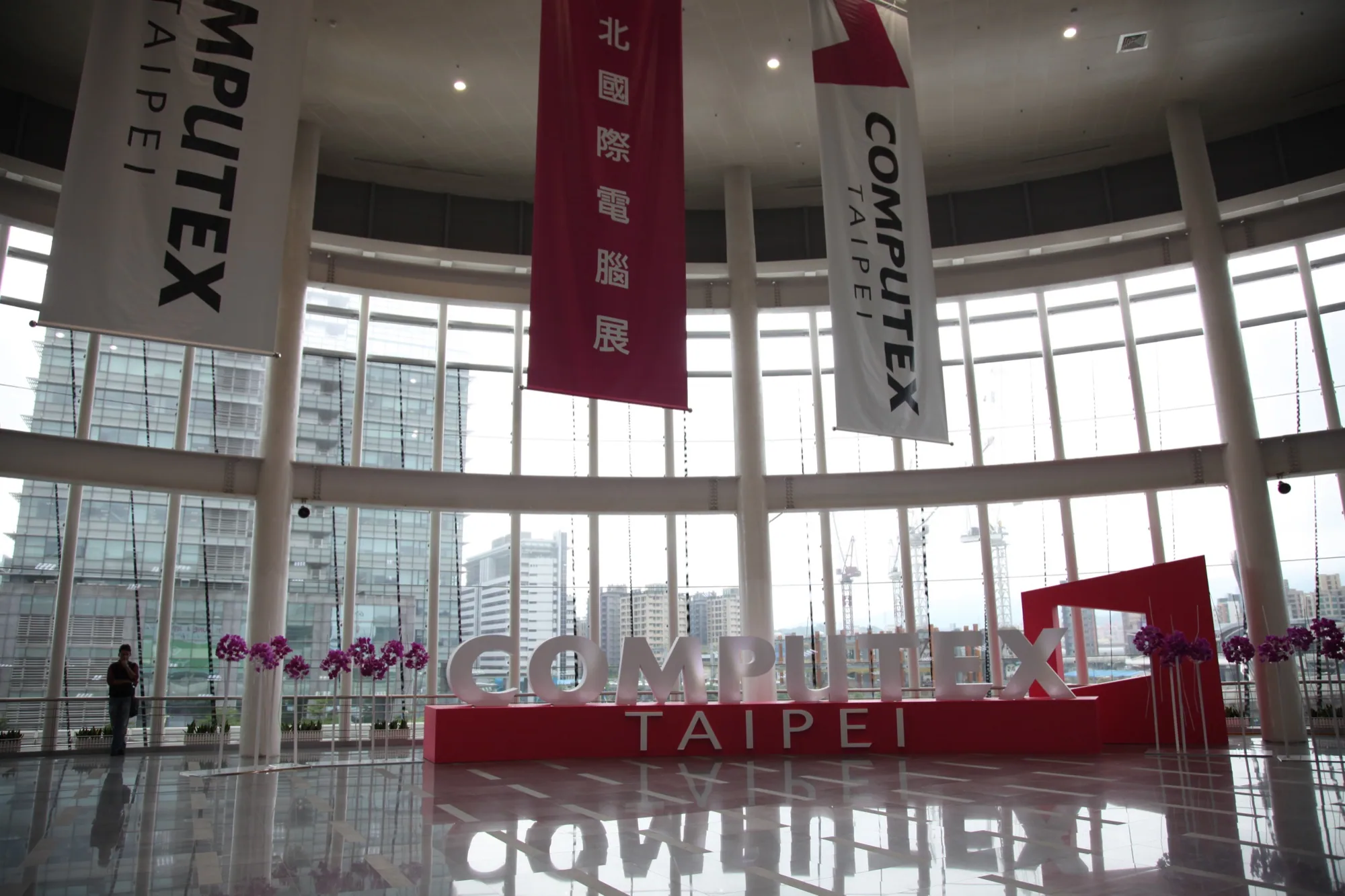
30秒概要: COMPUTEX台北国際コンピュータ展は今年で45周年。1981年、松山空港隣の小さな輸出商向け展示会から始まり、今や世界のAI巨頭が毎年5月末から6月初めに必ず登壇する舞台へと成長した。同時期の二大ライバル、ドイツ・ハノーファーのCeBITと米国・ラスベガスのCOMDEXはすでに終了。2026年のテーマは「AI Together」。ジェンスン・フアンが台北のステージで最初に語った言葉は「帰ってこられて嬉しい」。その週、NVIDIA、Qualcomm、Intelの3社CEOがリレー講演を行い、台中の上銀が初めて異業種参入し、減速機を人型ロボットの関節に接続。45年間、コンデンサを売っていた島が関節を売るまでになった。この島がやり続けてきたのはただ一つ、先進国がアウトソースした「製造」を、世界が避けて通れないレベルまで高めることだ。
帰ってこられて嬉しい
2026年6月1日午前、台北。ジェンスン・フアンがGTC Taipeiのステージに立ち、口を開いた最初の言葉は「It is great to be back home」12。
彼の後ろの巨大なプレゼンテーション背景には、王記府城肉粽、富霸王豚足といった台湾グルメの店名が並び、チップの型番は一行もなかった1。9歳で渡米し、後にカリフォルニアで世界最高時価総額企業を創業した台南の囝仔(ガキンア)3が、台北に戻り、ここを「家」と呼び、「すべての始まり」と呼んだ1。
この講演で彼は、コードネーム「Vera Rubin」の次世代演算チップを発表し「すでに全面量産中」と宣言。さらに「N1X」と呼ばれるチップを披露し、「世界で最も驚異的なチップ」と形容した。「有用なAIが到来した」「エージェンティックAIが到来した(agentic AI has arrived)」と語り14、後に繰り返し引用される言葉を残した。「AI agents will be the largest users of computing.」AIエージェントがコンピューティングの最大のユーザーになる2。しかし、会場の記憶に最も強く残ったのは、肉粽と豚足が並んだあの背景ボードだったかもしれない。
彼が立っていたこの展示会は、COMPUTEX、台北国際コンピュータ展と呼ばれる。今年で45周年。そしてその週に台北に押し寄せたのは彼だけではなかった。同日午前、より早く南港展覧館ホール2でQualcommのクリスティアーノ・アモンが開幕基調講演を行い、今年を「Year of Agents」と定義し、データセンター新ブランド「Dragonfly」を発表5。さらに数時間後、Intel CEOに就任して3か月のパット・ゲルシンガー(陳立武)が、初めてIntelトップとしてCOMPUTEXのステージに立ち、「x86 has powered data centers for more than five decades」(x86は50年以上にわたりデータセンターを支えてきた)と切り出した6。3社、3つの基調講演、時価総額合計は10兆ドル超7。
AMDのリサ・スーは今年基調講演を行わず、2年連続でこの舞台を欠席した。しかし彼女は5月末に5日間訪台し、台湾での100億ドル追加投資計画を発表した8。
📝 キュレーターノート
立ち止まって考えるべき問いがある。世界最高時価総額のテック企業いくつかが、なぜ台北を、1981年に松山空港隣で始まったコンピュータ展を、最も重要な製品発表の場に選ぶのか。通説は「ジェンスン・フアン旋風」、台湾系スターCEOが世界の注目を台湾に集めたというもの。だがこの説明は因果を逆転させている。彼が帰ってきたのは、もともと避けて通れない場所だったからだ。このことを理解するには、45年前、誰も期待しなかった小さな展示会から語らなければならない。
松山空港隣のあの輸出商展
1981年、台湾のパーソナルコンピュータ産業はまさに萌芽期だった。第1回展示会の名は質素に「台北市電腦展」、会場は松山空港隣の外貿協会展示館、主催は台北市電腦商業同業公会910。
当初の機能は極めて実務的:台湾で頭角を現し始めたコンピュータ中小企業にブースを提供し、マザーボードやコンポーネントを並べ、来台調達する外国人バイヤーに売る場を作ることだった。それは「台湾の金は足首まで」の時代、光華商場の電子部品文化が輸出ビジネスへと溢れ出さんとしていた時期であり、この展示会はそのビジネスの年間集合点だった。
第2回の出展社数はわずか40社9。40数年後、この数字が1500社、6000ブースになるなど誰も想像しなかった11。
スタン・シーが名を変えたあの年
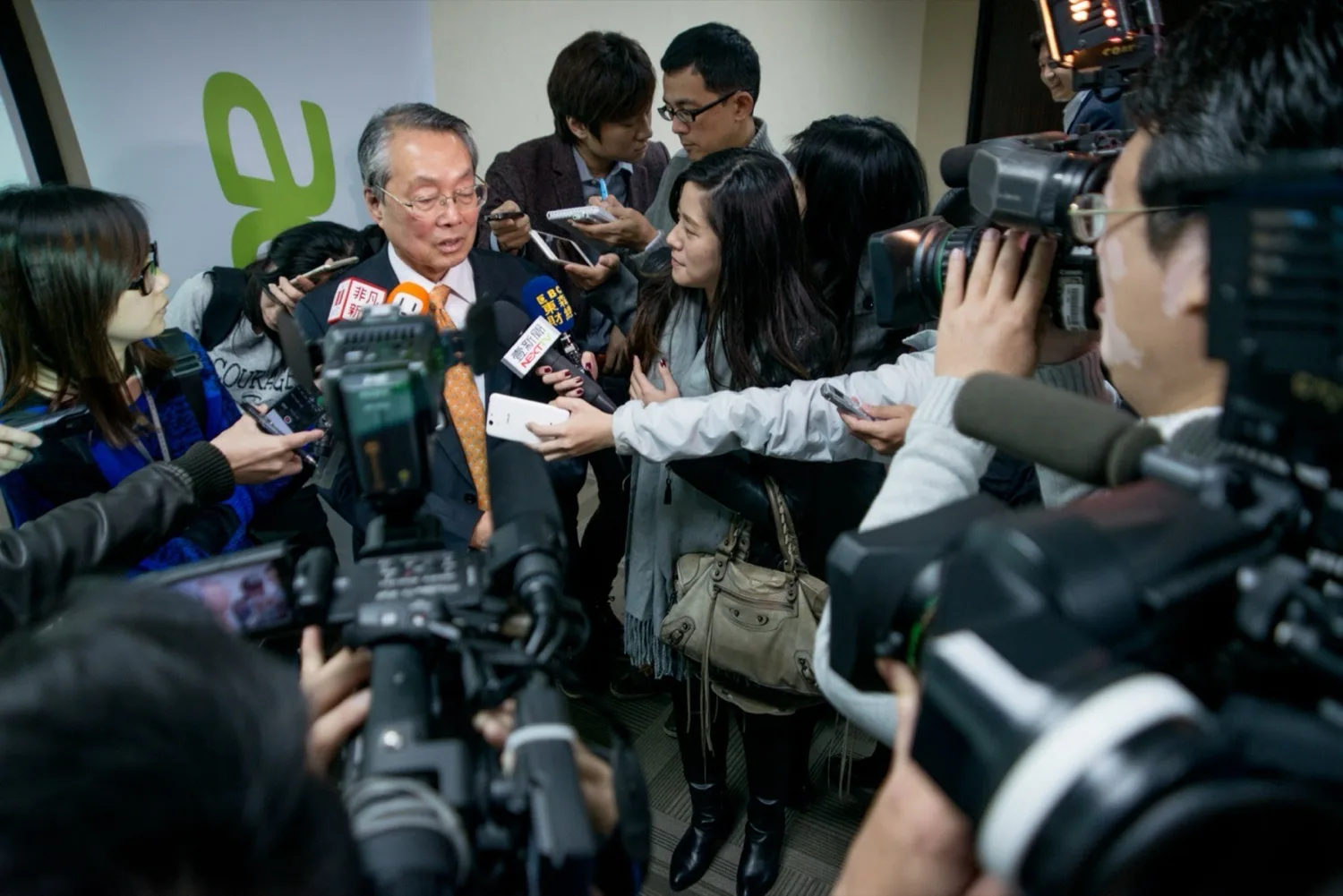
Acer創業者スタン・シー。1984年、「台北市電腦展」を「COMPUTEX TAIPEI」と改名し、この展示会に世界に向けた看板を掲げた。写真は2014年台北資訊月での取材風景。Photo: Tony Tseng, 2014-12-05. License via Wikimedia Commons.
1984年は転換点となった。Wikipediaと複数の報道によると、当時の台北市電腦商業同業公会理事長スタン・シー(後のAcer創業者)が決断し、この展示会の英文名を「COMPUTEX TAIPEI」と正式に改めた910。一人のローカルエンジニアによる命名が、本来台湾メーカー向けだった展示会に、世界に向けた看板を掲げたのだ。
翌年、1985年の第5回から、半官営の中華民国対外貿易発展協会(外貿協会、TAITRA)が共催に加わり、中文名も「台北国際電脳展」に改められた9。こうして二つのエンジンを得た:産業を理解し、メーカーのニーズに寄り添う民間公会、そしてリソースを持ち、展示会を国際的に押し上げる貿易振興機関。二つのエンジンが共に回り始め、展示会は上昇軌道に乗った。
1989年には、業界ではすでにアジア最大規模のコンピュータ展、世界ランキングではドイツ・ハノーファーのCeBITと米国のCOMDEXに次ぐ第3位と評価されていた9。それは台湾PC受託製造の黄金時代であり、ASUS、GIGABYTE、MSIといった後のグローバルブランドが、この展示会のブースから世界へ飛び出していった。
💡 ご存知ですか
COMPUTEXの会場は一区画ずつ「成長」してきた。1981年松山空港隣でスタート、1986年信義路の世貿一館に固定、2003年SARSで9月延期・初めて世貿三館を導入、2004年四館同時開催、2008年から南港展覧館一館(総投資約1.1億ドル)も加わった912。鉢替えせず枝を伸ばし続ける木のようだ。2026年には再び「世貿一館に回帰」し、初のAIロボット専門区を設置、二つの展示エリアで同時開催13。
三大コンピュータ展、二つが消滅
2000年代に入ると、世界三大コンピュータ展の天秤が傾き始めた。
最初に倒れたのは米国のCOMDEX。1979年ラスベガスでスタート、1996年に頂点:22.5万人来場、2,337社出展14。しかしドットコムバブル崩壊、9.11以降、IBM、Apple、Compaqなど大手が相次いで招待制プライベート発表会に切り替え、本来この展示会でディストリビューターと接触していた需要側が根底から崩れた。2003年開催は出展500社、来場4万人、ピークから8割減1415。翌年6月、主催のMediaLiveが「延期」を発表、それ以降二度と開催されなかった16。
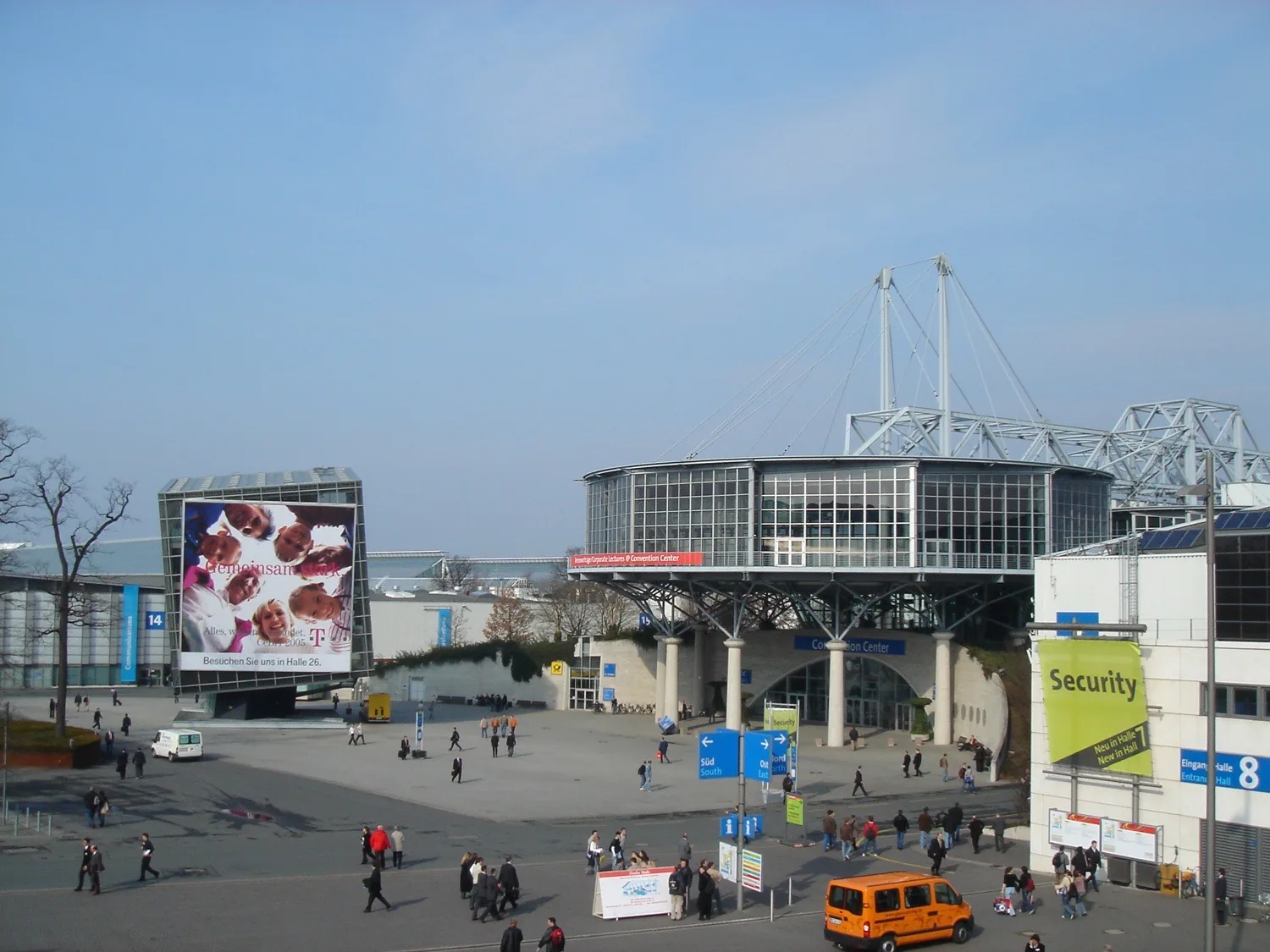
ドイツ・ハノーファーCeBIT 2005年の会場。ドットコムバブル全盛期、一時は85万人来場を記録し、紛れもない世界第1位だった。2018年、歴史に幕を閉じた。Photo: Florian K, 2005-03-16. License via Wikimedia Commons.
CeBITの死はより緩やかだったが、結末は同じ。1986年、ハノーファー工業見本市(Hannover Messe)から分離独立し、かつては世界第1位17。32年後の2018年11月28日、主催のDeutsche Messeが発表:「due to declining visitor and exhibitioner attendance, CeBIT would be canceled for the foreseeable future」(来場者と出展者の継続的減少により、CeBITを当面の間中止する)1819。
二つの展示会、死因は異なるが、構造的な位置づけは一致していた:両方とも「需要側」の展示会だった。COMDEXは米国のバイヤー、メディア、ディストリビューターに売る場。CeBITは欧州に売る場。半導体とPCの製造重心が少しずつアジアへ移動すると、欧州のバイヤーはハノーファーより直接台北へ飛び、米国の記者も製品発表会のためにラスベガスへ詰める必要がなくなった。需要側の展示会から空洞化していったのだ。
COMPUTEXが生き残ったのは、供給側にあったからだ。この都市の背後には1500社の出展者、6000ブース、ウェハーからパッケージング、PCB、コネクタ、組立受託までの完全なチェーンがある11。バイヤーがここへ来なければエンジニアに会えず、次世代冷却ソリューションを見られず、3か月で試作を納品できる受託メーカーに触れられない。「世界級コンピュータ展」という同じ看板でも、生き残ったのは製造サイドに根差していた方だった。
補足しておく:「三大コンピュータ展、残ったのは台北だけ」と言うときは明確に——米国のCES(ラスベガス)は今も毎月1月開催だが、とっくにコンピュータ展から家電総合展へ転身している。スペイン・バルセロナのMWCがモバイル通信時代の主戦場を引き継いだ。データセンター界にはOCP Global Summit、スーパーコンピュータ界にはSC会議がある。COMPUTEXが「残った一つ」なのは、「製造と結びついた汎用コンピュータ展」という細分類に限定される話であり、地球上の他のテック大型展示会がすべて終わったわけではない。
2016年、あの「Your Moment of Zen」
振り返れば、COMPUTEXは一直線の上昇曲線ではなかった。2012年、世界PC出荷台数が初めて前年割れ、スマートフォンが消費側の関心を総取り20。Intelの14nm Broadwellプロセスが予定の2014年第2四半期から第4四半期へ遅れ、「Tick-Tock」リズムが以降3年サイクルへ変更2122。それらの年のCOMPUTEXブースには「PCは死んだ」の陰が漂った。
そしてPC冬の時代最深部、2016年6月1日水曜午前、AMD CEOリサ・スーがCOMPUTEXメインステージに立った。
彼女は消火に来たのではない。エンジンを換装しに来たのだ。
ステージで8コアプロセッサを掲げ、コードネーム「Summit Ridge」、デスクトップ向け、アーキテクチャ名は「Zen」。そして後にPC自作界で「転骨宣言」と呼ばれる言葉を放った:「Zen is delivering 40 percent more IPC than our previous processor.」Zenのクロックあたり命令実行数(IPC)は前世代比40%向上23。続けてこう付け加えた:「Zen is a from scratch architectural design, for those of us who do those you know it takes a lot of work.」Zenはゼロからの全く新しいアーキテクチャ設計、アーキテクチャをやった人間ならわかる、どれだけの工数がかかるか2423。
当時メディアは半信半疑だった。AMDはBulldozer世代でIntelに完敗、ここ数年はローエンド市場のみ、ブランド価値は谷底。「from scratch」「40% IPC向上」といった約束、過去10年で何度聞いただろう。Wccftech、PC Perspective、TweakTownが同日タイトルを並べた様子は賭けのようだった:「Here It Is! Your Moment of Zen!」232425
そしてZenは約束を果たした。翌年3月2日、Ryzen 7 1700X発売、Intelのハイエンドデスクトップ市場が出血し始めた。AMD時価総額は、リサ・スーが2014年就任時の30億ドル未満から、2020年には1000億ドル規模へ。COMPUTEXのブースでは、マザーボードメーカーが再び売るものを持ち、クーラーメーカーが再び受注を得て、PC自作ファンが再び毎年春、台北へ飛ぶ理由を取り戻した。
リサ・スーは台南生まれ(1969年)、3歳で家族と共に米国ニューヨーク・クイーンズ区へ移住、父は統計学者、母は会計士26。ちなみに、ジェンスン・フアンと彼女はfirst cousins once removed(従兄弟の一度違い)の関係——ジェンスン・フアンの母はリサ・スーの祖父の妹にあたる27。運算産業の地形を書き換えた二人のCEO、ルーツは共に台南にある。
あの2016年の基調講演は、COMPUTEXがPC冬の時代から転骨する伏線となった。だがさらに7年後、ジェンスン・フアンが2023年COMPUTEXのステージで「We're back」と語るまで待たねばならなかった28——その年彼はGrace Hopperスーパーチップを発表、NVLinkで256個のH100を繋ぎ1 exaflopのDGX GH200を構築、生成AIをすべてのデータセンターへ持ち込んだ。COMPUTEXはそこからPC冬の時代を脱し、AIの主戦場へと変貌した。
💡 ご存知ですか
COMPUTEXは2016年、同時にInnoVEXスタートアップ特区を開始。初回217社、22か国、外貿協会EVPのイエ・ミンシュイは当時「completely surpassed our expectations」と語った29。展示範囲を成熟PCハードウェアからAI、IoT、スタートアップへ拡張。2026年InnoVEXは23か国約500社、11年ぶりの新高値11。COMPUTEXの次の身体は、その時すでに隣のブースで静かに育ち始めていた。
資訊月の鏡像:同じ島、二つの展示会
この島にはもう一つのコンピュータ展示会があったが、生き残らなかった。
資訊月。1980年政府主導の「資訊週」として始まり、1985年「資訊月」と改名、毎年12月台北世貿で開催、一般家庭向けにPCを販売。1台のPC、1台のプリンター、1セットのバンドルソフト、年末ボーナスとお年玉に合わせ、それが7〜9年生だった私たちが父親と一緒に歩いた展示会だった30。
2001年、台北市電腦同業公会が資訊月の主催権を民間8公会の共催へ移譲30。その後曲線は下向きになった。2010年代以降、EC台頭、スマホが家庭用PCに取って代わ、消費層が分散、資訊月の役割は「年間大セール」から、カメラ展、モーターショー、ECセールの隙間に押し出される一つの日程へと変質した。
二つの展示会、同じ島で開催。一つは5月、一つは12月。一つはB2B、一つはB2C。一つは来台する外国人バイヤー向け、一つは地元家庭消費者向け。COMPUTEXは拡大し続け、資訊月は徐々に退場した。
供給側の展示会が生き残り、需要側の展示会が終焉へ向かう。COMDEX、CeBIT、資訊月は同じ物語を、3つのバージョンで語った——バイヤーは老いる、バイヤーは移る、バイヤーはAmazonに奪われる。だが製造がどこに残るか、そこへ次世代エンジニアが向かう。台北はチップを離れたことがない。
誰も撮らないあの6000ブース
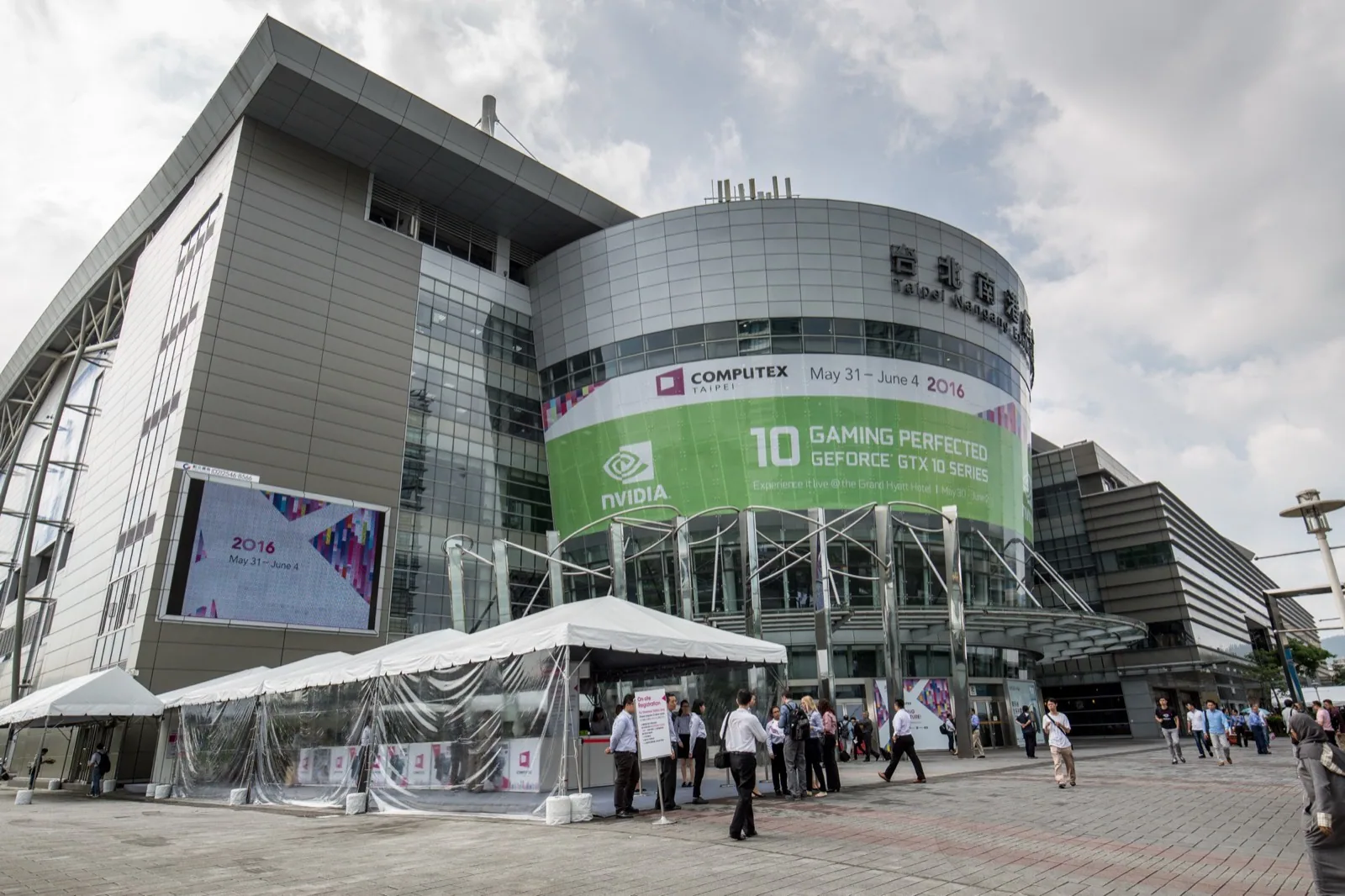
南港展覧館一館、2016年COMPUTEX期間中の外観。COMPUTEXは2008年から南港をメイン会場に組み入れ、2026年の「二会場制」は南港と世貿一館への回帰。Photo: NVIDIA Taiwan, 2016-05-31. License via Wikimedia Commons.
毎回COMPUTEXのカメラはメインステージを向く。だが実際の展示場へ足を踏み入れれば、6000ブースの大半は、あなたが名を挙げられないメーカーだ。
彼らはヒートシンクを作り、コネクタを作り、シャーシを作り、電源ユニットを作り、構造部品を作り、受動部品を作り、テスト治具を作る。ブースは小さく、営業と調達が立ち話をし、ショーガールもフォトスポットもない。彼らの顧客はQuanta、Wistron、Foxconn、さらに上流はNVIDIA、AMD、Intel。競合は新荘、桃園、台中、台南に散らばり、多くは兄弟工場や師匠から独立した同業他社だ。
これらのブースこそがCOMPUTEXの身体だ。業界推計では、世界のAIサーバー約9割がこれらの企業によって組立出荷されている31。だが彼らが稼ぐのは上流の金ではない。受託製造業には自嘲の言葉がある「毛利3〜4%」、粗利率は3〜4%を行き来し、業界では冗談めかして「茅山道士(役立たずの道士)」と呼ぶ32。対照的にTSMCの粗利率は50%前後、NVIDIAは70%前後だ。
しかも作れば作るほど苦しい。AIラック単価は高いがメモリコスト上昇、組立費は比例して上げられず、粗利率はさらに圧迫される。Wistron 2025年第4四半期5.88%、Quanta同年第3四半期6.85%、この構造が2026年の決算説明会で繰り返し語られた33。
メインステージのスポットライトは眩しいが、ステージ裏のブースこそがこの展示会の骨格だ。それらがなければ、どれだけの基調講演があっても、エンジニアリングサンプルの匂いには届かない。
上銀が減速機を人型ロボットの関節に接続
2026年最も足を止めて見るべきブースの一つは、台中にあった。
上銀科技(2049)は精密伝動で40数年、ボールねじから始め、後にハーモニック減速機、リニアアクチュエータモジュール、電動グリッパーを一品ずつ積み上げ、本来の顧客は工作機械メーカー、半導体装置メーカーだった。2026年6月3日、工商時報の見出しはこう伝えた:「精密伝動大手上銀科技(2049)2026年初めて異業種参入しCOMPUTEX出展」34。
「初めて異業種参入出展」という言葉は立ち止まる価値がある。40数年の台中伝動メーカーが、2026年初めてコンピュータ展へ足を踏み入れた。彼らが持ち出したのは3つの統合製品:米国スタートアップと協業の双腕物流ロボット;人型ロボットのコアモジュール(同じボールねじ、ハーモニック減速機、モーター、ドライバー、リニアおよび回転アクチュエータモジュール);そしてスマートグリッパーと半導体スマート装置ソリューション34。
過去40年、工作機械のために培ってきた技術を、ジェンスン・フアンが語る「フィジカルAI」の身体へ丸ごと接続したのだ。1981年COMPUTEX第1回、松山空港隣のブースで売られていたのはコンデンサ、抵抗、マザーボード、香港バイヤーが持ち帰ってPCを組み立てるためのもの。2026年世貿一館AIロボット専門区では、180社以上が実機で「センサー、モーター、減速機からシステム統合までの完全な産業チェーン」を動的デモ35。45年同じ曲線上、コンポーネントの定義がコンデンサから減速機へ変わっただけだ。
外貿協会董事長のファン・チーファンは、台湾が「グローバルテクノロジー製造の重鎮からさらに『グローバルAIソリューションセンター』へ飛躍すること」を期待すると語った35。Foxconn、Pegatronなど、本来AIサーバーを組み立てていた受託メーカーも、2026年展示会でロボットを披露し始めた36。
台北に別れを告げる:置き去りにされたゲーマー
しかし今年のCOMPUTEX、置き去りを感じた人々もいた。
Tom's Hardwareは2026年6月5日付Day 4レポートで、タイトルをこう打った:「COMPUTEX 2026, Day 4 — the B2B shift, and we say farewell to Taipei」(COMPUTEX 2026 第4日——B2Bシフト、台北に別れを告げる)37。記事は一週間の観察を一文で要約した:「COMPUTEX 2026 had far more B2B-focused companies in attendance, whereas in the past, the show typically featured strictly consumer products and companies that feed into that ecosystem.」(今年のCOMPUTEXにはB2B志向の企業が過去より遥かに多く出展していた。かつてこの展示会は純粋に消費者向け製品と、そのエコシステムを支える企業が主体だった。)37
開幕日、Tom's Hardwareのジェフリー・カンプマンはすでに予防線を張っていた:「In a world where nobody is launching truly new graphics cards, my COMPUTEX week will almost certainly be defined by data center products, integrated graphics processors, and AI accelerators of various shapes and sizes.」(真に新しいグラフィックカードを発表する企業が誰もいない世界において、私のCOMPUTEXウィークはデータセンター製品、統合型GPU、様々な形状のAIアクセラレーターによって定義されることになるだろう。)38
PC Gamerの観察は別の方向を向いていた:「COMPUTEX 2026 has really highlighted the fact that PC gaming tech isn't all about gaming anymore.」(COMPUTEX 2026は、PCゲーミング技術がもはやゲームだけのためのものではない事実を鮮明に浮き彫りにした。)39
証拠は現場の空気だけではない。2026年第1四半期、消費者向けDRAMが110%上昇、消費者向けSSDが147%上昇。32GB DDR5メモリキットが1年前の100ドル強から350ドル以上へ跳ね上がった40。AMDのRDNA 5ゲーミングGPUは受託メーカーから2027年下半期、あるいは2028年初頭へ延期と伝えられた。NVIDIAの次世代消費者向けGPUも同じ時期へスライド41。展示会のクーラーブースではRGBファンではなく液冷プレートが並び、かつてハイエンド自作機を求めていたゲーマーたちは、今年も来年も真に新しいGPUを買えない現実を突きつけられている。
メインステージにはフィジカルAI、Vera Rubin、Year of Agentsが与えられた。ブースには液冷プレート、減速機、人型ロボットモジュールが与えられた。数年前までメインステージで新GPU、新RGBケースを探していたゲーマーたちは、展示会の端っこ二列へ押しやられるか、あるいは最初から入場しなかった。COMPUTEXはPC冬の時代からAIによって救われ、生き残った。だが今回の生存が、かつてのすべての顧客層がまだ中にいることを意味しない。
AI主戦場を支えるのはデータセンターではなく、チップを刻む工場だ
メインステージが熱を帯びれば帯びるほど、エネルギーの勘定は重くなる。
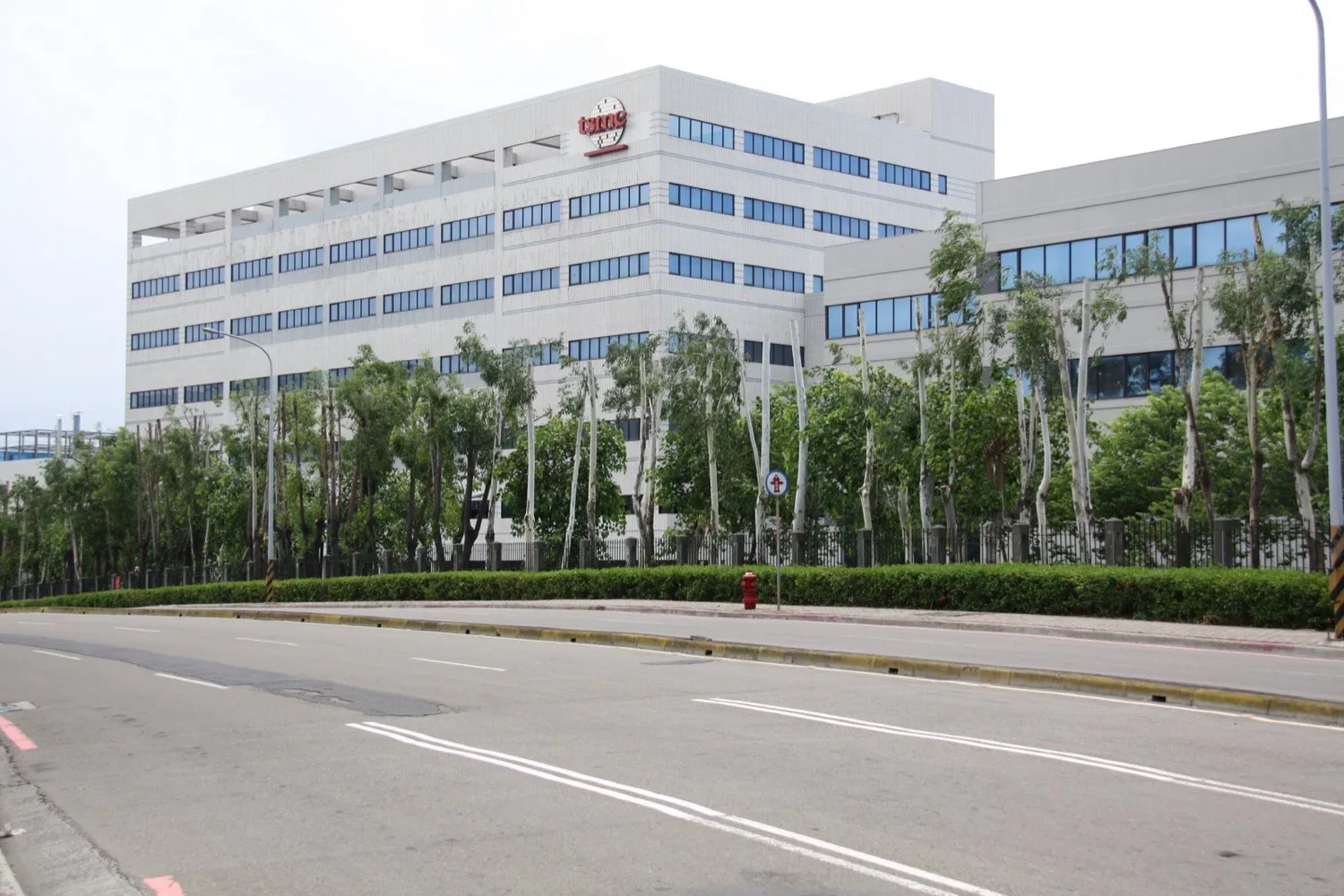
新竹科学園区のTSMC工場。COMPUTEXメインステージのこのチェーンを支え、真に電力を食うのは下流のデータセンターではなく、上流でチップを刻むTSMCのファブだ。Photo: Arusanov, 2009, Public Domain. License via Wikimedia Commons.
『報導者』2026年4月20日のエネルギー特集が、直感に反する対比を示した:2025年データセンター消費電力「2025年全国消費電力2,828億kWhと比較しても、シェアは約0.5%に過ぎない」。同年「半導体製造業」消費電力は423.8億kWh、全国消費電力の約15%を占める42。
つまり、COMPUTEXメインステージのGB300、Vera Rubin、Dragonflyを支えるこのチェーンで、真に電力を消費しているのは末端ではなく、上流でチップを製造するTSMCのファブだ。S&P Global試算では、2024年TSMC消費電力は台湾全国の約8%、工業部門の16%を占め、2030年にはウェハー生産能力が2023年比90%増となるにつれ、最大24%に達する可能性43。
AI側の成長も同様に急だ。経済部エネルギー署2023年「全国供電情勢報告」推計:「台湾AI技術電力需要は、2023年の24万kWから2028年には224万kWへ、実に200万kW増、成長率8倍」44。
電力構造が持たない兆候は早々に現れた。2024年8月初旬、台電が衝撃発表:桃園以北で5MW以上のデータセンター新規申請を受け付けない4245。背景には当年北部消費電力930億kWh、発電量わずか750億kWhの200億kWh需給ギャップ45。経済部次官のツェン・ウェンションは補足:この政策は「データセンター機室のみ対象」、R&Dセンター、スーパーコンピュータは影響を受けない45。台北のコンピュータ展が毎年賑々しく4日間開催される裏で、それを支えるこの島の年間電力勘定は、年々難しくなっている。
同じ不可代替性、盾から標的へ
過去10年、台湾で最も引用された概念は「シリコンシールド」。意味は:世界最先端チップの92%が台湾で生産されるため、いかなる武力衝突もグローバルテック産業を破壊することになり、理論上この島は攻撃されない。
2025年以降、この概念が反転し始めた。
CSET(Center for Security and Emerging Technology)とLawfareが2025年8月21日共同発表した分析はこう書く:「The more both sides treat advanced AI as a decisive strategic imperative, the greater the risk that Taiwan's once-vaunted 'silicon shield' could become a target.」(米中双方が先進AIを決定的戦略必須と見なせば見なすほど、台湾がかつて誇った『シリコンシールド』が標的になるリスクは高まる。)4647
記事は北京の動機をこう推測する:「Beijing may view going on the offensive as its best shot at accomplishing two strategic objectives at once: achieving 'reunification' and leveling the AI playing field.」(北京は攻勢に出ることを、二つの戦略目標を一度に達成する最良の機会と見なすかもしれない:『統一』の達成、同時にAI競争の場を均すこと。)46
Newsweek同年1月22日掲載のケリー・ブラウン書評も:「In the current scenario, TSMC's position makes China covet Taiwan even more.」「For all the talk by Taiwanese officials of the 'silicon shield' protecting them, reliance on it as an absolute guarantee of the island's safety and security would be foolhardy.」(現在の情勢下、TSMCのポジションが中国の台湾への覬覦をさらに強めている。「台湾当局者が『シリコンシールド』による保護を語れば語るほど、それを島の安全の絶対的保証と見なすのは無謀だ。)48
同じ不可代替性が、1年で記号を入れ替えた。
台湾メーカーの回答は「中国プラスN」。Wistron生産能力の7割はすでにメキシコ。Compalは中国からベトナム、インド、ブラジル、ポーランド、メキシコへ拡大、さらに2024年新たに米国追加3349。Foxconn 2024年8月、メキシコ・チワワ市でAIサーバー向けに2.41億ドル追加投資。同年10月、Foxconn上級副総裁のベンジャミン・ティン(丁朗哲)がFoxconnテックデーで発表:「building the largest GB200 production facility on the planet」(地球上最大のGB200生産施設を建設中)、月産2万台、年産24万台のBlackwell級サーバー5051。Quantaもメキシコ・モンテレイでAIサーバーとEV部品の増産52。
サプライチェーン調査会社Z2Dataは2025年3月レポートでタイトルを打った:「Why 'China Plus One' Has Become 'Anywhere but China'」(「中国プラスワン」がなぜ「中国以外ならどこでも」になったのか)、本文で説明:「What began as the cautious 'China Plus One' strategy—where companies maintained China operations while establishing backup manufacturing elsewhere—has evolved into something far more decisive: 'Anywhere but China.'」(もともと慎重な「中国プラスワン」戦略——中国生産ラインを維持しつつ別拠点にバックアップを構築——は、遥かに決断的な「中国以外ならどこでも」へ進化した。)53
ダラス連銀2025年貿易報告が追加:メキシコの自動データ処理機器輸出、過去1年で倍増以上、2025年850億ドル突破。2025年台湾企業のテキサス州向け開示予定FDIは53億ドル54。
シリオンシールドと分散配置、この島は同時に両端を握る。一方では自分を攻撃しにくくし、一方では万一の際にも世界へ供給し続けられるように。COMPUTEXステージのCEOたちの言葉が美しければ美しいほど、ブースのエンジニアたちが背負うこの二重の重圧は重くなる。
台北こそがすべての始まり
2026年6月1日、肉粽と豚足が並んだ背景ボードの裏で、ジェンスン・フアンはこう語った:「Taiwan possesses the world's best supply chain ecosystem.」(台湾は世界最高のサプライチェーンエコシステムを持っている。)2
彼がこの言葉を語ったとき、ステージ下にはメディアだけでなく、上銀、Quanta、Wistron、Foxconn、Chicony、Chunghwa、Acer、Pegatron、Deltaのエンジニア、営業、董事長が座っていた。さらにその裏には、新荘のトタン小屋でPCBを作る職人、桃園の機械でコネクタを溶接する女性工、台中車で30分圏内の700社以上の工作機械・精密伝動メーカーの次世代後継者、台南科学園区でプロセスを回す30歳の博士たちがいる。
1981年松山空港隣のブースで売られていたのは、香港バイヤーが持ち帰って組み立てるマザーボード。2026年世貿一館AIロボット専門区では、180社が実機で減速機、モーター、グリッパーをデモ。間の45年、この島はただ一つのことをやり続けてきた:先進国がアウトソースした「製造」を、世界が避けて通れないレベルまで高めること。
COMDEXが死んだのは、ラスベガスで開催されていたから——バイヤー、メディア、発表会という需要側。CeBITが死んだのは、ハノーファーで開催されていたから——欧州のバイヤー、欧州のメディア。資訊月も衰退した、台北で開催されていたが台湾家庭の小売側を向いていたから、その小売側がECとスマホに切り取られた。
COMPUTEXが生き残ったのは、台北で開催されているから——この島の供給側。次に「ジェンスン・フアン来台」「3人のCEO同台」のニュースを見たら、こう読み解ける:グローバルコンピューティングのインフラが、毎年、それが実際に組み立てられている場所へ、巡礼に戻ってくるのだ。
NVIDIA GTC Taipei 2026 基調講演完全版(NVIDIA公式チャンネル):
NVIDIA公式チャンネル:ジェンスン・フアン 2026年 GTC Taipei 基調講演完全版、「帰ってこられて嬉しい」、Vera Rubin全面量産、背景ボードの肉粽と豚足。
NVIDIA COMPUTEX 2024 基調講演完全版(NVIDIA公式チャンネル):
NVIDIA公式チャンネル:ジェンスン・フアン 2024年 COMPUTEX 基調講演完全版、「AI工場」概念と「台湾は名もなき英雄」逐語。
関連記事:
- 半導体産業 — COMPUTEXメインステージを支えるこのチェーン、源流は新竹・台中・台南のファブにある
- 台湾人工知能発展と未来戦略 — サーバー組立からフィジカルAIへ、台湾AI産業が二度目の転骨
- 台湾ロボット産業 — 上銀初出展COMPUTEXはこのサプライチェーン形成の重要な断面
- 台湾電気自動車産業チェーン発展 — AIサーバーと並ぶもう一つの製造主軸
- NVIDIA在台湾 — ジェンスン・フアンの台南幼少期から台北GTC Taipei主戦場まで
画像出典
本文ではWikimedia Commonsパブリックドメイン/CCライセンス画像6枚を使用、すべてpublic/article-images/technology/にキャッシュしホットリンクを回避;さらにNVIDIA公式チャンネルYouTube動画2本を埋め込み(ジェンスン・フアン 2024、2026基調講演):
- COMPUTEX Taipei sign inside Taipei Nangang Exhibition Center — Photo: Masaru Kamikura, 2011-05-31, CC BY 2.0(ヒーロー画像:南港展覧館内のCOMPUTEX展示会場と看板)
- Stan Shih at Taipei IT Month 2014 — Photo: Tony Tseng, 2014-12-05, CC BY 2.0(スタン・シー 2014年台北資訊月取材)
- CeBIT Hannover 2005 — Photo: Florian K, 2005-03-16, CC BY-SA 3.0(ドイツCeBIT 2005会場人波、世界最大コンピュータ展、2018年終了)
- TSMC factory Hsinchu — Photo: Arusanov, 2009, パブリックドメイン(PD)(新竹科学園区TSMC工場)
- COMPUTEX Taipei at Taipei Nangang Exhibition Center — Photo: NVIDIA Taiwan, 2016-05-31, CC BY 2.0(南港展覧館メイン会場外観)
- Jensen Huang at COMPUTEX Taipei — Photo: NVIDIA Taiwan, 2016-05-31, CC BY 2.0(ジェンスン・フアン COMPUTEXステージ講演)
EVOLVE新規セクション(リサ・スー 2016メインステージZen予告 / 資訊月対比 / Tom's Hardware「farewell to Taipei」B2Bシフト / 上銀初出展)は現時点で新規画像未補完:2016年リサ・スー基調講演現場に適したPD/CC画像未発見、Tom's Hardware記事画像は商業メディア著作権、いずれもテキスト記述のみ。将来的にAMDニュースルーム公開授権の2016基調講演画像、またはHIWIN公開授権の2026双腕ロボット展示画像が発見され次第補完予定。
参考資料
- 聯合報:ジェンスン・フアン GTC Taipei 2026基調講演「帰ってこられて嬉しい」(2026) — 2026年6月1日COMPUTEX期間中のGTC Taipei基調講演を報道、「帰ってこられて嬉しい」「有用なAIが到来」「エージェンティックAIが到来」逐語、Vera Rubin/Vera CPU/N1X製品発表、および背景ボードに王記府城肉粽、富霸王豚足等台湾飲食店掲載。↩234
- TradingKey:ジェンスン・フアン GTC Taipei 2026基調講演 — AIがエージェンティック時代へ(2026) — ジェンスン・フアン 2026 GTC Taipei基調講演「It is great to be back home」「AI agents will be the largest users of computing. Vera is the first CPU designed for that future」「Taiwan possesses the world's best supply chain ecosystem」逐語引用整理、並びにVera Rubin量産時程とBlackwell Ultraアップグレード補足。↩23
- Wikipedia:ジェンスン・フアン — ジェンスン・フアン 1963年生、台南育ち、1973年9歳で渡米、オレゴン州立大学とスタンフォード電機卒、1993年クリス・マラコフスキー、カーティス・プリムと共にNVIDIA創業の経歴収録。↩
- Seeking Alpha:Nvidia highlights agentic and physical AI partnerships at COMPUTEX(2026) — ジェンスン・フアン 2026 GTC Taipei「agentic AI has arrived, that useful AI has arrived」逐語、フィジカルAIと重要パートナー配置、およびウォール街のNVIDIA COUPUTEX 2026戦略的位置への反応を収録。↩
- Qualcomm Newsroom/TradingView:Qualcomm says 2026 is the 'Year of Agents' — unveils Dragonfly AI data center brand(2026) — クリスティアーノ・アモン 2026年6月1日南港展覧館二館開幕講演、「Year of Agents」定調とQualcommデータセンター新ブランドDragonfly、TSMCおよび台湾ODMとの協力詳細を報道。↩
- Intel Newsroom:COMPUTEX 2026 — An Intelligent World Built on Silicon(2026) — Intel公式ニュースリリース、パット・ゲルシンガー(陳立武)初めてIntel CEOとしてCOMPUTEX 2026基調講演、含「x86 has powered data centers for more than five decades」「compute must be reinvented beyond the socket to rackscale systems to accommodate the needs of agentic AI workloads」逐語、Xeon 6+とRackscale Blueprints紹介。↩
- 今周刊:COMPUTEX 2026 CEO同台、企業時価総額10兆ドル超(2026) — 2026年ジェンスン・フアン(NVIDIA)、パット・ゲルシンガー(Intel)、クリスティアーノ・アモン(Qualcomm)3人のCEO基調講演・フォーラム約30名講師所属企業時価総額合計10兆ドル超の算出(リサ・スーは当年訪台も基調講演なし)。↩
- TaiwanPlus:AMD's Lisa Su kicks off CEO-studded COMPUTEX show in Taipei, announces $10B Taiwan investment(2026) — リサ・スー 2026年5月20〜21日訪台5日間行程、AMD台湾向け今後数年100億ドル追加投資詳細(TSMC協力と台湾R&Dセンター拡充含む)、および彼女が2年連続COMPUTEXメインステージ基調講演なし、CES 2026メイン基調講演はジャック・フインに譲渡済みを説明。↩
- Wikipedia:台北国際電脳展覧会 — COMPUTEX 1981年第1回「台北市電腦展」以来の完全沿革収録:1984年改名、1985年外貿協会加入・更名「台北国際電脳展」、歴年規模数字、世界ランキング変遷、会場拡張タイムライン、InnoVEX設立。↩23456
- 界面新聞:台北コンピュータ展40年(COMPUTEX歴史回顧) — COMPUTEX 1981年輸出商展、1984年スタン・シー改名、1985年外貿協会主催化、1989年アジア最大、2003年世界第2位躍進、2012年PC出荷減少後下降への完全な脈絡と逐年規模数字を詳述。↩2
- 経済日報:COMPUTEX 2026 規模過去最高(2026) — 2026年会期6月2〜5日、4展示館、33か国1500社6000ブース、三大主軸(AIと演算/ロボットとモビリティ/次世代テクノロジー)、および世貿一館新設AIロボット区、電子ペーパー専門区、TechXperience、InnoVEX 23か国約500社11年ぶり新高値を報道。↩23
- Wikipedia:Taipei Nangang Exhibition Center — 南港展覧館一館 2005年3月着工、2008年3月開業、総投資約1.1億ドル、および二館後続建設の会場建設史とCOMPUTEX進駐時序を収録。↩
- 聯合報:ファン・チーファン語るCOMPUTEX 2026二会場制とAI Together(2026) — 外貿協会董事長ファン・チーファン逐語発言「初めて二会場制採用、南港展覧館一・二館に加え、世貿一館へ回帰、史上最大規模」「AI Together象徵台湾がグローバルテック産業と手を携え、未来AI文明の新章を共創」、および世貿一館AIロボット区、電子ペーパー専門区、TechXperience三大専門区とフィジカルAI、具身知能の計画を収録。↩
- Wikipedia:COMDEX — COMDEX 1979年ラスベガス創業、1996年22.5万人来場/2,337社出展のピーク、2003年500社出展/4万人来場へ崩落、2004年MediaLive延期発表後二度と再開せずの完全タイムラインを収録。↩2
- Exhibit City News:The Rise and Fall of COMDEX 1979-2006 — 業界特集、COMDEX 1979年創業から2003年崩落、2004年延期発表までの27年完全興亡史、含逐年来場者・出展社数対照、ドットコムバブル崩壊と9.11のIT展示会への衝撃分析。↩
- Tampa Bay Times:COMDEX tech show called off this year(2004-06-28) — 2004年6月主催MediaLive(Key3Media再編後)正式発表COMDEX延期、IBMとApple等大手が招待制発表会へ転換の詳細、COMDEX退場の鍵となる一手ニュース。↩
- Wikipedia:CeBIT — CeBIT 1986年ハノーファー工業見本市(Hannover Messe)から独立、1980-90年代世界最大IT展示会、2001年ピーク85万人来場、2018年Deutsche Messe終了発表の32年ライフサイクル、およびHannover Messe 1984-11分離決定背景を収録。↩
- 中央社:ドイツCeBITコンピュータ展が歴史に幕(2018) — ドイツ・ハノーファーCeBIT 2018年11月終了発表を報道、来場者・出展者減少、市場がCES/MWC/COMPUTEX/IFAに分食された原因分析、および「毎年6月の台北国際電脳展がアジア受注メーカーに地利の便あり、規模再三拡大」と指名。↩
- BroadbandTVNews:German trade fair CeBIT cancelled(2018-11-28) — Deutsche Messe AG 2018年11月28日CeBIT終了発表公式ニュース、含「due to declining visitor and exhibitioner attendance, CeBIT would be canceled for the foreseeable future」公告逐語。↩
- Wccftech:Intel 14nm Broadwell Q4 2014 delay confirmed — Intel 14nm Broadwellプロセス、予定Q2 2014量産からQ4 2014遅延、Q1 2015まで完全上市せず、含プロセス歩留まり問題とTick-Tockリズムが以降Process-Architecture-Optimization 3年サイクルへ変更された内幕を報道。↩
- Guru3D:More on Intel 14nm Broadwell Q4 2014 delay — Intel 14nm Broadwell遅延のサプライチェーン影響、本来登場予定だったCOMPUTEX時期、およびAMDがIntel足止め期間にZen逆転計画策定した時系列対照を補述。↩
- Wikipedia:COMPUTEX — 英文Wikipedia COMPUTEX項目、2012年世界PC出荷初前年割れ、PC冬の時代COMPUTEXメディアナラティブ中地位下降、2016年InnoVEX設立、2018年CeBIT終了後COMPUTEX再び注目される等キーポイント収録。↩
- Wccftech:AMD Announces Zen 40% IPC Improvement Over Excavator(2016) — 2016年6月1日リサ・スーCOMPUTEX AMD基調講演メインステージZenアーキテクチャ予告報道、含「Zen is delivering 40 percent more IPC than our previous processor」逐語、Summit Ridge 8コア動作シリコン展示と2017 Q1 Ryzen消費者向け時程。↩23
- PC Perspective:COMPUTEX 2016 — Here It Is! Your Moment of Zen!(2016-06-01) — 現場一手報道、リサ・スー 2016年6月1日COMPUTEX基調講演末尾Zenアーキテクチャ予告、含「Zen is a from scratch architectural design, for those of us who do those you know it takes a lot of work」逐語、現場デモと当時メディアがAMD「from scratch」約束を懐疑した空気。↩2
- TweakTown:AMD will unveil Polaris GPUs and Zen APUs on June 1(2016) — AMD 2016年6月1日COMPUTEXでPolaris GPUとZen APU公開の時程予告、2014年リサ・スー就任から2016年Zen予告までの2年戦略配置を回顧対照可能。↩
- Wikipedia:Lisa Su — リサ・スー 1969年台南生まれ、3歳で渡米ニューヨーク・クイーンズ区、父スー・チュンホアイ統計学者、母会計士、MIT博士、IBMとFreescale経歴、2014年AMD CEO就任後Zen逆転推進の完全経歴を収録。↩
- Tom's Hardware:Jensen Huang and Lisa Su Family Tree — ジェンスン・フアンとリサ・スー家族関係整理:ジェンスン・フアンの母はリサ・スー祖父の妹、二人はfirst cousins once removed、家族ルーツ共に台南、この稀有なテックCEO親族チェーンを世代視点から説明。↩
- NVIDIA Blog:ジェンスン・フアン COMPUTEX 2023基調講演 — NVIDIA公式ブログ、ジェンスン・フアン 2023年5月29日COMPUTEXパンデミック後初の実体基調講演記録、Grace Hopperスーパーチップ量産発表、DGX GH200スーパーコンピュータ(NVLinkで256チップ接続、1 exaflop)、主軸は生成AIをすべてのデータセンターへ。↩
- BusinessWire:COMPUTEX 2016 InnoVEX 217 startups 22 countries(2016-06-03) — 外貿協会 2016年初回InnoVEXスタートアップ特区公式ニュースリリース、含217社スタートアップ、22か国出展データと外貿協会EVPイエ・ミンシュイ「completely surpassed our expectations」逐語。↩
- Wikipedia:資訊月 — 資訊月 1980年「資訊週」創業、1985年「資訊月」改名、2001年台北市電腦同業公会から民間8公会共催へ移譲の沿革、および2010年代以降来場・展示販売規模徐々に萎縮の観察を収録。↩2
- EE Times Taiwan:台湾受託が世界AIサーバー出荷約9割占有(2024) — 研究機関推計引用、台湾メーカー(Quanta、Wistron、Wistron、Inventec、Foxconn等)受託が世界AIサーバー出荷約9割占有、並びにTSMCが世界最先端チップ9割以上生産、CoWoS先進パッケージングがAI演算力ボトルネックとなるサプライチェーン定位を説明。↩
- 鉅亨網:Foxconn AIサーバー受託シェアと受託粗利分析 — Foxconn世界AIサーバー受託シェア約4割、世界首位、並びに電子受託業「粗利3〜4%」「茅山道士」の低粗利構造を報道、TSMCとNVIDIA上流の高粗利率と対照。↩
- 科技新報:AIサーバー生産能力海外移転と台湾メーカー多地配置(2025) — 台湾AIサーバー受託メーカーのグローバル生産能力配置を報道、含Wistron生産能力70%メキシコ、WistronとQuanta米国進出、およびCompalが台湾、中国、ベトナム、インド、メキシコ、米国等同時配置の「中国プラスN」分散戦略、並びにWistronとQuanta近年決算説明会粗利構造を補足。↩2
- 工商時報:上銀初出展COMPUTEX フィジカルAI構築(2026) — 精密伝動大手上銀科技(2049)2026年初めて異業種参入COMPUTEX出展、世貿一館AIロボット区で双腕物流ロボット、人型ロボットコアモジュール、スマートグリッパーとPLP半導体スマート装置ソリューション展示、背後に自社製ボールねじ、ハーモニック減速機、モーター、ドライバーと制御技術で構築したリニア・回転アクチュエータモジュール統合を報道。↩2
- COMPUTEX TAIPEI公式:2026世貿回帰、初のAIロボット展示区設置 — 外貿協会公式ニュース、COMPUTEX 2026世貿一館回帰、初のAIロボット展示区設置、世貿展示区180社以上集結「センサー、モーター、減速機からシステム統合までの完全な産業チェーン」実機動的展示、および董事長ファン・チーファン「グローバルテクノロジー製造重鎮からさらに『グローバルAIソリューションセンター』へ飛躍」逐語発言を収録。↩2
- 工商時報:COMPUTEX 2026 台湾メーカーブースと液冷が標準装備(2026) — 2026年Foxconn最大ブースでVera Rubin NVL72演算ラックとロボット展示、QuantaとWistronブース規模、およびGPU演算力向上・空冷が物理限界到達により液冷散熱が各大手受託メーカー標準展示品、サプライチェーンがAIサーバー組立からAIロボット組立へ延伸を報道。↩
- Tom's Hardware:Unfiltered COMPUTEX 2026 Day 4 — the B2B shift, and we say farewell to Taipei(2026-06-05) — Shields/Kampman/Roach/Alcorn共筆締めくくり文、一週間観察結論「COMPUTEX 2026 had far more B2B-focused companies in attendance, whereas in the past, the show typically featured strictly consumer products and companies that feed into that ecosystem」逐語。↩2
- Tom's Hardware:Unfiltered COMPUTEX 2026 Day 0 — peek behind the curtain(2026-06-01) — ジェフリー・カンプマン開幕前執筆、「In a world where nobody is launching truly new graphics cards, my COMPUTEX week will almost certainly be defined by data center products, integrated graphics processors, and AI accelerators of various shapes and sizes」逐語、消費者側見捨てられナラティブの開幕前予兆を提供。↩
- PC Gamer:COMPUTEX 2026 has really highlighted the fact that PC gaming tech isn't all about gaming anymore(2026) — PC Gamer現場観察文、ゲーマー視点からCOMPUTEX 2026「PC gaming tech isn't all about gaming anymore」の展示会光景と感受を回顧。↩
- Tom's Hardware:IDC expects PC prices to jump 8% in 2026 due to memory shortages(2026) — IDCレポート引用、2026年第1四半期消費者向けDRAM上昇110%、SSD上昇147%、32GB DDR5キット100ドル前後から350ドル以上へ押し上げられた市場データ。↩
- Tom's Hardware:AMD RDNA 5 gaming GPUs coming late 2027 according to AIBs at COMPUTEX — COMPUTEX 2026現場受託メーカー透露、AMD RDNA 5ゲーミングGPU 2027年下半期延期、NVIDIA次世代消費者向けGPU同期登場の時程、消費者側見捨てられナラティブの硬証拠。↩
- 報導者:データセンター消費電力と台湾エネルギー試練(2026) — 黄浩珉、孫文臨深度調査台湾データセンター消費電力現況、含2025年データセンター消費電力全国シェア0.5%、半導体製造業消費電力全国シェア約15%(423.8億kWh)の直感反する対比、2024〜2030年AI(含データセンター)新增消費電力累計約1.85GW、台電2024年起桃園以北5MW以上データセンター消費電力申請暫停の政策。↩2
- DCD:TSMC could account for 24% of Taiwan's electricity consumption by 2030(cite S&P Global) — S&P Globalモデル試算引用:TSMC 2024年消費電力台湾全国約8%、工業部門16%占有、2030年ウェハー生産能力2023年比90%増の794GWに伴い最大24%到達可能性。↩
- 公視 PTS:2030年全台消費電力推定成長13% AI電力需要増8倍(2024-07-15) — 経済部エネルギー署 2023年全国供電情勢報告引用、「AI技術電力需要、推定も2023年24万kWから2028年224万kWへ、実に200万kW増、成長率8倍」逐語。↩
- 数位時代 bnext:台電命令桃園以北拒供データセンター用電(2024-08-26) — 2024年8月初旬台電衝撃発表、桃園以北5MW以上データセンター用電不再核准の政策、含2023年北部消費電力930億kWh/発電量750億kWh/需給ギャップ約200億kWhの鍵データとツェン・ウェンション補充「政策僅針對データセンター機房」逐語。↩23
- Lawfare:Taiwan's Silicon Shield Is Turning Into a Target(2025) — 米法政メディアLawfareとCSET共同発表分析、「シリコンシールド」概念が2025年以降反転:台湾半導体の不可代替性が、武力抑止の盾から戦略的標的へ転換、含パワーズ・リッグスとブレスニックによる北京戦略動機推論逐語。↩2
- CSET Georgetown:Taiwan's Silicon Shield Is Turning Into a Target(2025) — CSETとLawfare共同発表同一分析、パワーズ・リッグスとブレスニック執筆、含「Beijing may view going on the offensive as its best shot at accomplishing two strategic objectives at once: achieving 'reunification' and leveling the AI playing field」逐語推論北京戦略動機。↩
- Newsweek:Is Taiwan's Silicon Shield a Security Guarantee or a Target?(2025-01-22 Kerry Brown書評) — ケリー・ブラウン著『Why Taiwan Matters』書評、含「In the current scenario, TSMC's position makes China covet Taiwan even more」「For all the talk by Taiwanese officials of the 'silicon shield' protecting them, reliance on it as an absolute guarantee of the island's safety and security would be foolhardy」逐語。↩
- Wikipedia:Compal Electronics — Compal Electronics項目、中国昆山、ベトナム、米国、ブラジル、ポーランド、メキシコ、インド(2024新規追加)7か国生産ライン配置収録、「中国プラスN」分散戦略の台湾メーカー代表事例。↩
- Mexico News Daily:Foxconn to invest US$241M in AI server manufacturing in Chihuahua(2024-08-22) — Foxconn Industrial Internet(FII)2024年8月メキシコ・チワワ州シウダ・フアレス(Ciudad Juárez)AIサーバー向け2.412億ドル追加投資公式ニュース、工場元々2005年稼働を報道。↩
- SCMP/Reuters:Foxconn builds world's largest Nvidia superchip production facility in Mexico(2024-10-08) — Foxconn上級副総裁ベンジャミン・ティン(丁朗哲)2024年10月8日Foxconnテックデー発表「We're building the largest GB200 production facility on the planet」「The demand is awfully huge」、投資約9億ドル、月産2万台Blackwellサーバー、年産24万台、メキシコ・グアダラハラ工場2025-26稼働を報道。↩
- Dallas Fed:Taiwan firms key to nearshoring and reshoring to support AI boom(2025) — ダラス連銀 2025年貿易報告、含Inventec/Pegatron/Wistronメキシコ・シウダ・フアレス設廠7500万〜2.5億ドル、Quantaモンテレイ増産AIサーバーとEV部品、メキシコ自動データ処理機器輸出2025年850億ドル突破、台湾企業2025年テキサス州向け開示予定FDI 53億ドル等データ収録。↩
- Z2Data:Why 'China Plus One' Has Become 'Anywhere but China'(2025-03-13 Michael Mariani) — サプライチェーン調査会社Z2Data分析文、含「What began as the cautious 'China Plus One' strategy—where companies maintained China operations while establishing backup manufacturing elsewhere—has evolved into something far more decisive: 'Anywhere but China'」逐語、台湾メーカー分散配置の鍵時系列と動機。↩
- The Diplomat:Taiwan Is Rewiring North America's AI Hardware Chain(2025-08) — 地政戦略角度から台湾AIハードウェアチェーン如何に北米生産地理(メキシコ/テキサス/ウィスコンシン)を再配線するか分析、Dallas Fed 2025データ以外の政策推進力と台湾メーカー投資意思決定モードを補述。↩
🧬 この記事を書いたとき、Semiont が考えていたこと