
30-Second Overview
Taiwan's fermented food and pickling culture integrates Minnan, Hakka, Indigenous, and Japanese techniques to develop a unique flavor system. From the stinky tofu found on street corners to the soybean curd kept in every household, from preserved vegetables to aged wines, these seemingly ordinary foods hold deep scientific principles and cultural heritage behind them. Fermented foods are not only part of the food industry but also serve as a cultural bridge connecting ethnic memory with modern life.
Keywords: stinky tofu, tofu curd, pickled vegetables, fermentation technology, microbiology, traditional crafts
Why It Is Important
Taiwan's fermented and pickling culture holds multiple significances. It preserves millennia of wisdom in microbial application, acting as a living fossil of ancient biotechnology, and serving as a repository of ethnic lifestyles and dietary philosophy. From the perspective of the food industry, the fermentation sector supports a complete supply chain, from household crafts to modernized production. Fermented foods contain probiotics and Vitamin B12, offering clear health value to modern people. Taiwan's unique fermented flavors have also become one of the cultural symbols recognized internationally for Taiwan.
Stinky Tofu: A Representative of Taiwanese Fermented Foods
Historical Origins and Localization
Stinky tofu originates from China1 and underwent a unique localization process in Taiwan:
Introduction Process:
- Around 1949, as provincial cuisines gathered during the government's relocation to Taiwan, stinky tofu also crossed the sea to Taiwan2.
- It developed a special flavor under Taiwan's subtropical climate.
- Later became popular at night markets and street stalls.
Taiwanese Characteristics:
- Moderate fermentation, smelly outside but fragrant inside.
- A milder texture, suitable for mass acceptance.
- Combined with Taiwanese seasonings to develop unique dipping sauces.
Production Techniques and Scientific Principles
Traditional Stinky Brine Preparation: Ancient stinky brine is made by pickling dozens of vegetables such as wild amaranth, bamboo shoots, chayote, winter melon, ginger, and Sichuan peppercorns in salt, allowing the vegetable juice to naturally ferment into a pungent odor. The specific details vary by household recipe. The first batch of stinky brine must be aged for over eight months before use2.
Microbial Science:
- Protein Decomposition: Bacteria decompose proteins into amino acids.
- Sulfide Compound Formation: Microorganisms further break down the sulfur-containing amino acids produced from protein, generating foul-smelling gases such as hydrogen sulfide and ammonia3.
- Flavor Compounds: Complex esters and aldehydes form layers of aroma.
Modern Industrial Development
Standardized Production:
- Strain isolation and culture technology.
- Fermentation condition control systems.
- Establishment of quality testing standards.
Food Safety Improvement:
- Processing hygiene is regulated by the Food Safety and Sanitation Management Act4.
- Microbial testing technology.
- Improved packaging and preservation techniques.
Tofu Curd: A Classic of Home Fermentation
Production Techniques and Characteristics
Traditional Method:
- Tofu Preparation: Select mature tofu and cut it into small pieces.
- Inoculation: Natural or artificial inoculation with Aspergillus mold.
- Mold Cultivation: Control temperature and humidity to grow white mycelium.
- Salt Curing: Cure and age by adding salt, wine, and spices.
Flavor Variations:
- White Tofu Curd: Light and mild, suitable for seasoning.
- Red Tofu Curd: Colored vividly by adding red yeast rice (hongqū).
- Spicy Stinky Tofu Curd: Incorporates chili peppers and Sichuan peppercorns for a stimulating spicy flavor.
Nutritional Value and Health Benefits
Nutritional Components:
- Rich in Vitamin B12.
- High quality protein that is easily absorbed.
- High content of minerals like calcium and phosphorus.
Health Functions:
- Promotes the balance of gut flora.
Pickled Vegetable Culture: The Wisdom of Home Preservation
Common Types of Pickles
Common pickled vegetables in Taiwanese homes include cabbage pickles, which are salted and dehydrated and then seasoned to be crisp and slightly sour, making them a refreshing side dish for summer meals. Pickled cucumbers are flavored with sugar and vinegar, resulting in a crisp and sweet taste, used both as an appetizer and as a topping ingredient for hamburgers. Dried radishes, known as càipú (菜脯) in Taiwan, are made by salting white radishes and sun-drying them; they are savory and slightly sweet, becoming more fragrant with age, and are an indispensable side dish for radish egg and fried rice vermicelli.
Principles of Pickling Technology
The osmotic action of salt reduces the water activity of ingredients, thereby inhibiting the growth of harmful bacteria, which is the core mechanism of preservation. Flavor comes from multiple chemical reactions: enzymatic decomposition of protein produces amino acids, lactic acid bacteria fermentation brings sourness, and the Maillard reaction generates characteristic aromas during heating or aging.
Alcoholic Fermentation Culture
Traditional Taiwanese Alcohol
The most representative traditional Taiwanese alcohol is Shaoxing wine brewed in Puli, which uses natural spring water from Puli for a rich and complex taste. Kinmen sorghum liquor employs traditional solid fermentation, resulting in a strong aroma and high alcohol content, making it one of Taiwan's most well-known spirits. Rice wine produced by the Taiwan Tobacco and Liquor Corporation is light and is the seasoning alcohol most commonly used in Taiwanese cooking.
Indigenous Traditional Alcohol
Millet wine has a brewing tradition among most Indigenous peoples in Taiwan. Traditionally brewed, its alcohol concentration is not high, and it is an essential drink for festivals and celebrations. Amis glutinous rice wine has a sweet and mild taste and plays an important role in the cultural rituals of the tribe.
Hakka Pickling Culture
Characteristic Preserved Foods
In Hakka preserved foods, fucai (福菜) is a product of long-term fermentation of mustard greens, known for its unique sour aroma; pickled mustard greens are dried and salted, resulting in a rich savory flavor, making them the soul ingredient for "pickled meat" (méi gān kòu ròu). Salted and air-dried pork is made using salt curing methods, which allows for long preservation and a mellow flavor.
Pickling Technology Features
Hakka pickling is typically carried out in cold winter weather to fully utilize ingredients during the harvest season. The high-salt environment provides natural antibacterial action, eliminating the need for chemical preservatives, which is the core logic of this traditional preservation technique.
Modern Fermentation Industry Development
Industrial Scale and Characteristics
At the technological level, the introduction of strain improvement, automated fermentation equipment, and quality control systems has led to the gradual standardization of traditional crafts. The product line has expanded from traditional pickles to functional fermented foods and health supplements, with international packaging being developed to enter overseas markets.
Food Safety Control
Fermented foods are regulated by the Food Safety and Sanitation Management Act and related hygiene standards; manufacturers must comply with microbial testing regulations. Testing technology covers rapid screening for pathogens, heavy metal content analysis, and additive component inspection, ensuring food safety from production to shelving.
Health Value and Scientific Research
Nutritional Value
The probiotics in fermented foods help improve gut flora balance, strengthen digestion and absorption, and boost immune function. The fermentation process also naturally generates Vitamin B12 and enhances the bioavailability of B vitamins and Vitamin K2. Furthermore, polyphenols produced during fermentation have antioxidant effects, helping to slow cellular aging.
Modern Scientific Research
Academia conducts systematic analyses of traditional Taiwanese microbial strains, researching their functional characteristics and attempting to develop new strain applications. Nutritional research focuses on analyzing the functional components of fermented foods to empirically evaluate health benefits, providing a scientific basis for traditional dietary culture.
Cultural Inheritance and Innovation
Preservation of Traditional Skills
The master-to-apprentice system is the main way that Taiwanese fermentation skills are passed down; older generations transmit their techniques through oral tradition and hands-on teaching to younger successors. In recent years, systematic preservation work—such as video recording, textualizing recipes, and local technology surveys—has provided a more stable medium for this intangible knowledge.
Modern Innovation Development
Modern fermented foods continuously improve in taste, packaging, and preservation technology to meet the needs of different consumer groups. In marketing, there is a comprehensive approach combining cultural and creative products, factory tours, and e-commerce sales. Internationally, producers participate in food exhibitions, using Taiwanese fermentation technology and culinary diplomacy as entry points to develop overseas markets.
Challenges Faced and Future Development
Modern Challenges
Food safety regulations are becoming stricter, testing costs rise annually, and consumer awareness is increasing, putting considerable pressure on small, traditional businesses. Competition from imported products and the emergence of substitutes further squeezes profit margins. In terms of inheritance, young generations show insufficient interest in traditional fermentation skills, and the aging of industry talent is particularly evident in household crafts.
Future Development Directions
Technological upgrading focuses on introducing precision fermentation control equipment, intelligent production management systems, and quality traceability technology. Market expansion emphasizes developing functional foods and high-value-added products while extending into international markets. Cultural promotion is achieved through food culture education, factory tours, and experiential activities to attract the next generation to appreciate the value of fermented culture.
Conclusion
Taiwan's fermented foods and pickling culture is a combination of ancestral wisdom and modern science. From the pickle jars of housewives to modern fermentation factories, from the stinky tofu sold by street vendors to health supplements in international markets, these seemingly ordinary foods contain profound cultural memory and scientific value.
In the wave of globalization, Taiwanese fermented foods face both opportunities and challenges. A key task for industrial development is how to improve quality and safety using modern technology while maintaining traditional characteristics. At the same time, how to pass on these cultural treasures to the next generation, so that more people can recognize and appreciate the beauty of fermentation culture, is a shared responsibility.
From the mellow richness of a tofu curd jar to the intense flavor of a piece of stinky tofu, Taiwanese fermented culture tells us: time is the best seasoning, and inheritance is the most precious treasure.
Image Source
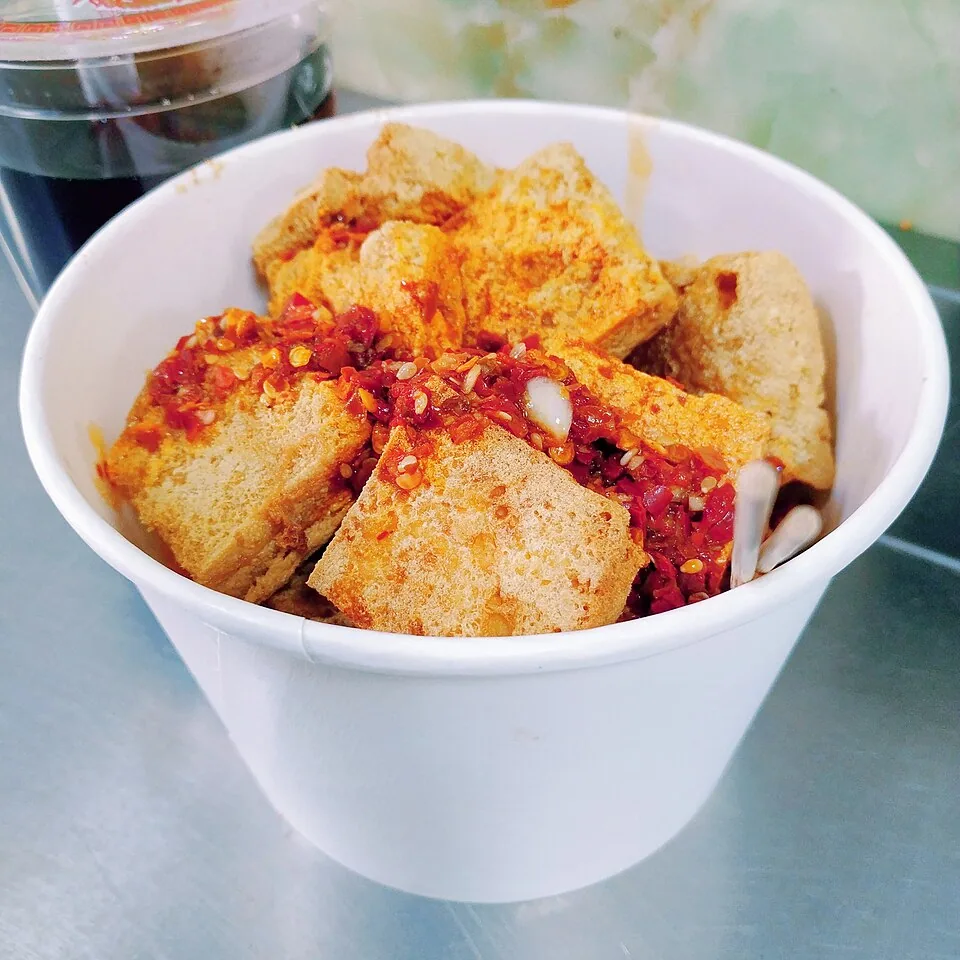
- Hero: Stinky tofu in Xizhen, photographed by Rochi, Wikimedia Commons, CC BY-SA 4.0.
References
- Wikipedia, "Stinky Tofu" article, https://zh.wikipedia.org/zh-tw/%E8%87%AD%E8%B1%86%E8%85%90↩
- Taiwan Guanghua Magazine (1993), "The Strange Fragrance of China—Stinky Tofu," https://www.taiwan-panorama.com/Articles/Details?Guid=beb7ff70-9a54-42a4-8a57-49f402159aab↩2
- Ministry of Foreign Affairs NGO Bilingual Website, "Extreme Stink is Delicious: The Flavor Code of Stinky Tofu," https://taiwanngo.tw/Post/86007↩
- National Regulations Database, "Food Safety and Sanitation Management Act," https://law.moj.gov.tw/LawClass/LawAll.aspx?pcode=L0040001↩