
30-Second Overview: In 1967, 38-year-old Kao Ching-yuan founded Uni-President Enterprises in Xuejia, Tainan,
starting from a flour mill. By 2024, revenue reached a record-high NT$657.637 billion. Uni-President does not just sell noodles —
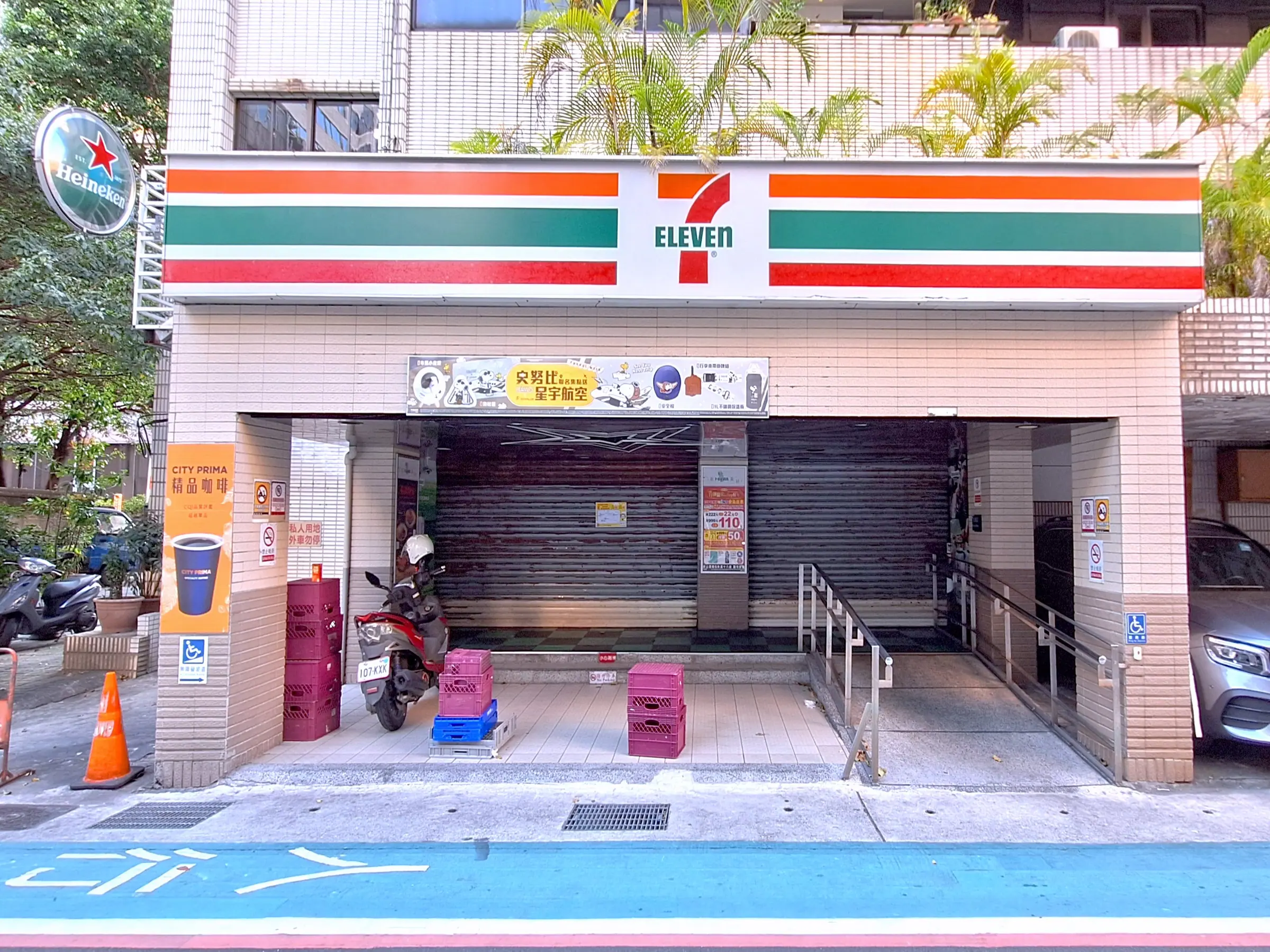
it redefined how Taiwanese people live. When the first 7-ELEVEN opened its Chang'an store in 1980,
"24-hour convenience" became a cultural symbol uniquely Taiwan's own.
A 13-Year-Old Child Laborer's Comeback
Kao Ching-yuan started working as a child laborer at age 13. His father's early death meant he began life as an apprentice at a cloth shop. At 38 (1967), he left Tainan Textiles and decided to bet on his own fate.
On August 25, "Uni-President Enterprises Co., Ltd." opened in Xuejia, Tainan, with Wu Hsiu-chi as chairman and Kao Ching-yuan as general manager. At the start, it was just a small factory producing flour and animal feed with fewer than 30 employees. But Kao had a bigger dream in his heart — he wanted to make Taiwanese people's eating more convenient.
In 1970, Uni-President launched its first package of "Uni-President Brand Instant Noodles." Taiwan was still an agricultural society at the time, and many people dared not try instant noodles, this "strange food." Kao personally ran through general stores across Taiwan, promoting one package at a time.
"Three goods, one fair price" is Kao Ching-yuan's management philosophy: tasty, good-looking, useful, and fair in price. These four qualities are still printed on Uni-President products today, unchanged for 57 years.
The Key Turning Point: The Convenience Store Revolution
In April 1978, Uni-President signed an agreement with American South Land Company, sending people to the US to learn the 7-ELEVEN operating model. At the time, Taiwan did not even have the term "convenience store" — everyone only knew "grocery stores."
On February 9, 1980, at 8 am, at No. 53, Lane 1, Chang'an East Road, Taipei, the first 7-ELEVEN "Chang'an Store" opened. 24-hour operations, air conditioning, standardized merchandise display — these things that seem taken for granted today were revolutionary innovations more than 40 years ago.
But business was bleak. Taiwanese people were accustomed to traditional markets and grocery stores and did not understand why they should buy things at a store that was "small and expensive." In November 1982, due to continuous losses, 7-ELEVEN was merged back into Uni-President Enterprises, becoming the "Superstore Business Division."
The turning point came in 1987. Uni-President spun off the superstore business division into "President Chain Store," simultaneously opening the franchise system. Taiwan's lifestyle was changing — more dual-income families, increasing urban population, longer working hours. "Convenience" began to have value.
Numbers Tell the Story: From 30 People to 250,000
Latest 2024 Data:
- Revenue: NT$657.637 billion (year-on-year growth 13.19%, historic high)
- Net profit: NT$20.673 billion (4-year high)
- Global employees: Approximately 250,000 (including subsidiaries)
- 7-ELEVEN stores: 6,800 in Taiwan, 13,000 worldwide
Market Position:
- Taiwan instant noodle market share: Over 60% (absolute leader)
- Taiwan convenience store density: 1 store per 2,300 people (world's highest)
- Annual Uni-President noodle sales: Over 1 billion packages
- Overseas revenue share: Approximately 70% (primarily from China)
For Comparison:
- Founded in 1967: Small factory of 30 people
- 2024: Multinational enterprise with 250,000 employees
- Growth multiple: Employee count grew 8,333 times over 57 years
Not Just Selling Noodles: Redefining Taiwanese Life
Uni-President's true achievement is not revenue figures but how it changed Taiwanese people's way of life.
Instant Noodle Culture: From "strange food" to "national comfort food," Uni-President noodles have accompanied three generations of Taiwanese. Dormitories, offices, typhoon days — Uni-President noodles have become part of Taiwanese people's "sense of security."
Convenience Store Revolution: 24-hour operations, composite services, dense store openings. Taiwan's convenience stores are not just stores but community centers — paying bills, picking up packages, photocopying, ATMs, restrooms, free Wi-Fi. This "super convenient" lifestyle was later replicated across Asian countries.
Food Safety Standards: During the 2014 food safety scandal, Uni-President was the first to conduct self-inspections and publicly release results. In an era of collapsed trust, Uni-President used transparency to win back consumers.
Going International: Conquering the Chinese-Speaking World's Appetite
In the 1990s, Uni-President began entering the Chinese market. In 1991, Uni-President (China) Investment Co., Ltd. was established, building the first production base in Guangzhou.
The success in the China market exceeded expectations. Uni-President Iced Tea, Xiao Dang Jia crunchy noodles, and Lai Yi Ke cup noodles — these brands familiar in Taiwan were equally welcomed in China. The enormous population dividend combined with rapid economic growth made Uni-President's China revenue quickly surpass the Taiwan domestic market.
By 2024, approximately 70% of Uni-President's revenue came from overseas, primarily the China market. From a small flour factory in Xuejia, Tainan, to a cross-strait food empire, Uni-President demonstrated the possibility of Taiwanese enterprises "going out."
Facing Challenges: An Old Brand in a Health-Conscious Era
But Uni-President also faces severe challenges. The younger generation's growing health consciousness brings increasing questions about high-sodium, high-oil, additive-heavy products. "Uni-President noodles are delicious but not healthy" has become a new brand impression.
The rise of e-commerce and food delivery platforms has also impacted convenience stores. Why walk to 7-ELEVEN when I can use my phone to order delivery?
Uni-President's response strategy is "health transformation" — launching reduced-sodium, reduced-oil instant noodles, unsweetened teas, and plant-based meat products. The goal is to raise healthy food revenue share to 30% by 2025.
Digitalization is also a priority. The 7-ELEVEN App, mobile payments, and online ordering extend "convenience" from physical to digital.
Why Uni-President Matters
Uni-President Enterprises' importance lies not just in commercial success but in witnessing Taiwan's social transformation:
From Agriculture to Industry: Uni-President's growth trajectory maps precisely onto Taiwan's transformation from agricultural to industrial society. Instant noodles and convenience stores are both products of industrialized life.
Shaper of Consumer Culture: Uni-President does not just sell products but creates consumer culture. The "convenience first" value system has, to some degree, redefined how modern Taiwanese people live.
Corporate Governance Model: From family enterprise to public listing, from domestic brand to international group — Uni-President's growth path provides important reference for Taiwanese enterprises.
Social Responsibility Practitioner: Food safety, eco-friendly packaging, community services — Uni-President's efforts as a corporate citizen have also influenced the standards of the entire industry.
57 years on, from a 13-year-old child laborer to a food empire, Kao Ching-yuan's story has become a symbol of Taiwanese entrepreneurial spirit. And Uni-President Enterprises has gone from a small noodle factory to a multinational enterprise that redefines modern life.
This is not just the story of one company, but a microcosm of the entire transformation of Taiwanese society.