
Taipéi Chino: ese boleto que deja a Taiwán competir, pero sin poder imprimir su propio nombre
Resumen en 30 segundos: «Taipéi Chino» es el nombre que Taiwán se ve obligado a usar en los Juegos Olímpicos y en la mayoría de las ocasiones internacionales. Pero su origen es más complejo que esas cuatro letras «impuesto a aceptar»: en 1976, en Montreal, fue el propio gobierno de Taipéi el que rechazó el «Taiwán» que le proponía el COI; en el referéndum de rectificación de nombre de 2018, fueron los propios atletas quienes salieron en contra. En cuarenta años, ese nombre no ha cambiado ni una coma, pero quienes quedan atrapados en el escenario, sin poder avanzar ni retroceder, son siempre los deportistas que dependen de él para poder competir, no los políticos que discuten el nombre.
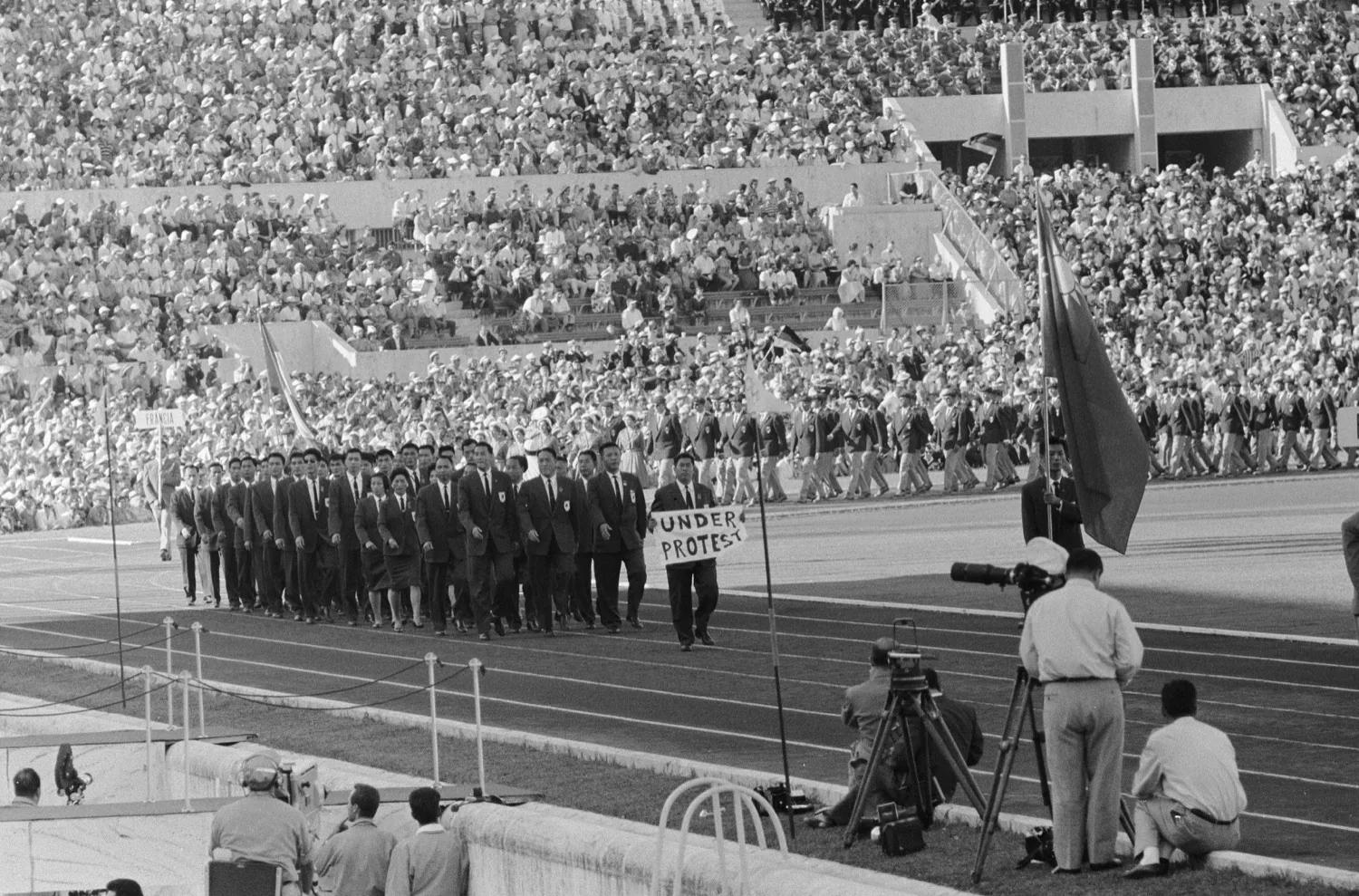
El 25 de agosto de 1960 se inauguraron los Juegos Olímpicos de Roma. Las delegaciones de cada país fueron entrando al estadio en orden; cuando le tocó el turno a un equipo, el jefe de misión que iba al frente, Lin Hung-tan, alzó una pancarta blanca en la que se leían dos palabras en inglés: UNDER PROTEST, en señal de protesta1.
Ese año, ese equipo no podía llamarse ni «República de China» ni «Taiwán». El COI le había asignado el nombre «FORMOSA», Formosa. En el equipo había un joven llamado Yang Chuan-kwang, que días después ganó la plata en decatlón: era la primera medalla olímpica de Taiwán —colgada bajo el nombre de un equipo llamado «Formosa»_.
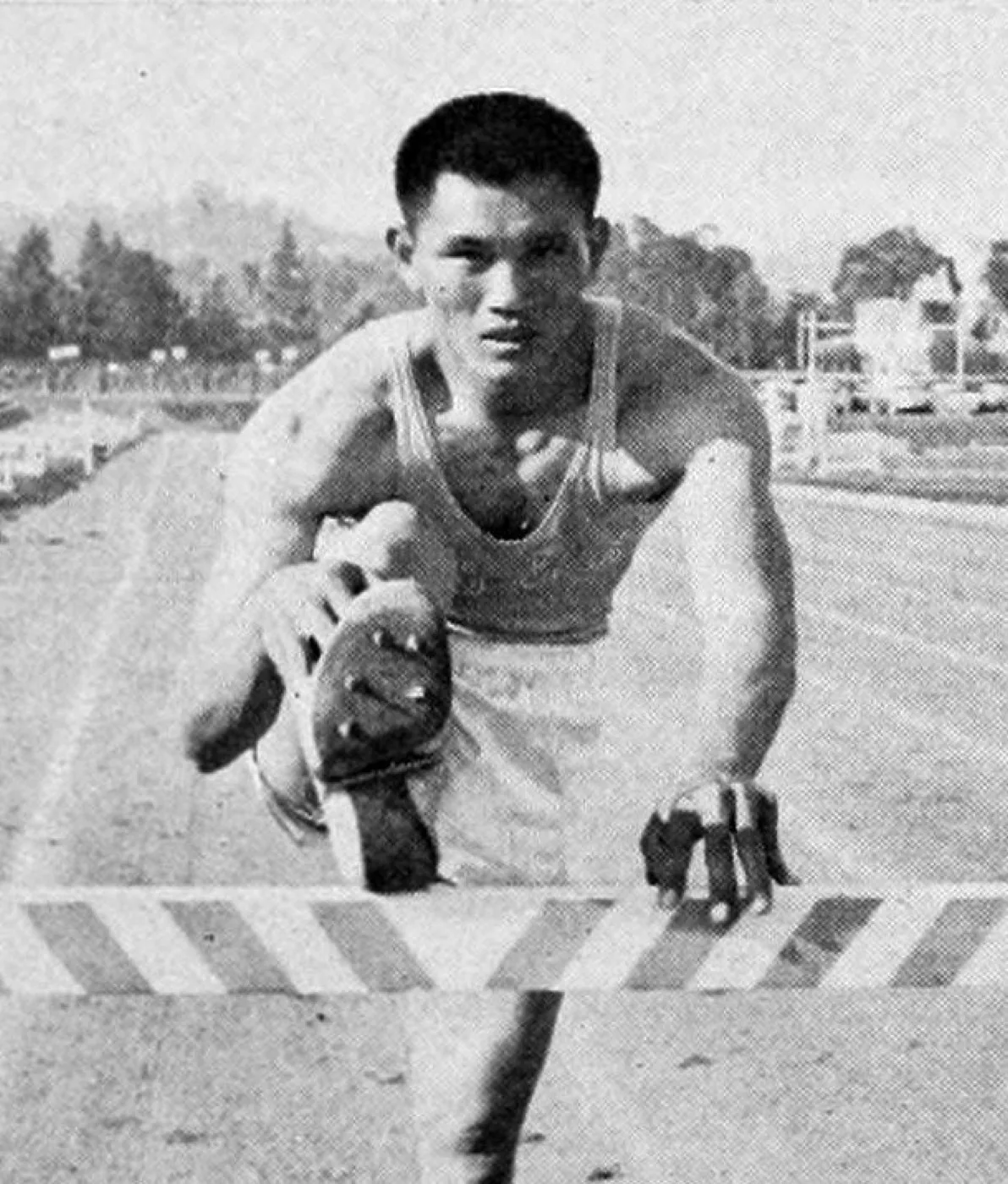
Yang Chuan-kwang, plata en decatlón en los Juegos Olímpicos de Roma 1960, la primera medalla olímpica de Taiwán. En aquella ocasión, el nombre de su equipo era «FORMOSA», Formosa. (UCLA Southern Campus 1960, Public Domain)
Fue la única vez en la historia olímpica que una delegación protestó abiertamente durante la ceremonia de inauguración2. Más de sesenta años después, esa tela blanca ya forma parte de la historia, pero lo que pretendía protestar nunca ha terminado: un equipo sube a la pista, pero no puede usar el nombre que quiere.
Una bandera de protesta en mano, marchando al frente
Para entender cómo surgieron esas cuatro palabras «Taipéi Chino», hay que tener claro una cosa: el nombre de Taiwán en los Juegos Olímpicos nunca fue algo que pudiera decidir por sí mismo desde el principio.
Tras la guerra civil entre el Kuomintang y el Partido Comunista en 1949, el escaño de «China» se convirtió en una pugna entre dos regímenes. El gobierno de la República de China (Taiwán) en Taipéi y el de la República Popular China en Pekín, ambos reclamaban representar a la única China, dejando al COI en medio. En los Juegos de Helsinki 1952, el COI invitó a ambas orillas; Taipéi, incapaz de aceptar compartir escenario con la otra orilla, se retiró en señal de protesta antes de la competición3. En Melbourne 1956, Taipéi compitió bajo el nombre de «China», y esta vez fue Pekín quien se retiró. Durante toda la década de 1950 y 1960, el nombre de Taiwán saltaba entre «China», «Formosa» y «Taiwán», cada vez empujado por la marea de la política internacional, nunca por elección propia.
Lo irónico es que aquellas ediciones en las que el nombre incluía la palabra «Taiwán» fueron precisamente cuando Taiwán tenía menos autonomía. En los Juegos de México 1968, Taiwán compitió bajo el nombre «Taiwan», y Chi Cheng ganó el bronce en los 80 metros vallas femeninos, convirtiéndose en la primera mujer taiwanesa en obtener una medalla olímpica4. Pero ese código «Taiwan» era una etiqueta que el COI había pegado basándose en la realidad geográfica, no una elección del gobierno de Taipéi. Para el gobierno de la República de China (Taiwán), que entonces insistía en «yo soy China», ser llamado «Taiwán» era, paradójicamente, un descenso de categoría.
1972, en Múnich, fue la última vez que la República de China (Taiwán) pudo usar su nombre oficial, bandera e himno nacionales de forma completa5. A partir del año siguiente, el mundo cambió.
📝 Nota del curador
Hoy estamos acostumbrados a ver «Taiwán» como un nombre de orgullo, algo por lo que vale la pena luchar, y a «Taipéi Chino» como un compromiso humillante, impuesto a la fuerza. Pero si volvemos a la realidad de los años 1960 y 1970, la oposición era la inversa: lo que el gobierno de Taipéi más quería defender era el derecho a representar a «China», y lo que menos quería aceptar era precisamente «Taiwán», porque llamarse «Taiwán» equivaldría a admitir que no era más que una isla, renunciando a la legitimidad sobre toda China. En 1968, ese bronce colgado bajo el nombre «Taiwan» era una degradación; en 2024, el mismo «Taiwan» coreado desde las gradas es motivo de orgullo. Medio siglo después, la misma palabra ha dado un giro de 180 grados.
Quien quería que se llamara Taiwán era la comunidad internacional; quien se negó fue Taipéi
El Montreal de 1976 es la página más contraintuitiva de toda esta historia.
El país anfitrión ese año era Canadá. Canadá había reconocido a Pekín ya en 1970 y, basándose en la política de «una sola China», se negó a permitir que la delegación taiwanesa entrara al país para competir bajo el nombre de «República de China» (Republic of China). Cuando Taiwán estaba a punto de quedarse fuera, el COI intervino para mediar y propuso una solución de compromiso: permitir que Taiwán compitiera bajo el nombre de «Taiwán» (Taiwan), manteniendo su bandera y su himno6.
En otras palabras, quien quería que Taiwán se llamara «Taiwán» era el COI. Quien se negó rotundamente fue Taipéi.
La decisión final la tomó Chiang Ching-kuo. El gobierno de la República de China (Taiwán) consideraba que «Taiwán» era un arreglo que rebajaba su estatus internacional: aceptarlo equivaldría a admitir implícitamente que no era más que una autoridad local en una isla, renunciando a su legitimidad para representar a toda China. Así que, un día antes de la ceremonia de apertura, la delegación taiwanesa optó por retirarse y volver a casa en pleno7. Un investigador calificó después esta decisión así: «it was the KMT that made this decision. It was an own goal, basically.» (Esta fue una decisión del propio KMT; básicamente, un autogol.)8
⚠️ Punto de vista controvertido
Reducir la historia del Montreal de 1976 a «Canadá acosó a Taiwán» es una lectura errónea frecuente. La verdad es más compleja y más incómoda: la comunidad internacional ofreció el nombre «Taiwán», y fue Taipéi quien, basándose en su insistencia soberana, lo rechazó. Señalar esto no pretende emitir un juicio moral a favor de ninguna de las partes, sino solo restablecer una causalidad que a menudo se invierte: la idea extendida de que «Taipéi Chino = la humillación que Taiwán se vio obligado a tragar» tiene la dirección invertida. Al menos una vez, la oportunidad de que Taiwán compitiera bajo el nombre de «Taiwán» fue cerrada por la propia Taiwán.
El precio de la retirada salió a la luz pronto. En 1979, el COI, mediante una votación por correspondencia en Nagoya (Japón), estableció formalmente el modelo de «dos Chinas» en el ámbito olímpico que perdura hasta hoy: el COI de Pekín pasó a llamarse «Comité Olímpico Chino» y a usar la bandera y el himno de la República Popular China; el COI de Taipéi tuvo que cambiar de nombre, y ni su bandera ni su himno podían ser los mismos que antes9. Si Taiwán quería volver a los Juegos Olímpicos, tenía que adoptar un nuevo nombre, una nueva bandera y un nuevo himno.
Ganaron el juicio, y luego aceptaron un nuevo nombre
Ante la Resolución de Nagoya, Taiwán no se rindió de inmediato, sino que primero presentó una demanda.
El entonces miembro del COI Hsu Heng y el Comité Olímpico de la República de China presentaron una demanda a finales de 1979 ante el Tribunal de Distrito de Lausana, Suiza, donde se encuentra la sede del COI, alegando que la Resolución de Nagoya violaba la Carta Olímpica10. El 27 de marzo de 1980, el tribunal emitió una sentencia interlocutoria, determinando que la actuación del COI «parece contraria al espíritu y la letra de la Carta, especialmente los artículos 64, 65 y 66», y dictaminó que «las costas judiciales de 100 francos suizos correrán a cargo del COI, además de pagarle al señor Hsu Heng (demandante) 500 francos suizos para compensar sus gastos»11.
En términos legales, Taiwán ganó este juicio. Pero, ¿qué pasó después de ganar? Se estableció el hecho de que el COI había violado la Carta, pero Taiwán seguía sin poder regresar. Detrás de la Resolución de Nagoya había un cambio en todo el panorama del reconocimiento internacional, algo que una sola sentencia no podía alterar. Así, el litigio se convirtió en una ficha de negociación. El 26 de enero de 1981, Hsu Heng y otros llegaron a un consenso con el nuevo presidente del COI, Juan Antonio Samaranch, y retiraron la demanda12.
Dos meses después, el 23 de marzo de 1981, el secretario general del Comité Olímpico de la República de China, Shen Chia-ming, y Samaranch firmaron formalmente el Acuerdo de Lausana (Acuerdo entre el COI y el Comité Olímpico de Taipéi Chino). El acuerdo estableció el nombre que se usa hasta hoy: CHINESE TAIPEI OLYMPIC COMMITTEE, con el código de país TPE13. Un detalle revela el cálculo político de la época: en el orden de desfile olímpico, TPE fue ubicado en el grupo T, deliberadamente apartado para que no quedara junto al código C de «China», evitando así cualquier asociación visual de «dos Chinas» paralelas.
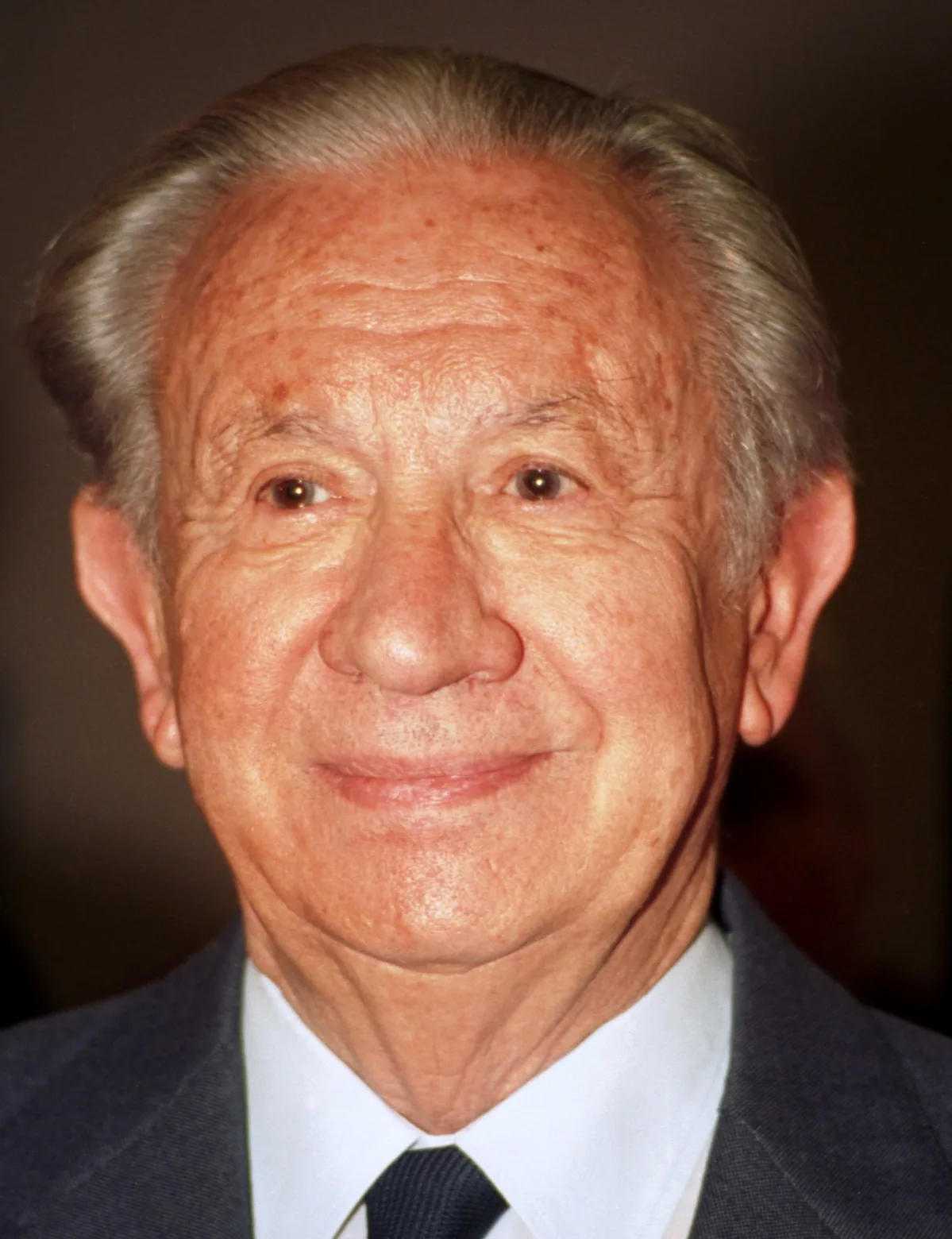
El entonces presidente del COI, Juan Antonio Samaranch. El 23 de marzo de 1981, firmó el Acuerdo de Lausana con el secretario general del Comité Olímpico de la República de China, Shen Chia-ming, y el nombre «Chinese Taipei» quedó así establecido, utilizándose durante cuarenta años. (Foto de Leo Medvedev, CC BY-SA 4.0)
📝 Nota del curador
«Ganaron el juicio, y luego aceptaron un nuevo nombre» suena como un final contradictorio, pero es precisamente lo que más se malinterpreta de «Taipéi Chino». No fue ni una rendición pura ni una victoria pura. Taiwán demostró en los tribunales que el COI tenía la razón equivocada, pero en la mesa de negociaciones aceptó un nombre que no era su primera opción, porque el costo de estar excluido del escenario deportivo internacional durante diez años enteros era más difícil de soportar que un nombre imperfecto. Para los atletas, poder competir siempre es la primera prioridad.
El nuevo nombre necesitaba nuevos símbolos. El diseño de la bandera fue esbozado por Lin Hsing-hsiung, finalizado por Weng Ming-yi, y finalmente Chiang Ching-kuo eligió personalmente la «Bandera de la Flor de Ciruelo y los Cinco Aros» entre tres propuestas: el anillo exterior tiene los tres colores azul, blanco y rojo de la bandera nacional, el centro lleva el emblema del cielo azul y el sol blanco, y en la parte inferior están incrustados los cinco aros olímpicos14. Esta bandera, conocida desde entonces como la «Bandera de la Flor de Ciruelo», sustituyó a la de cielo azul, sol blanco y tierra totalmente roja, apareciendo en el podio de cada edición de los Juegos Olímpicos.
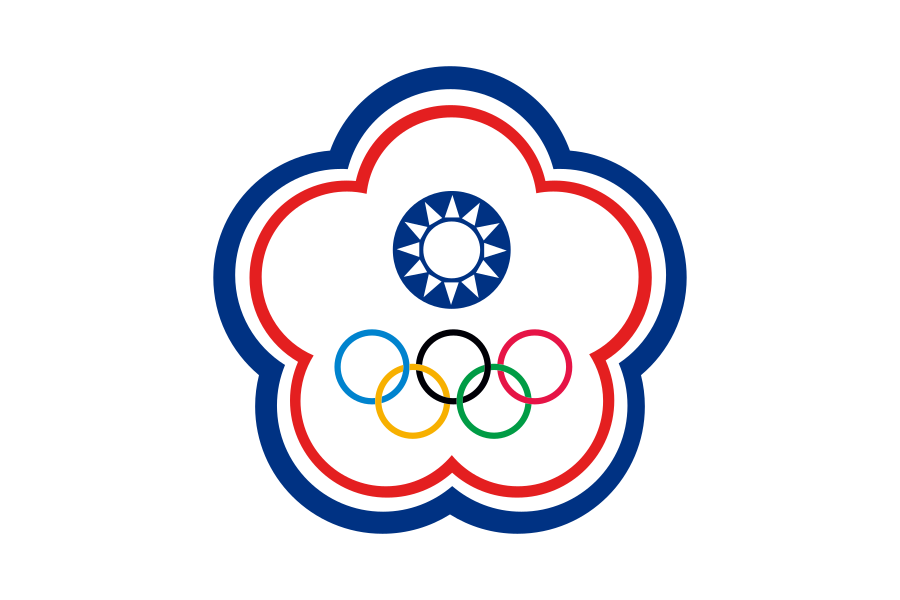
Bandera del Comité Olímpico de Taipéi Chino, conocida como «Bandera de la Flor de Ciruelo». El anillo exterior en azul, blanco y rojo proviene de la bandera de la República de China, el centro lleva el emblema del cielo azul y el sol blanco, y en la parte inferior están los cinco aros olímpicos. Entró en uso tras el Acuerdo de Lausana de 1981, sustituyendo a la bandera nacional en el podio. (Wikimedia Commons, Dominio Público)
Una canción con la misma melodía, pero distinta letra
Si has visto a un deportista de Taiwán ganar el oro en el podio olímpico, habrás notado que no se iza la bandera nacional ni suena el himno nacional. Pero lo que muchos no advierten es que esa «Canción de la Bandera» que suena en el podio, aunque su melodía resulta familiar, tiene una letra completamente distinta a la que crees.
El Acuerdo de Lausana prohibió a Taiwán usar su himno nacional, por lo que el Comité Olímpico de Taiwán ideó una solución ingeniosa: conservar la melodía de la Canción de la Bandera, pero escribirle una nueva letra. La nueva letra fue escrita por Peter Chang (張彼德), entonces vicepresidente y secretario general, y aprobada por la Comisión Ejecutiva del COI el 1 de junio de 1983; se estrenó en los Juegos Olímpicos de Invierno de Sarajevo 198415. La letra comienza así:
✦ «Olímpico, Olímpico, sin distinción de religión, sin distinción de raza. Para fomentar la amistad, para la paz mundial, jóvenes de los cinco continentes, reunidos en los Juegos Olímpicos…»
Basta leerla una vez para darse cuenta de que en esta canción no aparece «Taiwán», ni «República de China», ni siquiera «Taipéi Chino» — habla del espíritu olímpico, la paz mundial y los jóvenes de los cinco continentes. Una canción nacida para poder competir, que deliberadamente no alude a ninguna nación. Cuando la pareja Lin-Yang (麟洋配), Kuo Hsing-chun (郭婞淳) o Lin Yu-ting (林郁婷) suben a lo más alto del podio, lo que suena es precisamente esa melodía familiar con una letra ajena. La mayoría de los taiwaneses conoce la melodía, pero no necesariamente sabe que su letra fue reemplazada hace tiempo.
Fragmento de la ceremonia de premiación de París 2024 del canal oficial del COI. Cuando los deportistas de Taipéi Chino suben al podio, suena esa melodía familiar con letra ajena, en la que no aparece «Taiwán» ni «República de China».
Tras cambiar los tres símbolos —nombre, bandera y himno—, Taiwán logró volver a la arena olímpica en 1984. El precio: desde entonces, ya no puede oír su verdadero nombre en el escenario internacional.
Un inglés, dos traducciones al chino, una guerra de palabras por la soberanía
El nombre en inglés «Chinese Taipei» quedó definido, pero los problemas apenas comenzaban, porque tiene dos traducciones al chino.
El 6 de abril de 1989, el secretario general del Comité Olímpico de Taipéi Chino, Lee Ching-hua, y el presidente del Comité Olímpico Chino, He Zhenliang, firmaron un acuerdo en Hong Kong (conocido como el «Consenso de 1989»), confirmando que la traducción oficial al chino de «Chinese Taipei» es «Taipéi Chino». Las cláusulas del acuerdo son muy específicas: «……en todos los casos en que se haga referencia en chino a los equipos y organizaciones deportivas de la región de Taiwán, se les denominará «Taipéi Chino.»16
El problema radica en el alcance de aplicación de las cláusulas. Una lectura atenta revela que este acuerdo solo regula los documentos, manuales, cartas, credenciales y anuncios impresos por el organizador; en otras palabras, rige a las instancias oficiales del evento, pero no a los medios de comunicación. Esta laguna se convirtió después en una grieta que no deja de filtrar: los medios chinos pueden seguir usando legítimamente la otra traducción al chino, «China Taipéi». A partir de abril de 2017, la televisión estatal china (CCTV) comenzó sistemáticamente a referirse a la delegación taiwanesa como «China Taipéi»17.
Para Taiwán, «Taipéi Chino» y «China Taipéi» difieren solo en un carácter, pero sus implicaciones son abismales. La postura del Consejo de Asuntos Continentales es que «China Taipéi» rebaja a Taiwán y viola el modelo olímpico; mientras que la Oficina de Asuntos de Taiwán de China sostiene que ambas traducciones son versiones al chino de «Chinese Taipei», por lo que no existe problema de rebaja. Esta fuerza de un solo carácter ni siquiera tiene consenso dentro de Taiwán. Tras asistir a la Asamblea Mundial de la Salud (WHA) en 2016 bajo el nombre de «Taipéi Chino», Tsai Ing-wen declaró: «En cuanto a la denominación, no ha habido rebaja, ni tampoco limitaciones por marcos políticos; cumplimos la misión sin defraudar»18; el presidente del KMT, Chu Li-lun, contraatacó acusando al DPP de doble rasero: «No puede ser que cuando el KMT asiste a la WHA y usa «Taipéi Chino» se llame entrega de soberanía y humillación nacional, pero cuando lo hace el DPP se llame profesionalismo y pragmatismo sin rebaja»19. El profesor de filosofía de la Universidad Nacional de Taiwán, Lin Huo-wang, también se pronunció: ««Taipéi Chino» también está bien», «Reconocer la realidad política me hace pensar que Tsai Ing-wen es una persona muy pragmática»20.
📝 Nota del curador
El nombre no ha cambiado en cuarenta años, pero lo que señala ha sido redefinido constantemente. Para Pekín, es «China Taipéi», una sucursal local; para el presentador de la NHK japonesa en la transmisión de los Juegos Olímpicos de Tokio 2020, fue un espontáneo «台湾です»; para los atletas, es el precio para competir. La misma cadena de letras «Chinese Taipei» emite frecuencias políticas completamente distintas en boca de cada quien. Lo que realmente se disputa en esta guerra es el derecho a interpretar el nombre.
La influencia de este modelo de «Taipéi Chino» se extiende mucho más allá de los Juegos Olímpicos. En los Juegos Asiáticos de Pekín de 1990, Taiwán regresó como «Taipéi Chino». En noviembre de 1991, Taiwán se unió a la Cooperación Económica Asia-Pacífico (APEC) como «economía» bajo el nombre de «Chinese Taipei», simultáneamente con China y Hong Kong; fue la primera organización intergubernamental internacional a la que Taiwán se incorporaba desde su salida de las Naciones Unidas en 197121. De 2009 a 2016, Taiwán asistió ocho años consecutivos a la Asamblea Mundial de la Salud como observador bajo el nombre de «Taipéi Chino», hasta que a partir de 2017 dejó de recibir invitaciones22. Así, el «modelo olímpico» pasó de ser un arreglo deportivo a convertirse en la plantilla genérica para la participación de Taiwán en casi todas las organizaciones internacionales donde está presente China.
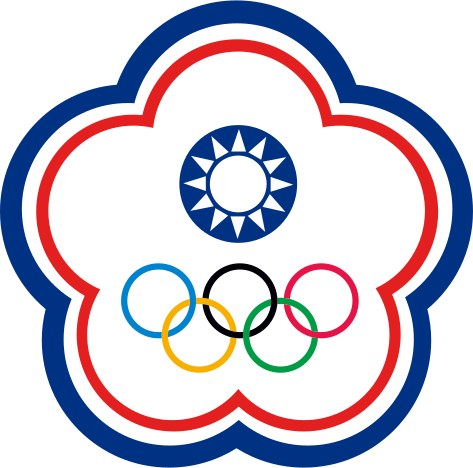
Emblema del Comité Olímpico de Taipéi Chino, aprobado junto con la bandera en el Acuerdo de Lausana de 1981 como símbolo de identificación. A diferencia de la bandera que ondea en el podio, el emblema aparece más a menudo en los uniformes de los atletas y en documentos oficiales——y, junto con el «modelo olímpico», se ha extendido a la APEC, la Asamblea Mundial de la Salud y otros ámbitos que van mucho más allá del deporte. (Wikimedia Commons, Dominio público)
Las personas que más sufren por el nombre no tienen escenario para votar
En 2018, un referéndum puso el problema del «nombre» por primera vez en manos de todo el pueblo taiwanés.
La impulsora fue Chi Cheng——y el propio nombre de Chi Cheng encierra todas las contradicciones de la historia de «Taipéi Chino». En 1968 ganó la primera medalla olímpica femenina de Taiwán bajo el nombre de «Taiwan»; en 1981 fue una de las artífices que establecieron el modelo del Comité Olímpico de Taipéi Chino, permitiendo el regreso de Taiwán a los Juegos Olímpicos23; entre 1981 y 1990 aceptó la designación del Kuomintang como legisladora. Y luego, en 2018, la que fuera funcionaria del establecimiento encabezó el «referéndum de rectificación de nombre para los Juegos Olímpicos de Tokio», exigiendo que Taiwán compitiera bajo el nombre de «Taiwán». Una persona que, en cuarenta años, pasó de ser creadora del nombre a opositora del nombre.
El reportaje de Chi Cheng en «Taiwán en escena» de Formosa TV recorre toda la trayectoria: la «gacela saltarina» de México 1968, la artífice que devolvió a Taiwán a los Juegos Olímpicos en 1981, la impulsora del referéndum de rectificación de nombre en 2018. Una misma persona que encarna todas las contradicciones del nombre «Taipéi Chino».
El texto de la pregunta 13 del referéndum era claro: «¿Está de acuerdo en que se solicite participar en todas las competiciones deportivas internacionales y en los Juegos Olímpicos de Tokio 2020 bajo el nombre completo de «Taiwán» (Taiwan)?»24
El referéndum generó un choque frontal entre dos fuerzas. Por un lado, los partidarios de la rectificación, que la consideraban una cuestión de dignidad; por el otro, salieron a oponerse públicamente los propios protagonistas más directos de ese nombre——los atletas. El jugador de bádminton Chou Tien-chen dijo: «Los atletas compiten con su vida, y lo único que pedimos es un escenario, no una rectificación de nombre ideológica.»25 El velocista Yang Chun-han interpeló a los votantes: «Cada uno de vuestros votos afectará nuestro futuro...»26 La campeona de halterofilia Hsu Shu-ching fue aún más directa: «Votad en contra.»27
El temor de los atletas proviene de la actitud del COI. En 2018, el COI envió tres cartas al Comité Olímpico de Taipéi Chino, indicando explícitamente que no aprobaría una solicitud de cambio de nombre, que consideraría una presión externa excesiva como interferencia política, e incluso que podría retirar el reconocimiento al Comité Olímpico de Taipéi Chino28. Para los jugadores que dependen del derecho a participar para ganarse la vida, esto es una amenaza para su carrera profesional.
Pero aquí hay un punto clave que se confunde generalmente. Al distinguir cuidadosamente las advertencias del COI, se descubre que lo que amenaza es que «el nombre sea realmente cambiado», no que «alguien vote pidiendo que se solicite». La «Carta Olímpica» establece que la suspensión solo se activa cuando un gobierno o una institución «obstaculiza el funcionamiento de un comité olímpico nacional»; la aprobación del referéndum solo obliga al gobierno a presentar la solicitud, y el Comité Olímpico de Taipéi Chino, como entidad privada, teóricamente puede optar por no ejecutarla——la suspensión no se desencadena automáticamente29. Verificadores de hechos taiwaneses como «Legal Plain Language» también señalan que «referéndum de rectificación de nombre = suspensión automática» es una sobredramatización del problema.
⚠️ Punto de vista en disputa
Entonces, ¿la preocupación de los atletas es infundada? Tampoco del todo. La dinámica política tras la aprobación del referéndum está llena de incertidumbre, y las tres cartas del COI por sí solas crearon una presión real——la presión no necesita convertirse realmente en suspensión para bastar para que un atleta pase la noche antes de la votación sin dormir. Esta es la parte más cruel de «Taipéi Chino»: toma un problema político que debería asumir toda la sociedad y lo acaba cargando sobre quienes menos fichas para hablar tienen, pero que sufren las consecuencias más directas. Las personas que más sufren por el nombre son precisamente las que no tienen espacio para luchar por el cambio de nombre.
El 24 de noviembre de 2018 se dieron a conocer los resultados del referéndum. Votos a favor: 4.763.086 (45,20%), votos en contra: 5.774.556 (54,80%), participación: 55,89%30. La propuesta de rectificación de nombre fue rechazada por una diferencia de aproximadamente un millón de votos. Kuo Ching-chun dijo tras el referéndum: «Que el referéndum no pasara da más tranquilidad a los atletas, no tienen que asumir este riesgo.»31
TTV News informa sobre el punto de disputa más amplificado antes del referéndum: si la rectificación de nombre pasa, ¿será expulsado el Comité Olímpico de Taipéi Chino por el COI? La veracidad de esta pregunta es precisamente el núcleo del desacuerdo entre atletas y partidarios de la rectificación.
Cuarenta años después, el nombre sigue ahí, la guerra sigue ahí
El referéndum ha terminado, pero el tira y afloja sobre el «nombre» en cada atleta nunca ha cesado.
Antes de los Juegos Olímpicos de Invierno de Pekín 2022, la patinadora de velocidad en pista corta Huang Yu-ting fue fotografiada entrenando con la uniforme del equipo chino bordada con la palabra «China». Ante la controversia, ella respondió: «En el mundo del deporte, no hay distinción de nacionalidad»32 (texto original), y dijo que competir «es como jugar en casa»33. La Administración de Deportes consideró el acto inapropiado, le suspendió la subvención por dos años y prometió modificar la ley34. Ante el mismo «nombre», algunos luchan por gritar «Taiwán», mientras otros creen que la nacionalidad no debería ser parte del deporte. Esta grieta recorre el interior del colectivo de atletas.
Noticias de CTS 2022: Huang Yu-ting entrena con la uniforme del equipo chino bordada con «China», desatando una tormenta. Ella dice «en el mundo del deporte no hay distinción de nacionalidad», y la sanción de la Administración de Deportes traza otra línea divisoria.
Y lo que a veces se arrebata es algo más concreto. En la inauguración de los Juegos Olímpicos de Tokio 2020, cuando el presentador anunció «Chinese Taipei», el locutor de la NHK japonesa dijo directamente «台湾です» (es Taiwán)35 —estas cuatro palabras fueron llamadas por muchos internautas taiwaneses «el momento más emocionante de la noche». Pero en los Juegos Olímpicos de París 2024, en las gradas de la final de dobles masculinos de bádminton, un cartel de apoyo que decía «Taiwan» fue arrebatado y destrozado allí mismo por personal del recinto y espectadores presuntamente de nacionalidad china36. En la pista, Lee Yang y Wang Chi-lin ganaron el oro; en el podio se izó la bandera blanca con la flor de ciruelo y sonó ese himno que no lleva las dos palabras «Taiwán». El nombre sigue siendo el mismo de hace cuarenta años.
Tras los Juegos Olímpicos de París, los medios y la sociedad taiwanesa se han acostumbrado cada vez más a decir directamente «equipo Taiwán», en lugar del «equipo Zhonghua» de antes; hasta los periodistas deportivos usan más a menudo expresiones como «héroes de Taiwán»37. La balanza emocional de la sociedad respecto al nombre se está desplazando, pero la bandera y la canción del podio olímpico no se han movido.
También en medio de este tira y afloja, Chi Cheng volvió a dar un paso al frente. En julio de 2021, esta mujer que en 1981 trajo a Taiwán de vuelta a los Juegos Olímpicos con sus propias manos, anunció que impulsaría una vez más un referéndum para rectificar el nombre, con la mira puesta en los Juegos Olímpicos de París 2024. Esta vez, el expresidente Ma Ying-jeou se opuso públicamente, diciendo que la rectificación del nombre «solo perjudicará a Taiwán»38.
Desde la pancarta blanca de «UNDER PROTEST» en Roma 1960 hasta el cartel de «Taiwan» destrozado en París 2024, median más de sesenta años. En estas seis décadas, quienes quieren llamar «Taiwán» y quienes quieren conservar «Zhonghua» no han dejado de cambiar de bando: el COI quiso dar a Taiwán el nombre «Taiwán», y Taipéi lo rechazó; los atletas rechazaron el nombre «Taiwán» en una votación, y luego en la pista anhelaron que alguien gritara «Taiwan» por ellos; Chi Cheng creó «Taipéi Chino» con sus propias manos, y pasó la segunda mitad de su vida intentando derribarlo. Nadie ha permanecido siempre en el mismo sitio.
Y ese boleto de entrada sigue permitiendo solo que Taiwán suba a la pista, sin poder llevar impreso su propio nombre. La próxima vez que veas izar la bandera de la flor de ciruelo en el podio y oigas ese himno sin «Taiwán», sabrás que esa batalla lleva cuarenta años librada y aún no hay vencedor. Y quien queda atrapado entre la espada y la pared es, siempre, la persona que está arriba en el podio.
Lecturas adicionales
- El problema de la denominación de Taiwán en los estándares internacionales — Desde ISO 3166 hasta el software de código abierto, cómo se escribe y disputa el nombre «Taiwán» en la infraestructura digital global, mismo origen que la nomenclatura olímpica pero diferente campo de batalla
- El espectro independentista-reunificacionista de Taiwán — Por qué los taiwaneses tienen sentimientos tan divergentes hacia los dos nombres «China» y «Taiwán», análisis completo del espectro de identidad detrás de esto
- Aliados diplomáticos de Taiwán y diplomacia internacional — Más allá de la extensión del «modelo olímpico», el mismo dilema del nombre que enfrenta Taiwán en el ámbito diplomático formal
- Chi Cheng — La trayectoria completa de la «Gacela Voladora» desde la medalla de bronce en México 1968, arquitecta del sistema de 1981, hasta iniciadora de la rectificación de nombre de 2018
- Yang Chuan-kwang — El hombre de hierro asiático que ganó la primera medalla olímpica de Taiwán bajo el nombre de «Formosa» en Roma 1960
- El país invisible — En este documental, Chi Cheng saca su medalla de bronce de 1968 y cuestiona: «¿Es 'Taipéi Chino' un nombre de país?»
Fuentes de las imágenes
- Hero/1960 Roma «UNDER PROTEST»: Olympische Spelen te Rome — Formosa liep onder protest, fotografía de Harry Pot/Archivo Nacional de los Países Bajos (Nationaal Archief), CC0 1.0.
- C. K. Yang: C. K. Yang — UCLA Southern Campus 1960, dominio público (PD-US, derechos de autor no renovados).
- Juan Antonio Samaranch: Juan Antonio Samaranch, fotografía de Leo Medvedev, CC BY-SA 4.0.
- Bandera de la asociación (bandera de la flor de ciruelo): Bandera del Comité Olímpico de China Taipéi, Wikimedia Commons, dominio público. El anillo exterior azul-blanco-rojo proviene de la bandera de la República de China, el emblema central cielo azul sol blanco, abajo los cinco anillos olímpicos; entró en uso tras el Acuerdo de Lausana de 1981.
- Emblema: Emblema del Comité Olímpico de China Taipéi, Wikimedia Commons, dominio público (autor Denelson83).
Fuentes de video
Cuatro videos incrustados desde canales oficiales (noticieros documentales / competiciones / documentales, no regrabaciones UGC):
- Himno del Comité Olímpico de Taipéi Chino · Ceremonia de premiación París 2024: Canal oficial de Olympics(COI oficial)
- Reportaje especial político: FTV «Taiwan Yanyi»(FTV oficial)
- Puntos clave del referéndum de rectificación de nombre para los Juegos Olímpicos de Tokio: Noticias TTV(TTV oficial)
- Controversia por el uniforme del equipo chino de Huang Yu-ting: Noticias CTS CH52(CTS oficial)
Referencias
- Delegación de la República de China en los Juegos Olímpicos de Verano de 1960 — Wikipedia en chino, que registra que el entonces secretario general Lin Hong-tan exhibió una pancarta blanca con «UNDER PROTEST» al entrar en la ceremonia de apertura.↩
- Richard W. Pound, Journal of Olympic History (ISOH) — Artículo académico del miembro del COI Pound que cita archivos originales del COI, confirma que Roma 1960 fue la única protesta en una ceremonia de apertura en la historia olímpica, y corrige que hubo dos portadores de pancartas (la de «Formosa» y la de «Under Protest»).↩
- Delegación de China Taipéi en los Juegos Olímpicos — Wikipedia en chino, que documenta la evolución de los nombres de participación en cada edición, incluyendo la retirada de la República de China en Helsinki 1952 debido al problema de las dos Chinas.↩
- Centro de Verificación de Hechos de Taiwán: En la década de 1960 nunca participó en los Juegos Olímpicos bajo el nombre de Taiwán — Cita informes oficiales olímpicos para verificar los nombres de cada edición, confirma que en México 1968 participó como «Taiwan» (TWN), donde Chi Cheng ganó la medalla de bronce en los 80 metros con vallas femenino, convirtiéndose en la primera mujer taiwanesa en obtener una medalla olímpica.↩
- Delegación de la República de China en los Juegos Olímpicos de Verano de 1972 — Wikipedia en chino, que registra que Múnich 1972 fue la «última vez que la República de China participó con éxito en unos Juegos Olímpicos de Verano usando su nombre oficial, bandera e himno».↩
- Republic of China at the Summer Olympics — Wikipedia en inglés, que relata que en Montreal 1976 Canadá (que reconoció a la RPC en 1970) rechazó el nombre «Republic of China», y el COI propuso una solución de compromiso para competir bajo el nombre «Taiwan».↩
- Montreal 1976: Diplomatic Controversies — Sitio web oficial del COI, que detalla cómo durante los Juegos de Montreal 1976 Canadá rechazó el nombre «Republic of China», el COI intentó un compromiso y la ROC finalmente se retiró un día antes de la ceremonia de apertura.↩
- Richard W. Pound, Journal of Olympic History (ISOH) — Comentario sobre el rechazo del nombre «Taiwan» en 1976, atribuido al investigador Garret Clarke: «fue el KMT quien tomó esta decisión. Fue básicamente un autogol». (Fuente única, la cita se indica como opinión del autor, no como conclusión). La investigación del académico de Harvard Xu Guoqi también respalda el hecho histórico de que la decisión fue tomada por el lado de Taipéi, véaseque cita archivos originales del COI.↩
- Nagoya Resolution — Wikipedia en inglés, que describe la Resolución de Nagoya de 1979, aprobada por votación por correspondencia, que estableció el modelo de dos comités olímpicos chinos: la RPC usa su bandera e himno, la ROC debe cambiar su nombre a Chinese Taipei y su bandera e himno deben ser diferentes a los anteriores, con resultados publicados el 26-11-1979.↩
- Tang Ming-xin: Análisis del «Modelo Olímpico» y el «Acuerdo de las Dos Asociaciones» — Fundación de Investigación de Políticas Nacionales, relato de primera mano del ex miembro del COA Tang Ming-xin sobre la demanda presentada por Hsu Hen y el COA a finales de 1979 ante el Tribunal de Distrito de Lausana, Suiza.↩
- Tang Ming-xin: Análisis del «Modelo Olímpico» y el «Acuerdo de las Dos Asociaciones» — Fundación de Investigación de Políticas Nacionales, transcripción literal de la sentencia interlocutoria del Tribunal de Lausana del 27-03-1980: «el COI parece violar el espíritu y la letra de la Carta, especialmente los artículos 64, 65 y 66», y la decisión sobre costas: «las tasas judiciales de 100 francos suizos a cargo del COI, más 500 francos suizos al Sr. Hsu Hen (demandante) para compensar sus gastos».↩
- Acuerdo de Lausana — Wikipedia en chino, que registra que el 26-01-1981 Hsu Hen y otros alcanzaron un consenso con Samaranch y retiraron la demanda.↩
- Lin Chia-ho / «China Taipéi» antes y ahora: aquellos años en que demandamos al COI — The Reporter, artículo del jurista Lin Chia-ho que reconstruye el proceso del 23-03-1981 en que el secretario general del COA Shen Chia-ming y Samaranch firmaron el Acuerdo de Lausana, estableciendo el nombre «CHINESE TAIPEI OLYMPIC COMMITTEE» y el código TPE.↩
- Bandera del Comité Olímpico de China Taipéi (bandera de la flor de ciruelo) — Wikipedia en chino, que detalla que la bandera de la flor de ciruelo fue esbozada por Lin Hsiung-hsiung, finalizada por Weng Ming-yi, y seleccionada por Chiang Ching-kuo entre tres propuestas; el diseño incluye los tres colores de la bandera nacional (azul, blanco, rojo), el emblema del sol blanco sobre fondo azul y los cinco anillos olímpicos.↩
- Quizá no sepas que la letra del himno del COA no es la del himno nacional — Sports Vision, relata que el himno del COA fue escrito por Peter Chang, usando la melodía del himno nacional con nueva letra, aprobado por la Comisión Ejecutiva del COI el 01-06-1983, usado por primera vez en los Juegos de Invierno de Sarajevo 1984, con la letra completa: «Olímpico, olímpico, sin distinción de religión, sin distinción de raza...».↩
- Taipéi Chino — Wikipedia en chino (transcripción de artículos del Consejo de Seguridad Nacional), registra que el 6 de abril de 1989 Li Qinghua y He Zhenliang firmaron un acuerdo en Hong Kong, estableciendo la traducción al chino de "Chinese Taipei" como "Taipéi Chino"; las disposiciones solo regulan los documentos, manuales, cartas, credenciales y transmisiones del organizador.↩
- Controversia sobre la traducción al chino: "Taipéi Chino" vs "Taipéi de China" — Wikipedia en chino, registra que a partir de abril de 2017 la CCTV china comenzó sistemáticamente a usar "Taipéi de China" para referirse a los equipos taiwaneses.↩
- Tsai Ing-wen: La denominación en la WHA no ha sido rebajada — SETN (Sanlih E-Television), registra que Tsai Ing-wen el 27 de mayo de 2016 declaró: "En cuanto a la denominación, no ha sido rebajada, ni ha estado sujeta a limitaciones de marcos políticos, cumplí la misión sin defraudar las expectativas" (esta versión textual se basa en el informe de SETN).↩
- Tsai Ing-wen dice que "Taipéi Chino" no es rebaja; Chu Li-lun critica doble rasero — Liberty Times, registra que Chu Li-lun el 29 de mayo de 2016 criticó: "No puede ser que cuando el KMT participa en la WHA bajo el nombre 'Taipéi Chino' se llame entrega de soberanía y humillación nacional, autodepreciación, pero cuando lo hace el DPP se llame profesional, pragmático y sin rebaja".↩
- Xiao Ying dice que "Taipéi Chino" no es rebaja; Lin Huo-wang: la presidenta Tsai es muy pragmática — Liberty Times, registra que el profesor de filosofía de la Universidad Nacional de Taiwán, Lin Huo-wang, el 27 de mayo de 2016 dijo: "'Taipéi Chino' también está bien", "reconocer la realidad política me hace sentir que Tsai Ing-wen es una persona muy pragmática".↩
- Ministerio de Relaciones Exteriores: Participación de nuestro país en APEC — Fuente directa del Ministerio de Relaciones Exteriores, registra que en 1991 Taiwán, mediante la mediación de Corea del Sur, se unió a APEC bajo el nombre "Chinese Taipei" simultáneamente con China y Hong Kong, siendo la primera organización intergubernamental a la que se adhirió tras retirarse de las Naciones Unidas.↩
- Ministerio de Relaciones Exteriores: Participación de nuestro país en la Asamblea Mundial de la Salud (WHA) — Fuente directa del Ministerio de Relaciones Exteriores, registra que entre 2009 y 2016 Taiwán fue invitado a asistir a la WHA como observador, y desde 2017 no ha recibido invitación hasta la fecha.↩
- Ji Zheng — Wikipedia en chino / sitio web de la Fundación Hope, registra que Ji Zheng ganó bronce en México 1968, ayudó a establecer el modelo del Comité Olímpico de Taipéi Chino en 1981, fue legislador de 1981 a 1990, y en 2018 encabezó la iniciativa del referéndum para rectificar el nombre en los Juegos Olímpicos de Tokio.↩
- Referéndum de 2020 sobre la rectificación del nombre de Taiwán para los Juegos Olímpicos de Tokio — Wikipedia en chino (citando el boletín de la Comisión Electoral Central), pregunta principal del referéndum n.º 13: "¿Está de acuerdo en que se solicite la participación en todos los eventos deportivos internacionales y en los Juegos Olímpicos de Tokio 2020 bajo el nombre completo de 'Taiwán' (Taiwan)?".↩
- Chou Tien-chen: Los atletas solo quieren un escenario — Lai Tai Sports News, 21 de noviembre de 2018, registra que el jugador de bádminton Chou Tien-chen dijo: "Los atletas compiten con sus vidas, y lo único que queremos es un escenario, no necesitamos una rectificación de nombre ideológica".↩
- Deportistas se oponen al referéndum de rectificación de nombre para los Juegos Olímpicos de Tokio — TVBS, registra que el velocista Yang Chun-han instó a los votantes: "Cada uno de sus votos afectará nuestro futuro..." (la frase original continúa: "Espero que todos lo piensen bien, salgan por los deportistas").↩
- Deportistas se oponen al referéndum de rectificación de nombre para los Juegos Olímpicos de Tokio — TVBS, registra que la medallista de oro en halterofilia Hsu Shu-ching hizo un llamado: "También espero que todos puedan defender los derechos de los atletas a competir, emitan su voto en contra".↩
- Rectificación de nombre para los Juegos Olímpicos de Tokio: tres advertencias del COI — Esta Semana (revista), registra que en 2018 el COI envió tres cartas al Comité Olímpico de Taipéi Chino (la tercera del 16 de noviembre), indicando que no aprobaría la rectificación de nombre, consideraría la presión externa excesiva como interferencia y podría revocar su reconocimiento.↩
- Yang Kuei-chih / Modelo del COI: ¿Los taiwaneses al competir en el extranjero se convierten en gente de Taipéi Chino? — Movimiento de lenguaje legal claro, basado en la Carta Olímpica analiza que la condición para la suspensión es que el gobierno/institución "obstruya el funcionamiento del Comité Olímpico Nacional"; la aprobación del referéndum no desencadena automáticamente la suspensión, y señala que "referéndum de rectificación de nombre = suspensión automática" es una intimidación excesiva.↩
- Tira y afloja en el recuento de votos; la rectificación de nombre para los Juegos Olímpicos de Tokio no prospera — Agencia Central de Noticias (cifras confirmadas por tres fuentes: Control Yuan, boletín de la Comisión Electoral Central), 24 de noviembre de 2018: a favor 4.763.086 votos (45,20 %), en contra 5.774.556 votos (54,80 %), participación 55,89 %; la propuesta de rectificación de nombre fue rechazada.↩
- Guo Jing-chun habla sobre el resultado del referéndum — China Times 2018-11-27, registra a Guo Jing-chun: «El referéndum no pasó, para los atletas es más tranquilizador, no tienen que asumir este riesgo».↩
- Huang Yu-ting responde a la controversia por el uniforme del equipo chino — CTS 2022-02-03, cita el Facebook de Huang Yu-ting: «El deporte es deporte, en el mundo del deporte no hay distinción de nacionalidad» (「屆」 es un error tipográfico en el original).↩
- Huang Yu-ting: Como si estuviera jugando en casa — Newtalk 2022-02-08, registra a Huang Yu-ting tras los Juegos Olímpicos de Invierno de Pekín: «Sentí la entusiasmo del público presente, especialmente conmovida, como si estuviera jugando en casa».↩
- Juegos Olímpicos de Invierno: Huang Yu-ting usa uniforme del equipo chino y genera controversia; la Administración de Deportes promete modificar la ley — Liberty Sports, registra que la Administración de Deportes el 2022-03-03 determinó que el uso del uniforme del equipo chino por parte de Huang Yu-ting fue inapropiado, suspendió la subvención por dos años y prometió modificar la ley.↩
- Juegos Olímpicos de Tokio: el equipo de Taipéi Chino entra y la transmisión de NHK llama directamente a Taiwán — CNA 2021-07-23, registra que en la transmisión de la ceremonia de apertura de los Juegos Olímpicos de Tokio 2020, el presentador de NHK, al leer el maestro de ceremonias «Chinese Taipei», dijo directamente en japonés «Taiwan desu» para rectificar el nombre del equipo de Taiwán.↩
- Banderas prohibidas, pancartas arrancadas: Por qué no se puede mencionar Taiwán en los Juegos Olímpicos — NBC News, registra que en la final de dobles masculinos de bádminton de los Juegos Olímpicos de París 2024, las pancartas de apoyo con la palabra «Taiwan» en las gradas fueron arrebatadas y rotas en el acto; Lee Yang y Wang Chi-lin ganaron el oro.↩
- ¿Taipéi Chino o Team Taiwan? Explorando el deporte y la identidad nacional en el Taiwán contemporáneo — Taiwan Insight, analiza la tendencia creciente en los medios y la sociedad taiwanesa tras los Juegos Olímpicos de París de preferir el nombre «Equipo Taiwán» (Team Taiwan) en lugar de «Equipo Chino».↩
- El gobierno de Tsai planea impulsar nuevamente un referéndum para rectificar el nombre en los Juegos Olímpicos de París; Ma Ying-jeou: solo perjudicará a Taiwán — Newtalk 2021-07-31, registra que en julio de 2021 el gobierno de Tsai anunció nuevamente impulsar un referéndum para rectificar el nombre en los Juegos Olímpicos de París 2024; el expresidente Ma Ying-jeou se opuso diciendo: «Este referéndum no tiene sentido, solo perjudicará a Taiwán, no trae beneficios a Taiwán».↩